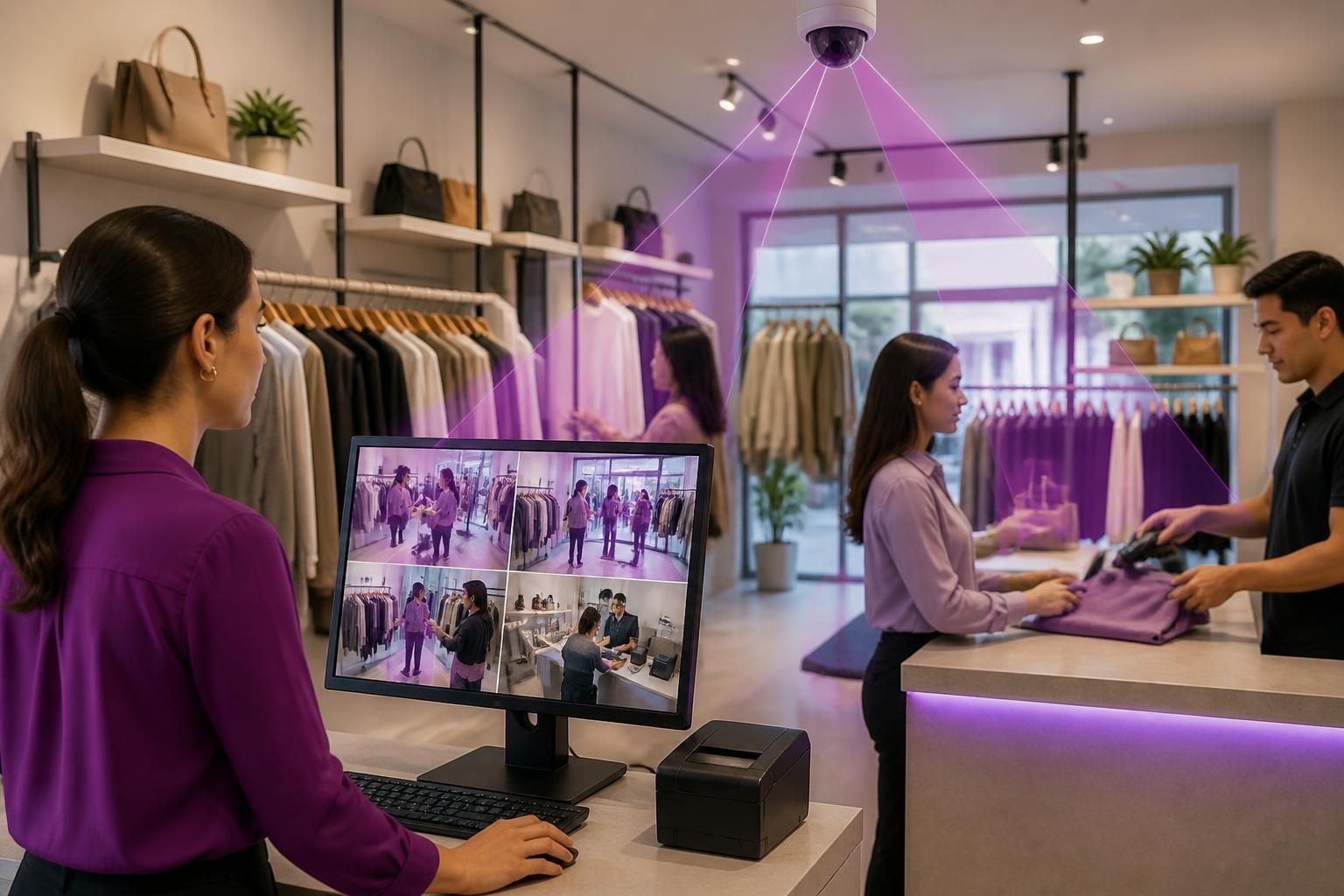
Walk into any modern shop and you'll likely be captured by cameras tracking everything from your path through the aisles to what you pick up and put back. That's computer vision retail analytics in action, and it's no longer just for big chains. Small retailers are now tapping into the same technology that Tesco and Amazon use, but without the eye-watering price tags or complex IT infrastructure. Let's break down what this actually means for your business and how you can put it to work.
What Computer Vision Retail Analytics Actually Does
Computer vision retail analytics uses cameras and AI to understand what's happening in your shop. Think of it as giving your security cameras a brain.
Instead of just recording footage, these systems actively analyse customer behaviour, track inventory levels, and spot patterns that would take you weeks to notice manually. The tech has matured enough that recent AI approaches to retail analytics now deliver actionable insights without requiring a data science team.
Real-World Applications You Can Implement Today
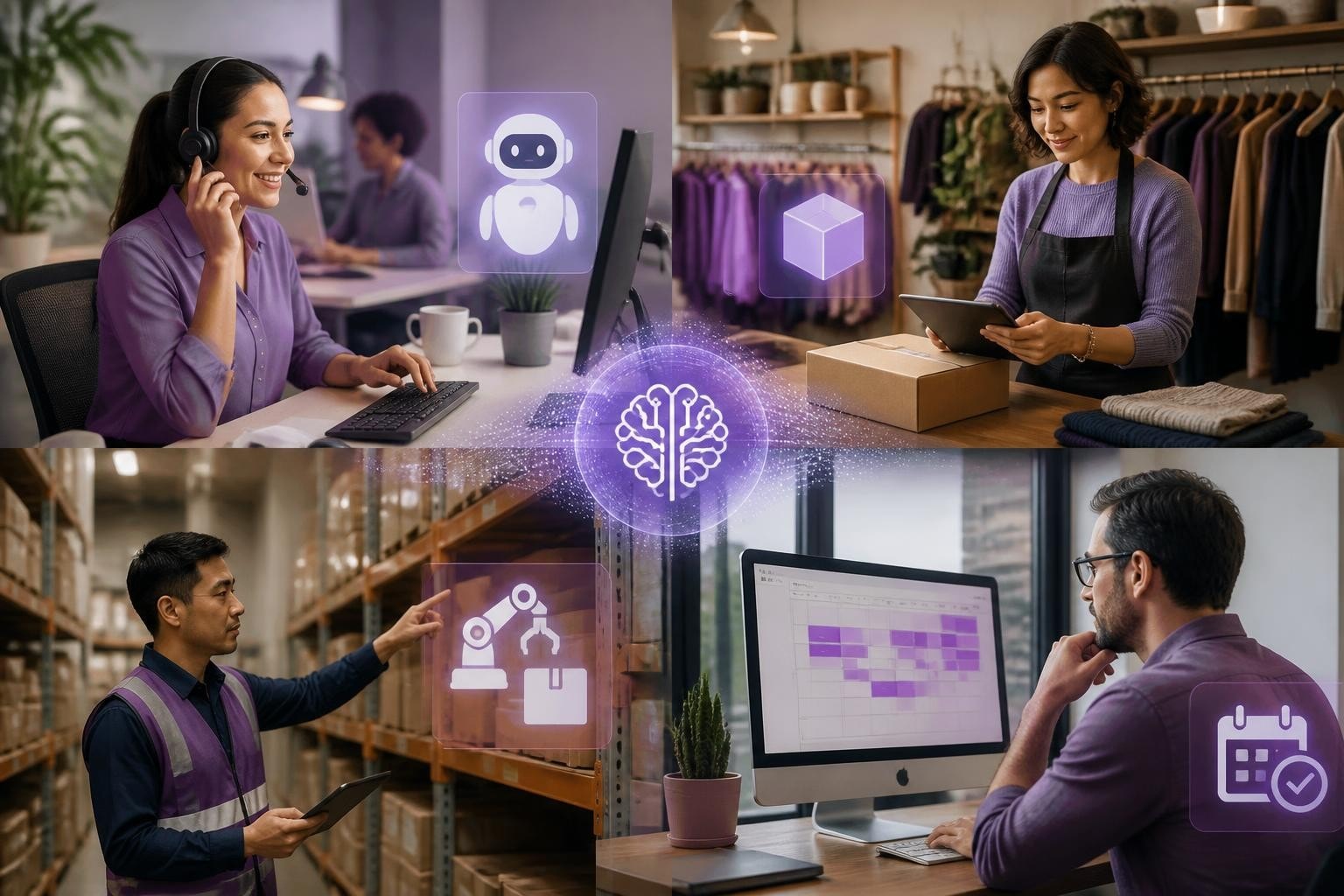
Here's what computer vision retail analytics can do for your shop right now:
- Footfall tracking that shows when customers actually visit, not just when they buy
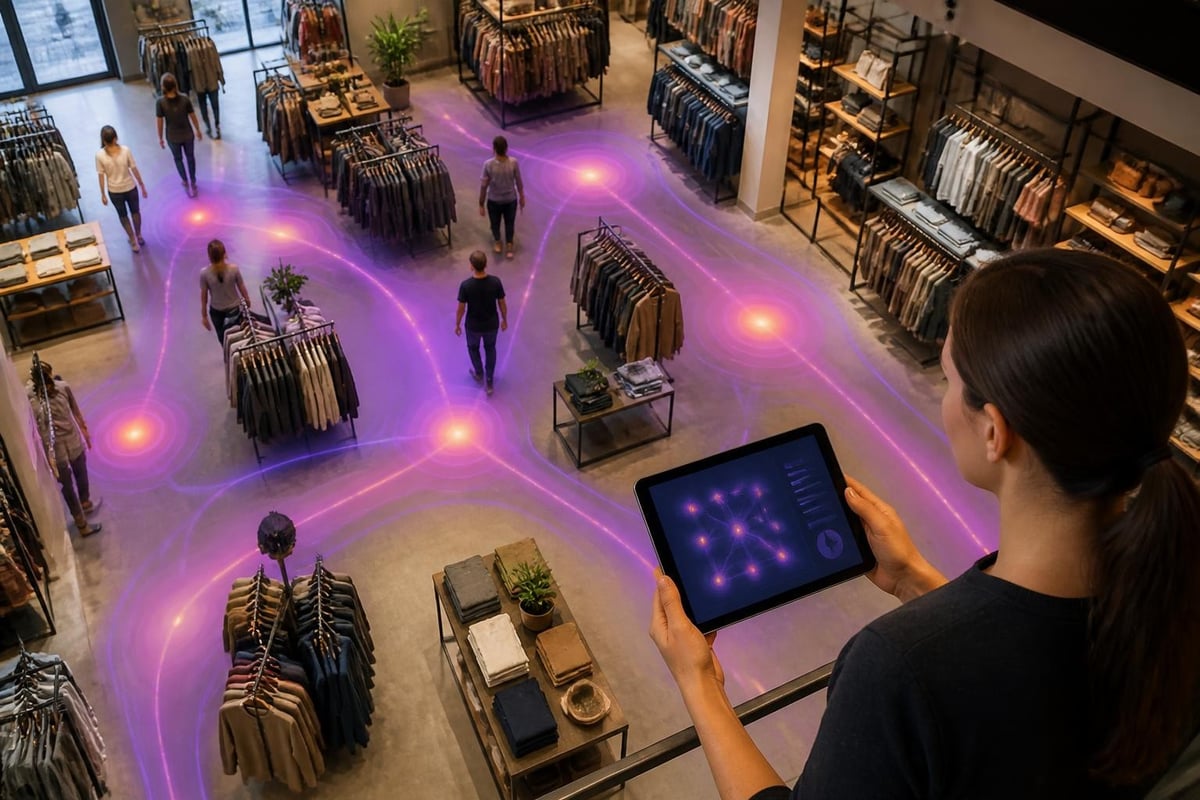
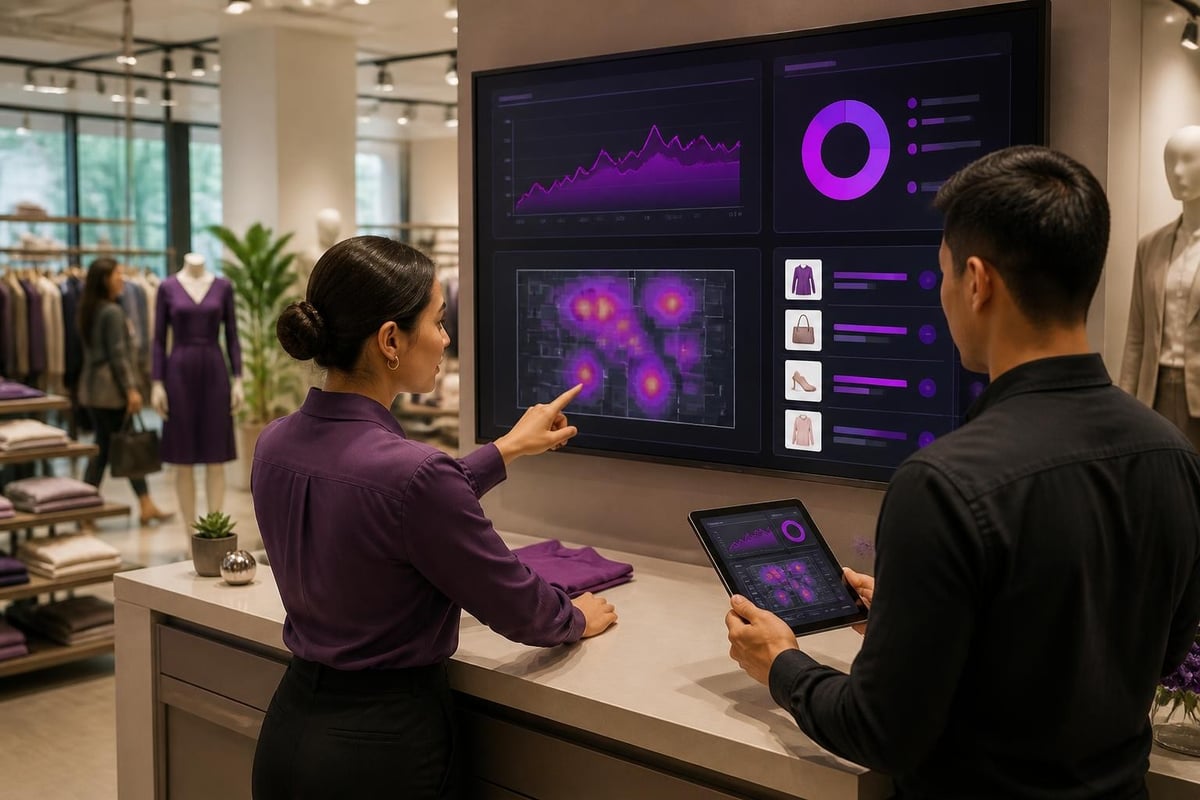
- Heat mapping to reveal which displays get attention and which are invisible
- Queue detection that alerts staff when checkouts get backed up
- Inventory monitoring on shelves without manual stock counts
- Abandoned basket analysis to understand what people nearly bought
The beauty is you can start small. One camera covering your busiest section gives you data you've never had before.
The Hardware Reality Check
You don't need to rip out your existing setup. Most computer vision retail analytics solutions work with standard IP cameras you probably already have.
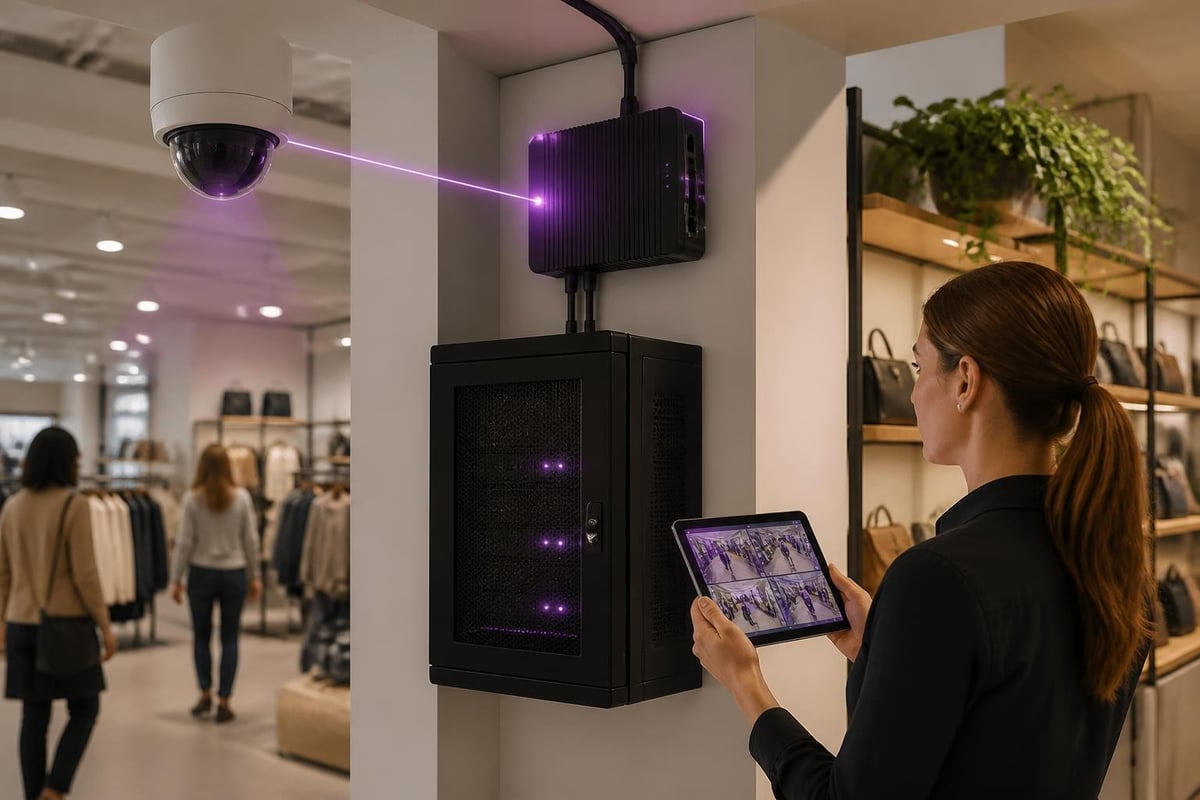
Modern systems use edge computing, meaning the AI runs on a small box in your stockroom rather than sending everything to the cloud. This approach, detailed in edge deep learning research, keeps costs down and responses fast. Your footage stays local, which matters for both privacy and performance.
| Deployment Option | Cost Range | Setup Time | Best For |
|---|---|---|---|
| Cloud-based | £200-500/month | 1-2 days | Multiple locations |
| Edge computing | £2000-5000 upfront | 3-5 days | Single site, privacy-conscious |
| Hybrid | £100-300/month + hardware | 2-3 days | Growing retailers |
The choice depends on your priorities. If you're privacy-focused or have patchy internet, edge wins. If you're scaling fast, cloud flexibility helps.
Privacy and Compliance Without the Headache
This is where many retailers freeze. Will customers object? What about GDPR? Is this even legal?
The short answer: yes, it's legal, but you need to do it properly. The EU AI Act guidance classifies certain retail video analytics as high-risk, particularly anything involving biometric identification.
Privacy-First Implementation
Anonymised tracking is your friend. You don't need to identify individuals to count footfall or map customer journeys. Most computer vision retail analytics systems blur faces by default and track movement patterns, not people.
Research on visual privacy in retail shows you can extract valuable insights whilst respecting privacy. It's about collecting less data, not more.
Key compliance steps:
- Display clear signage about video analytics
- Update your privacy policy with specifics
- Provide opt-out mechanisms where practical
- Conduct a Data Protection Impact Assessment
- Document your legitimate interest rationale
The NIST face recognition reports are worth reviewing if you're considering any demographic analysis, as bias and accuracy vary significantly across systems.
Practical Use Cases That Drive Revenue
Let's get specific. How does this translate into actual business improvements?
Optimising Staff Rotas
Your computer vision retail analytics system shows Tuesday mornings are dead but Thursday lunch is rammed. You shift two staff from Tuesday to Thursday. Labour costs stay flat, but checkout queues halve and customer satisfaction jumps. Simple maths.
Merchandising That Actually Works
Heat maps reveal nobody looks at your premium display near the entrance because everyone enters from the side door during rain. You move it. Sales of that product line increase 40%. You didn't change the product or price, just the position based on data.
Inventory Without the Guesswork
Shelf monitoring alerts you when fast-moving items are running low, before customers see empty shelves. You can even track which products people pick up and put back, revealing price sensitivity or packaging issues.
AI-powered self-checkout systems take this further by automatically recognising items, reducing theft and speeding up the checkout process. Though for small retailers, simple shelf monitoring delivers quicker ROI.
Integration With Your Existing Systems
Computer vision retail analytics works best when it talks to your other tools. Feed footfall data into your custom AI agents to trigger automatic reordering. Combine with your till system to correlate traffic with conversion rates.
The multi-camera tracking benchmarks used in computer vision research show how sophisticated these integrations can become, but you don't need perfection to see value.
Start with one integration:
- Traffic + till data = conversion rate by hour
- Heat maps + sales = display effectiveness
- Queue detection + staff scheduling = labour optimisation
Each pairing reveals something you couldn't see before.
Getting Started Without Overspending
Here's your practical roadmap:
Month 1: Install analytics on one camera covering your highest-value area. Learn the interface. Identify one clear pattern.
Month 2: Make one change based on the data. Measure the result. If it works, expand coverage.
Month 3: Add a second camera in a different zone. Start comparing areas.
This incremental approach, similar to how we help businesses with intelligent automation tools, prevents overwhelm and builds internal capability. You're not just buying software; you're changing how decisions get made.
The Future You're Building Towards
Computer vision retail analytics is evolving fast. The systems available in 2026 are light-years ahead of what existed even two years ago, and they're getting cheaper whilst becoming more capable.
Next-generation features already emerging:
- Emotion detection (though privacy concerns are significant)
- Product recognition accurate enough to replace barcodes
- Predictive analytics that forecast busy periods weeks ahead
- Integration with online shopping AI to unify physical and digital customer journeys
The key is starting now with the basics so you're ready to adopt advanced features as they become accessible. Like any process automation journey, early adoption compounds over time.
Making It Work for Your Retail Business
The difference between computer vision retail analytics that delivers ROI and expensive shelfware is implementation quality. The tech works, but only if it's configured for your specific layout, customer flow, and business questions.
That's where expert guidance matters. You need someone who understands both the technology capabilities and retail operations, who can spot which metrics actually matter for your business model, and who can integrate the insights into your existing workflows without creating extra admin burden.
Don't get distracted by feature lists. Focus on outcomes. What decision will you make differently with this data? If you can't answer that, you're not ready for that feature.
Computer vision retail analytics gives small retailers the same visibility that enterprise chains enjoy, but you need to implement it thoughtfully to see real returns. The technology has matured to the point where it's genuinely accessible, but success still depends on choosing the right approach for your specific situation and integrating insights into actual decision-making. If you're ready to explore how computer vision or other AI tools could transform your retail operations without the complexity or cost overruns, AI 4 Small Business helps retailers implement practical, outcome-focused solutions that deliver measurable impact fast.