If you run a retail business, you're sitting on a goldmine of data. Every transaction, every stock movement, every customer interaction tells a story. The challenge? Making sense of it all without drowning in spreadsheets or hiring a team of data scientists. That's where machine learning in retail comes in, and it's not just for the big players anymore. Small retailers are using these tools to predict what'll sell, price products smarter, and actually understand what their customers want before they ask.
What Machine Learning Actually Does in Your Shop
Let's cut through the noise. Machine learning in retail isn't about robots replacing staff or fancy tech for tech's sake. It's about spotting patterns in your sales data that you'd never catch manually.
Think about your busiest products. You probably know what sells well, but do you know why certain items sell together? Or which products are about to become popular based on browsing patterns? Machine learning algorithms analyse thousands of data points to find these connections, helping you make better decisions faster.
The Three Key Areas Where It Makes a Real Difference
Inventory management is where most retailers see immediate results. You're not guessing how much stock to order or leaving money tied up in products that sit on shelves. The system learns from historical sales, seasonal trends, weather patterns, and even local events to predict demand accurately.
Here's what you can tackle:
- Automatic reorder points based on actual usage patterns
- Seasonal stock adjustments before you need them
- Identifying slow-moving items before they become dead stock
- Reducing waste in perishable goods
Pricing optimisation is another game-changer. Instead of matching competitors or using fixed margins, machine learning analyses market conditions to suggest optimal prices that maximise both sales and profit.

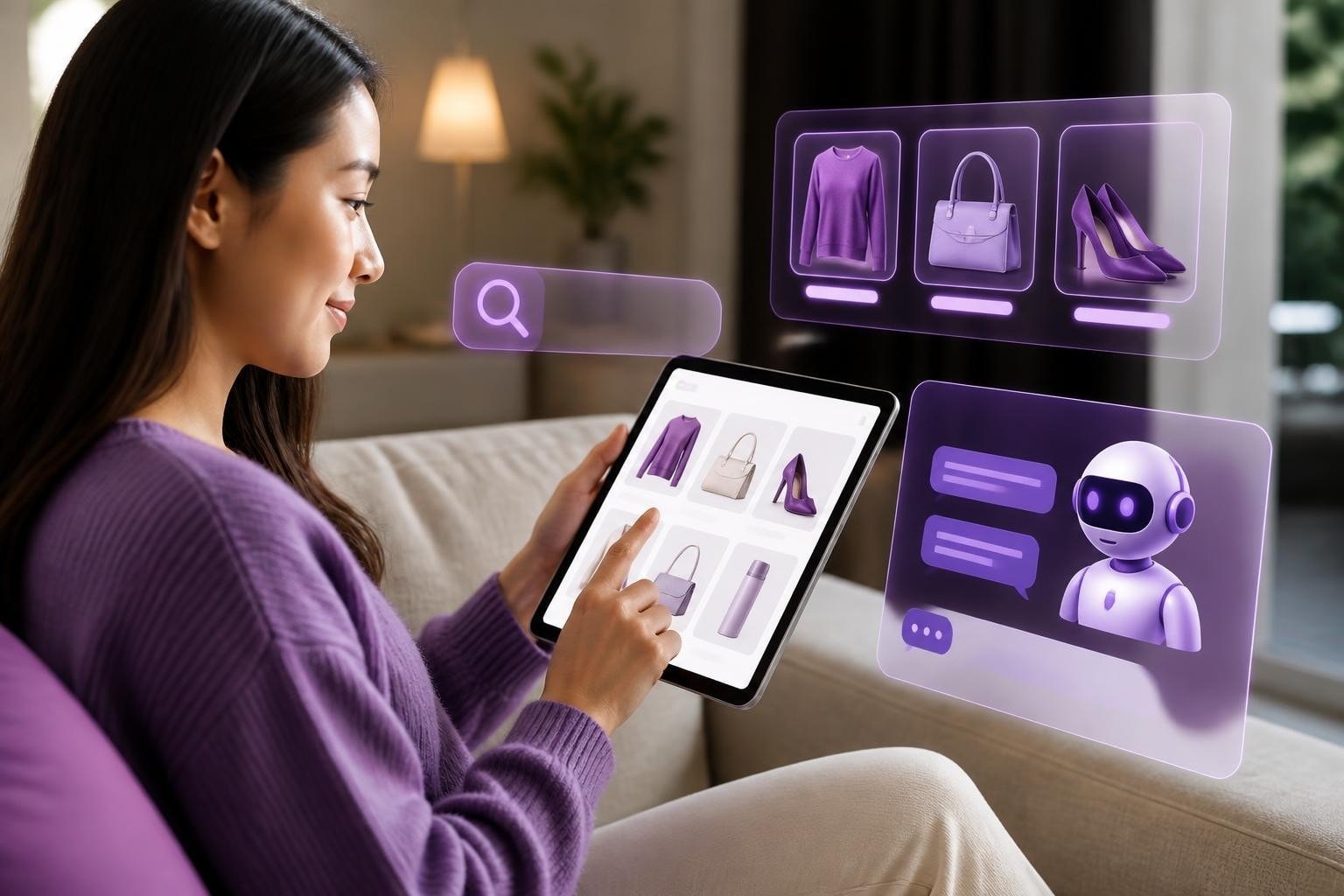
Customer personalisation sounds fancy, but it's really just showing people what they're likely to want. Your online shop can suggest products based on browsing history, purchase patterns, and similar customer behaviours. In-store, it means targeted promotions that actually resonate.
Practical Applications You Can Implement Now
The beauty of applying machine learning in retail today is that you don't need to build everything from scratch. Ready-made tools exist that plug into your existing systems.
Demand Forecasting That Actually Works
Traditional forecasting uses last year's sales and adds a percentage. Machine learning considers dozens of variables simultaneously. It knows that rainy Saturdays in July affect sales differently than sunny ones, that social media trends impact demand, and that local events shift buying patterns.
| Traditional Forecasting | Machine Learning Forecasting |
|---|---|
| Historical averages | Multiple data sources |
| Manual adjustments | Automatic pattern recognition |
| Monthly updates | Real-time learning |
| 60-70% accuracy | 85-95% accuracy |
You can start small. Many retail-focused platforms offer demand forecasting as a module, not a complete system overhaul. Connect your sales data, let it learn for a few weeks, then compare its predictions against your usual method.
Customer Segmentation Beyond Demographics
Age and postcode tell you something, but machine learning in retail reveals customer segments based on actual behaviour. You'll discover groups like "weekend browsers who buy on Tuesday mornings" or "bulk buyers influenced by loyalty points" that you'd never identify manually.
This matters because you can then target communications, stock placement, and promotions to what actually drives purchases. One small fashion retailer found that their "bargain hunters" segment responded to early-week email promotions, while "quality seekers" preferred in-store events on Saturdays.
Optimising your workflow applications with machine learning means these insights flow automatically into your marketing tools, point-of-sale systems, and stock management.
Getting Started Without the Headaches
Here's the reality check: implementing machine learning doesn't mean hiring data scientists or spending six months on integration. The successful small retailers we work with follow a simpler path.
Step 1: Identify Your Biggest Time Drain
Where do you or your team spend hours on repetitive decisions? Stock ordering? Pricing updates? Sorting through customer enquiries? That's your starting point. Understanding your current process workflows helps pinpoint where automation delivers the fastest return.
Step 2: Choose Tools That Fit Your Stack
You've already got a till system, maybe an e-commerce platform, probably some inventory software. The right machine learning solution works with these, not instead of them. Look for tools that offer APIs or built-in integrations with your existing setup.
Step 3: Start With One Problem
Don't try to revolutionise everything at once. Pick one challenge, implement a solution, measure the results, then expand. Maybe you start with automated stock reordering for your top 20 products. Once that's working, you add pricing optimisation, then customer recommendations.
What the Data Says About Results
Research on machine learning applications in retail shows consistent improvements across key metrics. Retailers implementing demand forecasting see stock-outs drop by 20-30%. Dynamic pricing typically lifts margins by 2-5%, which might not sound huge until you calculate it across annual revenue.
Customer personalisation drives the biggest impact on lifetime value. When you're showing people products they actually want, conversion rates jump. One study found that personalised recommendations account for up to 35% of purchases on platforms using machine learning effectively.
| Metric | Typical Improvement |
|---|---|
| Stock accuracy | 25-35% reduction in overstock |
| Pricing margins | 2-5% margin improvement |
| Conversion rate | 15-25% increase |
| Customer retention | 10-20% improvement |
| Time on manual tasks | 40-60% reduction |
The cost savings matter too. When you're not tying up cash in slow-moving stock or manually adjusting hundreds of prices weekly, that time and money goes elsewhere.
The Human Element Still Matters
Here's something that doesn't get said enough: taking a human-first approach to AI in retail means using these tools to enhance what your team does best, not replace them.
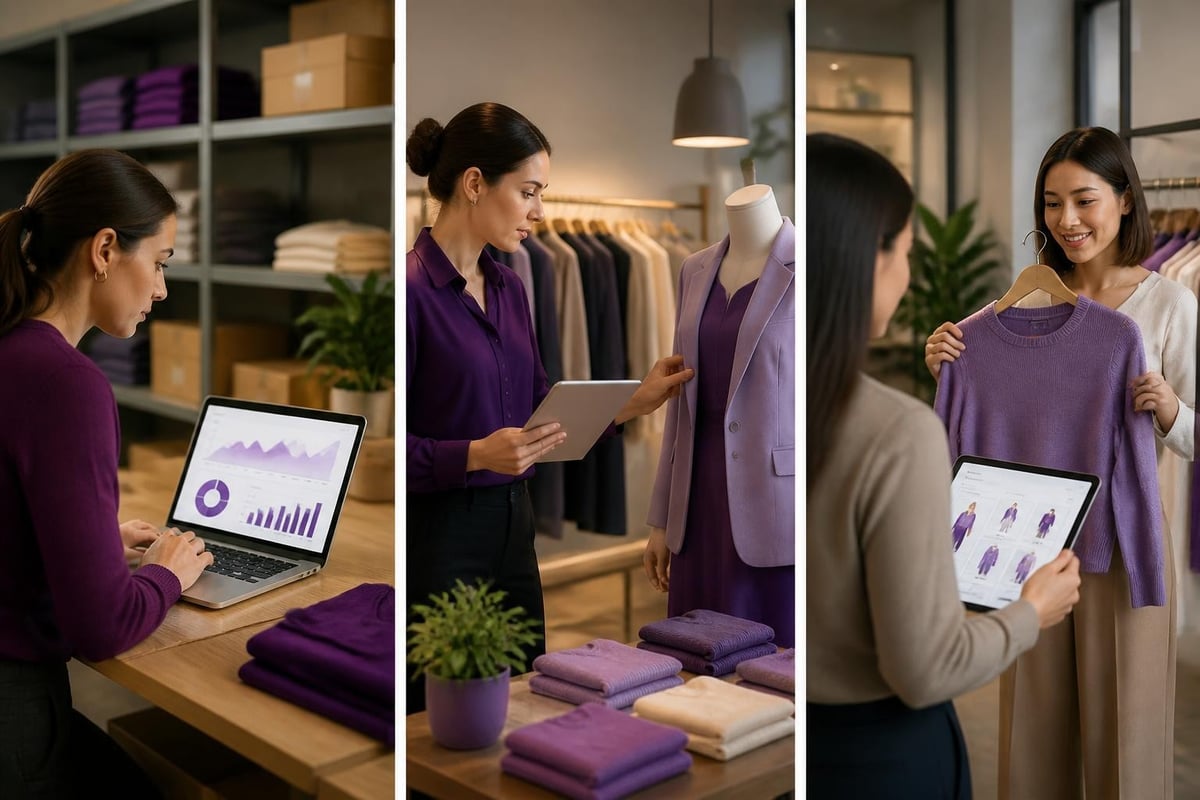
Your staff know your customers. They spot trends on the shop floor before any algorithm does. Machine learning in retail works best when it handles the data crunching while your team focuses on customer relationships, creative merchandising, and strategic decisions.
One independent bookshop uses machine learning to predict which titles will sell, but their staff still curate displays and make personal recommendations. The technology handles stock levels and reordering; the humans create the experience that keeps customers coming back.
Common Pitfalls to Avoid
Data quality matters more than quantity. If your sales data is inconsistent or your product categories are a mess, machine learning will amplify those problems. Clean up your data first, even if it means starting with a smaller, accurate dataset.
Don't expect instant miracles. These systems learn over time. Your first month might show modest improvements, but after three months of learning your patterns, accuracy improves significantly.
Keep humans in the loop. Automated suggestions are brilliant, but you need someone reviewing unusual recommendations or price changes that seem off. Think of it as assisted decision-making, not autopilot.
Machine learning success triangle in retail: clean data foundation, appropriate tool selection, and ongoing human oversight combining for sustainable results
Tools and Platforms Worth Exploring
You don't need custom development to benefit from machine learning in retail. Several platforms offer retail-focused features that small businesses can actually afford and implement.
For inventory and demand forecasting, tools like Inventory Planner, Cin7, or Brightpearl include machine learning capabilities within their standard packages. They connect to popular e-commerce platforms and point-of-sale systems without major integration projects.
Pricing optimisation platforms like Prisync or Competera monitor competitors and suggest price adjustments based on demand patterns, stock levels, and market positioning. Some work on dynamic pricing, others on periodic reviews, depending on your sector.
Customer personalisation engines are often built into platforms you might already use. Shopify, WooCommerce, and BigCommerce all offer recommendation engines that use machine learning. Email platforms like Klaviyo or Omnisend use predictive analytics to send the right message at the right time.
Exploring sales automation with AI can help you identify which tools align with your current systems and business goals without overwhelming your team.
Making It Work for Your Retail Business
The retailers seeing real results from machine learning aren't necessarily the most tech-savvy. They're the ones who focus on solving specific problems with measurable outcomes.
Start by measuring your current performance. How accurate are your stock predictions? What's your current margin on key products? What percentage of customers make repeat purchases? These benchmarks tell you whether your machine learning implementation actually works.
Set realistic expectations with your team. This technology supports better decisions; it doesn't make them for you. Train staff on how to interpret suggestions and when to override them. That knowledge transfer is crucial for long-term success.
Consider getting expert guidance for implementation. Working with specialists who understand both AI and small business realities accelerates adoption and helps avoid costly mistakes. The right partner identifies which processes deliver quick wins and builds your internal capability over time.
Machine learning in retail isn't future technology anymore. It's a practical tool that small retailers use today to compete smarter, not just harder. Whether you're reducing stock waste, improving margins, or understanding customers better, the technology exists and it's accessible. If you're ready to explore how machine learning can work specifically for your retail business, AI 4 Small Business helps you identify the right opportunities, implement proven solutions, and measure real results without the complexity or cost of custom development.