The conversation around AI for companies has shifted dramatically in 2026. What once seemed like technology reserved for corporations with deep pockets has become accessible to businesses of all sizes. Small business owners are discovering that artificial intelligence isn't about replacing their team or investing thousands in complicated systems. It's about working smarter, automating repetitive tasks, and freeing up time to focus on what truly matters: growing your business and serving your customers better.
Understanding AI for Companies Without the Technical Jargon
Let's cut through the complexity. When we talk about AI for companies, we're really talking about tools that can handle routine tasks, spot patterns in your data, and make intelligent suggestions based on what you feed them.
Think about your daily routine as a business owner. You probably:
- Answer similar customer questions repeatedly
- Schedule appointments and send reminders
- Sort through emails looking for important messages
- Update spreadsheets with sales or inventory data
- Create social media posts to stay visible
Each of these tasks is something AI can help with today, using tools that cost less than hiring a part-time assistant. The key is knowing which problems to tackle first and choosing solutions that match your business needs.
What Makes AI Different for Small Businesses
The beauty of modern AI for companies, especially smaller ones, is that you don't need a technical team or massive budget. The tools available in 2026 are designed with everyday business owners in mind.
Unlike five years ago, you're not building custom systems from scratch. Instead, you're using ready-made tools that plug into your existing workflow. Want to automate appointment bookings? There's an AI chatbot for that. Need to keep track of customer preferences? AI-powered CRM systems handle it automatically.
The shift towards practical AI implementation has made these technologies genuinely accessible.
Starting Your AI Journey: What Actually Works
Here's something important: successful AI for companies starts small. You don't transform your entire business overnight.
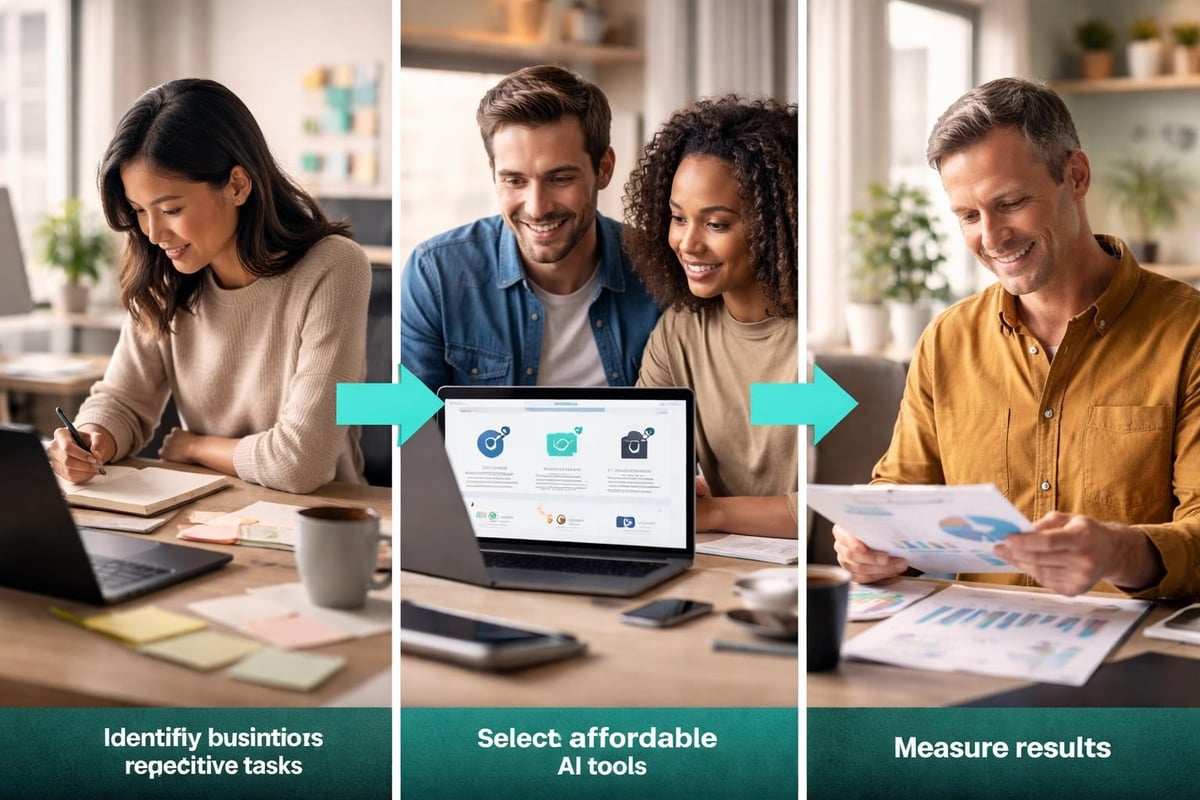
Begin by identifying your biggest time-wasters. For most small businesses, these fall into several categories:
| Time-Waster | AI Solution | Typical Monthly Cost |
|---|---|---|
| Customer enquiries | AI chatbot or email assistant | £20-80 |
| Social media posting | Content scheduling AI | £15-50 |
| Appointment booking | AI scheduling assistant | £10-40 |
| Data entry | Automated form processing | £25-60 |
Notice something? None of these cost more than a decent coffee habit.
Choosing Tools That Match Your Business
When exploring AI for companies your size, focus on tools that solve one problem really well rather than platforms promising to do everything. The benefits of using AI become clear when you implement targeted solutions.
Look for these features:
- Free trial period (at least 14 days)
- Clear pricing with no hidden costs
- Simple setup process described in plain English
- Integration with tools you already use
- Responsive customer support
Your local bakery probably doesn't need the same AI capabilities as an online retailer. That's perfectly fine. The goal is finding what works for your business, not implementing AI because everyone else is doing it.
Practical Applications That Drive Real Results
Let's explore how AI for companies translates into actual business improvements you can measure.
Customer Service Enhancement
Sarah runs a small plumbing business. She was spending hours each week answering basic questions about pricing, availability, and service areas. An AI chatbot now handles these enquiries 24/7, while Sarah focuses on complex customer needs and actual plumbing work. Her response time dropped from hours to seconds, and customer satisfaction improved noticeably.
Inventory and Supply Management
A local hardware shop implemented basic AI forecasting to predict which products would sell during different seasons. The system analyses past sales data and suggests reorder quantities. Stock-outs decreased by 40%, and they're no longer stuck with excess inventory gathering dust.
Getting Started Without Getting Overwhelmed
Understanding AI implementation steps helps you approach this methodically. But remember, you're adapting these principles to small business reality.
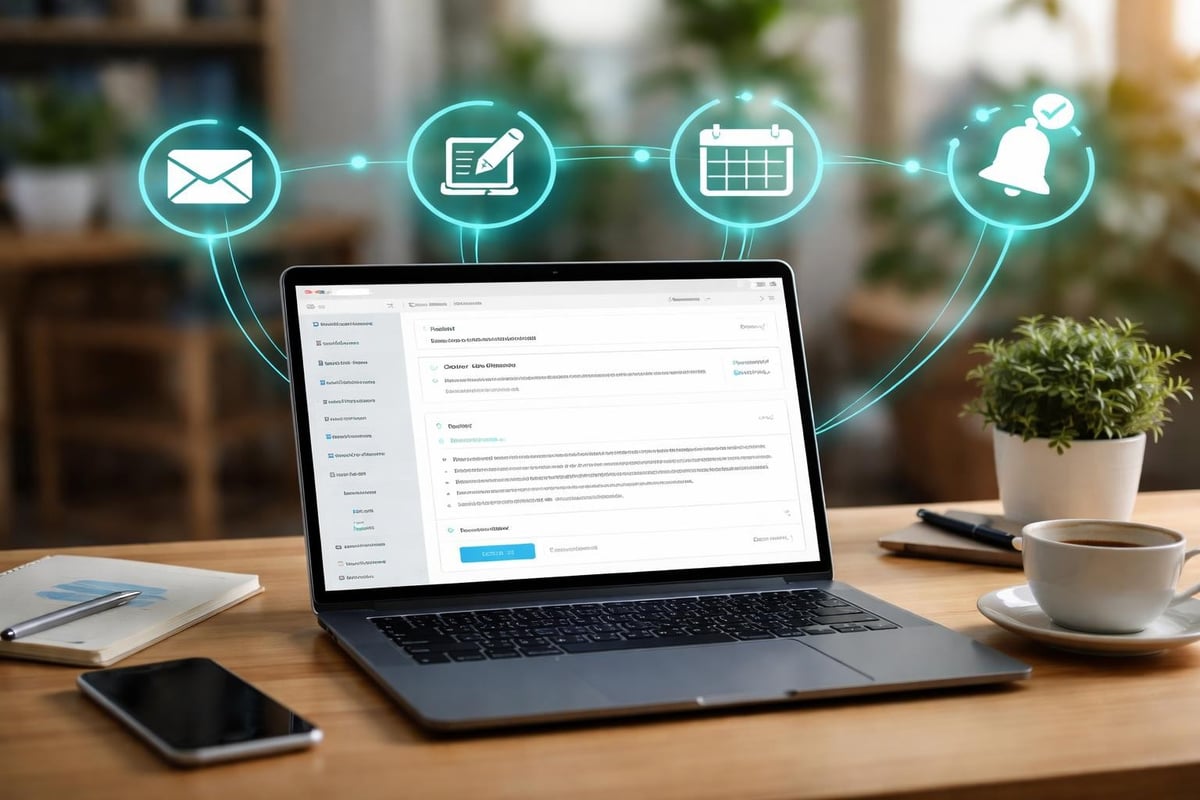
Start with one tool addressing one problem. Master it completely before adding anything else. This approach prevents the overwhelm that causes many businesses to abandon AI for companies altogether.
Many businesses find booking a consultation helpful to identify the right starting point. Sometimes an outside perspective spots opportunities you've missed because you're too close to daily operations.
Avoiding Common Pitfalls
The biggest mistake? Implementing AI for companies without clear goals. "We need AI" isn't a goal. "We need to reduce time spent on email by 5 hours weekly" is specific and measurable.
Watch out for these traps:
- Buying subscriptions you never fully implement
- Choosing complex tools requiring extensive training
- Implementing AI without informing your team
- Expecting overnight transformation
- Neglecting to measure actual results
The importance of prioritising outcomes over complexity cannot be overstated. Your focus should remain on business improvement, not on implementing the fanciest technology.
Measuring Success on Your Terms
How do you know if AI for companies is working for your business? Track metrics that matter to you.
For some businesses, success means saving time. For others, it's improving customer satisfaction or reducing errors. Define what success looks like before implementing any tool.
Real-World Success Metrics
Consider this framework:
- Time saved – How many hours weekly are freed up?
- Error reduction – Are mistakes decreasing?
- Customer response – What's the feedback?
- Revenue impact – Can you serve more customers?
- Team satisfaction – Is work becoming more enjoyable?
You'll find excellent AI case studies showing how businesses similar to yours achieved measurable improvements. These real examples provide realistic expectations about what's possible.
Building AI Capabilities Without Creating Dependency
Here's a concern worth addressing: Will implementing AI for companies make you dependent on technology you don't understand?

Not if you approach it correctly. Choose tools that enhance your capabilities rather than replacing your understanding of your business. The AI should handle repetitive tasks whilst you maintain strategic control.
Think of it like this: using a calculator doesn't make you dependent on technology. It frees you from tedious arithmetic so you can focus on what the numbers mean. AI for companies works the same way when implemented thoughtfully.
Maintain control by:
- Regularly reviewing AI outputs
- Understanding the basics of what your tools do
- Keeping core business knowledge with your team
- Using AI as an assistant, not a replacement
- Having manual backup processes for critical operations
The goal isn't eliminating human involvement. It's eliminating human time spent on tasks that don't require human judgement. There's a significant difference.
Implementing AI for companies, particularly small businesses, has become remarkably practical and affordable in 2026. The key is starting with clear goals, choosing appropriate tools, and measuring real results. If you're ready to explore how AI can enhance your specific business operations without complexity or dependency, AI 4 Small Business specialises in delivering practical, sector-specific solutions tailored to small business realities. We focus on quick implementation of automation tools that enhance your capabilities whilst keeping you firmly in control of your business.