
Running a small business means wearing multiple hats at once. You're the marketing team, accountant, customer service representative, and strategist rolled into one. The benefits of using AI are changing this reality for thousands of small business owners who've discovered they don't need massive budgets or technical expertise to compete effectively. From automating repetitive tasks to understanding customer preferences better, artificial intelligence offers practical solutions that fit real-world constraints.
Time-Saving Automation That Actually Works
The most immediate benefits of using AI show up in how you spend your working hours.
Think about the tasks that consume your day but don't actually grow your business. Sorting through emails, responding to common customer questions, scheduling appointments, or manually entering data into spreadsheets. AI enhances efficiency and productivity by handling these repetitive activities whilst you focus on activities that require your expertise.
Practical automation examples for small businesses:
- Email sorting and priority flagging based on content
- Appointment booking without back-and-forth messages
- Invoice processing and payment reminders
- Social media post scheduling and basic engagement
- Inventory tracking and reorder alerts
Small retailers now use simple AI tools that monitor stock levels and automatically generate purchase orders when items run low. Café owners employ chatbots that answer frequently asked questions about opening hours, menu items, and allergen information. These aren't complex systems requiring computer science degrees to implement.
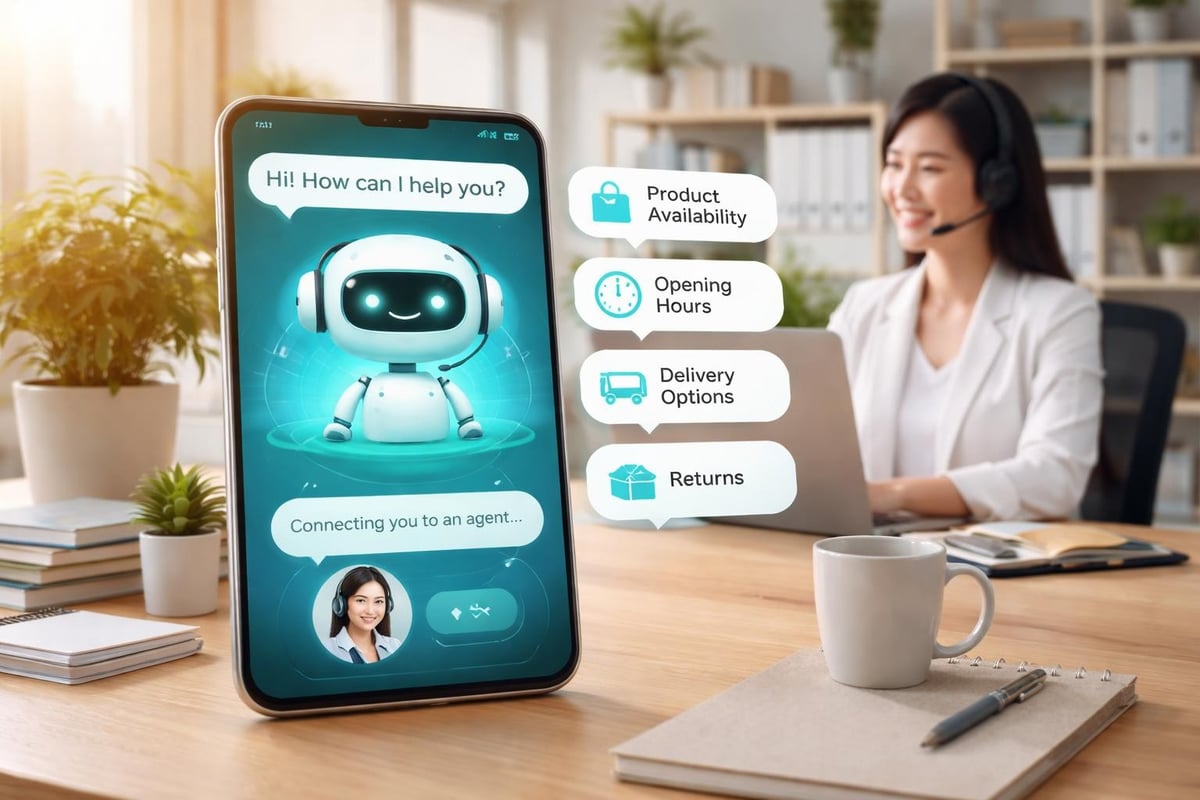
The beauty lies in reclaiming hours each week. One plumbing business owner reported saving six hours weekly just by automating appointment confirmations and follow-up messages. That's six additional hours for actual plumbing work or business development.
Smarter Decisions Through Data Analysis
You collect information constantly without realising it. Sales figures, customer purchase patterns, busy periods, popular products, website visits. The challenge isn't gathering data but understanding what it means.
AI improves decision-making by spotting patterns humans miss. Which products sell together? When do customers typically make purchases? What marketing messages generate actual sales rather than just clicks?
| Decision Area | Without AI | With AI |
|---|---|---|
| Stock ordering | Based on gut feeling | Predicted from seasonal trends and buying patterns |
| Marketing timing | Random posting schedule | Optimised for when your audience engages |
| Pricing strategy | Match competitors | Dynamic based on demand and inventory |
| Staff scheduling | Fixed weekly rota | Adjusted for predicted busy periods |
A local bakery used basic AI analytics to discover their afternoon sales dropped not because of low demand but because popular items sold out by 2pm. Adjusting production schedules based on this insight increased revenue by 18% without additional marketing spend.
Understanding benefits of AI for business doesn't require becoming a data scientist. Simple AI-powered tools translate numbers into actionable recommendations using everyday language.
Predicting What Comes Next
Beyond analysing what happened, AI helps forecast what's likely to happen. Will next month be busier than usual? Should you order extra stock for a particular item? When might equipment need maintenance?
These predictions stem from comparing your current situation with thousands of similar patterns. The technology identifies correlations that inform better preparation and resource allocation.
Enhanced Customer Experiences
Customers expect quick responses and personalised service regardless of business size. Meeting these expectations without AI meant hiring more staff or working longer hours.
AI enhances customer experiences by remembering preferences, providing instant responses, and offering relevant suggestions. When someone visits your website at midnight with a question, an AI assistant can help immediately rather than making them wait until morning.
Ways AI improves customer interactions:
- Instant responses to common enquiries
- Personalised product recommendations based on browsing history
- Automated follow-up messages after purchases
- Proactive notifications about order status
- Tailored email content based on customer interests
A small online clothing retailer implemented AI-powered recommendations that suggest items based on previous purchases and browsing behaviour. Average order values increased by 23% because customers discovered products they genuinely wanted but hadn't found through manual browsing.
The benefits of using AI extend to understanding customer sentiment too. Tools analyse feedback and reviews to identify common complaints or praise points, helping you improve services based on actual customer opinions rather than assumptions.
Cost Reduction Without Cutting Corners
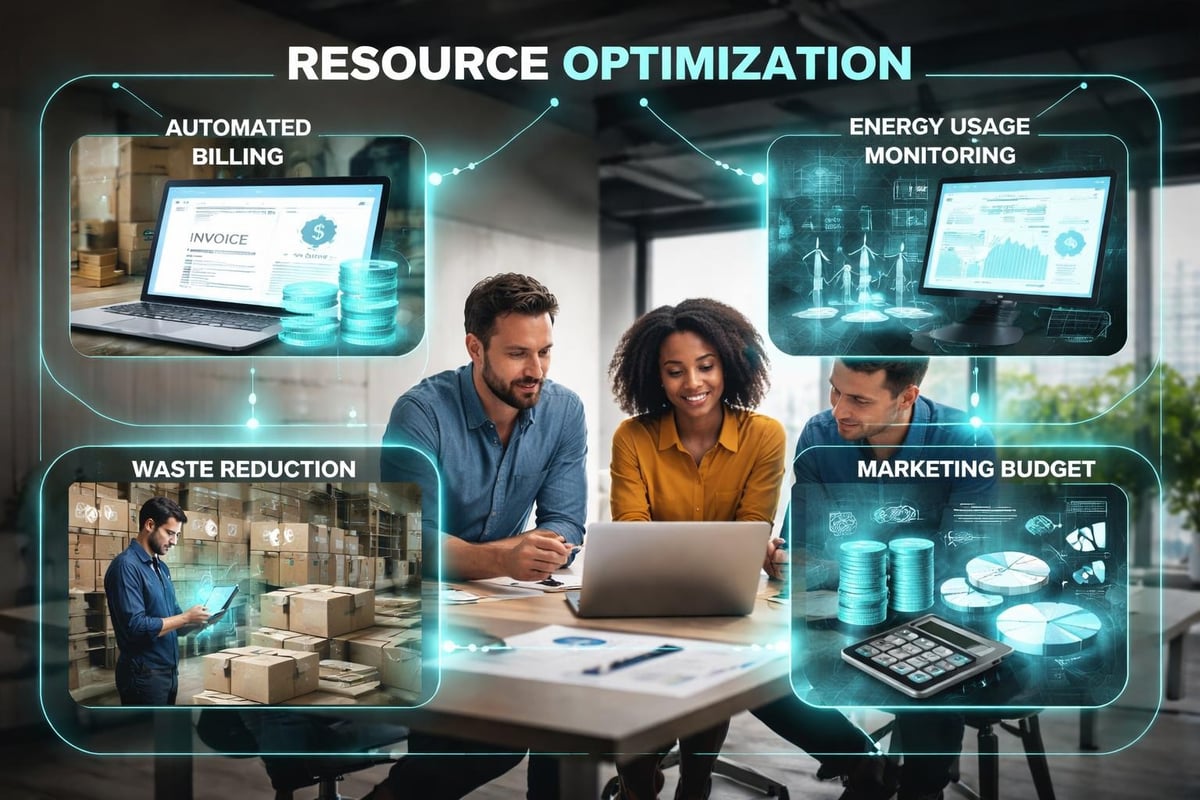
Budget constraints define small business reality. AI contributes to cost savings through efficiency rather than eliminating jobs or reducing quality.
Consider the cost of mistakes. Incorrect invoices, double bookings, stockouts of popular items, or misdirected marketing spend. Each error costs money, time, and sometimes customer relationships. AI dramatically reduces these expensive slip-ups.
One accountancy firm serving small businesses adopted AI for basic bookkeeping tasks. Client fees decreased by 15% whilst the firm's profit margins actually improved because they could serve more clients with the same staff resources. Everyone benefited.
Energy costs matter too. Smart AI systems learn your business patterns and adjust heating, cooling, and lighting accordingly. A small office reduced utility bills by 22% simply by letting AI optimise when systems ran at full capacity versus energy-saving modes.
Affordable Implementation Options
The benefits of using AI don't require five-figure investments anymore. Exploring AI software for small business reveals numerous affordable options with monthly subscriptions comparable to other business software.
Many tools offer free trials or scaled pricing based on business size. You're not locked into long-term contracts or forced to implement everything simultaneously.
Marketing That Actually Reaches People
Traditional marketing felt like shouting into the void. You'd create content, buy advertising, and hope something resonated. AI transforms this guesswork into strategy.
AI fosters innovation in how you reach customers. It analyses which messages work, when people engage, and what content drives actual conversions rather than vanity metrics like likes.
| Marketing Task | Time Without AI | Time With AI | Quality Improvement |
|---|---|---|---|
| Content creation | 4 hours per post | 1 hour per post | More targeted messaging |
| Email campaigns | 3 hours to segment and send | 30 minutes to review and approve | Better open rates |
| Ad targeting | Trial and error across weeks | Optimised within days | Higher conversion rates |
| Performance analysis | 2 hours monthly | 15 minutes weekly | Actionable insights |
A small fitness studio used AI to analyse which social media posts generated actual class bookings versus general engagement. They discovered their transformation stories and exercise tips drove bookings whilst memes and motivational quotes got likes but no conversions. Refocusing content strategy increased new member sign-ups by 31%.
The technology also helps create content faster. AI writing assistants don't replace your voice but help overcome blank page syndrome and generate initial drafts you refine with your expertise.
Competitive Advantages for Smaller Players
Large corporations have used AI for years, creating an apparent disadvantage for smaller operations. That gap has closed dramatically. The same benefits of using AI that power multinational operations now come in packages designed specifically for independent businesses.
You can offer 24/7 customer service like major retailers. Analyse customer data like established brands. Automate workflows like companies with dedicated IT departments. Getting started in AI is more accessible than ever before.
This accessibility creates genuine competitive advantages:
- Faster response times than competitors still handling everything manually
- More personalised service than larger, less agile businesses
- Better resource efficiency enabling competitive pricing
- Data-driven decisions rather than reactive responses
A independent bookshop implemented AI-powered inventory management and recommendation systems. Despite competing with major online retailers, they've grown sales by offering curated suggestions that actually match local customer preferences, combining personal service with technological efficiency.
Improved Employee Experience

If you employ staff, even part-time, AI improves employee experience by eliminating the tedious tasks everyone dreads. Nobody enjoys manually copying information between systems or chasing overdue invoices.
When AI handles routine work, your team focuses on activities that use their skills and judgment. Customer service staff spend time solving complex problems rather than answering the same basic questions repeatedly. Your retail assistants help customers find perfect products instead of constantly restocking shelves.
This shift typically improves job satisfaction and reduces staff turnover, which matters enormously for small businesses where each team member's contribution significantly impacts overall performance.
Flexibility to Scale Up or Down
Business volumes fluctuate. Seasonal peaks, unexpected viral moments, or economic uncertainties all affect how busy you are. The benefits of using AI include scaling capacity without proportionally scaling costs.
During busy periods, AI handles increased customer enquiries, processes more orders, and manages higher data volumes without overtime pay or temporary staff. When things quiet down, you're not stuck with excess capacity.
A small garden centre experiences massive spring rushes and quiet winters. Their AI-powered systems handle five times the customer interactions during March and April compared to December and January, providing consistent service quality without hiring seasonal staff for brief periods.
Reviewing AI use cases by industry reveals how businesses similar to yours implement scalable solutions tailored to specific operational patterns.
Security and Accuracy Benefits
Human error is inevitable. Fatigue, distraction, or simple mistakes lead to incorrect data entry, miscommunications, or overlooked details. AI systems maintain consistent accuracy regardless of time or volume.
This reliability particularly matters for:
- Financial calculations and invoicing
- Data entry and record keeping
- Compliance documentation
- Appointment scheduling
- Inventory tracking
A small medical practice reduced billing errors by 94% after implementing AI-powered invoice generation. This accuracy not only prevented revenue loss but also dramatically improved patient satisfaction by eliminating frustrating billing disputes.
Security improves too. AI systems detect unusual patterns that might indicate fraud, data breaches, or system problems. They flag suspicious transactions, identify potential security vulnerabilities, and alert you to irregularities requiring human investigation.
Practical Next Steps
The benefits of using AI become real when you actually implement solutions suited to your specific situation. Start small rather than attempting comprehensive transformation overnight.
Identify your biggest time drain or most frequent customer complaint. Find one affordable AI tool addressing that specific challenge. Learn how it works, adjust settings to match your needs, and measure results before expanding to other areas.
Many small business owners discover that examining practical AI case studies helps them identify relevant applications they hadn't considered. Real examples from businesses similar to yours demonstrate achievable outcomes rather than theoretical possibilities.
The benefits of using AI for small businesses extend far beyond saving time or cutting costs. They fundamentally change what's possible when you're competing against larger, better-resourced organisations whilst managing limited budgets and wearing multiple operational hats. Whether you're looking to automate customer service, make smarter inventory decisions, or simply reclaim hours each week, AI 4 Small Business delivers practical, sector-specific solutions tailored to your actual needs and budget constraints, helping you implement automation tools quickly without creating dependency or requiring technical expertise.


