Logistics might sound like something only the big players need to worry about, but if you're running a small business that moves products, manages inventory, or coordinates deliveries, you're dealing with logistics every single day. And here's the thing: ai for logistics isn't just for massive warehouses with conveyor belts and robots anymore. In 2026, small businesses are using AI to cut delivery times, reduce fuel costs, and stop inventory headaches before they start. Whether you're a tradie coordinating jobs across town, a retailer managing stock across multiple locations, or an eCommerce business shipping products nationwide, AI can make your logistics smoother without the massive price tag.
Why Small Businesses Are Turning to AI for Logistics
You don't need a fleet of hundreds of vehicles or a warehouse the size of a football pitch to benefit from AI. The reality is that AI in logistics is now accessible through affordable tools that solve everyday problems.
Think about the time you spend:
- Planning delivery routes manually
- Checking stock levels across different locations
- Predicting what you'll need to order next month
- Dealing with last-minute schedule changes
These aren't glamorous tasks, but they're massive time-drains. AI excels at exactly these repetitive, data-heavy jobs that bog down small business owners.
Real-World Applications That Actually Matter
Let's get specific. Here's where ai for logistics makes a tangible difference for smaller operations:
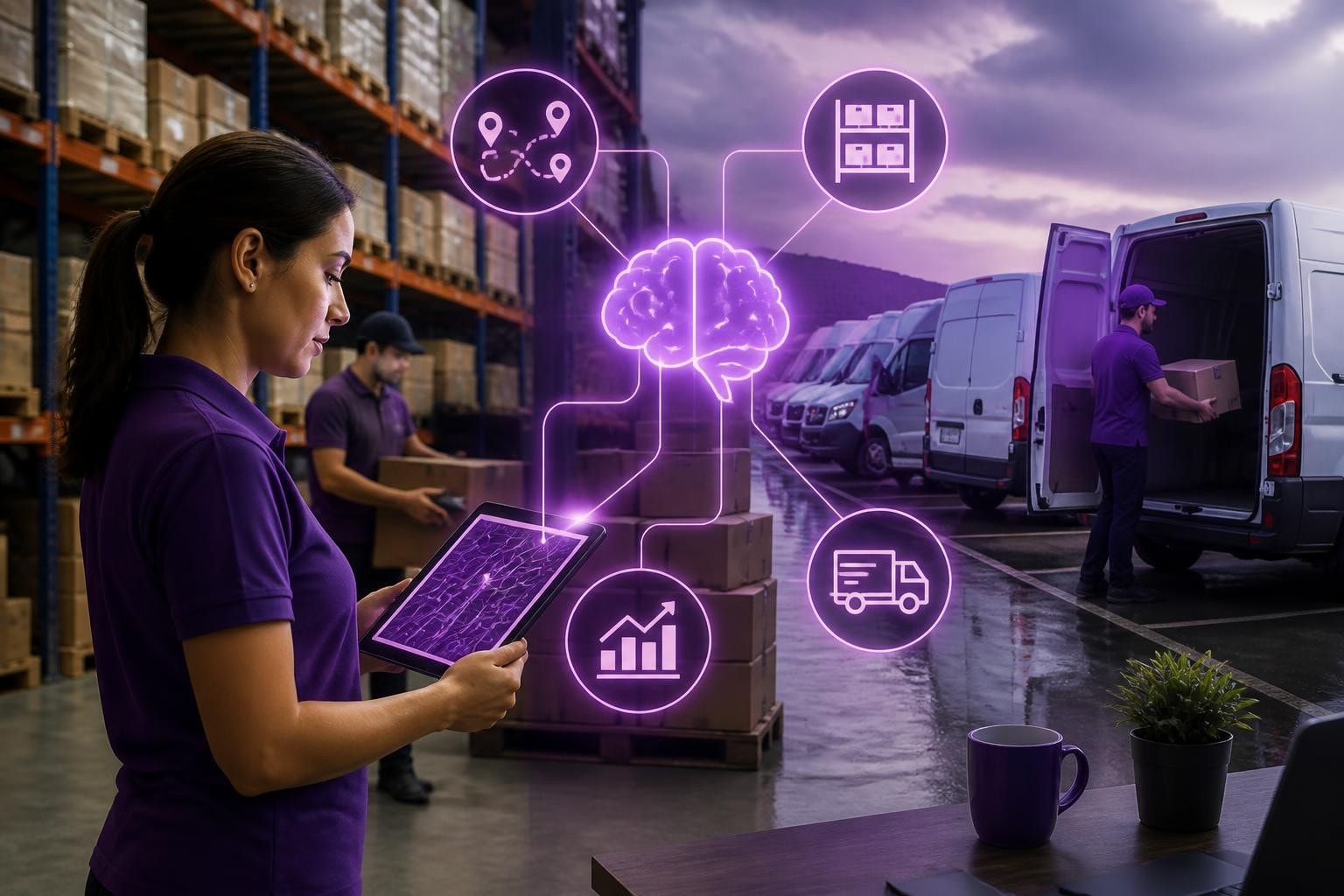
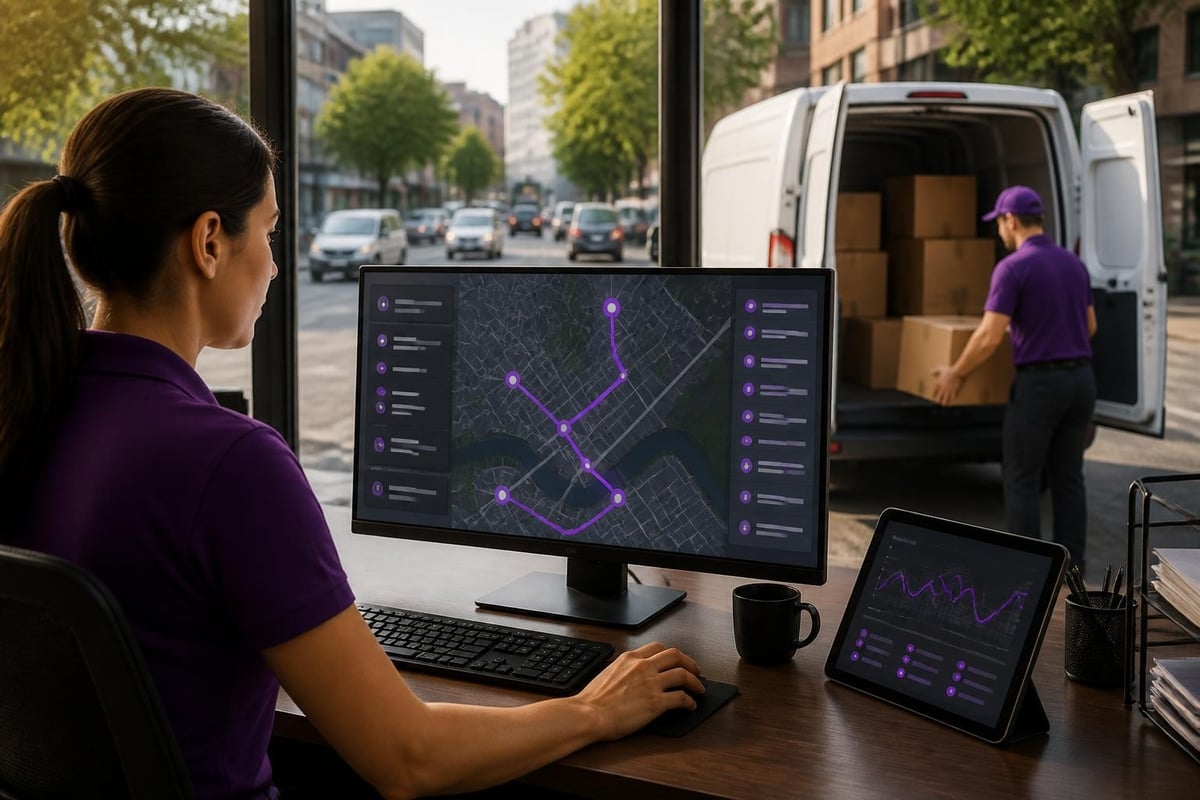
Route Optimization: Instead of guessing the best delivery sequence, AI analyses traffic patterns, delivery windows, and vehicle capacity to create the most efficient routes. For businesses like LTJ Industrial Services, which provides field mechanic services across the Western United States, optimal routing means lower fuel costs and more jobs completed per day.
Inventory Forecasting: AI looks at your sales history, seasonal patterns, and even external factors like weather or local events to predict what you'll need in stock. No more ordering too much (tying up cash) or too little (losing sales).
Demand Planning: Commercial vehicle dealers like Fortis Motor Group can use AI to anticipate which models will be in demand, helping them stock the right mix of work utes, vans, and trucks for Melbourne's tradie market.
Practical AI Tools You Can Actually Use
Forget custom-built systems that cost a fortune. Here are the types of tools small businesses are implementing right now:
| Tool Type | What It Does | Best For |
|---|---|---|
| Route Planning Software | Optimises delivery sequences and reduces fuel costs | Tradespeople, delivery businesses, mobile services |
| Inventory Management Platforms | Predicts stock needs and automates reordering | Retail, eCommerce, wholesalers |
| Demand Forecasting Tools | Analyses patterns to predict future requirements | Product-based businesses, seasonal operations |
| Warehouse Management Systems | Streamlines picking, packing, and stock control | Businesses with physical inventory |
The benefits of AI in logistics include optimized capacity, improved customer experience, and measurable cost reduction-all things that matter when you're watching every pound.
Getting Started Without the Overwhelm
Here's the approach that works: start with your biggest pain point. Don't try to automate everything at once.
Step 1: Identify Your Biggest Time-Drain
Where are you or your team spending hours on manual work? Is it planning routes? Checking stock levels? Chasing suppliers?
Step 2: Look for Simple Solutions First
Many logistics challenges can be solved with existing platforms. You don't need custom AI solutions straight away-start with proven tools that integrate with what you're already using.
Step 3: Test on a Small Scale
Pick one route, one product line, or one warehouse location. Prove the concept works before rolling it out everywhere.
Step 4: Measure the Impact
Track specific metrics: time saved, fuel costs reduced, stockouts avoided. Real numbers justify the investment and show you what's actually working.
The Data Question Everyone Asks
"But I don't have enough data for AI to work, do I?" You'd be surprised. Practical applications of AI in logistics often start with just a few months of historical data. Your invoices, delivery notes, and sales records are already a goldmine of information.
Where AI Makes the Biggest Difference
Let's talk about specific scenarios where ai for logistics delivers measurable results:
For Mobile Service Businesses
Electricians, plumbers, HVAC engineers-anyone running a mobile service faces the daily puzzle of scheduling jobs efficiently. AI can factor in job duration, location, required parts, and even technician skill sets to create optimised schedules. When you're dealing with process workflows that change throughout the day, AI adapts in real-time.
For Product-Based Retailers
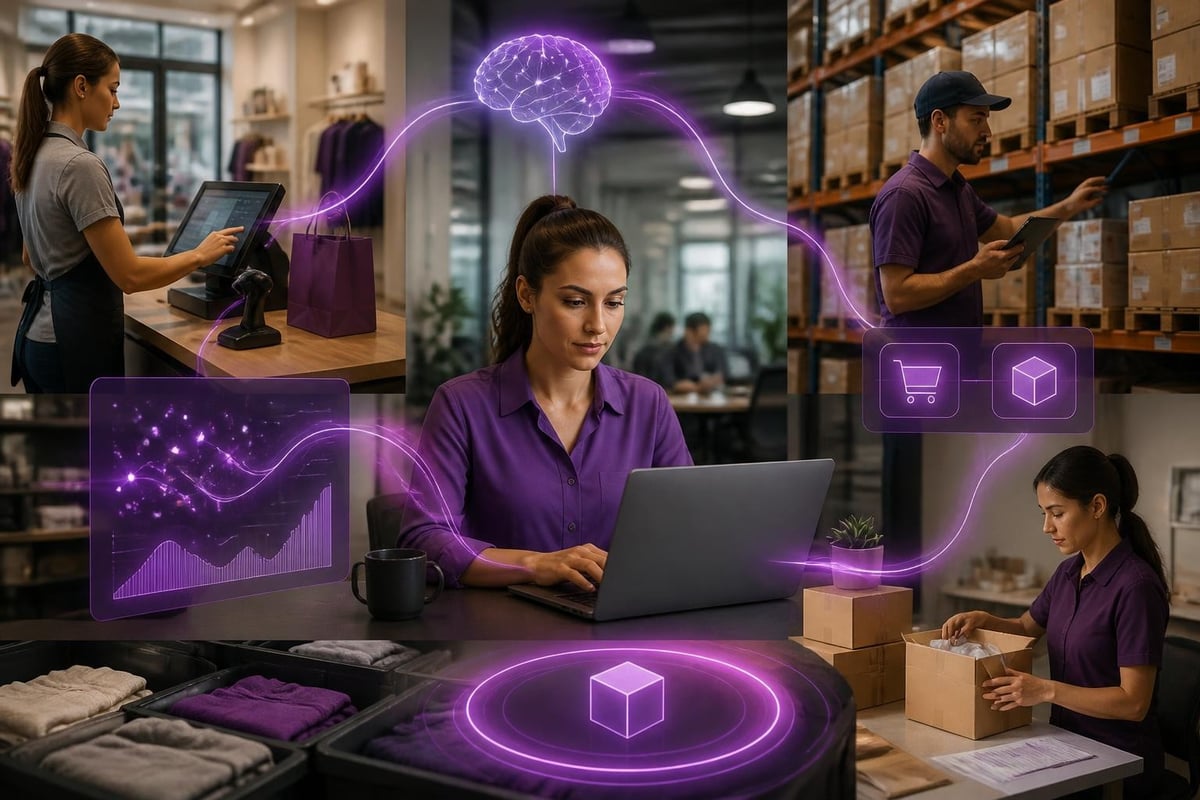
Managing stock across multiple channels (online, physical store, wholesale) gets messy fast. AI tracks everything in one place and predicts when you'll run low before it happens. This is particularly valuable for seasonal businesses where timing is everything.
For eCommerce Operations
Customer expectations around delivery have skyrocketed. AI use cases in 2026 show that businesses using AI for delivery time predictions see higher customer satisfaction and fewer "where's my order?" calls.
For Distribution Businesses
If you're moving products between locations or managing a supply chain, AI helps you spot bottlenecks before they cause delays. AI and distribution work together to keep things flowing smoothly even when demand spikes unexpectedly.
Common Mistakes to Avoid
Mistake #1: Waiting for the "Perfect" Solution
There's no perfect tool. Start with good enough and improve as you go. The businesses seeing results in 2026 are the ones who started experimenting in 2024.
Mistake #2: Ignoring Your Team's Input
Your drivers, warehouse staff, or schedulers know where the problems are. Involve them early-they'll spot issues and opportunities that data alone won't reveal.
Mistake #3: Underestimating Implementation Time
Even simple AI tools need setup, testing, and adjustment. Budget time for this, especially if you're integrating with existing systems.
The Marketing Connection
Here's something interesting: better logistics actually improves your marketing. When you can promise accurate delivery times, handle seasonal rushes without chaos, and never tell customers "sorry, we're out of stock," you're building a reputation for reliability.
Businesses working with experts like Green Mo Marketing Solutions understand that operational excellence and marketing strategy go hand in hand. Your logistics capabilities become a competitive advantage worth shouting about.
Building AI Capability, Not Dependency
The goal isn't to hand everything over to AI and hope for the best. It's about using AI to handle the repetitive, data-heavy tasks so you and your team can focus on judgment calls, customer relationships, and growing the business.
This approach aligns with how successful AI entrepreneurship works-technology amplifies human capability rather than replacing it.
When you're implementing ai for logistics, think about:
- What decisions can AI improve? (Route planning, reorder timing, capacity allocation)
- What decisions still need human judgment? (Special customer requests, supplier relationships, crisis management)
- How can we measure success? (Time saved, costs reduced, errors eliminated)
Making It Happen in Your Business
The logistics challenges you face today-whether it's coordinating service calls, managing inventory, or planning deliveries-won't solve themselves. Traditional methods are hitting their limits as customer expectations rise and margins tighten.
The good news? You don't need a massive budget or technical expertise to start using AI effectively. You need a clear picture of where time and money are leaking from your operations, and you need practical tools that integrate with how you actually work.
Small businesses across trades, retail, and professional services are already seeing the benefits. Lower fuel costs from optimized routes. Fewer stockouts from better forecasting. More jobs completed per day from smarter scheduling. These aren't hypothetical benefits-they're happening right now for businesses that took the first step.
AI for logistics isn't about flashy technology-it's about solving real problems that cost you time and money every day. If you're ready to identify where AI can make the biggest impact in your operations and implement solutions that deliver measurable results, AI 4 Small Business can help you cut through the noise and focus on what actually works for your business. We'll help you build AI capability that drives efficiency without creating dependency, so you can focus on growth instead of admin.