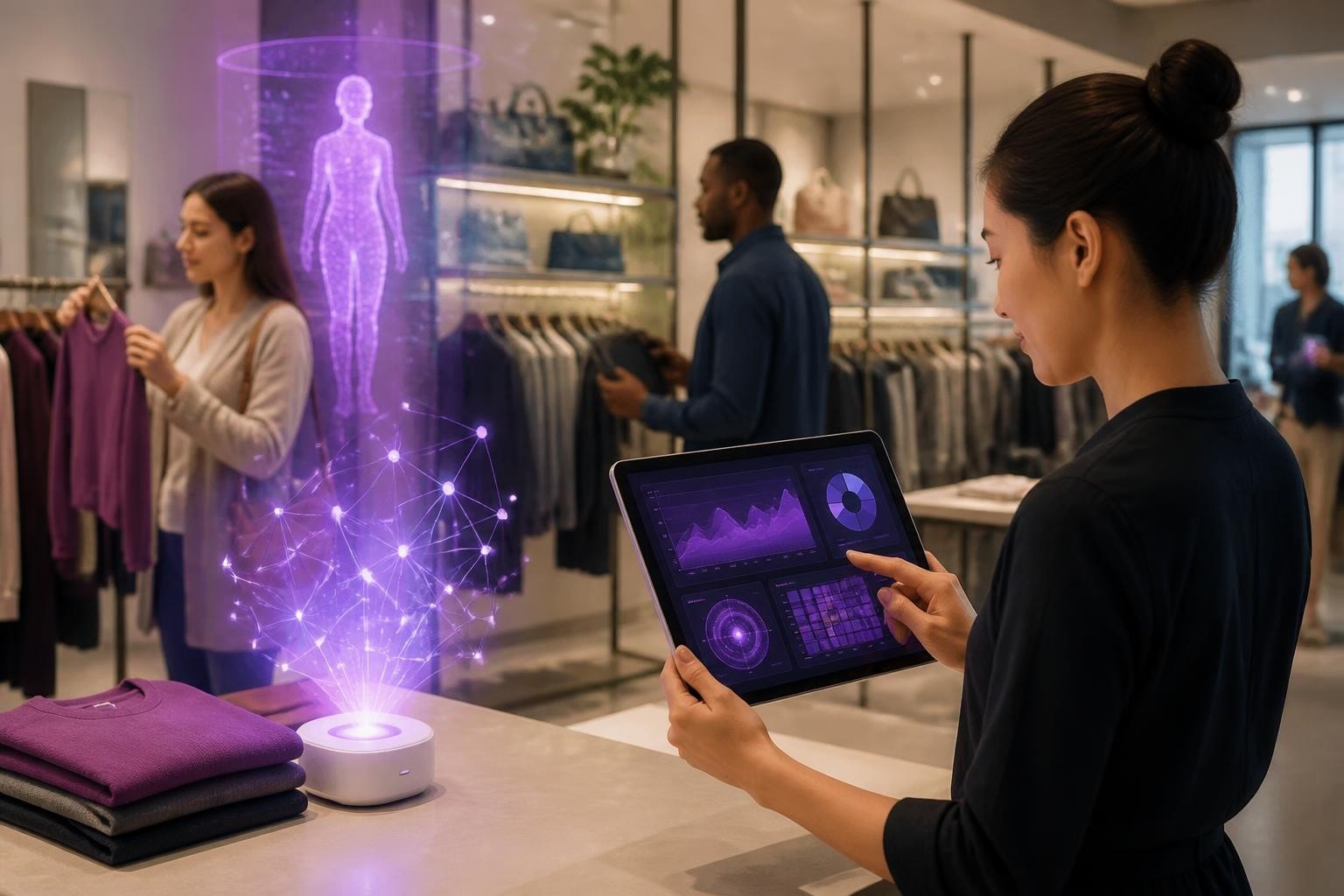
Running a retail store in 2026 means juggling stock levels, pricing decisions, customer expectations, and staffing-all whilst trying to stay profitable. Machine learning for retail stores isn't just for massive chains anymore. It's become accessible, practical, and genuinely useful for smaller businesses looking to compete smarter, not harder. The difference now is that you don't need a data science team or six-figure budgets to see real results.
What Machine Learning Actually Does in Retail
Let's cut through the jargon. Machine learning looks at patterns in your data-sales history, customer behaviour, seasonal trends-and makes predictions that help you make better decisions. It's not magic, it's maths applied to your business challenges.
Research shows machine learning applications in retail address everything from demand forecasting to customer segmentation. For small retailers, the most impactful applications are the ones that solve immediate headaches: knowing what to order, when to mark things down, and which customers need attention.
The Real Problems ML Solves
Here's what actually matters for most retail businesses:
- Predicting what'll sell next week so you're not overstocked or running out
- Understanding which customers are about to stop buying from you
- Setting prices dynamically based on demand, competition, and stock levels
- Optimising staff schedules around predicted footfall
- Spotting theft patterns before they become serious losses

Inventory Management That Actually Works
Stock management is where machine learning for retail stores shows immediate value. Traditional approaches rely on gut feel or simple averages. ML considers dozens of variables simultaneously-weather patterns, local events, social media trends, past promotions.
One independent clothing retailer we know reduced excess stock by 32% within three months using ML-powered demand forecasting. They weren't buying less overall, just buying smarter. The system flagged which sizes and colours would move fastest, preventing those awkward situations where you've got 20 medium blue shirts nobody wants.
| Traditional Inventory | ML-Powered Inventory |
|---|---|
| Based on last year's sales | Considers multiple data sources |
| Monthly or quarterly reviews | Daily predictions and adjustments |
| Same approach for all products | Tailored to each SKU |
| Reactive to stockouts | Proactive prevention |
Several machine learning applications now handle this without requiring technical expertise. The key is feeding them clean, consistent data from your point-of-sale system.
Pricing That Responds to Reality
Dynamic pricing sounds complicated, but it's essentially letting your prices flex based on what's happening right now. Machine learning for retail stores enables this by monitoring competitor prices, your stock levels, and demand signals.
Think about it: why charge the same price for winter coats in November (high demand) as you do in February (desperate to clear space)? ML systems adjust automatically, maximising margin when demand's strong and protecting cash flow when you need to move stock.
How to Start with Dynamic Pricing
- Choose 20-30 products to test with first-not your entire catalogue
- Set boundaries (never below cost, maximum 40% discount, etc.)
- Monitor for two weeks before fully automating
- Review weekly to understand what the system's learning
- Expand gradually to more products as you build confidence
Similar to how workflow applications streamline operations, pricing automation removes daily decision fatigue whilst improving results.
Understanding Your Customers Before They Leave
Customer churn prediction is unglamorous but powerful. Machine learning identifies patterns in purchasing behaviour that signal someone's about to stop shopping with you. Maybe their visit frequency dropped. Perhaps their basket size halved. They stopped opening your emails.
Catching these signals early lets you intervene-a personalised offer, a "we miss you" message, or simply understanding what went wrong. Emerj's analysis of retail ML applications highlights how data-driven customer retention typically costs far less than acquisition.

Personalisation Without Being Creepy
Machine learning for retail stores enables recommendation engines that suggest relevant products without feeling invasive. The best implementations consider:
- Purchase history (what they've bought before)
- Browsing behaviour (what they looked at but didn't buy)
- Similar customers (what people with comparable tastes purchased)
- Seasonal context (recommending BBQ tools in July, not January)
If you've got an eCommerce component, this is straightforward. For physical stores, loyalty card data provides similar insights. Companies like Ryan Cook specialise in building these systems for retailers without requiring massive technical infrastructure.
Stock Loss and Shrinkage Detection
Retail shrinkage costs UK businesses billions annually. Machine learning spots anomalies that humans miss-unusual transaction patterns, inventory discrepancies, refund abuse.
Recent applications of ML in retail include systems that flag transactions for review based on suspicious patterns. A sudden spike in refunds for specific products, sales voided more frequently by certain staff members, or stock disappearing without corresponding sales.
This isn't about not trusting your team. It's about having visibility into patterns that genuinely warrant investigation before losses escalate.
Staffing Optimisation
Paying for staff when your shop's quiet wastes money. Being understaffed during busy periods frustrates customers and loses sales. Machine learning predicts footfall patterns with remarkable accuracy by analysing historical data, local events, weather forecasts, and school holidays.
One café reduced labour costs by 18% whilst improving customer satisfaction scores. They weren't cutting hours-they were redistributing them to when they actually needed people.
| Factor | How ML Uses It |
|---|---|
| Historical footfall | Identifies baseline patterns |
| Weather forecasts | Predicts impact on visits |
| Local events | Adjusts for football matches, concerts |
| Holidays | Plans for school breaks, bank holidays |
| Promotions | Anticipates traffic from marketing |
The approach here mirrors how AI can streamline processes across various business functions-using data to make smarter resource allocation decisions.

Getting Started Without Massive Investment
The barrier to entry for machine learning for retail stores has dropped dramatically. Here's a practical roadmap:
Start with one problem. Don't try to transform everything simultaneously. Pick your biggest headache-usually inventory or pricing-and focus there.
Use your existing data. You don't need fancy sensors or new systems. Your POS system already captures what you need. Export it regularly and feed it into ML tools.
Begin with ready-made tools. Platforms like Shopify, Square, and Lightspeed now include ML features. Itransition outlines various ML use cases that many modern retail systems support natively.
Measure specific outcomes. Don't track "AI adoption." Track stock reduction percentages, margin improvements, or customer retention rates. Results matter, not technology for its own sake.
Similar to how AI implementation in other sectors focuses on measurable outcomes, retail applications should demonstrate clear ROI within weeks, not months.
The Data Quality Challenge
Machine learning is only as good as the data you feed it. Inconsistent product names, missing transaction details, or gaps in your sales history all reduce accuracy.
Spend time cleaning your data before implementing ML. Create consistent naming conventions, ensure your POS captures everything properly, and fix historical errors. It's unglamorous work, but it makes the difference between predictions you can trust and expensive guesswork.
What Not to Expect
Let's be realistic. Machine learning for retail stores won't solve problems caused by poor location, uncompetitive pricing, or bad customer service. It's a tool that amplifies good business practices, not a replacement for them.
You'll still need human judgement. ML might predict that jumpers will sell well next week, but it won't know your supplier just went bust. It can suggest optimal prices, but you decide whether to honour them during a cost-of-living crisis.
The goal isn't replacing yourself with algorithms. It's freeing up your time from repetitive forecasting and analysis so you can focus on strategy, relationships, and growth.
Machine learning for retail stores delivers tangible benefits when applied to specific, measurable problems rather than as a vague technology upgrade. The tools are accessible, the data's already there, and the competitive advantage is real. If you're ready to implement AI that actually works for your retail business-without the complexity or massive investment-AI 4 Small Business helps you identify the right applications, choose practical tools, and build systems that deliver results fast. We focus on implementation, not theory, ensuring you see measurable impact within weeks.