Manufacturing's not what it used to be. Whether you're running a small parts workshop or a mid-sized production facility, AI's changing the game in ways that actually matter to your bottom line. We're not talking about massive factory overhauls or million-pound investments-these are practical ai in manufacturing examples that businesses like yours are using right now to cut costs, reduce waste, and stay competitive.
Quality Control That Never Sleeps
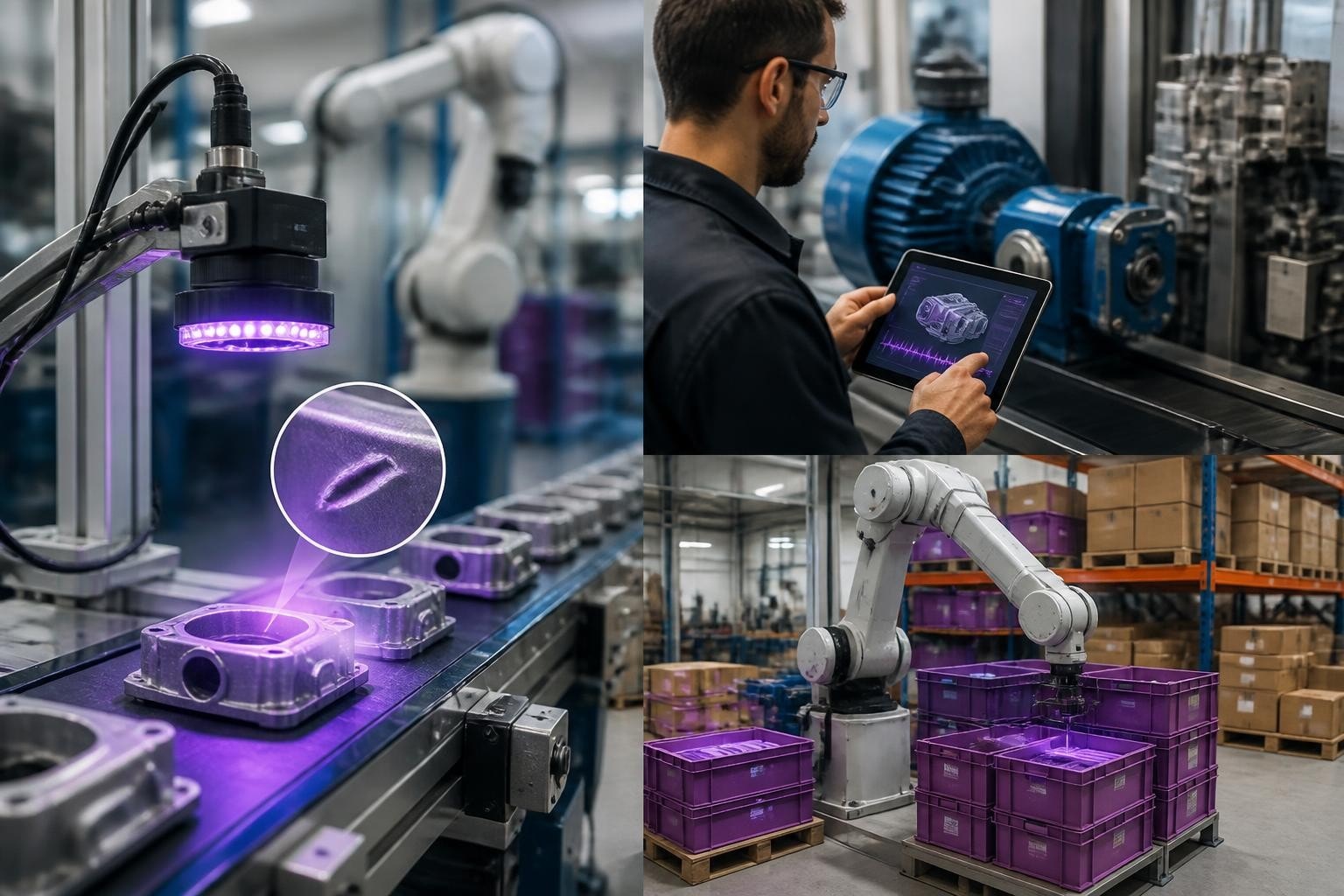
One of the most straightforward ai in manufacturing examples is visual inspection. Traditional quality control means someone manually checking parts, which is slow, expensive, and-let's be honest-a bit hit-and-miss when fatigue kicks in.
AI-powered vision systems can inspect hundreds of products per minute, spotting defects invisible to the human eye. Companies like OTR TIRE THAI, a leading tire manufacturer, could deploy these systems to check for microscopic flaws in tire compounds or tread patterns before they reach customers.
What This Looks Like in Practice
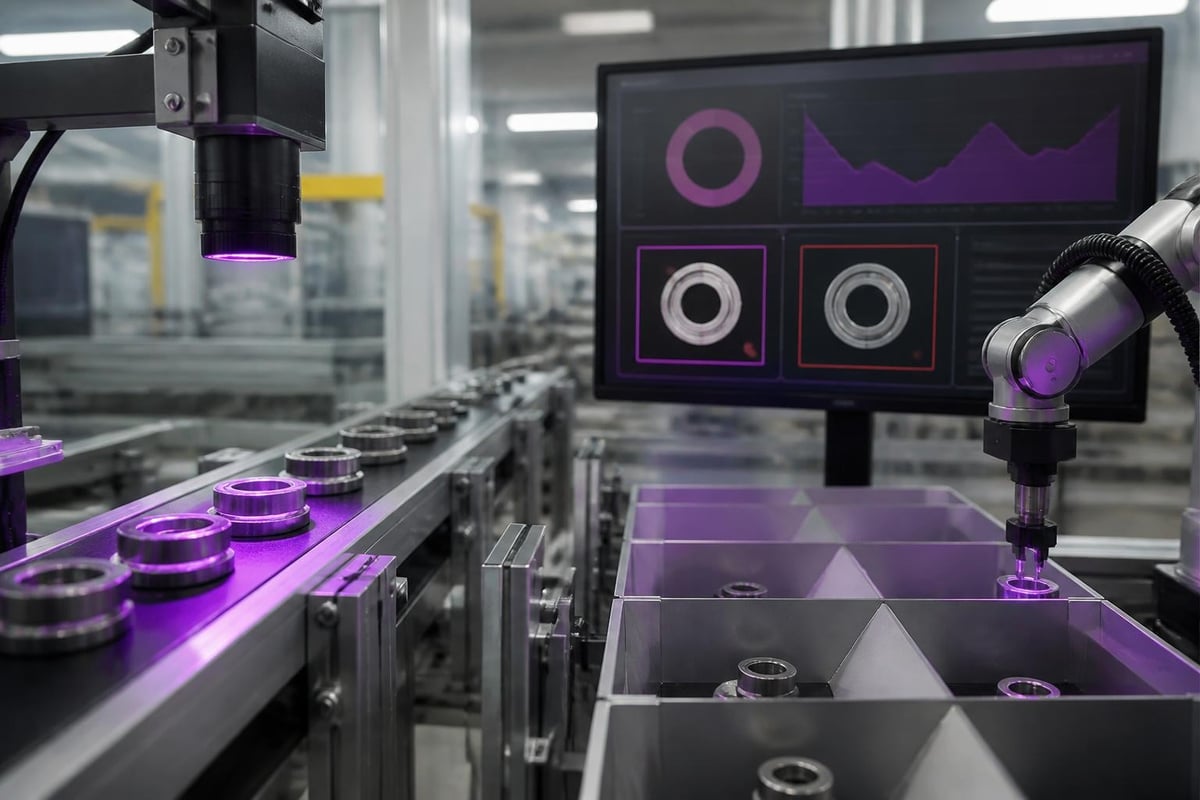
- Camera systems mounted at production line checkpoints
- Real-time defect detection with instant alerts
- Automatic sorting of passed vs. failed items
- Detailed reporting showing defect patterns over time
The beauty of AI in factories is that you're building capability into your operation. Once trained on your specific products, these systems just keep getting better at spotting issues.
Predictive Maintenance Saves Thousands
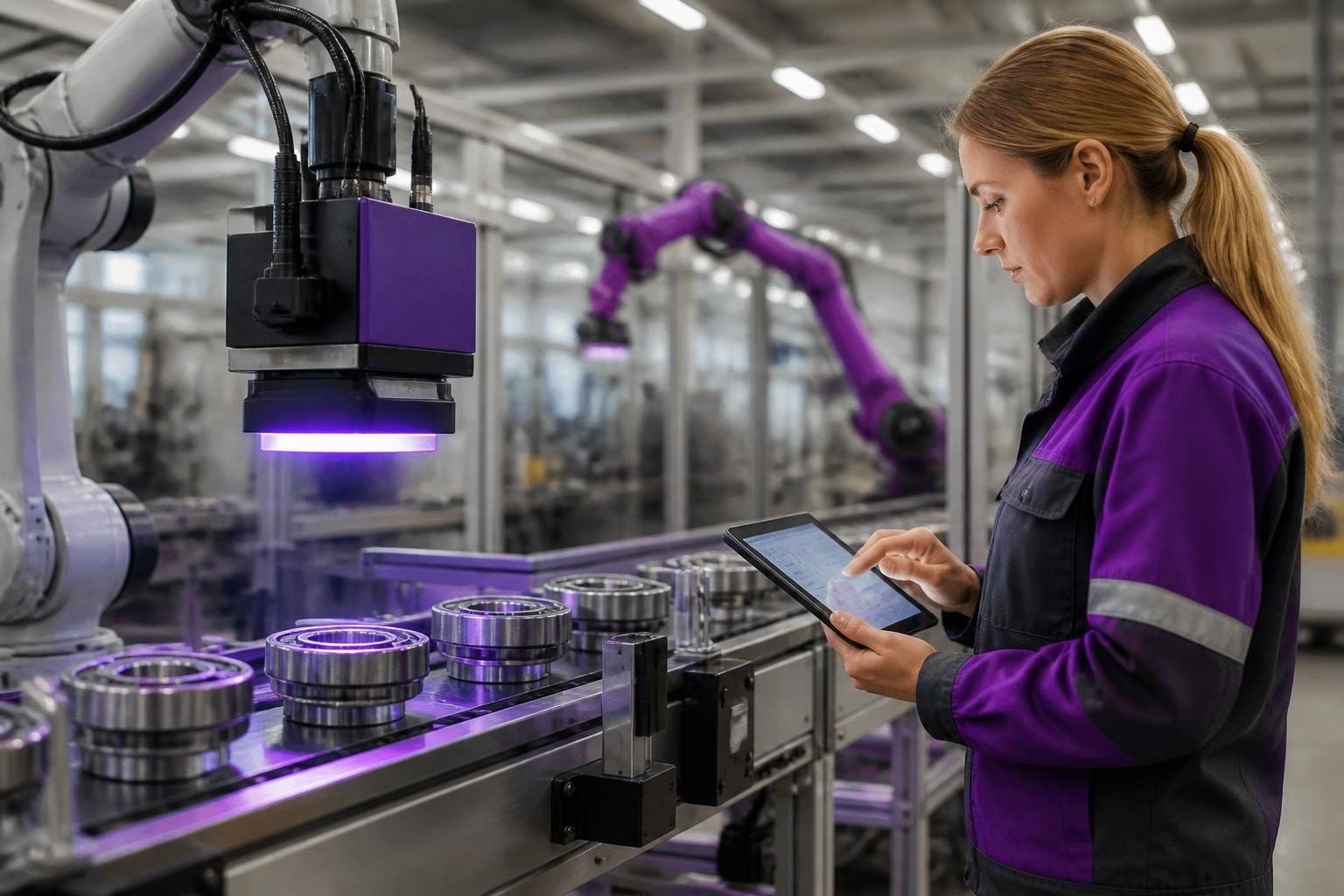
Here's where ai in manufacturing examples get really interesting for your wallet. Instead of fixing machines when they break (expensive, disruptive) or servicing them on a schedule whether they need it or not (wasteful), AI predicts exactly when maintenance is needed.
Sensors monitor vibration, temperature, sound, and performance. Machine learning algorithms spot patterns that signal impending failure-often weeks before it happens. IBM discusses key AI use cases including predictive maintenance that's saving manufacturers significant downtime.
| Traditional Approach | AI-Powered Approach | Impact |
|---|---|---|
| Scheduled maintenance every 3 months | Maintenance when sensors detect wear | 30-40% cost reduction |
| Unexpected breakdowns halt production | Planned interventions during downtimes | 50% less unplanned downtime |
| Replace parts on schedule | Replace only when needed | 25% parts cost savings |
For smaller manufacturers working with companies like Pallet Company Pro, this could mean keeping pallet production lines running smoothly without unnecessary interruptions or costly emergency repairs.
Inventory and Supply Chain Optimization
Running out of materials costs you production time. Holding too much inventory ties up cash. AI finds the sweet spot.
These systems analyze historical data, seasonal patterns, supplier lead times, and current demand to predict exactly what you'll need and when. The Motley Fool explores AI transforming manufacturing with particular focus on supply chain optimization that's delivering measurable results.
Real benefits include:
- Reduced inventory holding costs (typically 20-30%)
- Fewer stockouts and production delays
- Better supplier negotiation with accurate forecasting
- Automated reordering based on actual consumption patterns
This kind of process workflow automation means your team spends less time chasing parts and more time on value-adding activities.
Collaborative Robots (Cobots) on the Factory Floor
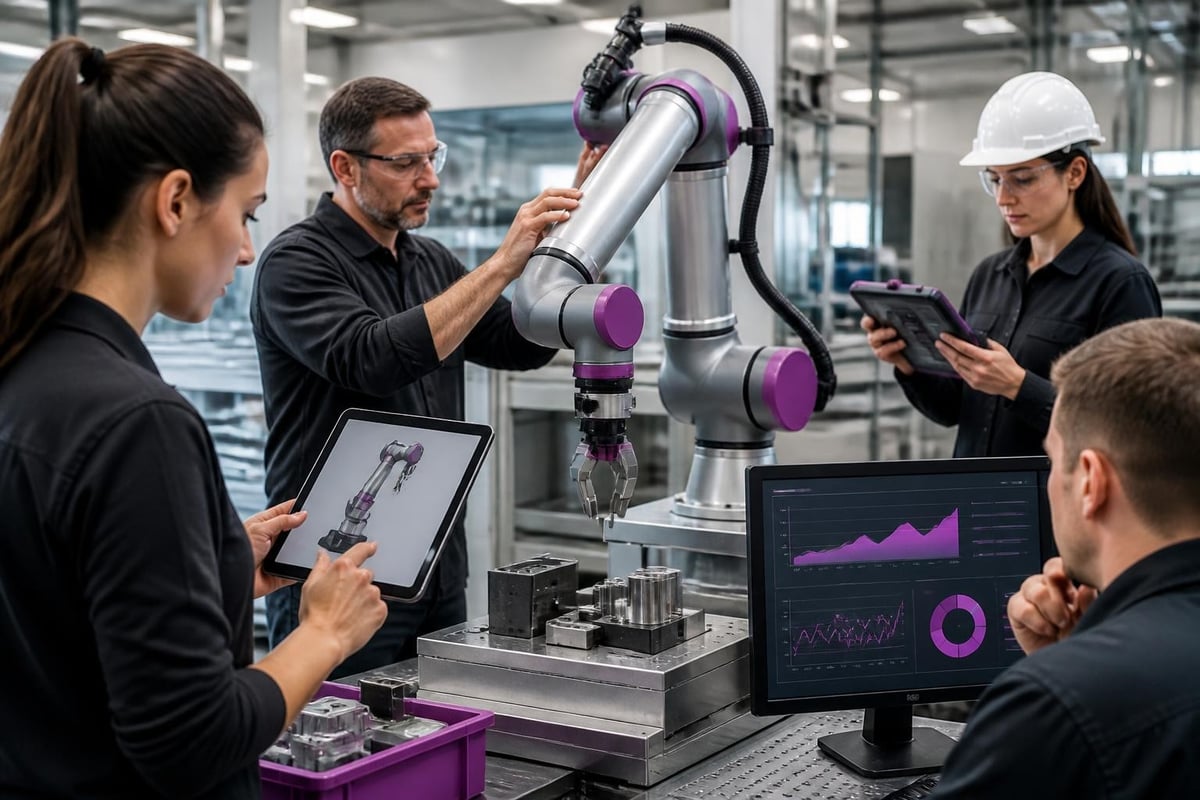
Unlike traditional industrial robots that need safety cages and careful programming, cobots work alongside human workers. They're another practical example of ai in manufacturing examples that small businesses can actually afford and implement.
Cobots handle repetitive, physically demanding tasks-welding, assembly, packaging, material handling-whilst humans focus on problem-solving, quality decisions, and complex work. TechTarget outlines AI use cases including cobots that are transforming shop floors without massive capital investment.
Where Cobots Make Sense
- Packaging and palletizing: Perfect for businesses shipping to distributors
- Assembly operations: Consistent, repeatable tasks
- Machine tending: Loading/unloading CNC machines
- Quality testing: Repetitive measurement tasks
The initial investment's become far more accessible, with entry-level cobots starting around £20,000-a figure that pays for itself through labour savings and increased throughput within 12-18 months.
Energy Consumption and Sustainability
Here's an ai in manufacturing examples that helps your profit and the planet. AI systems monitor energy use across your facility, identifying waste and optimizing consumption without compromising production.
Smart systems learn your production patterns and automatically adjust heating, cooling, compressed air, and machinery to run efficiently. Some manufacturers report 15-25% energy cost reductions within the first year-money that goes straight to your bottom line.
For businesses concerned about cybersecurity in industrial settings, it's worth noting that proper security measures are essential when connecting production systems to AI monitoring tools.
Getting Started Without the Overwhelm
The gap between knowing about ai in manufacturing examples and actually implementing them can feel massive. That's where practical guidance matters.
Start by identifying your biggest pain points:
- Where are defects costing you money? → Vision systems
- Which machine breakdowns hurt most? → Predictive maintenance
- What inventory issues slow you down? → Demand forecasting
- Which repetitive tasks drain productivity? → Cobots or automation
Built In presents 17 examples of AI in manufacturing across different business sizes, showing that you don't need to be a massive corporation to benefit.
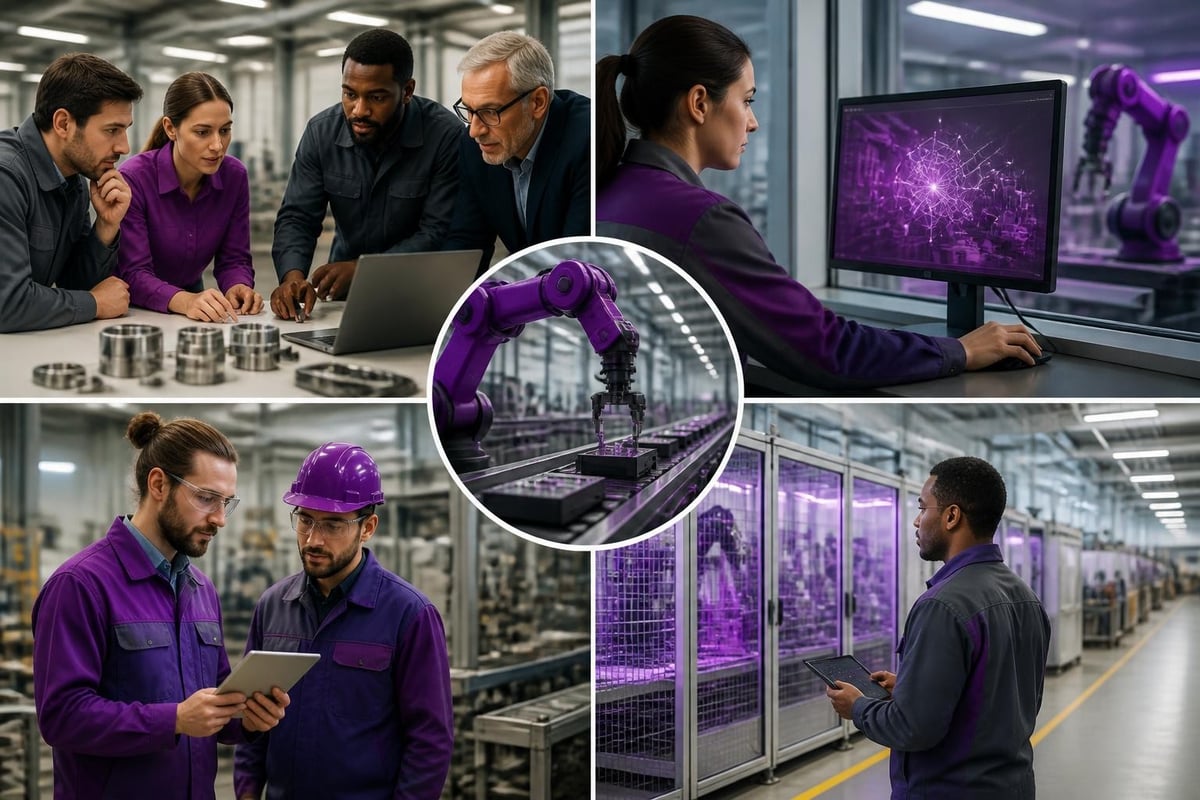
The key is starting small with high-impact applications. Pick one process that's costing you time or money, test an AI solution, measure the results, then expand. Even specialized manufacturers-whether you're producing industrial equipment or running advanced detection systems like Vape Guardian-can benefit from targeted AI implementation.
Beyond the Hype: What Actually Works
We've all heard the big promises about AI. The reality's more modest but also more valuable. Coursera's overview of AI applications emphasizes real-world implementation over theoretical possibilities.
What's working in 2026:
Vision inspection is mature and reliable. Predictive maintenance delivers measurable ROI. Demand forecasting genuinely improves inventory management. Cobots are becoming plug-and-play.
What's still developing: Fully autonomous factories, general-purpose manufacturing AI, completely lights-out production for complex products.
The smart approach? Focus on solving specific problems rather than chasing complete transformation. That's how AI entrepreneurship works in practice-incremental improvements that compound over time.
Training Your Team for AI Integration
Technology's only valuable if people can use it. Every ai in manufacturing examples we've discussed requires some level of staff buy-in and capability building.
The good news: modern AI tools are increasingly user-friendly. Your machinists don't need computer science degrees to work alongside cobots. Your quality team doesn't need to understand neural networks to use vision inspection systems.
What does help:
- Clear communication about why you're implementing AI (efficiency, not replacement)
- Hands-on training with the actual systems they'll use
- Starting with champions who'll help others adapt
- Ongoing support as questions arise
This human element often determines whether AI implementation succeeds or becomes expensive shelfware. Custom AI solutions work best when they're designed with your team's actual workflow in mind.
Manufacturing's changing fast, but the businesses winning aren't necessarily the biggest-they're the ones applying AI to solve real problems efficiently. Whether you're looking at quality control, maintenance, inventory, or automation, the ai in manufacturing examples that matter are the ones that deliver measurable impact without breaking the bank. If you're ready to explore how AI can work in your specific manufacturing context, AI 4 Small Business can help you identify the right opportunities, select practical tools, and implement solutions that actually deliver results-no jargon, no hype, just measurable improvements to your operation.