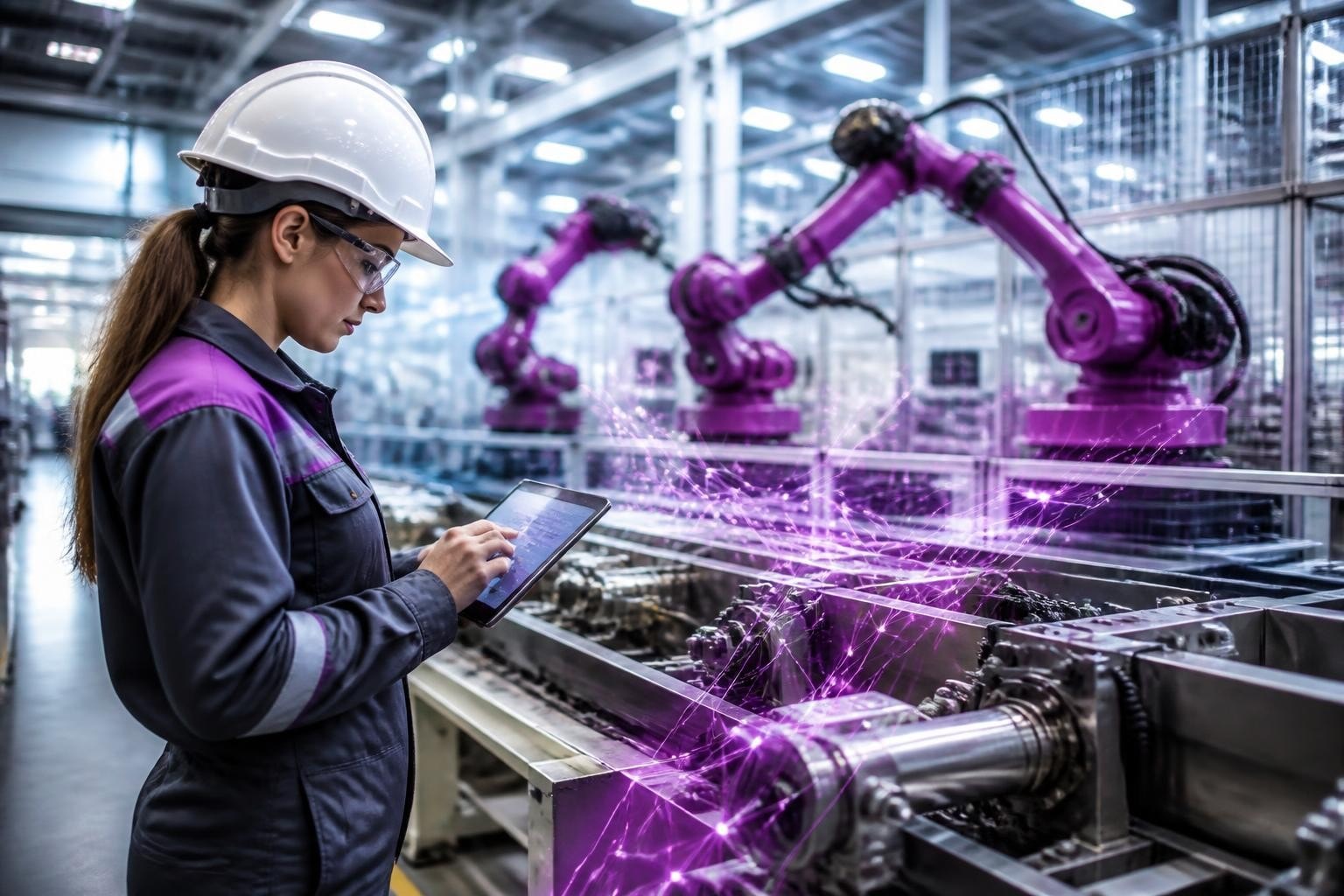
Manufacturing's always been about efficiency, precision, and getting things done right the first time. But here's the thing-what worked brilliantly in 2015 might be costing you serious money in 2026. The ai use cases in manufacturing have evolved from experimental tech to practical tools that smaller manufacturers can actually afford and implement. You don't need a massive budget or a team of data scientists anymore. Let's look at what's genuinely working for manufacturers who've made the jump.
Quality Control That Never Gets Tired
Traditional quality inspection is knackle work. Your team checks thousands of parts, and even the best inspector has off days. AI-powered vision systems don't.
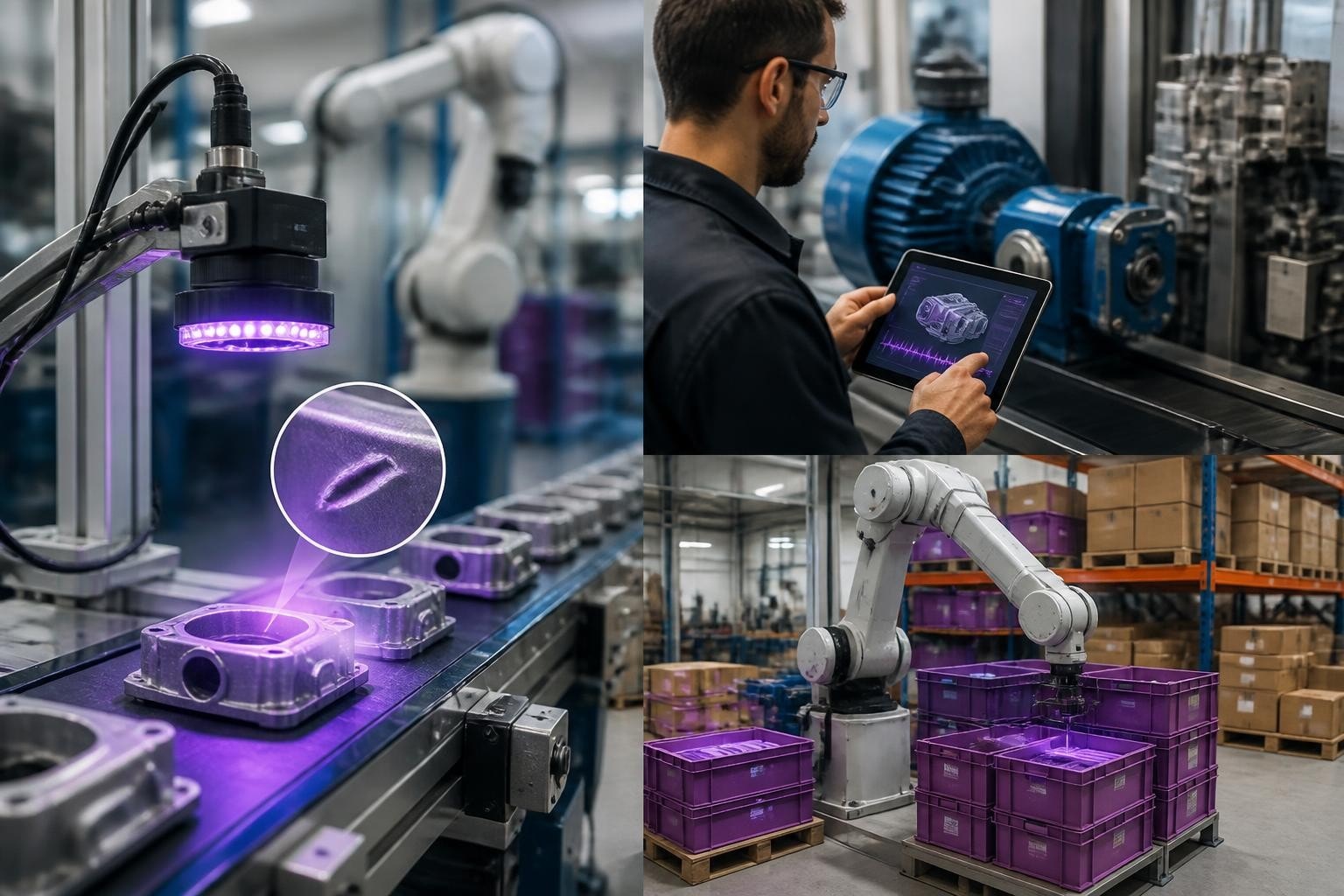
Computer vision applications now catch defects human eyes miss, running 24/7 without breaks. A small precision engineering firm recently implemented a basic vision system that reduced defect rates by 34% in three months. The system flags anomalies in real-time, meaning problems get fixed before you've manufactured 500 faulty units.
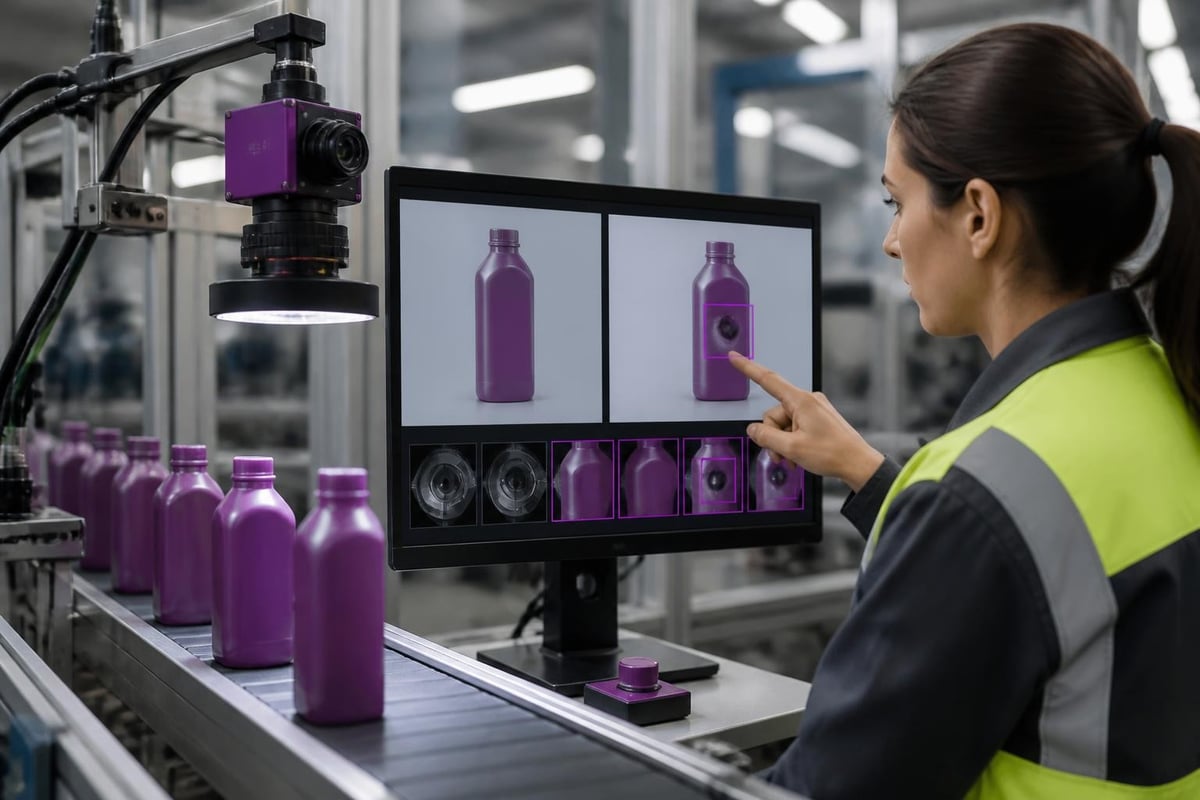
Here's what quality AI actually does:
- Surface defect detection on painted, machined, or printed parts
- Dimensional verification checking measurements against CAD specs
- Assembly validation ensuring all components are present and correctly positioned
- Colour matching for products requiring precise aesthetic consistency
The practical benefit? You're catching issues in minutes, not days. Similar to how AI solutions help other sectors, manufacturing AI doesn't replace your quality team-it makes them incredibly more effective by handling the repetitive scanning whilst they focus on problem-solving.
Setting Up Vision Systems Without Breaking the Bank
You don't need industrial-grade cameras costing tens of thousands. Many manufacturers start with:
- Off-the-shelf cameras paired with cloud-based AI services
- Pre-trained models that you customise with 100-200 images of your products
- Gradual rollout starting with your highest-value or most problematic product line
- Integration with existing systems through simple APIs or webhooks
Predictive Maintenance: Fixing Things Before They Break
This is one of those ai use cases in manufacturing that pays for itself embarrassingly quickly. Traditional maintenance follows a schedule-change the oil every 500 hours, replace bearings annually. But machines don't fail on schedule.
Predictive maintenance uses sensor data and machine learning to spot patterns that indicate impending failures. A temperature rise here, a vibration change there-individually meaningless, but together they're screaming "I'm about to break."
| Traditional Approach | AI-Powered Approach | Real Impact |
|---|---|---|
| Scheduled maintenance every X hours | Maintenance when sensors indicate need | 25-40% reduction in maintenance costs |
| Unexpected breakdowns halt production | Planned interventions during scheduled downtime | 70% fewer unplanned stoppages |
| Replace parts based on age | Replace parts based on actual condition | 30% longer equipment lifespan |
A Midlands-based packaging manufacturer fitted £3,000 worth of vibration sensors to their critical conveyor systems. The AI flagged a bearing issue three weeks before failure. That early warning prevented a breakdown that would've cost £15,000 in lost production and emergency repairs.
Inventory and Supply Chain Optimisation
Running out of raw materials stops production. Overstocking ties up cash in your warehouse. AI finds that sweet spot.
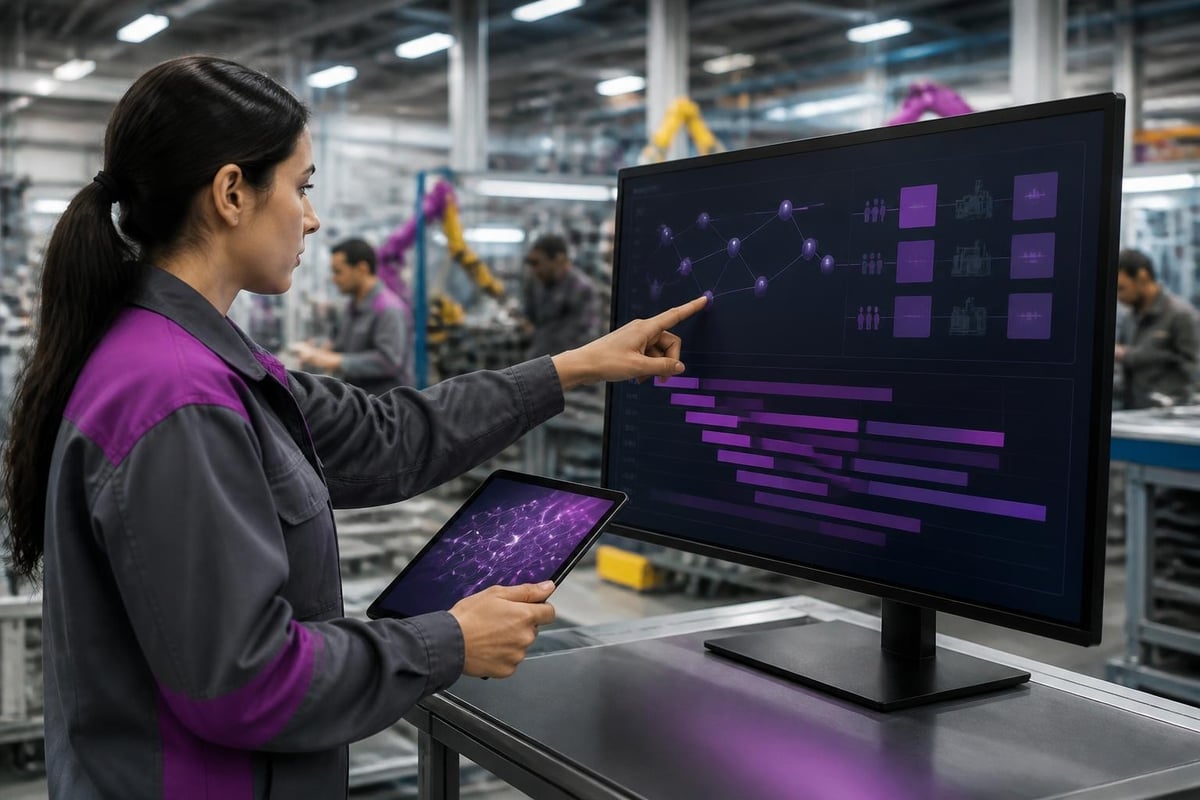
Modern inventory systems analyse your production schedules, supplier lead times, seasonal variations, and even external factors like shipping delays to optimise stock levels. They're brilliant at spotting patterns you'd never notice manually.
Real-world application: A small electronics assembler reduced their inventory carrying costs by 22% whilst improving on-time delivery to 98%. The system learned their production patterns and automatically adjusted reorder points based on actual consumption trends, not historical averages.
For manufacturers managing complex supply chains, these tools integrate naturally with logistics and supply chain AI solutions that track shipments and predict delays before they impact production.
Key Inventory AI Capabilities
- Demand forecasting using historical data and market signals
- Automatic reorder point calculation
- Supplier performance tracking and risk assessment
- Raw material price trend analysis for strategic purchasing
Production Scheduling That Actually Works
If you're managing multiple machines, varying order sizes, and different product types, you know scheduling's a nightmare. Miss one detail and you've got machines sitting idle or bottlenecks backing up the entire line.
AI scheduling systems consider hundreds of variables simultaneously-machine capabilities, setup times, operator skills, material availability, and delivery deadlines. They create optimised production sequences that maximise throughput whilst minimising changeovers.
A furniture manufacturer using AI scheduling increased their daily output by 18% without buying new equipment. The AI simply organised work more intelligently, grouping similar jobs and minimising setup changes.
Process Optimisation and Energy Management
Here's an ai use case in manufacturing that's often overlooked: energy consumption. AI analyses your production data to identify inefficient processes and optimise energy usage.
Concrete examples:
- Identifying machines running idle unnecessarily
- Optimising heating and cooling cycles in ovens and furnaces
- Adjusting compressed air systems to match actual demand
- Scheduling energy-intensive processes during off-peak tariff periods
One small plastics manufacturer reduced energy costs by 16% through AI-driven optimisation, saving over £8,000 annually. The system learned when different machines actually needed full power and when they could run in eco-mode without affecting quality.
Much like how Better-Ion optimises 3D printing processes for precision manufacturing, AI helps traditional manufacturers fine-tune their processes for maximum efficiency.
Workforce Management and Skills Optimisation
The human side of manufacturing matters enormously. AI workforce tools help match the right people to the right tasks based on skills, experience, and current workload.
These systems track:
- Individual productivity patterns to identify optimal task assignments
- Skills gaps that might affect production capability
- Training needs based on quality metrics and error rates
- Staffing requirements predicted from order forecasts
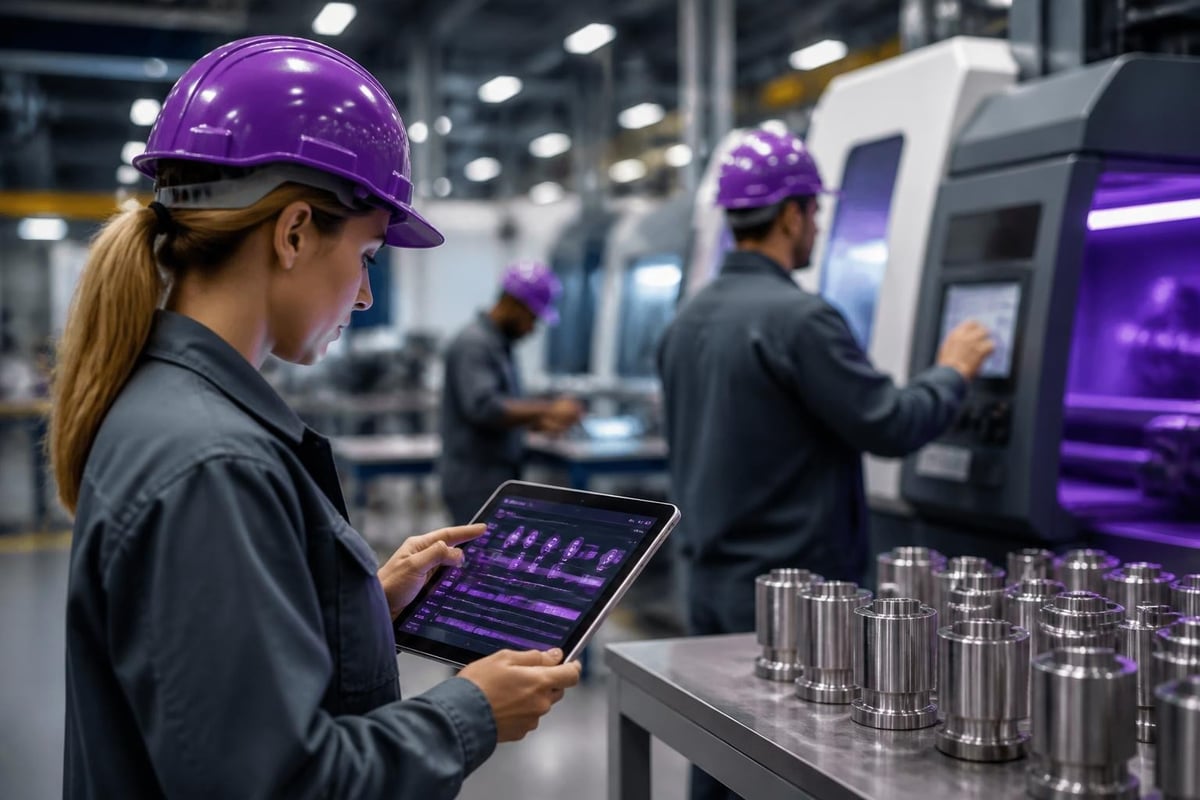
A precision engineering firm implemented simple workforce AI that reduced training time for new operators by 40%. The system identified which experienced operators were best at teaching specific skills and scheduled mentoring sessions automatically.
Automated Documentation and Compliance
Manufacturing generates mountains of paperwork-work orders, quality reports, compliance documentation, batch records. AI handles the boring bits.
Similar to how BPA Bouwplaatsautomatisering streamlines construction document management with Bluebeam software solutions, manufacturing AI can automatically generate, organise, and retrieve documentation.
Practical applications:
- Auto-generating quality certificates from inspection data
- Maintaining traceability records for regulated industries
- Creating compliance reports for audits
- Archiving and retrieving production documentation
This isn't glamorous stuff, but it saves hours weekly and prevents costly compliance errors.
Integration With Existing Systems
You're probably thinking "this all sounds great, but I've already got MES, ERP, and other systems." Fair concern. The good news is modern AI tools are built to integrate, not replace.
Most ai use cases in manufacturing work alongside your current setup through APIs, data exports, or even simple CSV files. You don't need to rip out systems that work-you enhance them with AI capabilities they lack.
The practical approach many manufacturers take:
- Start small with one clear problem (quality issues, scheduling headaches, whatever's costing most)
- Prove the concept with a pilot on one production line or product family
- Measure results rigorously-time saved, defects reduced, costs cut
- Expand gradually once you've proven ROI and built internal confidence
Similar to how AI helps small businesses across sectors without requiring massive system overhauls, manufacturing AI delivers incremental improvements that compound over time.
Getting Started Without the Overwhelm
The biggest barrier isn't technology or cost-it's knowing where to begin. Here's a simple framework:
| Step | Action | Timeline |
|---|---|---|
| 1. Identify pain points | Which processes cost you most time/money? | 1 week |
| 2. Quantify current state | Measure defect rates, downtime, costs | 2 weeks |
| 3. Research solutions | Match AI tools to your specific problems | 2 weeks |
| 4. Run a pilot | Test one application in controlled environment | 4-8 weeks |
| 5. Measure & refine | Compare results against baseline metrics | Ongoing |
You don't need to understand machine learning algorithms or hire data scientists. You need to understand your manufacturing challenges and find AI tools designed to solve them.
Many of these applications work brilliantly for manufacturers of all sizes. Whether you're producing components, assemblies, or finished goods, the core ai use cases in manufacturing apply with minor customisation.
Manufacturing AI isn't about robots replacing workers or futuristic factories-it's about solving today's practical problems with tools that actually work. Whether it's catching defects faster, preventing breakdowns, or scheduling production more intelligently, AI delivers measurable improvements when implemented thoughtfully. If you're ready to explore which ai use cases in manufacturing make sense for your operation, AI 4 Small Business helps manufacturers identify high-impact opportunities and implement solutions that deliver results fast-no jargon, no expensive custom development, just practical AI that works within your business.