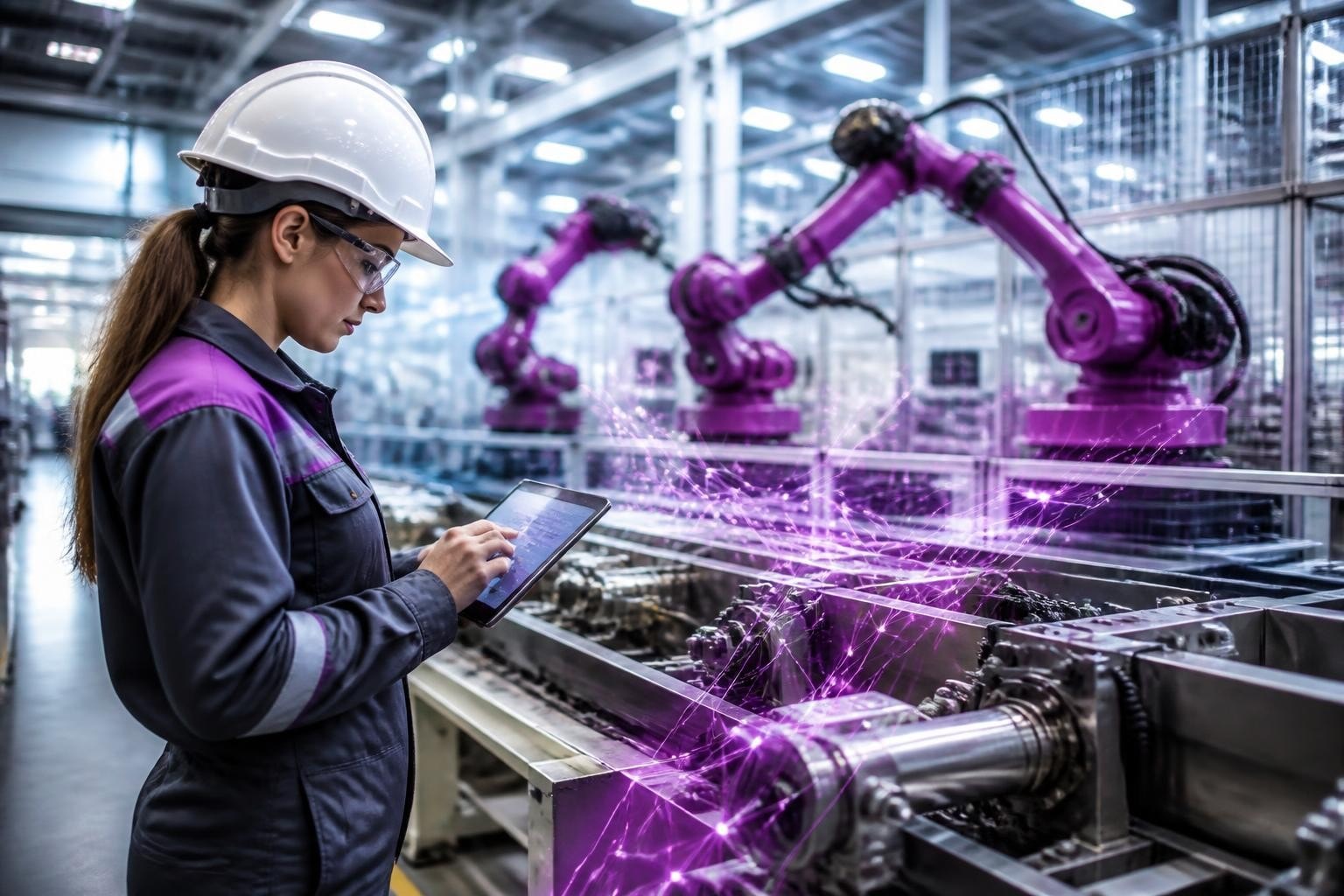
You might think industrial artificial intelligence is only for massive corporations with unlimited budgets and armies of data scientists. That couldn't be further from the truth. Small manufacturers, fabricators, and trades businesses are quietly using AI to solve real problems right now - reducing waste, catching defects early, and keeping machines running when they should. This isn't about replacing your workforce with robots. It's about giving your existing team better tools to spot problems before they become expensive disasters.
What Industrial AI Actually Means for Smaller Businesses
Industrial artificial intelligence refers to AI systems specifically designed for physical production environments - factories, workshops, construction sites, and fabrication facilities. Unlike the chatbots and marketing tools you've probably heard about, this technology works with sensors, machines, and production data to make manufacturing processes smarter.
Here's what makes it different:
- Real-time monitoring of equipment performance and product quality
- Predictive capabilities that spot patterns humans would miss
- Automated decision-making based on actual production conditions
- Integration with existing machinery without complete system overhauls
The exciting bit? You don't need a massive facility to benefit. A small joinery workshop can use vision systems to check timber quality. A local metal fabricator can predict when their CNC machine needs maintenance. Even construction firms are implementing AI to improve project planning and safety monitoring.
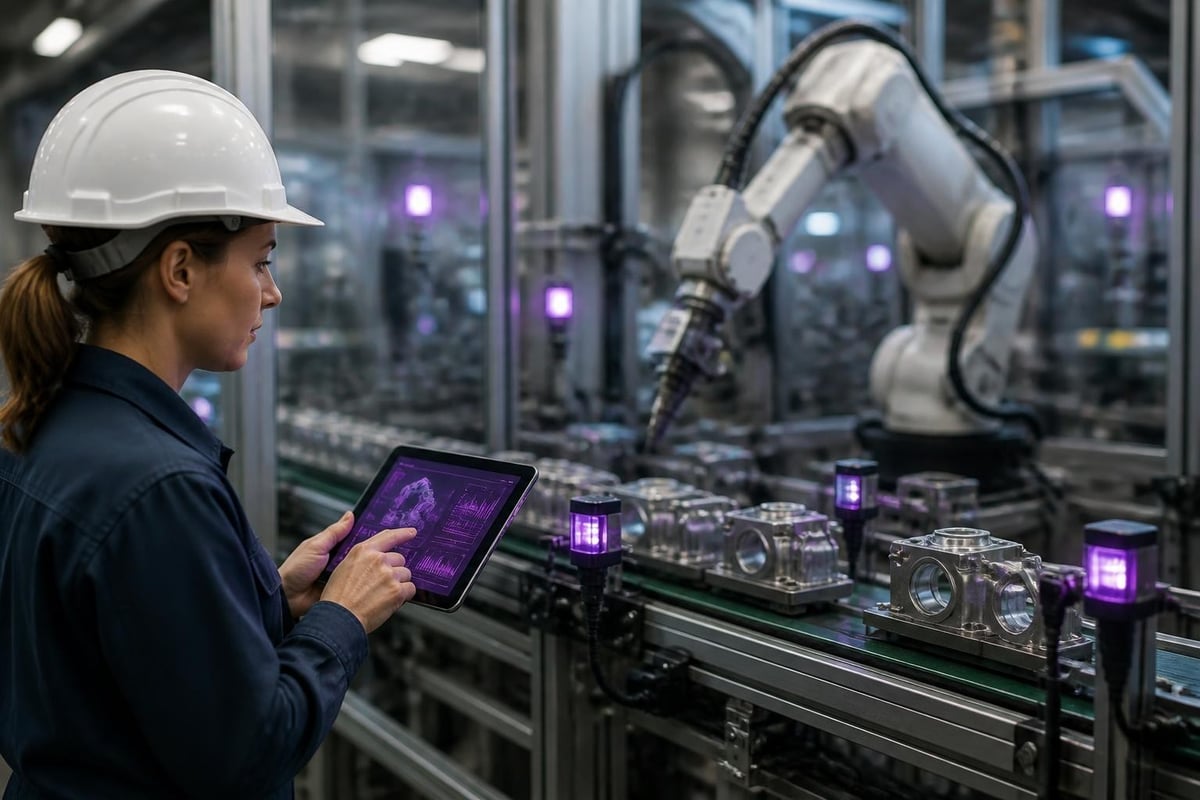
The Three Areas Where Industrial AI Delivers Quick Wins
Quality Control That Never Blinks
Traditional quality inspection relies on human eyes catching defects. We get tired, distracted, and inevitably miss things. Computer vision systems don't have those limitations. They can inspect every single product at production speed, identifying defects smaller than a human could spot.
A small electronics assembler might use cameras to check solder joints. A food packaging operation could verify seal integrity on every package. The technology isn't futuristic - it's available now and increasingly affordable.
| Quality Check Method | Speed | Consistency | Initial Cost |
|---|---|---|---|
| Manual Inspection | Slow | Variable | Low |
| Vision AI System | Fast | 100% Consistent | Medium |
| Random Sampling | Medium | Statistical | Very Low |
Predictive Maintenance That Saves Money
Here's a scenario every manufacturer knows: a critical machine breaks down unexpectedly, halting production for days whilst you wait for parts and repairs. Industrial artificial intelligence changes this game completely.
According to research on AI in manufacturing, predictive maintenance systems analyze vibration patterns, temperature fluctuations, and performance metrics to predict failures before they happen. Instead of reactive repairs or wasteful scheduled maintenance, you fix things exactly when needed.
For small operations, this could mean:
- Installing vibration sensors on critical equipment
- Collecting baseline performance data over a few weeks
- Training simple models to recognize degradation patterns
- Scheduling maintenance during planned downtime
The MIT research on AI adoption highlights that businesses often underestimate implementation challenges, but predictive maintenance remains one of the most accessible entry points for industrial AI.
Process Optimization You Can Measure
Every production environment has inefficiencies. Materials sit idle. Machines run below optimal settings. Workflows create unnecessary bottlenecks. Industrial artificial intelligence excels at finding these hidden costs.
By analyzing production data, AI systems identify patterns that lead to waste or delays. Perhaps your cutting process could reduce material waste by 8% with adjusted parameters. Maybe scheduling changes would reduce machine changeover time by 20 minutes per shift.
These aren't theoretical improvements. They're measurable outcomes that show up in your bottom line within weeks, not years. The approach mirrors what we discuss in our guide on process automation - start with the biggest pain points and measure everything.
Getting Started Without Breaking the Bank
The barrier to entry for industrial artificial intelligence has dropped dramatically. You don't need custom development or six-figure investments anymore.
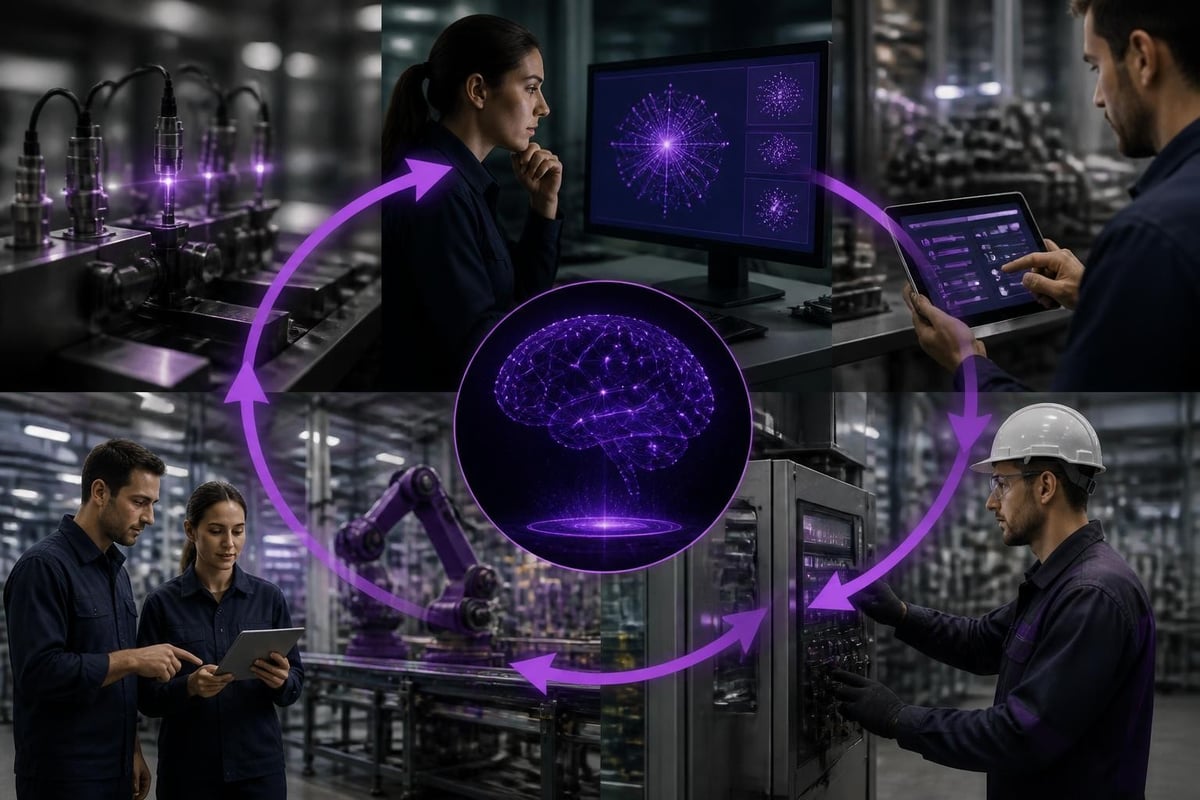
Start with these practical steps:
- Identify your costliest problem - What's causing the most waste, downtime, or rework?
- Measure current performance - You can't improve what you don't measure
- Choose focused solutions - Address one specific issue before expanding
- Pilot before committing - Test systems on a small scale first
- Train your team properly - Technology only works when people understand it
Many businesses we work with already have useful data sitting in their systems - they just haven't applied AI to analyze it. Production logs, quality reports, and maintenance records contain patterns waiting to be discovered.
The World Economic Forum's research emphasizes that successful industrial AI adoption depends more on clear strategy than cutting-edge technology. Understanding your specific business challenges matters more than chasing the latest AI trends.
Common Challenges and How to Overcome Them
Let's be honest about the obstacles. Industrial artificial intelligence implementation isn't always straightforward, especially for smaller operations without dedicated IT teams.
Data quality issues plague many businesses. Your AI system is only as good as the data it learns from. Inconsistent records, missing information, and poor sensor calibration create problems. Start by improving data collection practices before implementing sophisticated AI tools.
Integration headaches occur when connecting modern AI systems to older equipment. This is where the custom AI solutions approach proves valuable - building bridges between legacy systems and new capabilities without requiring complete overhauls.
Skills gaps represent another hurdle. Your production team knows manufacturing inside out but might not understand AI concepts. Similarly, AI specialists often lack practical manufacturing experience. Bridging this gap requires training, patience, and sometimes external guidance from people who understand both worlds.
According to NIST's industrial AI program, establishing proper measurement and evaluation frameworks is crucial. Without clear metrics, you can't determine whether your AI system is actually delivering value or just creating impressive-looking dashboards.
Making AI Work for Your Industrial Business
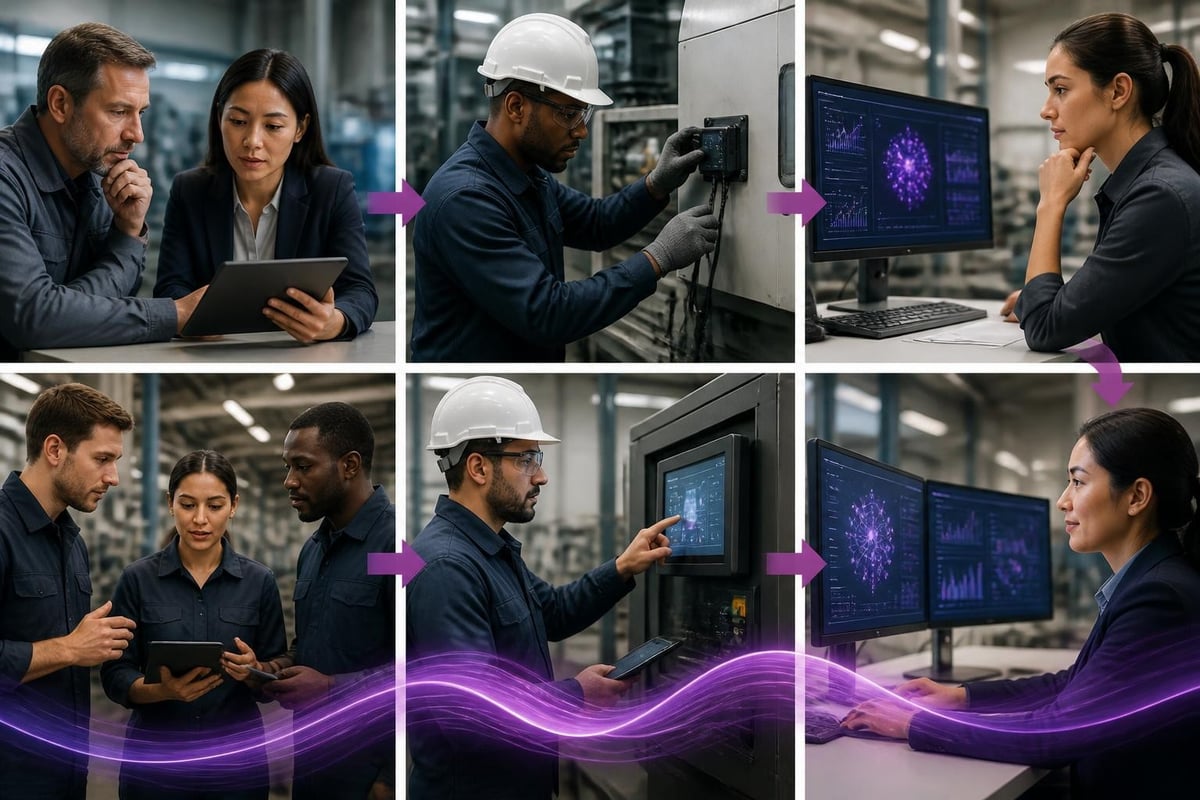
The difference between successful and failed industrial artificial intelligence projects often comes down to expectations and approach. Businesses that succeed treat AI as a tool for solving specific problems, not a magic solution for everything.
Consider what you're already doing manually that could be automated. Are you logging machine settings by hand? Could sensors capture that automatically? Do you track quality issues in spreadsheets? Could vision systems identify defects in real-time instead?
The practical implementation guide we've created helps determine whether DIY approaches work for your situation or whether expert support makes more sense. Sometimes the fastest path forward involves getting help from people who've already navigated these challenges.
For manufacturing applications, start where failure is expensive but predictable. Machines that break down frequently. Processes with high defect rates. Operations where small improvements create significant savings.
Think differently about your production data. Every sensor reading, every quality check, every maintenance record represents potential insight. Industrial artificial intelligence transforms that raw information into actionable intelligence - but only when you apply it strategically to real business problems, not just because the technology sounds impressive.
Industrial artificial intelligence delivers real competitive advantages for small manufacturers willing to start smart and scale gradually. Whether you're reducing waste, improving quality, or preventing costly breakdowns, the technology exists right now to transform your operations - you just need the right approach to implementation. At AI 4 Small Business, we help small manufacturers and trades businesses identify high-impact AI opportunities, select appropriate tools, and build systems that deliver measurable results fast, without the jargon or inflated costs that come with enterprise solutions.