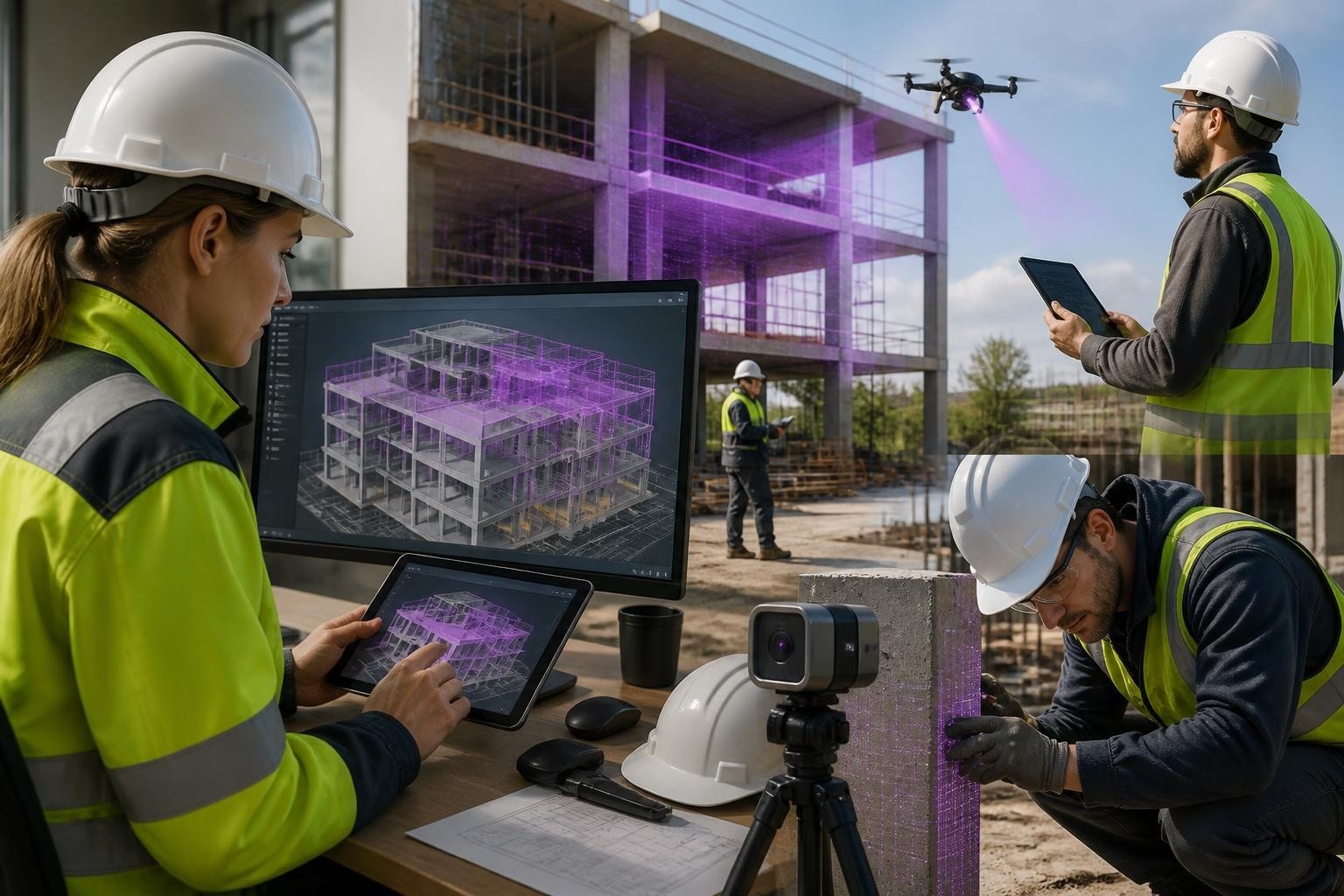
The construction industry might seem like the last place you'd expect to find cutting-edge tech, but artificial intelligence in construction is already changing how small builders operate. We're not talking about replacing your skilled workforce with robots-this is about using smart tools to handle the boring admin, predict problems before they happen, and keep projects running smoothly. For small construction businesses juggling multiple sites, tight margins, and endless paperwork, AI offers a genuine opportunity to work smarter without needing a massive IT budget.
Why Construction Businesses Are Turning to AI Right Now
Let's be honest-construction projects generate mountains of data. Site photos, material orders, schedules, safety reports, timesheets, and client communications pile up fast. Most small builders are drowning in spreadsheets and struggling to keep track of it all.
Artificial intelligence in construction tackles this head-on by:
- Automatically organizing project documentation
- Spotting potential delays before they derail timelines
- Tracking material usage and predicting shortages
- Monitoring safety compliance across multiple sites
- Generating accurate quotes based on historical data
The reality is that businesses are already integrating AI into construction processes, transforming everything from design to safety management. Companies like CDR General Services are seeing how AI-powered workforce solutions can optimize staffing across construction projects, ensuring the right people are on site at the right time.
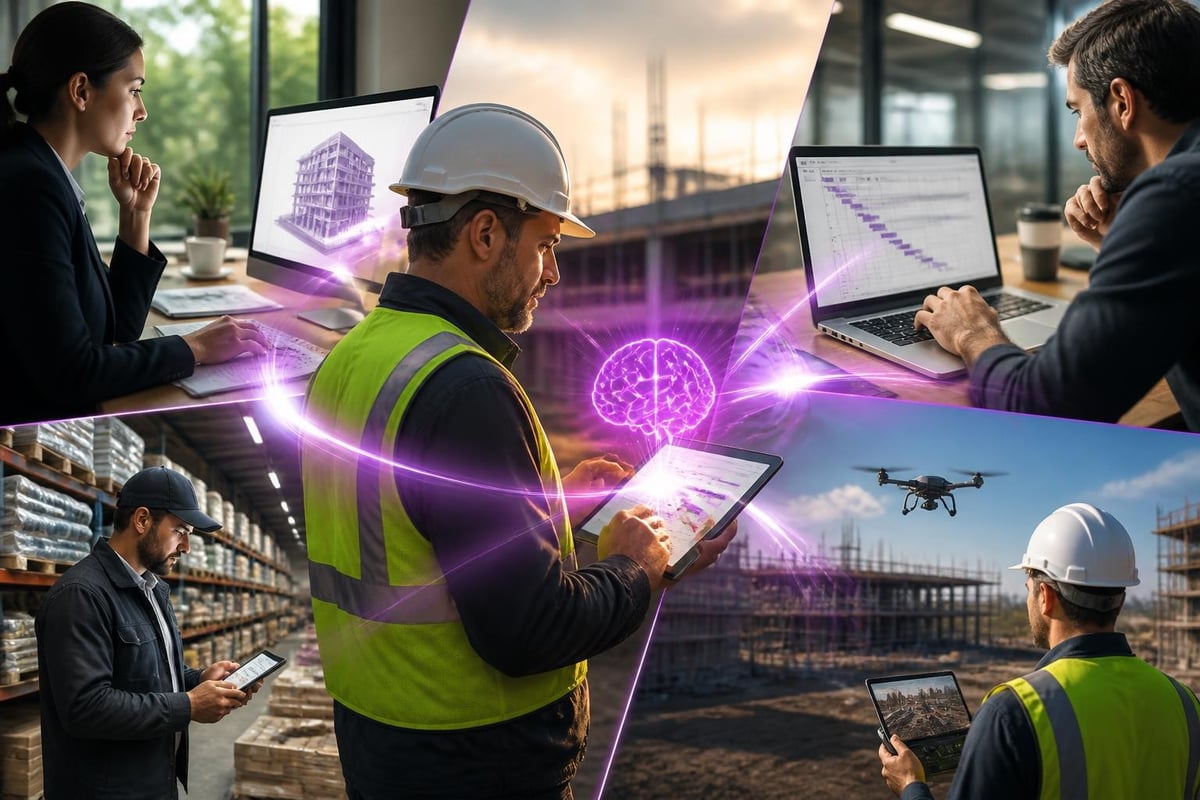
Real Applications That Save Time Today
You don't need fancy software subscriptions to start benefiting from AI. Here's what's actually working for small construction businesses in 2026:
Project estimation and quoting takes forever when you're doing it manually. AI tools can analyze your past projects, factor in current material costs, and generate accurate quotes in minutes instead of hours. This means you can respond to enquiries faster and win more work.
Site safety monitoring is another game-changer. AI-powered jobsite intelligence analyzes footage from standard security cameras to spot safety violations in real-time. Hard hat not worn? Unsafe scaffolding setup? The system flags it immediately, helping you avoid accidents and the paperwork nightmare that follows.
Similar to how AI is transforming recruitment, construction businesses can automate candidate screening for skilled trades positions, matching qualifications and certifications automatically.
Automating the Admin That Drags You Down
Small construction businesses waste shocking amounts of time on administrative tasks. Site reports, progress updates, invoice chasing, variation orders-it never stops.
Here's where artificial intelligence in construction delivers immediate value:
| Task | Traditional Method | AI-Powered Approach | Time Saved |
|---|---|---|---|
| Daily site reports | Manual notes, typed up later | Voice-to-text AI automatically formats and files | 30 mins/day |
| Progress tracking | Photo review, manual updates | Computer vision analyzes photos, updates schedule | 2 hours/week |
| Invoice processing | Manual data entry, chasing | AI extracts data, matches POs, flags issues | 4 hours/week |
| Safety documentation | Paper forms, manual filing | Digital forms with AI compliance checking | 3 hours/week |
Companies providing services similar to Best Roofing & Siding can use AI to streamline client communications, automatically sending project updates and responding to common enquiries without manual intervention.
Building Smarter Schedules
Project delays cost money-lots of it. Weather, material shortages, subcontractor availability, and unexpected site conditions all throw spanners in the works.
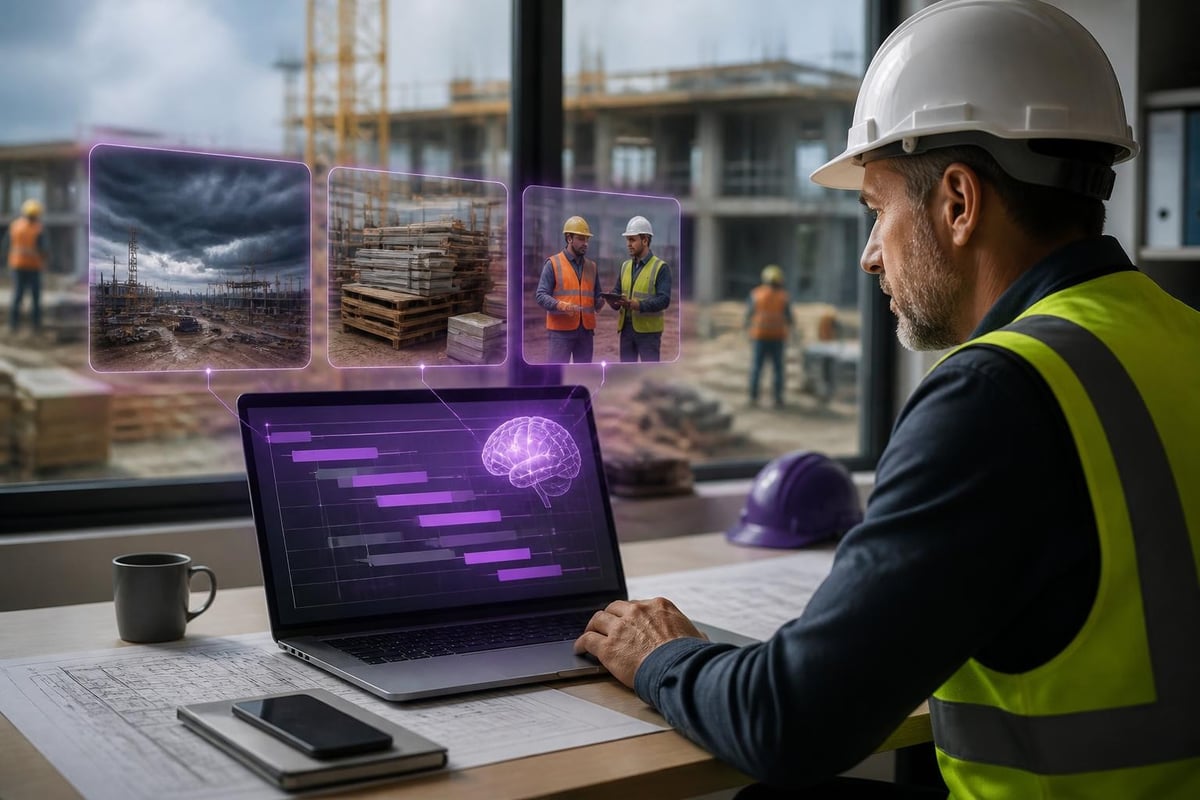
AI scheduling tools analyze weather forecasts, supplier lead times, and historical project data to predict problems weeks in advance. They'll suggest rescheduling concrete pours before the rain arrives or flagging potential material delays so you can order early.
This isn't science fiction. Microsoft's overview of AI in construction shows how accessible these tools have become for businesses of all sizes.
Material Management and Cost Control
Ordering too much material eats into your margins. Ordering too little causes delays and emergency purchases at premium prices. Most small builders rely on gut feeling and past experience, but artificial intelligence in construction offers a better way.
Predictive inventory management tracks material usage across your projects, learns your patterns, and suggests optimal order quantities. It factors in supplier lead times, current pricing, and upcoming project needs.
The financial impact is real:
- Reduced material waste (typically 10-15% savings)
- Fewer emergency orders at inflated prices
- Better cash flow from optimized purchasing
- Accurate job costing for future estimates
Firms like ZALIG Consulting working on construction projects can integrate AI-powered materials testing data directly into project management systems, ensuring quality control information flows automatically to relevant stakeholders.
Quality Control Through Computer Vision
Walk any construction site and you'll spot issues-poor finishing, incorrect installations, missed details. Catching these early saves massive amounts of rework.
Computer vision AI can analyze site photos to identify quality issues automatically. It compares actual work against plans and specifications, flagging discrepancies for your attention. This is particularly valuable when you're managing multiple sites and can't physically inspect everything daily.
Just as AI is improving quality control in manufacturing, the same principles apply to construction-automated visual inspection catches problems faster and more consistently than manual checks.
Getting Started Without Breaking the Bank
The good news? You don't need a six-figure investment to start using artificial intelligence in construction. Most small builders can begin with targeted solutions that address specific pain points.
Start with one clear problem:
- Identify your biggest time-waster (likely admin, scheduling, or quotes)
- Look for AI tools specifically built for that problem
- Test with a single project before rolling out widely
- Measure the actual time saved-not what the vendor promises
- Expand gradually once you've proven ROI
Many construction businesses start with AI assistants for business to handle routine enquiries and appointment scheduling. This frees up your office staff to focus on higher-value tasks.
Building AI Capability in Your Team
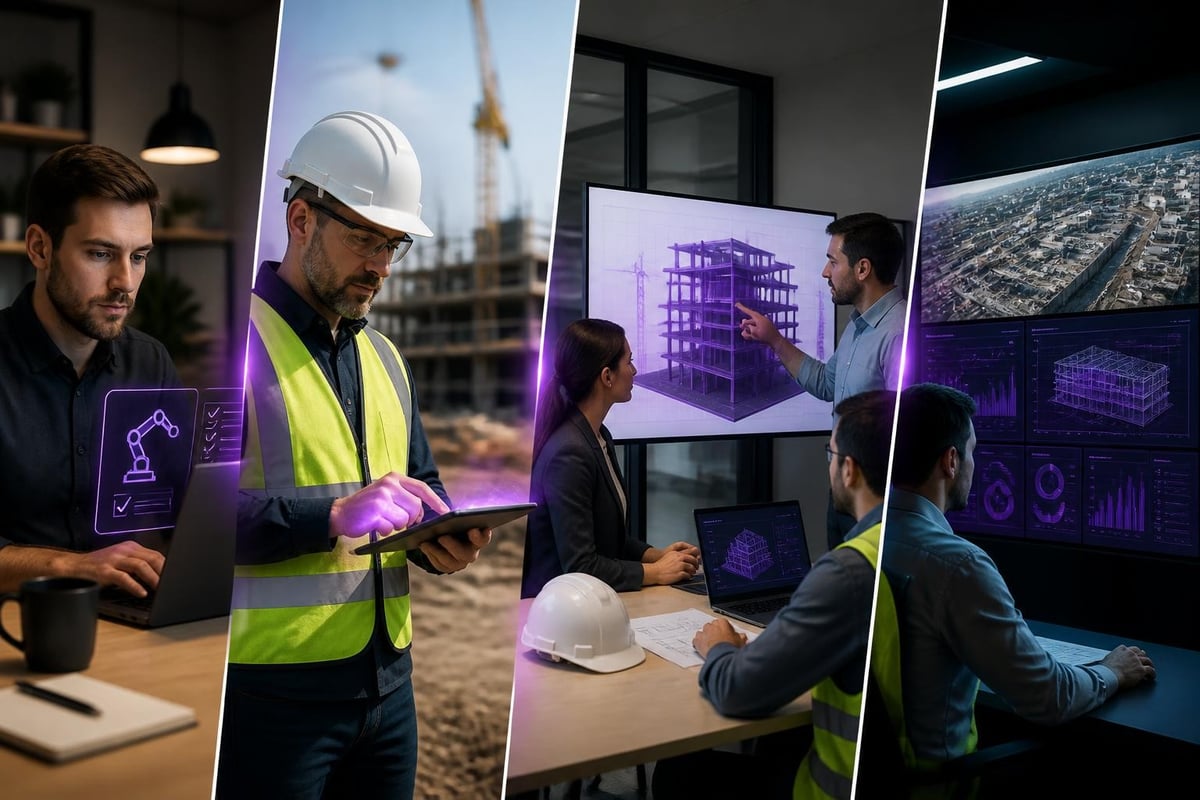
Here's something nobody talks about enough-AI tools only work if your team actually uses them. The research on AI applications in infrastructure construction highlights that successful adoption requires proper training and change management.
Get your team on board:
- Choose tools with simple, intuitive interfaces
- Provide hands-on training, not just manuals
- Start with your most tech-savvy staff as champions
- Celebrate early wins to build momentum
- Gather feedback and adjust your approach
Similar to how businesses are thinking about AI and the future of work, construction companies need to view AI as augmenting their skilled workforce, not replacing them.
The Competitive Edge for Small Builders
Larger construction firms are already investing heavily in AI. The six AI-integrated systems identified by ASCE show where the industry is heading.
Small builders who adopt artificial intelligence in construction now will gain significant advantages:
Faster response times mean you quote jobs while competitors are still crunching numbers. Better accuracy builds client trust and reduces costly variations. Improved safety records lower insurance premiums and attract better clients. Higher productivity lets you take on more work without proportionally increasing overhead.
The tools exist. The technology works. The only question is whether you'll adopt it before your competitors do.
Practical Next Steps
You don't need to transform your entire operation overnight. Pick one area where you're losing the most time or money. Test an AI solution there. Measure the results. Then expand.
Whether it's automating quote generation, monitoring site safety, or optimizing your schedule, there's an AI tool that can help. The key is choosing solutions that integrate with how you already work, rather than forcing you to completely change your processes.
Artificial intelligence in construction isn't future tech-it's working today for small builders who want to reduce admin, improve efficiency, and stay competitive. If you're ready to identify where AI can deliver real results in your construction business, AI 4 Small Business can help you implement practical solutions that save time and deliver measurable impact without the jargon or expensive custom development. We'll show you exactly what's possible and build the tools that actually work for your business.