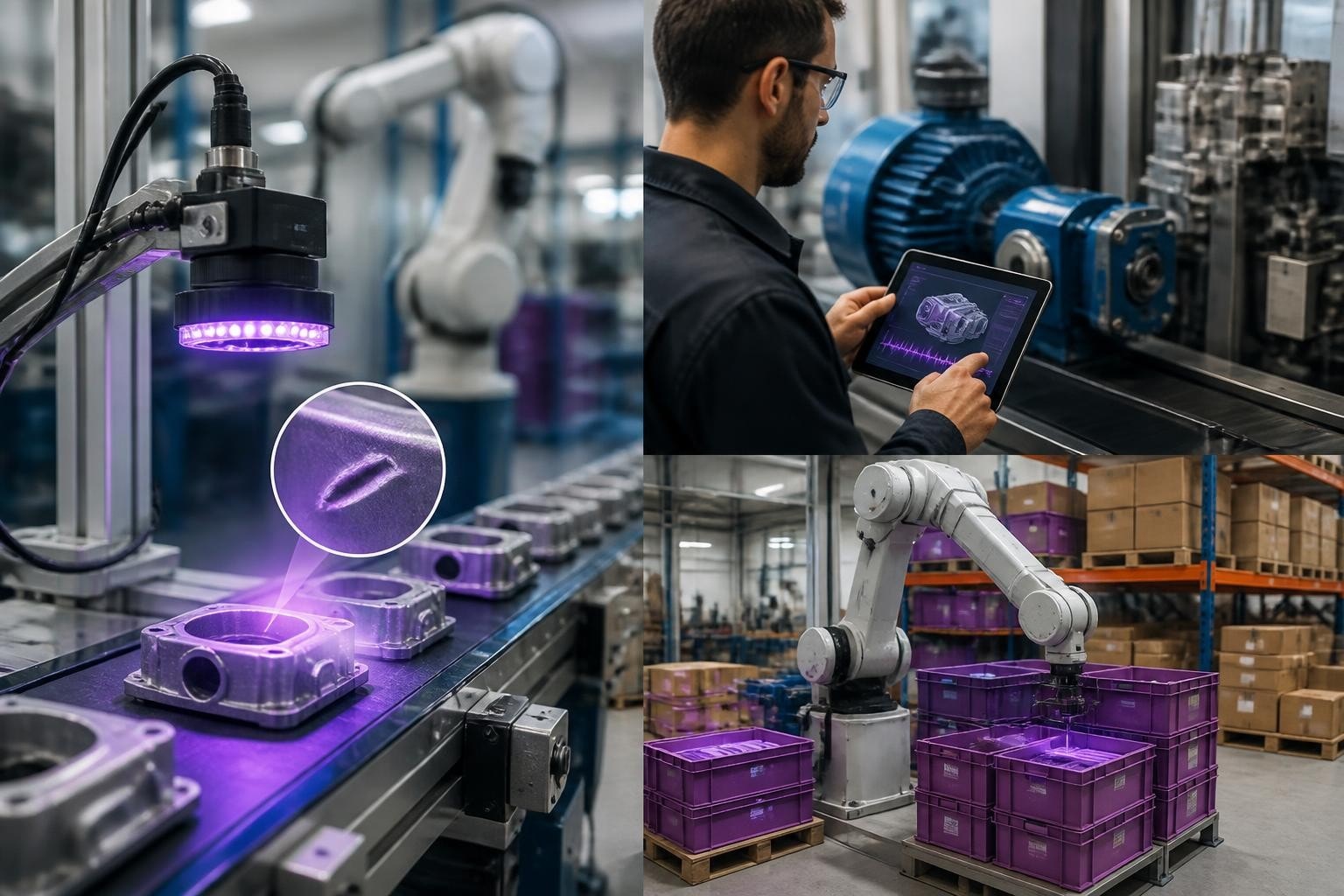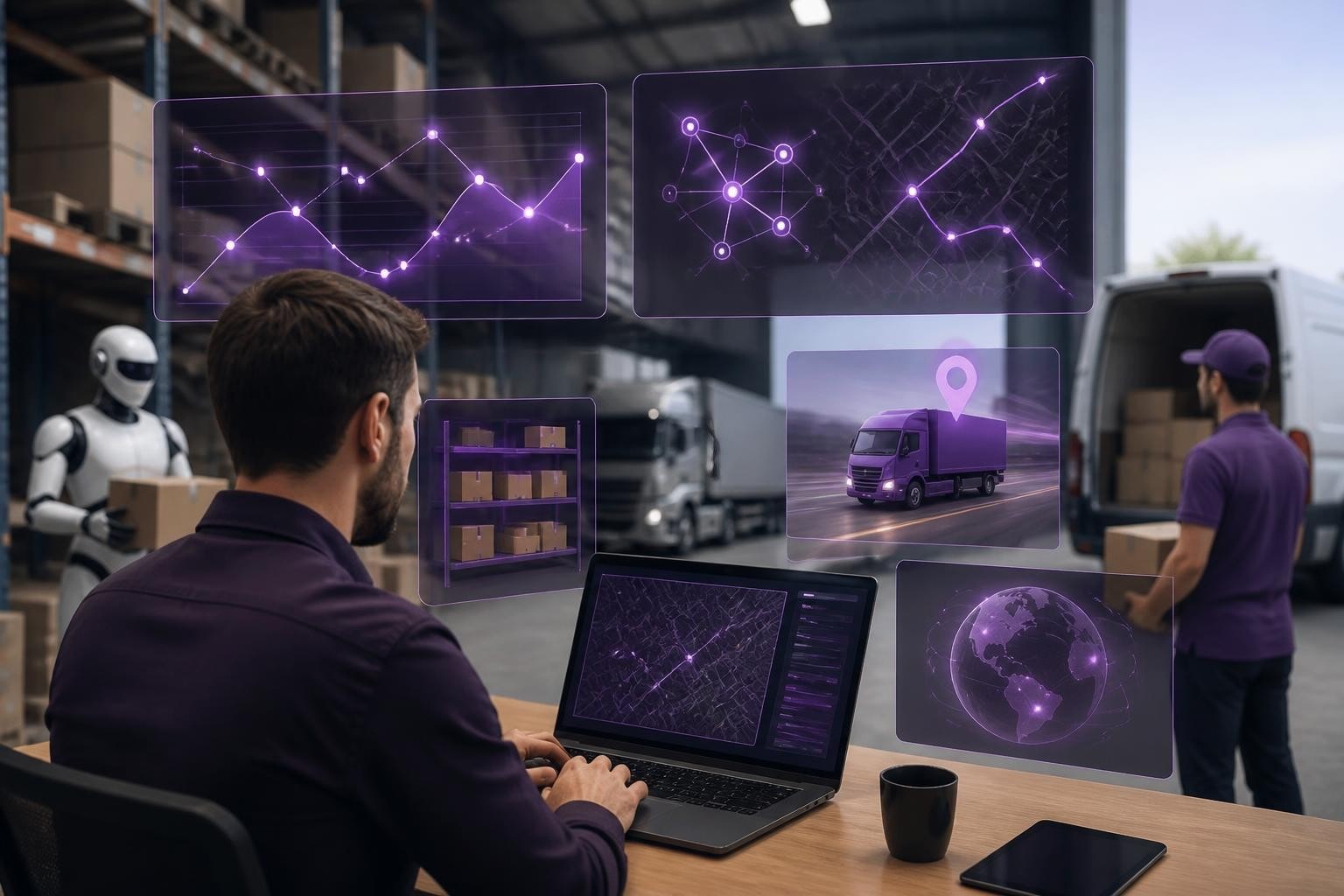
Whether you're running a trade business managing materials, an eCommerce shop juggling suppliers, or a retail operation tracking inventory, supply chain headaches are probably costing you more time and money than you'd like to admit. The good news? AI in logistics and supply chain isn't just for massive corporations with bottomless budgets anymore. Small businesses are using practical AI tools right now to solve real problems, and the results are genuinely impressive.
Why Small Businesses Should Care About AI in Supply Chain
You might think supply chain optimization is only relevant if you're shifting thousands of units daily. Not true. Every business with inventory to track, orders to fulfil, or suppliers to coordinate has a supply chain, and it's probably messier than it needs to be.
AI is transforming how supply chains operate by tackling the exact problems small businesses face: unpredictable demand, inefficient routes, stock sitting on shelves too long, and manual admin eating up your day. The practical application of ai in logistics and supply chain means you can forecast demand more accurately, optimize delivery routes automatically, and spot potential delays before they become expensive disasters.
Real benefits small businesses are seeing:
- Reduced stock holding costs through better demand prediction
- Faster order fulfilment with optimized picking and packing
- Lower fuel and delivery costs via intelligent route planning
- Fewer stockouts that lose you sales
- Less time spent on manual inventory checks and reordering

Practical AI Tools That Actually Work
Let's get specific. What does ai in logistics and supply chain look like when you're not Amazon?
Demand Forecasting Without Spreadsheet Hell
Traditional forecasting involves pulling historical sales data, guessing at trends, and hoping you're somewhere close. AI-powered forecasting tools analyze patterns you'd never spot manually, including seasonal variations, local events, weather patterns, and even social media trends.
For a small eCommerce business, this might mean an AI tool that connects to your Shopify or WooCommerce store and predicts which products will spike next month. You order smarter, avoid dead stock, and keep popular items in supply. Simple, measurable impact.
Applications like demand forecasting and route optimization are becoming accessible to businesses of all sizes, often through affordable SaaS platforms rather than expensive custom builds.
Route Optimization That Saves Actual Money
If you're making deliveries or managing field teams, you're probably losing hours to inefficient routing. AI route optimization tools take multiple variables (traffic patterns, delivery windows, vehicle capacity, fuel costs) and calculate the best sequence automatically.
| Manual Planning | AI-Powered Routing |
|---|---|
| 2-3 hours daily planning | 10 minutes setup time |
| Relies on driver knowledge | Uses real-time traffic data |
| Static routes | Adapts to delays instantly |
| Average 15-20% inefficiency | Typical 20-30% improvement |
A trades business using AI routing saved nearly £800 monthly on fuel alone, plus got an extra job per day per team by cutting drive time. That's the kind of return that pays for the tool within weeks.
Building AI Into Your Existing Processes
Here's where most small businesses get stuck. They read about AI, get excited, then have no idea how to actually implement it without hiring a development team or overhauling everything.
The reality is simpler than you think. Start with identifying your most time-consuming processes and look for AI tools that slot into your existing systems. You don't need to rebuild your business around AI; you need AI that works with how you already operate.
Simple implementation steps:
- Map your current supply chain workflow from order to delivery
- Identify the biggest time drains or error points
- Find AI tools that integrate with your existing software (your inventory system, delivery platform, or accounting package)
- Start with one specific problem, not everything at once
- Measure the actual time or money saved in the first month
Inventory Management That Runs Itself
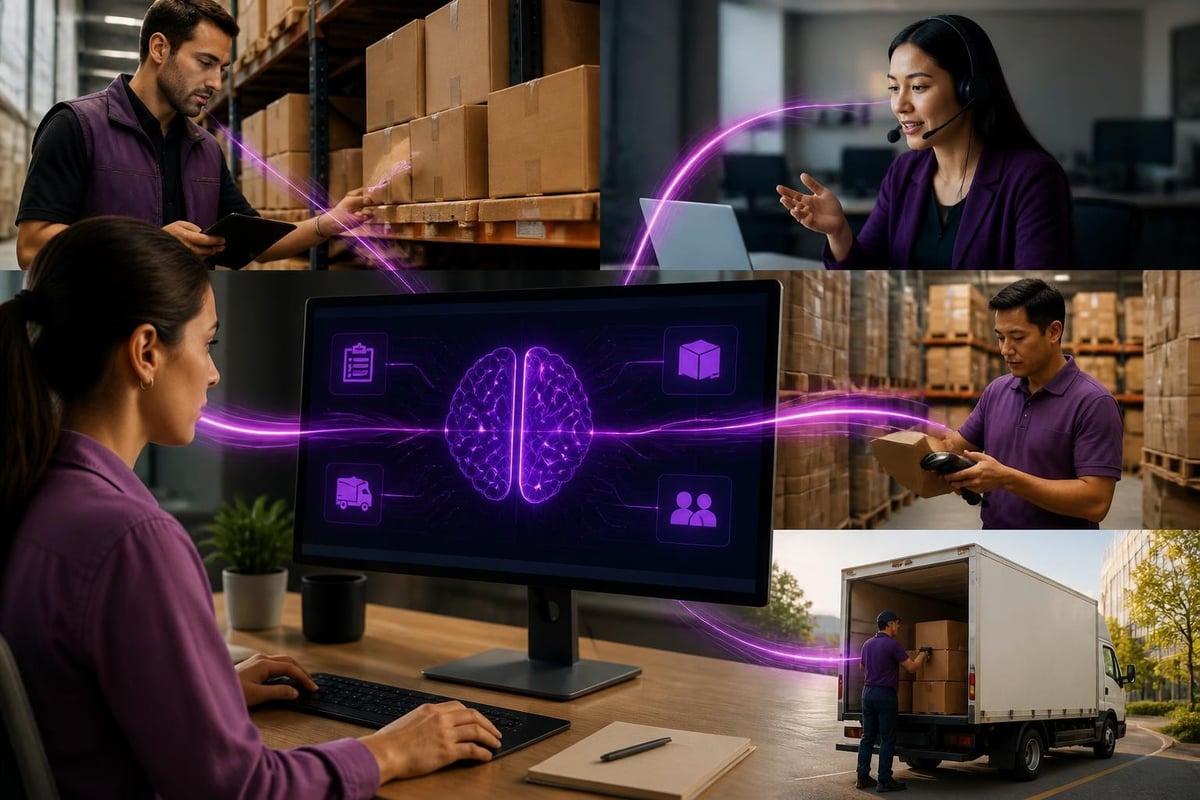
Stocktaking is tedious. Reordering is repetitive. Both are essential and both eat hours every week. AI inventory management systems learn your patterns and automate the boring bits.
These tools track stock levels in real-time, predict when you'll run low based on sales velocity, and can even auto-generate purchase orders to suppliers. Some connect with your accounting software to track costs and margins automatically.
Understanding how workflow applications can transform repetitive tasks shows you're not just saving time; you're eliminating the risk of human error that leads to stockouts or overordering.
What About Supplier Coordination?
AI in logistics and supply chain extends to managing supplier relationships too. Platforms now use AI to monitor supplier performance, flag delivery delays before they impact you, and even suggest alternative suppliers when issues arise.
The challenges in AI adoption are real, but they're mostly about choosing the right tools and ensuring your team understands what the AI is doing and why. Human oversight matters, especially when dealing with suppliers and customers.
Warehouse and Fulfilment Automation
Even if your "warehouse" is actually a stockroom or garage, AI can help optimize how you store and pick items. Smart systems suggest optimal shelf locations based on picking frequency, guide staff to items faster, and reduce picking errors.
For eCommerce businesses, AI-powered fulfilment tools can:
- Predict order volumes by hour/day to schedule staff efficiently
- Suggest optimal packing methods to reduce shipping costs
- Identify orders likely to have issues before dispatch
- Automate shipping label creation and carrier selection
The Human Element Still Matters
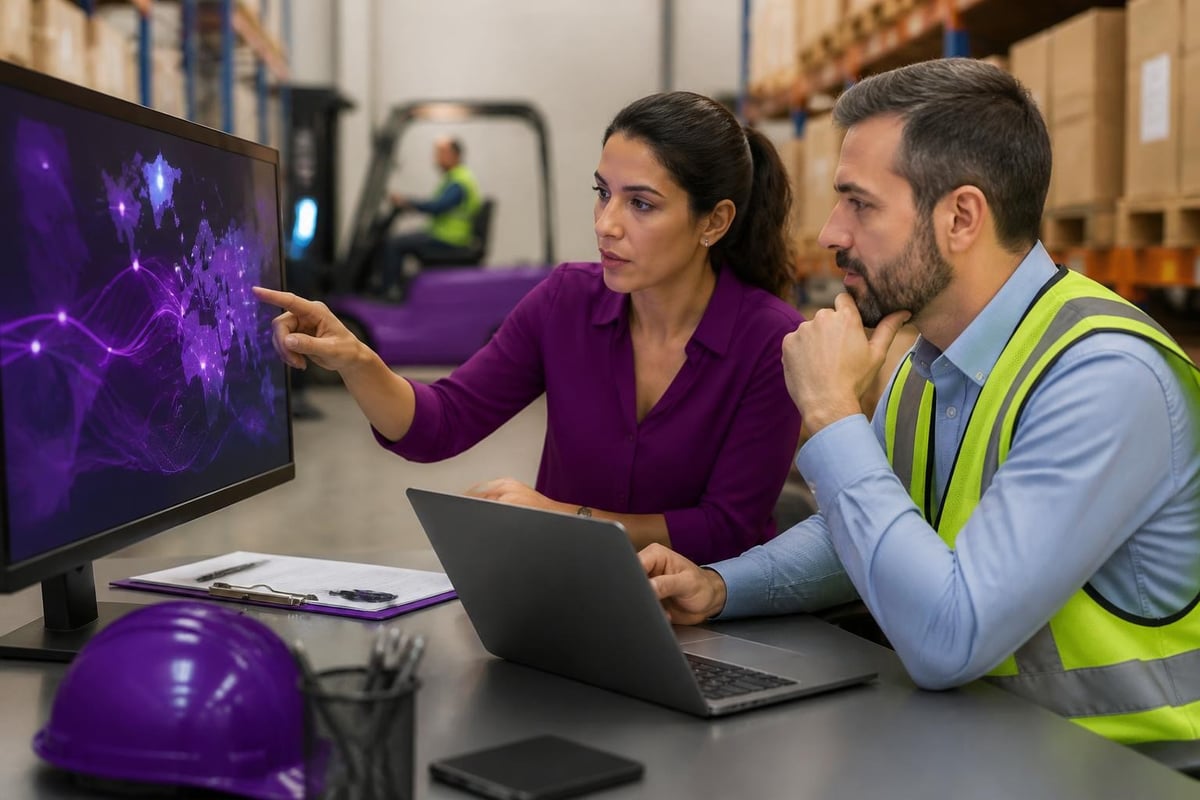
There's a lot of hype around fully autonomous supply chains. AI agents shouldn't run your supply chain entirely without human oversight. The best approach combines AI efficiency with human judgment.
Your AI might flag a potential supplier delay, but you make the call on whether to switch suppliers or adjust customer expectations. It might suggest a route change, but your driver knows about roadworks the system doesn't. This partnership between AI capability and human context delivers the best results.
Getting Started Without the Overwhelm
You don't need a massive budget or technical team to benefit from ai in logistics and supply chain. Start small, focus on one specific pain point, and choose tools designed for businesses your size.
Practical first steps for different sectors:
| Business Type | Best Starting Point | Expected Timeframe |
|---|---|---|
| Retail shop | Demand forecasting for top 20 products | 2-4 weeks |
| Trade business | Route optimization for job scheduling | 1-2 weeks |
| eCommerce | Automated reordering for fast movers | 2-3 weeks |
| Wholesale | Supplier performance monitoring | 3-4 weeks |
The key is measurable outcomes. Don't implement AI because it sounds clever; implement it because it saves you three hours weekly or cuts delivery costs by 15%. Building AI capability rather than dependency means understanding what the tools do and being able to adjust them as your business grows.
Real-World Impact Beyond the Hype
Let's talk actual numbers. Small businesses using AI for inventory management typically see stock holding costs drop by 15-25%. Those optimizing routes save 20-30% on fuel and vehicle costs. Demand forecasting reduces stockouts by 30-40% while cutting overstock by similar amounts.
How AI transforms supply chain volatility into strategic foresight is particularly relevant in 2026, where supply chain disruptions remain common. AI helps you anticipate problems and respond faster than reactive manual management ever could.
The businesses seeing the biggest returns aren't necessarily the most tech-savvy. They're the ones who identified a clear problem, chose appropriate tools, and committed to using the data to make better decisions. That's within reach for any small business willing to challenge how they currently work.
AI in logistics and supply chain isn't future tech anymore; it's practical, accessible, and delivering measurable results for small businesses today. The difference between reading about AI and actually benefiting from it comes down to implementation that fits your specific operations. If you're ready to identify where AI can genuinely improve your supply chain efficiency and want expert guidance to get it right first time, AI 4 Small Business helps you move from manual chaos to automated clarity with tailored solutions that deliver impact fast.