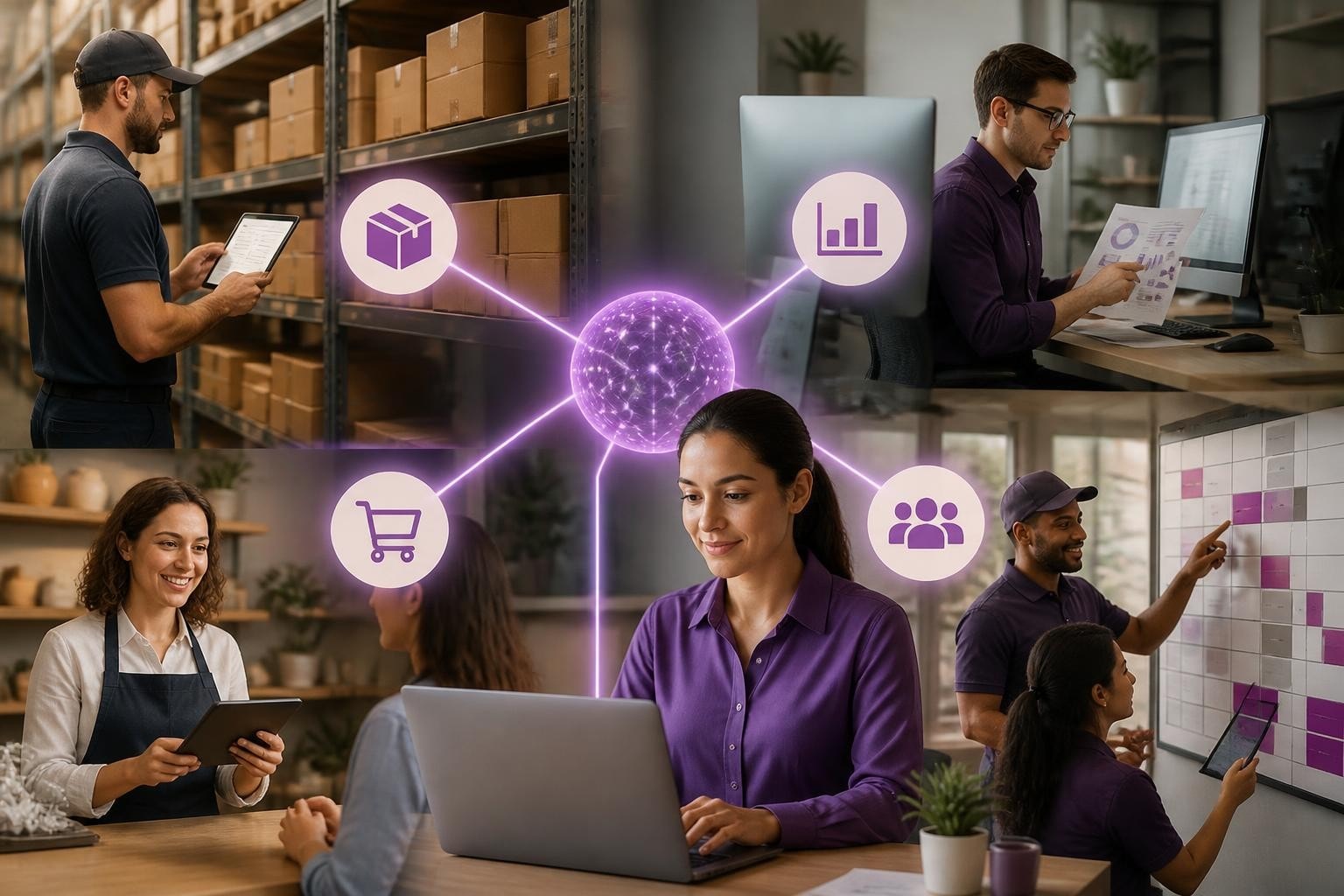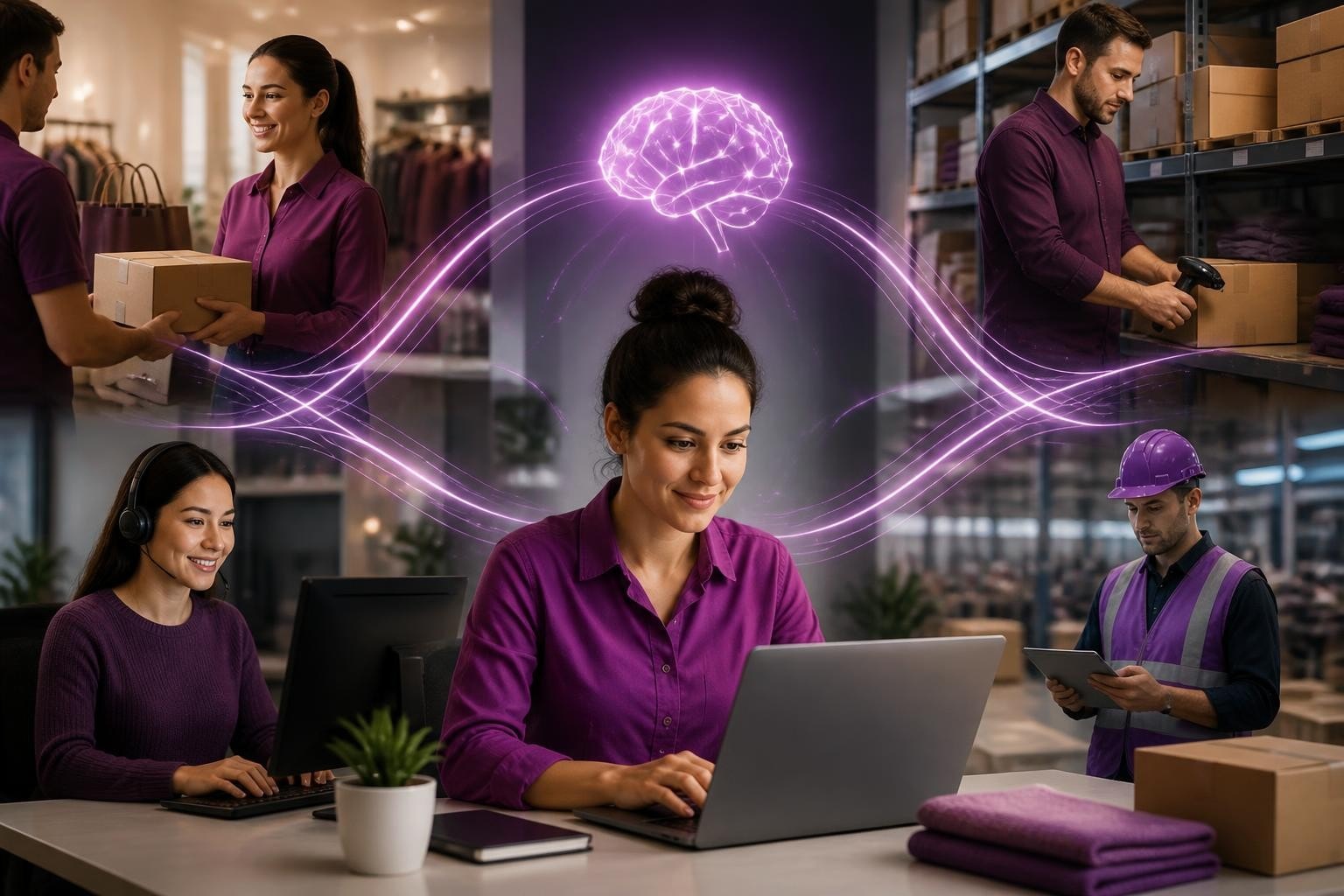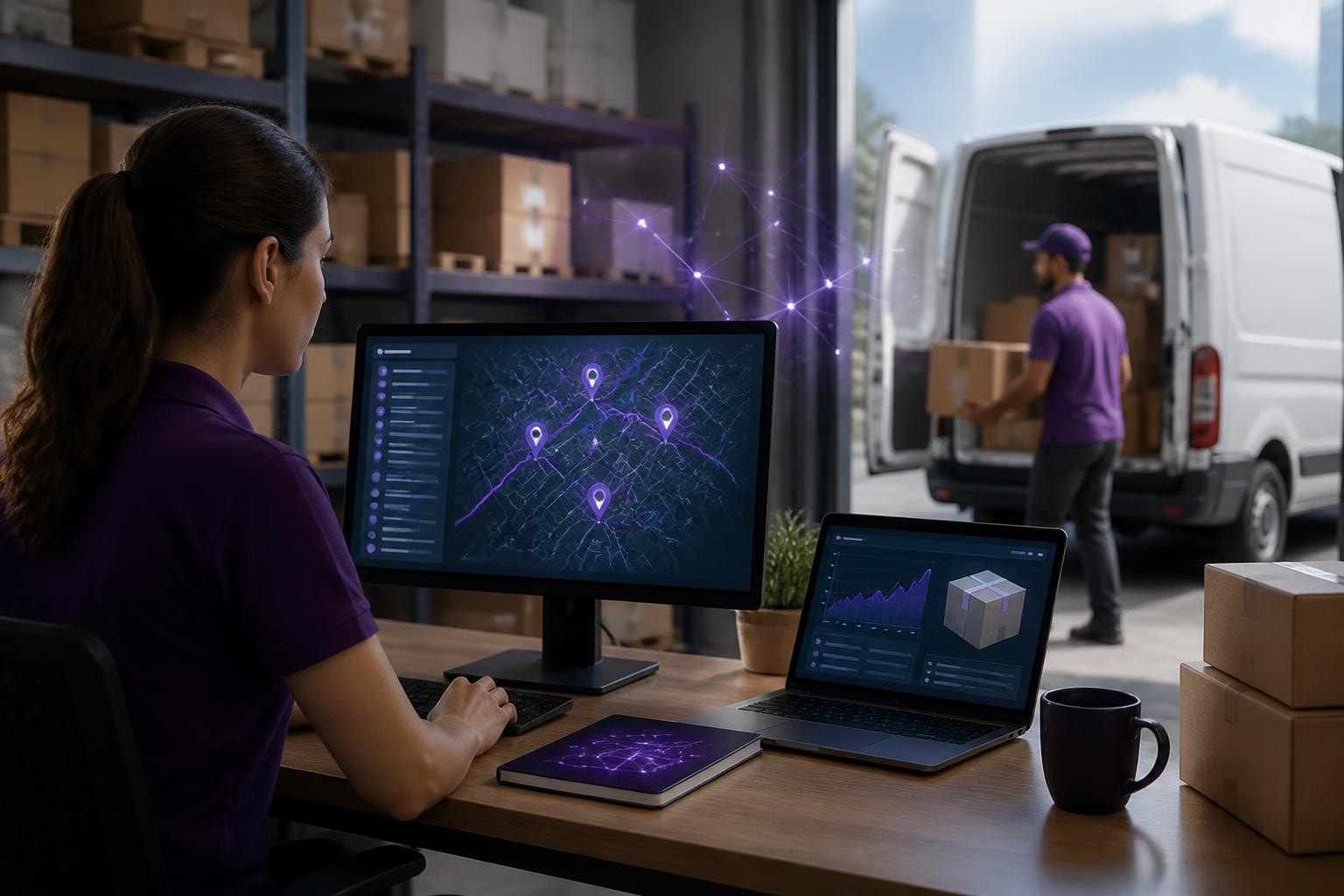
The intersection of ai and logistics isn't just for massive corporations with bottomless budgets anymore. Small businesses running delivery routes, managing stock, or coordinating shipments can now tap into the same technology that's reshaping global supply chains. You're probably already dealing with late deliveries, inventory headaches, or route planning that eats up your morning. The good news? AI tools designed for practical use can tackle these problems without requiring a degree in data science or a six-figure investment.
Where AI Makes Immediate Impact in Logistics
Let's cut through the noise and focus on what actually matters for your business. AI and logistics come together most powerfully in three areas: route optimization, inventory forecasting, and demand prediction.
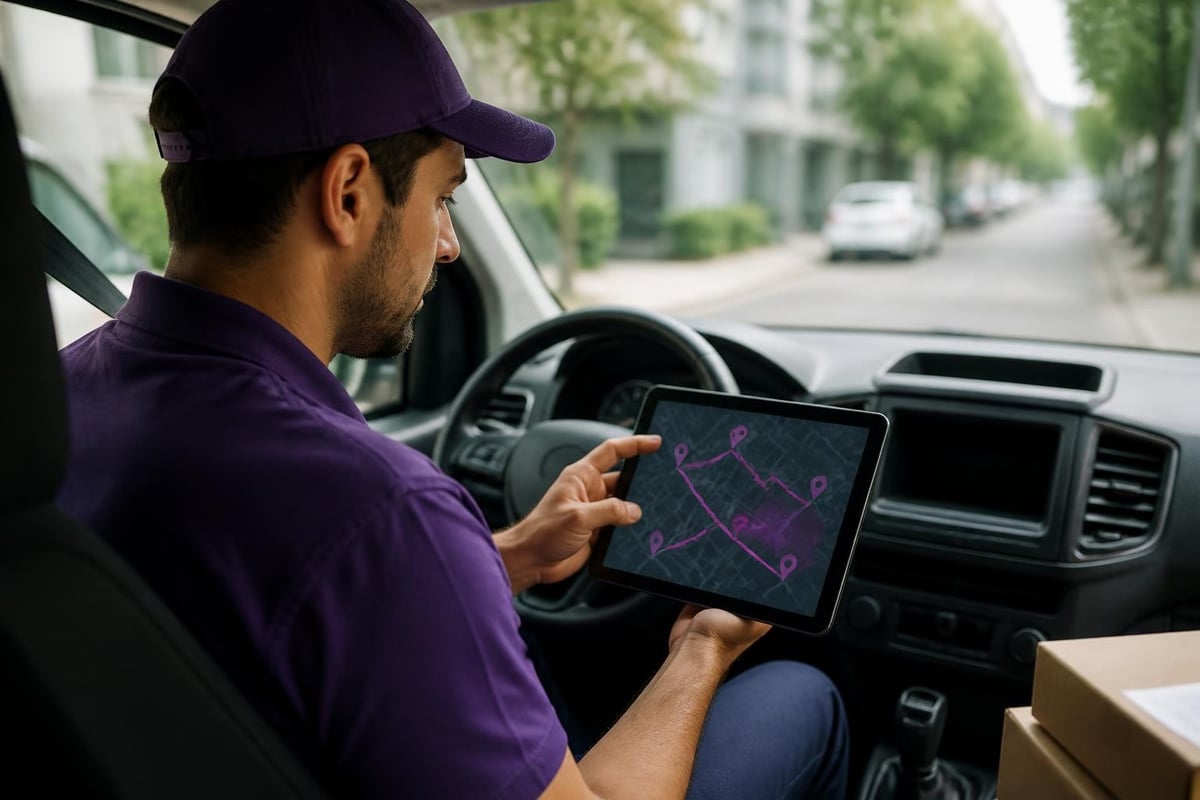
Route optimization tools can slash fuel costs by 15-30% whilst getting your drivers home earlier. Apps like Circuit or Route4Me use AI to calculate the most efficient delivery sequences, accounting for traffic patterns, delivery windows, and vehicle capacity. You feed in your addresses, and the software does the heavy lifting.
For inventory management, AI can predict what you'll need before you run out. This matters whether you're a café ordering coffee beans or a building merchant stocking timber. Tools like Inventoro or Flieber analyse your sales patterns, seasonal trends, and external factors to suggest optimal stock levels.
Demand Forecasting That Actually Works
Traditional forecasting relies on gut feeling and last year's numbers. AI-powered demand prediction considers dozens of variables simultaneously. Weather forecasts, local events, social media trends, economic indicators-all feeding into more accurate predictions.
Here's what that looks like in practice:
- A florist uses AI to predict Valentine's Day demand based on historical sales, local population growth, and competitor pricing
- A plumbing supplies business forecasts winter stock needs using weather patterns and housing development data
- An eCommerce retailer adjusts inventory across multiple SKUs based on browsing behaviour and cart abandonment rates
The shift from reactive to predictive logistics can mean the difference between clearance sales and healthy margins. Harvard Business Review's analysis of machine learning in supply chains shows how even modest implementations deliver measurable ROI.
Practical AI Tools You Can Implement This Month
You don't need a complete digital overhaul to benefit from ai and logistics integration. Start with one pain point and build from there.
| Tool Type | Use Case | Small Business Application | Time to Value |
|---|---|---|---|
| Route planners | Multi-stop deliveries | Tradesperson scheduling, courier services | 1-2 weeks |
| Inventory AI | Stock forecasting | Retail, hospitality, eCommerce | 2-4 weeks |
| Chatbots | Customer tracking | Any business with deliveries | 1 week |
| Predictive maintenance | Fleet management | Trade businesses with vehicles | 1-2 months |
Starting with custom AI agents for small business can accelerate this process significantly. The right implementation partner helps you avoid costly mistakes and gets you to results faster.
The Hidden Cost-Savers
Beyond the obvious efficiency gains, ai and logistics combinations unlock savings you mightn't expect:
- Reduced returns and complaints through better delivery accuracy
- Lower insurance premiums with AI-monitored driver behaviour
- Decreased waste from improved shelf-life tracking
- Better cash flow through just-in-time inventory
- Fewer emergency orders at premium prices
A recruitment agency we know cut their courier costs by 40% simply by using AI to batch candidate document deliveries more intelligently. They weren't trying to revolutionise their business-just solve an annoying weekly problem.
Making AI Work for Your Supply Chain
The World Economic Forum's research on intelligent transport demonstrates how logistics AI simultaneously cuts costs and reduces environmental impact. That's increasingly important as customers and regulators demand greener operations.

For small businesses, this translates into practical wins. Electric vehicle route optimization that maximizes range. Load planning that reduces half-empty vans. Delivery consolidation that cuts trips by 25%.
Getting Started Without Overwhelm
Here's your pragmatic roadmap:
Week 1-2: Identify your biggest logistics headache. Late deliveries? Stock-outs? Inefficient routes?
Week 3-4: Research tools specific to that problem. Most offer free trials. Test with real data.
Month 2: Measure baseline metrics before implementation. You need to know what success looks like.
Month 3: Roll out to a small portion of operations. Learn, adjust, expand.
The businesses that succeed with ai and logistics aren't the ones with the fanciest tech stack. They're the ones who start small, measure religiously, and scale what works. AI consultants can help you avoid the common pitfalls and compressed timelines.
Beyond the Hype: Real Implementation Challenges
Let's be honest about what you'll face. Data quality issues are real-if your current system has inconsistent product codes or missing delivery records, AI will struggle. You'll need to clean that up first.
Integration headaches happen. Your warehouse management system might not play nicely with the AI forecasting tool you've chosen. Budget time for this.
Staff resistance is normal. Your warehouse supervisor who's been doing things their way for fifteen years won't embrace change overnight. Bring them into the process early.
| Challenge | Impact | Mitigation Strategy |
|---|---|---|
| Poor data quality | Inaccurate predictions | Data audit and cleanup phase |
| System integration | Delays and frustration | Start with standalone tools |
| Team adoption | Underutilization | Training and gradual rollout |
| Unclear ROI | Difficult to justify | Define metrics upfront |
MIT's research on generative AI and supply-chain resilience highlights how newer AI approaches can handle the messy, incomplete data that small businesses typically work with.
Sector-Specific Applications
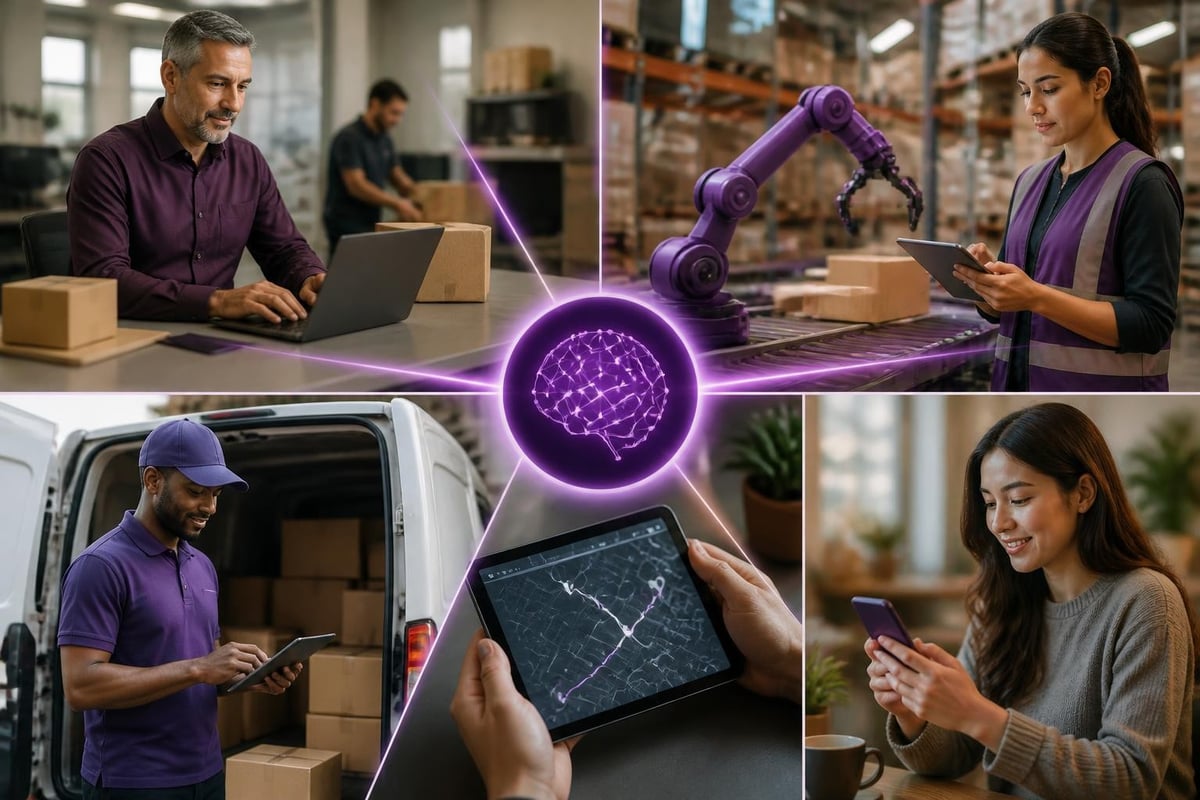
Retail and eCommerce: AI predicts trending products, optimizes warehouse picking sequences, and automates reorder points. A fashion boutique might use AI to forecast which sizes will sell fastest, preventing over-ordering of unpopular sizes.
Trade Services: Plumbers, electricians, and builders benefit from intelligent scheduling that factors in parts availability, job duration predictions, and optimal travel routes between sites.
Hospitality: Restaurants and hotels use AI for food ordering, reducing waste whilst ensuring popular items never run out. One café reduced food waste by 35% using simple AI forecasting.
Professional Services: Even service businesses benefit. A recruitment firm might use AI to optimize candidate interview scheduling based on client availability and office locations.
The key is matching the right tools to your specific workflow. What works brilliantly for a courier service might be overkill for a consultancy with occasional supply needs.
The ROI Question Everyone Asks
You're running a business, not a tech experiment. What's the actual return?
Small businesses typically see:
- Route optimization: 15-30% fuel savings, 20-40% time reduction
- Inventory AI: 20-35% reduction in holding costs, 40-60% fewer stock-outs
- Demand forecasting: 15-25% reduction in overstock, 10-20% margin improvement
These aren't theoretical. They're what businesses similar to yours are achieving right now. The payback period for most logistics AI tools runs between 3-8 months.
Your mileage will vary based on current inefficiency levels. If you're already quite optimized, gains will be modest. If logistics is chaos, the improvements can be dramatic. Understanding how to get AI working for your specific situation makes all the difference.
The transformation of ai and logistics isn't coming-it's already here, and it's accessible to businesses of every size. Start with one problem, measure the impact, and build from there. If you're ready to explore how AI can streamline your logistics operations without the complexity or expense you might expect, AI 4 Small Business specializes in practical implementations that deliver measurable results fast. We'll help you identify the right tools, avoid costly mistakes, and build AI capability that actually works within your business.