
If you're running a small business in 2026, you'll know that finding the right people has never been harder. Traditional recruitment feels like throwing darts in the dark-posting jobs, sifting through CVs, hoping someone half-decent applies. Enter talent cloud ai, a concept that's reshaping how businesses build teams by combining artificial intelligence with flexible talent pools. It's not about replacing your gut instinct; it's about giving you better data and faster results when you're hiring.
What Actually Is Talent Cloud AI?
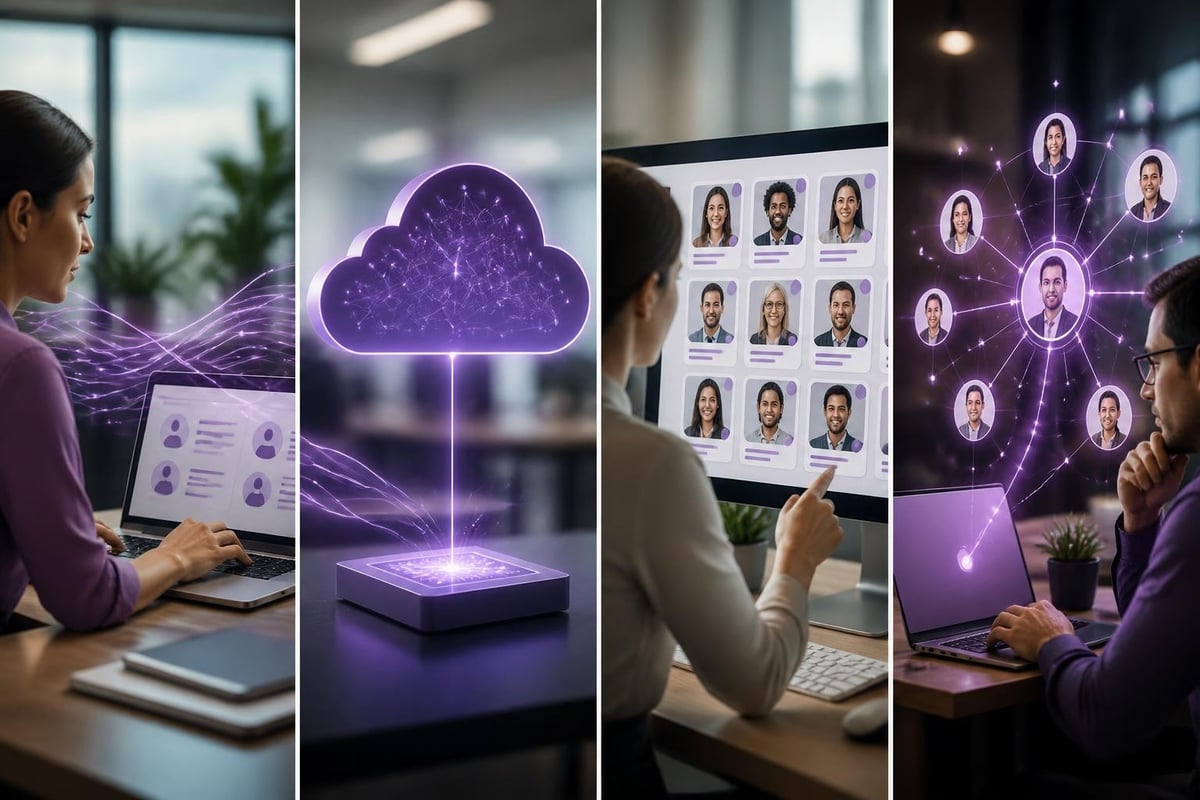
At its core, talent cloud ai refers to intelligent systems that connect businesses with talent pools-sometimes internal, sometimes external, often both. Think of it as a dynamic database that doesn't just store CVs but understands skills, availability, project fit, and even cultural alignment.
Here's what makes it different from traditional recruitment:
- Skills-based matching rather than keyword hunting
- Real-time availability and workforce intelligence
- AI-powered screening that learns what good looks like for your business
- Flexible access to freelancers, contractors, and permanent candidates
The Harvard Business Review highlights the strategic advantages of building external talent clouds, particularly for businesses that need to scale quickly or access specialist skills without the overhead of permanent hires. For small businesses in sectors like recruitment, professional services, or trades, this approach offers genuine competitive edge.
Why Small Businesses Should Care
You might be thinking, "Sounds great for big corporates, but what about my ten-person team?" Fair question. But here's the thing: small businesses actually benefit more from talent cloud ai because you don't have the luxury of a dedicated HR department or months-long hiring cycles.
The Practical Benefits
Time savings are massive. Instead of spending hours reviewing applications, AI systems can pre-screen candidates based on criteria that actually matter to you. One retail business we worked with cut their time-to-hire by 60% using AI-powered candidate matching.
Better quality hires come from understanding skills at a granular level. The WEF Global Skills Taxonomy provides frameworks for how modern talent systems categorize and match competencies-something talent cloud ai platforms leverage to find candidates who can actually do the job, not just talk about it.
Cost efficiency matters when every hire counts. You're not wasting budget on job boards that don't deliver or agencies charging 20% fees. You're accessing talent more directly and intelligently.

Real-World Applications for Different Sectors
Let's get specific about how this works across different types of small businesses, because one size definitely doesn't fit all.
| Sector | Common Challenge | Talent Cloud AI Solution |
|---|---|---|
| Trades | Finding qualified subcontractors for projects | AI matches available tradespeople by skill, location, and availability in real-time |
| Retail | Seasonal hiring spikes and high turnover | Automated screening and re-engagement with previous candidates |
| Professional Services | Accessing specialist consultants for client projects | Skills-based talent pools with verified expertise and availability |
| eCommerce | Rapid scaling during growth phases | Flexible access to logistics, customer service, and technical talent |
For recruitment agencies specifically, implementing custom AI agents that tap into talent cloud ai can transform your entire operation. You're not just filling roles; you're providing intelligent talent solutions that clients can't get elsewhere.
How to Start Implementing Talent Cloud AI
Right, you're convinced it's useful. Now what? Here's the practical bit.
Step one: Map your hiring process. Write down every step from "we need someone" to "they start work." Identify the bottlenecks-usually CV screening, initial interviews, and scheduling.
Step two: Choose the right tools. You don't need enterprise-grade platforms. There are AI recruitment tools built specifically for small businesses that integrate with your existing systems. Look for solutions that offer:
- Automated candidate screening
- Skills-based search capabilities
- Integration with job boards and your website
- Simple pricing (per-user or per-hire, not complex enterprise licensing)
Step three: Build your talent pool. Start collecting data on people who've applied before, freelancers you've used, and candidates who were good but not quite right at the time. This becomes your internal talent cloud that AI can search and match against new roles.
The Canada Talent Cloud implementation report offers valuable lessons from a public sector perspective, including governance frameworks and practical design considerations that translate well to small business contexts.
Skills Data and Interoperability
Here's something most people miss: talent cloud ai only works well if the underlying skills data is solid. You can't just rely on job titles-"Marketing Manager" means different things at different companies.
Modern talent cloud systems use structured skills taxonomies that break roles down into specific competencies. When you're hiring a digital marketing person, the AI understands whether you need someone who can run Google Ads, manage email campaigns, or build SEO strategies.
This skills-based approach is becoming standard practice. The UK government's procurement frameworks for talent cloud platforms emphasize functional requirements around skills matching and data interoperability-proof that this isn't just theory; it's how modern hiring actually works.
For businesses working with agencies like MDO Digital on growth and marketing systems, integrating talent cloud ai into your broader automation infrastructure creates powerful synergies. Your CRM knows when you need extra capacity; your talent system can proactively suggest candidates.
Managing the People Side of AI Recruitment
Technology is only half the story. You still need human judgment, especially for cultural fit and team dynamics that no AI can fully assess.
The Brookings Institution's AI workforce policy framework addresses important considerations around worker protections, transparency, and governance when AI systems influence hiring decisions. For small businesses, this translates to practical questions:
- Are you explaining to candidates how AI is used in your process?
- Do you have a human review step before rejecting applications?
- Are you monitoring for bias in how the system ranks candidates?
These aren't just ethical nice-to-haves; they're practical necessities for building a reputation as a fair employer and avoiding legal headaches down the line.
Creating a Balanced Approach
| AI Handles | Humans Handle |
|---|---|
| Initial CV screening | Final interview decisions |
| Skills assessment | Cultural fit evaluation |
| Availability matching | Salary negotiation |
| Scheduling coordination | Offer presentation |
| Re-engagement campaigns | Relationship building |
The businesses seeing the best results from talent cloud ai are those treating it as a tool that enhances human decision-making, not replaces it. Your AI-powered recruitment workflow at AI 4 Small Business should feel like having a brilliant assistant who handles the grunt work, freeing you to focus on the conversations and relationships that actually close hires.

Integration with Existing Business Systems
One of the biggest mistakes small businesses make is treating recruitment as separate from everything else. Your talent cloud ai should connect with your wider business intelligence.
Example workflows that deliver real value:
- Project-triggered hiring: When your project management system shows a new client win, your talent cloud automatically suggests candidates with relevant skills
- Capacity planning: Your scheduling system identifies upcoming resource gaps; AI recommends internal redeployment or external candidates
- Skills gap analysis: Performance reviews highlight training needs; the system identifies whether to upskill existing staff or hire new capabilities
This level of integration is what separates talent cloud ai from just another recruitment tool. You're building business intelligence that helps you make smarter decisions about your most expensive resource: people.
Talent cloud ai isn't about replacing your hiring instincts with algorithms; it's about giving yourself better information, faster processes, and access to talent you might otherwise miss. Whether you're a recruitment agency looking to differentiate, a growing eCommerce business struggling with seasonal hiring, or a professional services firm needing specialist skills on demand, the right AI implementation can transform how you build your team. If you're ready to explore how AI can streamline your recruitment and wider business operations, AI 4 Small Business can help you implement practical solutions that deliver measurable results without the complexity or cost of enterprise systems.