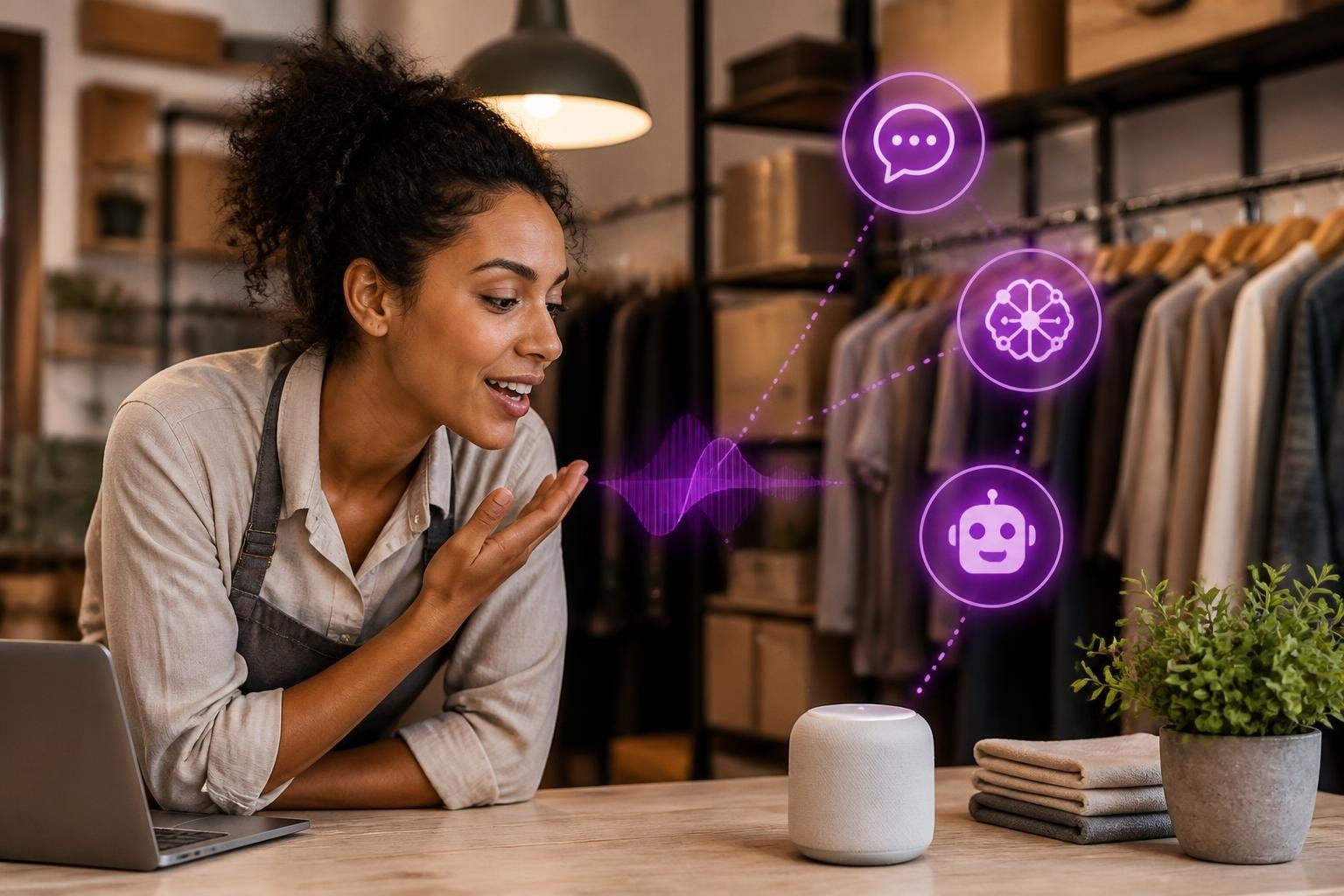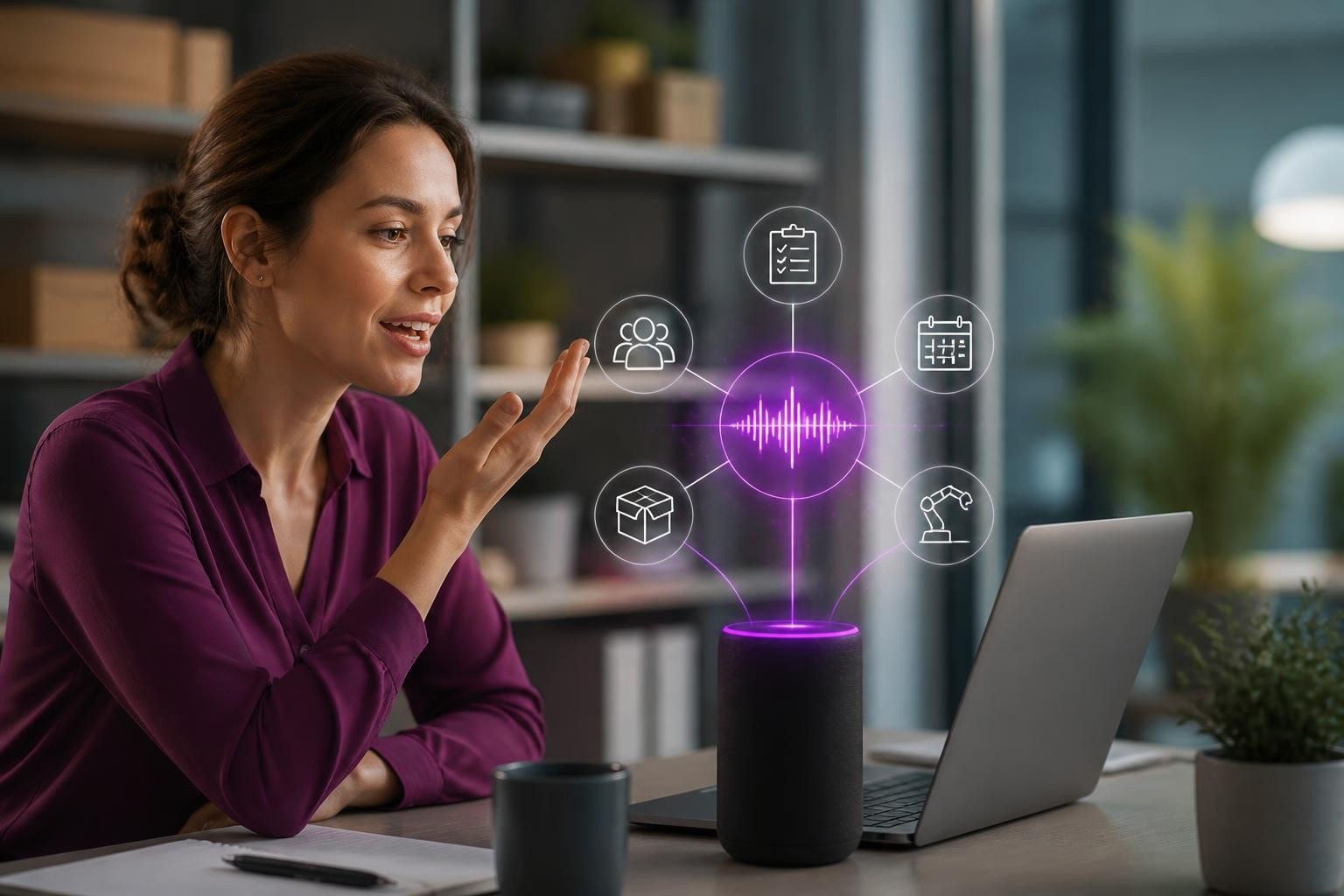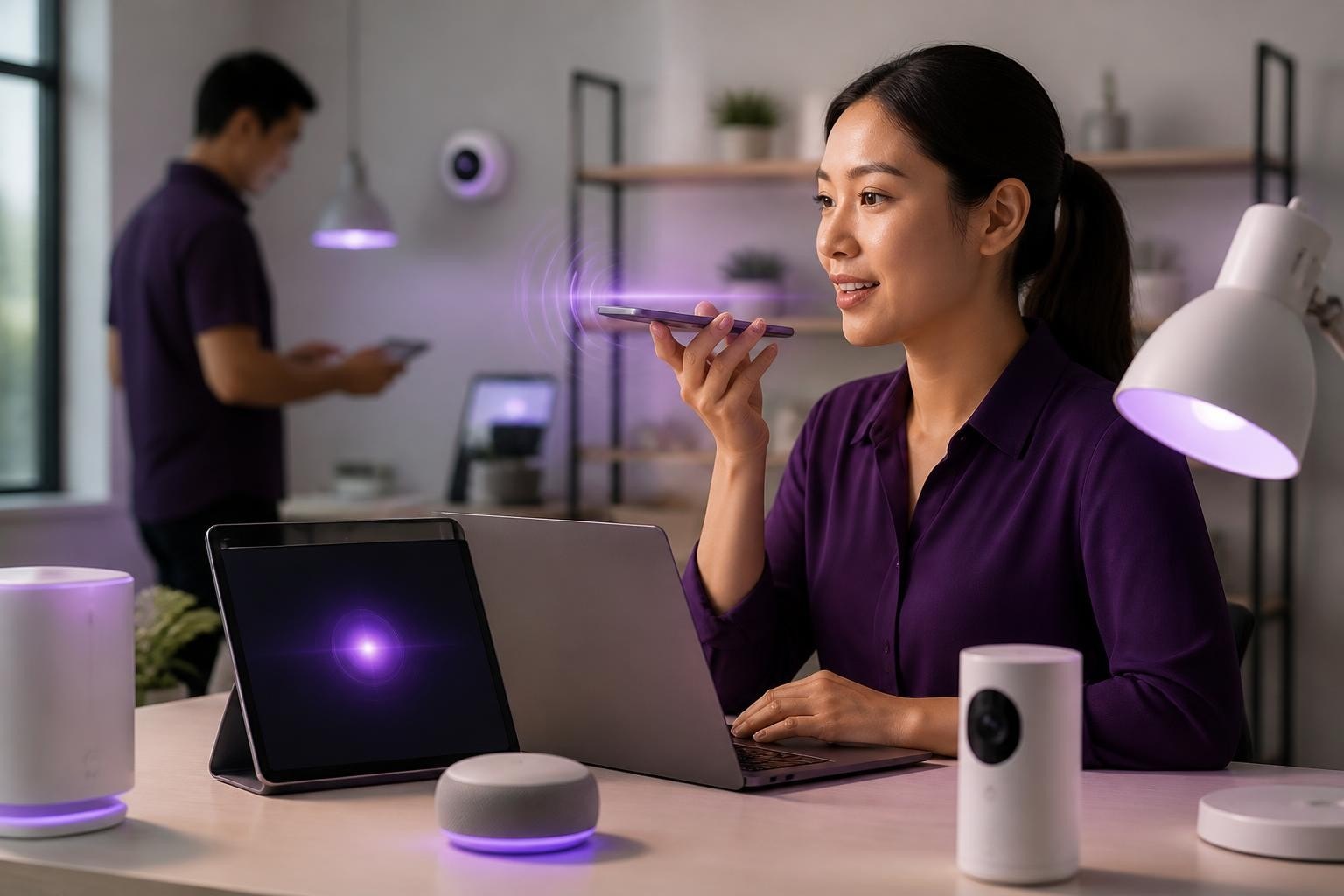
You've probably heard of Siri, Alexa, and Google Assistant, but there's another player making serious waves in the AI assistant space that doesn't get enough attention in the West: Xiaomi's AI offerings. Whilst the Chinese tech giant is best known for affordable smartphones and smart home gadgets, their xiaomi ai assistant technology (known as XiaoAI or "Xiao Ai Tongxue" in Mandarin) offers fascinating lessons for small businesses thinking about AI adoption. It's not just about voice commands and weather updates-there's a practical, ecosystem-first approach here that mirrors how small businesses should think about implementing AI tools.
The Xiaomi AI Ecosystem: More Than Just a Voice
Xiaomi's approach to AI isn't about building a standalone chatbot. Instead, the xiaomi ai assistant sits at the heart of a connected ecosystem spanning phones, smart speakers, wearables, and IoT devices. According to Xiaomi's investor presentations, their Super Xiao AI (or Hyper Xiao AI) now integrates on-device multimodal models that process voice, text, and visual inputs without constant cloud reliance.
Here's what makes this interesting for small businesses:
- Ecosystem thinking: Rather than isolated tools, Xiaomi connects AI across touchpoints
- On-device processing: Reduces latency and privacy concerns by handling tasks locally
- Contextual awareness: The assistant learns from how devices interact across your environment
- Scalable integration: New devices plug into existing infrastructure automatically
This mirrors the practical approach that makes sense for small businesses. You don't need a massive custom AI build-you need tools that talk to each other and actually solve problems.
Real-World Features That Matter
TechRadar's analysis highlights how Super Xiao AI handles practical tasks: summarising notifications, managing schedules, controlling smart home devices, and even generating images. These aren't gimmicks-they're time-savers.
For small businesses, think about parallel use cases:
- Voice-activated workflow triggers (like starting your morning sales report)
- Smart scheduling that understands context ("book a client call after I finish this project")
- Device orchestration (your CRM, email, and project tools working together)
- Automated summaries of daily activities, messages, or tasks
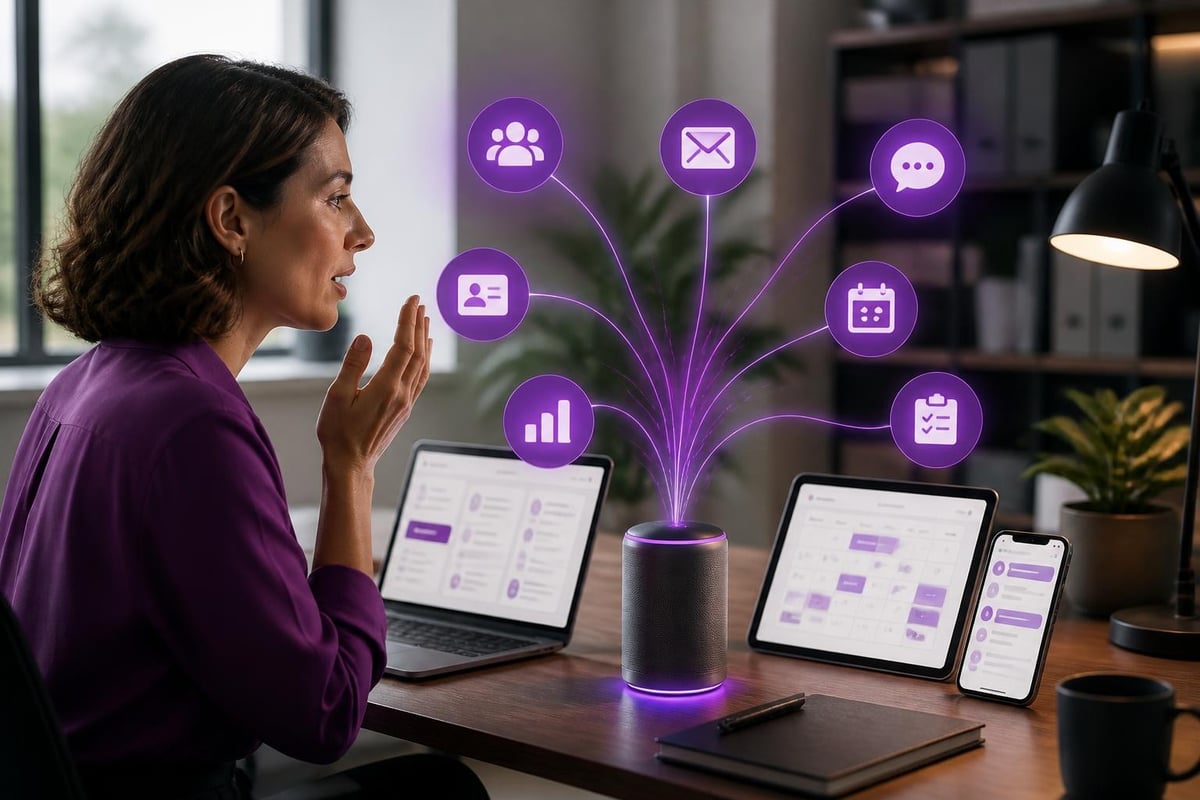
The xiaomi ai assistant doesn't try to do everything-it focuses on connecting what you already have. That's the lesson small businesses should take: start with integration, not reinvention.
The Technology Under the Hood
Xiaomi's investment in proprietary language models (their MiLM and MiMo series) shows they're serious about AI capabilities. Research from CMB International details how Xiaomi has built different model sizes for different use cases-lightweight models for on-device tasks, larger ones for complex processing.
This tiered approach is exactly how small businesses should think about AI implementation. Not every task needs the most powerful (and expensive) solution.
| Task Type | Model Size | Business Example |
|---|---|---|
| Simple automation | Small, on-device | Email sorting, basic data entry |
| Moderate complexity | Medium, cloud-assisted | Customer query responses, scheduling |
| Complex analysis | Large, specialist | Market analysis, predictive forecasting |
When we work with clients at AI 4 Small Business, we follow the same principle: match the tool to the job. A recruitment agency doesn't need GPT-4 to parse CVs-a targeted, smaller model works faster and costs less.
Privacy and Data Handling
Here's where things get real. Xiaomi's user agreement outlines how assistant data flows through their cloud services, and there's been scrutiny. In 2023, an incident documented by OECD.AI showed XiaoAI producing politically inappropriate responses, highlighting the importance of robust safety mechanisms.
For small businesses, this underscores a critical point: understand what your AI tools do with data. When implementing AI-powered assistants in your business, ask:
- Where is data processed (cloud vs. local)?
- Who has access to conversation logs or training data?
- What happens to customer information that flows through the assistant?
- Can you audit or delete historical data?
These aren't just technical questions-they're compliance and trust issues that affect your customers and your reputation.
What Small Businesses Can Steal From Xiaomi's Playbook
Xiaomi didn't become one of the world's largest smartphone makers by accident. Their AI strategy reveals principles any small business can apply:
Start with what you already have
The xiaomi ai assistant works brilliantly because it leverages Xiaomi's existing hardware ecosystem. You likely already have tools-CRM, accounting software, email platforms, scheduling apps. AI should connect these, not replace them wholesale.
Our experience at AI 4 Small Business shows that the biggest wins come from automating handoffs between existing systems. A tradesperson might use AI to automatically log job completion in their scheduling system, trigger an invoice, and send a follow-up review request-no new software required, just smart connections.
Build for your users, not the tech press
Xiaomi's features focus on practical daily tasks rather than flashy demos. Research on LLM-driven agents shows that latency and reliability matter more than capability in real-world assistant usage.
For your business, this means: solve actual problems. Don't implement AI because it sounds impressive. Implement it because it saves your team 30 minutes a day or reduces customer response time from hours to minutes.

Iterate based on real usage
Nimdzi's analysis of Xiaomi's language technology highlights how XiaoAI has evolved through continuous updates based on user behaviour. They didn't launch perfectly-they launched and improved.
Small businesses should adopt the same mindset. Start with one workflow, measure results, refine, then expand. This is the practical, outcome-focused approach that actually delivers ROI.
Sector-Specific Applications Worth Exploring
Let's get concrete. Here's how different small businesses might apply assistant-style AI:
Retail: Voice-activated inventory checks whilst serving customers, automatic reorder triggers when stock hits thresholds, AI-summarised daily sales reports highlighting trends.
Professional Services: Meeting transcription and automatic task creation, voice-to-CRM updates during client calls, intelligent calendar management that blocks focus time and schedules appropriately.
Hospitality: Voice-controlled room and facility management, AI-coordinated staff scheduling based on bookings, automated guest communication workflows.
Trades: Job site voice notes automatically logged and organised, parts ordering through voice commands, automated job completion workflows triggering invoicing and follow-ups.
The pattern? AI handling the coordination and documentation whilst humans do the skilled work. Just like the xiaomi ai assistant orchestrates devices, your business AI should orchestrate workflows.
The Investment Perspective
DBS's industry analysis examines Xiaomi's AI investments as strategic ecosystem plays, not standalone products. They're betting that AI integration increases the value of their entire product range.
Small businesses should think similarly. AI investment shouldn't be a line item-it should be strategic capability that makes your entire operation more valuable. When you implement knowledge-based AI agents, you're not just buying software; you're building competitive advantage.
The xiaomi ai assistant succeeds because it makes the ecosystem stickier-customers buy more Xiaomi devices because they work together seamlessly. Your AI should make your business stickier too: faster response times, better service consistency, more capacity to take on work.
Moving From Insight to Implementation
Understanding what Xiaomi does well is useful. Applying it is what matters. The gap between "this is interesting" and "this is working in my business" is where most AI initiatives stall.
This is where expert guidance makes the difference. You need someone who understands both the technology and your actual business constraints-budget, time, technical capability, and existing workflows.
At AI 4 Small Business, we've seen that successful AI adoption follows a pattern: identify the specific time-drain, select tools that fit your existing setup, implement quickly, measure results, and iterate. No six-month projects. No expensive custom development. Just practical automation that delivers measurable impact.
The xiaomi ai assistant works because Xiaomi focuses on real-world utility over theoretical capability. Your business AI should do exactly the same.
Xiaomi's AI assistant offers small businesses a masterclass in practical AI implementation: start with what you have, focus on real problems, integrate rather than replace, and iterate based on results. Whether you're in retail, trades, professional services, or any other sector, the principles remain the same-AI should make your existing operation better, not transform it beyond recognition. If you're ready to explore how AI can solve actual problems in your business with the same practical, outcome-focused approach, AI 4 Small Business can help you identify quick wins and build automations that deliver measurable impact without the hype or complexity.