Voice assistants have gone from sci-fi novelty to everyday tools, and Xiaomi's xiao ai voice assistant is a fascinating example of how AI can be embedded into devices people actually use. While it's primarily a consumer product in China, there's plenty small businesses can learn from how Xiaomi's built a voice-first ecosystem that actually solves real problems rather than just showing off tech for tech's sake. Let's dig into what makes this assistant tick and why its practical approach matters for businesses thinking about voice technology.
What Is Xiao AI and Why Should You Care?
The xiao ai voice assistant is Xiaomi's answer to Alexa, Google Assistant, and Siri, but it's designed specifically for Chinese-language users and Xiaomi's vast hardware ecosystem. Unlike Western assistants that often feel bolted on, Xiao AI's official features are deeply integrated across smartphones, smart home devices, wearables, and even AI glasses.
What's interesting from a business perspective is how Xiaomi's approached the problem. They've focused on multimodal interaction (voice, text, visual input) and built the assistant to actually complete tasks rather than just answer questions. The recent "Super Xiao AI" upgrade brings genuinely useful capabilities like understanding context across conversations, controlling complex smart home sequences, and processing images to help with everyday tasks.
Key capabilities worth noting:
- Natural language processing in Mandarin and dialects
- Integration with over 5,000 smart home devices
- Proactive suggestions based on usage patterns
- Cross-device continuity (start a task on your phone, finish on a speaker)
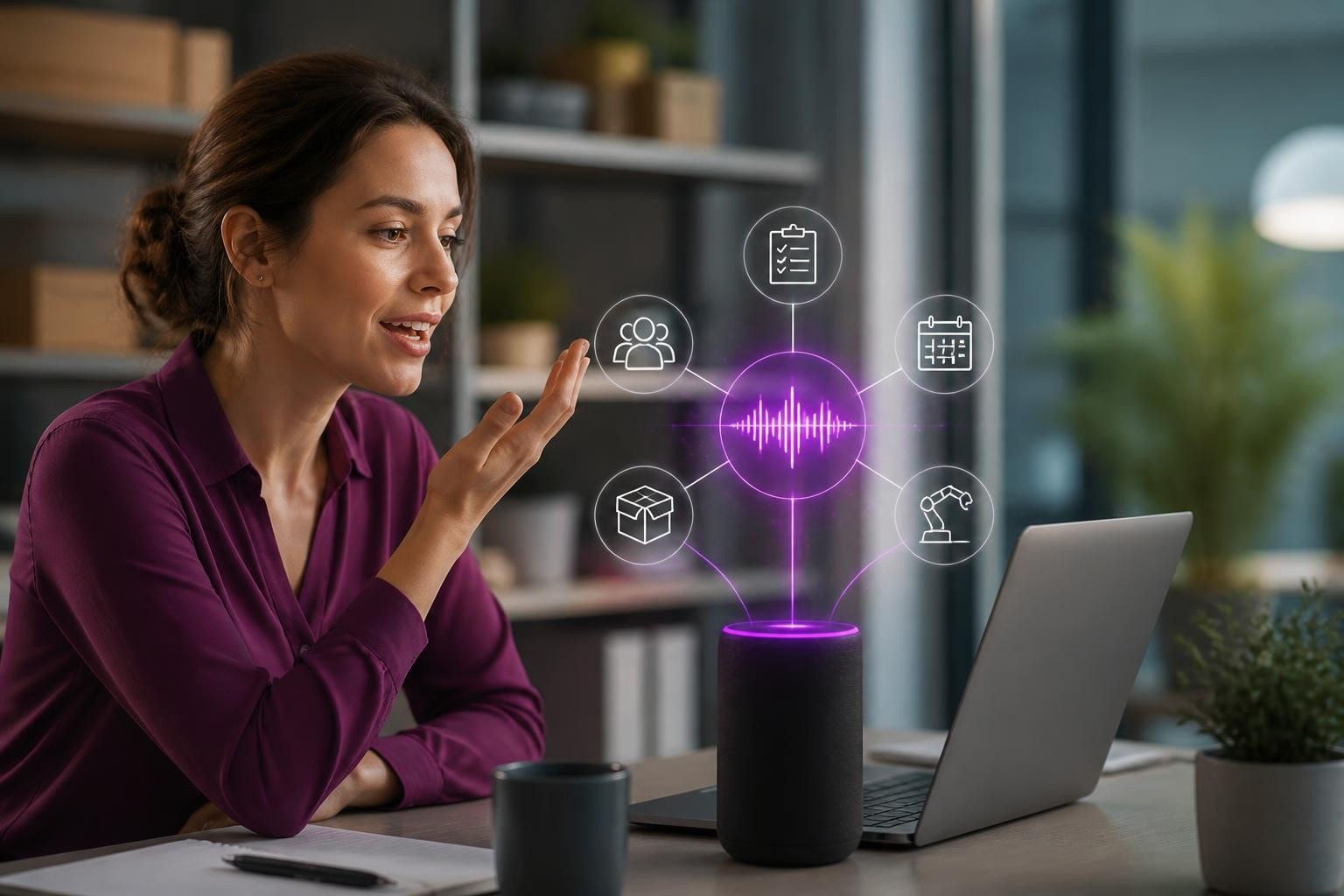
- Voice-controlled shopping, booking, and payments
For small businesses exploring AI-powered assistant technology, Xiao AI demonstrates that successful voice tech isn't about cramming in every possible feature. It's about solving specific, repetitive problems really well.

The Tech Stack Behind the Assistant
Xiaomi's invested heavily in the underlying technology that powers the xiao ai voice assistant, and this is where things get interesting for anyone thinking about implementing voice tech in their business. According to recent research published on arXiv, Xiaomi's developed sophisticated automatic speech recognition (ASR) systems that handle multiple accents, background noise, and conversational nuances.
The assistant uses large language models (LLMs) to understand intent and context, similar to ChatGPT but optimized for voice interaction and device control. This matters because the same principles can be applied to business contexts like customer service automation or warehouse management.
How It Actually Works
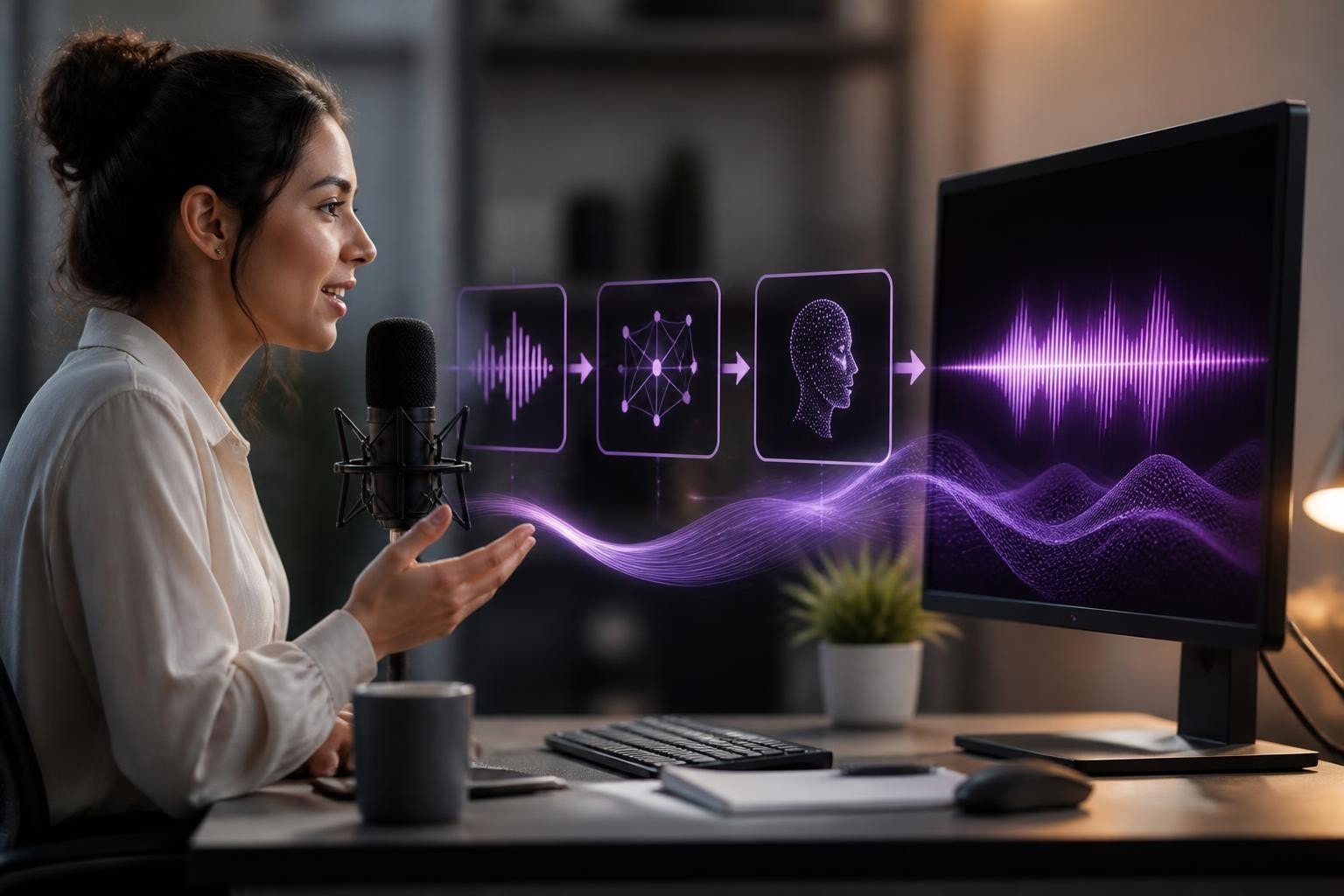
Here's the simplified process when you talk to Xiao AI:
- Wake word detection activates the assistant (low-power, always-listening mode)
- Speech-to-text conversion captures what you said
- Intent recognition figures out what you want (using NLP and LLMs)
- Action execution triggers the appropriate response or device control
- Feedback loop learns from corrections and usage patterns
The developer documentation shows how third parties can build "skills" (voice apps) that extend the assistant's capabilities. This is similar to how businesses might create custom AI agents tailored to their specific workflows.
| Component | Business Application | Small Business Benefit |
|---|---|---|
| Wake word detection | Voice-activated warehouse picking | Hands-free operation, faster processing |
| Intent recognition | Customer query routing | Reduced call handling time, better accuracy |
| Action execution | Inventory updates, order processing | Automated admin tasks, fewer errors |
| Learning loop | Personalized customer interactions | Improved service quality over time |
Real-World Hardware Integration
What separates Xiaomi's approach from competitors is how they've embedded the xiao ai voice assistant into actual products people carry and use daily. Android Central's coverage of Xiaomi AI Glasses highlights how voice tech is moving beyond smartphones into wearables that make sense for specific use cases.
The AI glasses include cameras, microphones, and displays that let users interact with Xiao AI while keeping their hands free. Imagine a retail worker doing stocktake with voice commands, or a tradesperson accessing technical specs without putting down tools. That's the practical direction voice technology is heading.
Hardware where Xiao AI lives:
- Smartphones (primary interface with full capabilities)
- Smart speakers (home and office control hubs)
- Smart displays (visual + voice interaction)
- Wearables (watches, earbuds, glasses)
- Home appliances (fridges, air conditioners, robot vacuums)
Privacy and Data Considerations
One concern with any voice assistant is what happens to your data. Research published in Privacy Enhancing Technologies Symposium 2025 examined voice assistant privacy practices, finding that most collect significant user data to improve performance and personalize responses.
For businesses, this raises important questions about customer data protection, especially under UK GDPR. If you're implementing voice technology in customer-facing scenarios, you'll need to:
- Clearly communicate what's being recorded and why
- Provide opt-out mechanisms for voice interactions
- Store and process voice data securely
- Consider on-device processing where possible (reduces cloud transmission)
- Regular audit who has access to voice recordings and transcripts
The xiao ai voice assistant primarily operates within China's regulatory framework, but the technical approaches to privacy (like local processing on newer devices) offer lessons for UK small businesses exploring similar tech.
What Small Businesses Can Learn
Here's the thing: you're probably not going to deploy Xiao AI in your UK business (it's region-locked and Chinese-language focused). But the principles behind its success are absolutely transferable to how you think about implementing workplace AI solutions.
Xiaomi's approach teaches us:
- Start with specific problems (device control, shopping, booking) rather than trying to do everything
- Integrate deeply with existing tools and workflows instead of adding yet another separate system
- Make it genuinely hands-free when that actually helps (warehouse, kitchen, driving)
- Learn from usage to get better over time rather than static rule-based responses
- Consider hardware that matches how people work (headsets, wearables) not just apps
According to Xiaomi's corporate filings, their AI strategy focuses on "practical AI that delivers tangible value" across their product ecosystem. That's exactly the mindset small businesses should adopt when exploring AI tools.
Practical Implementation Ideas
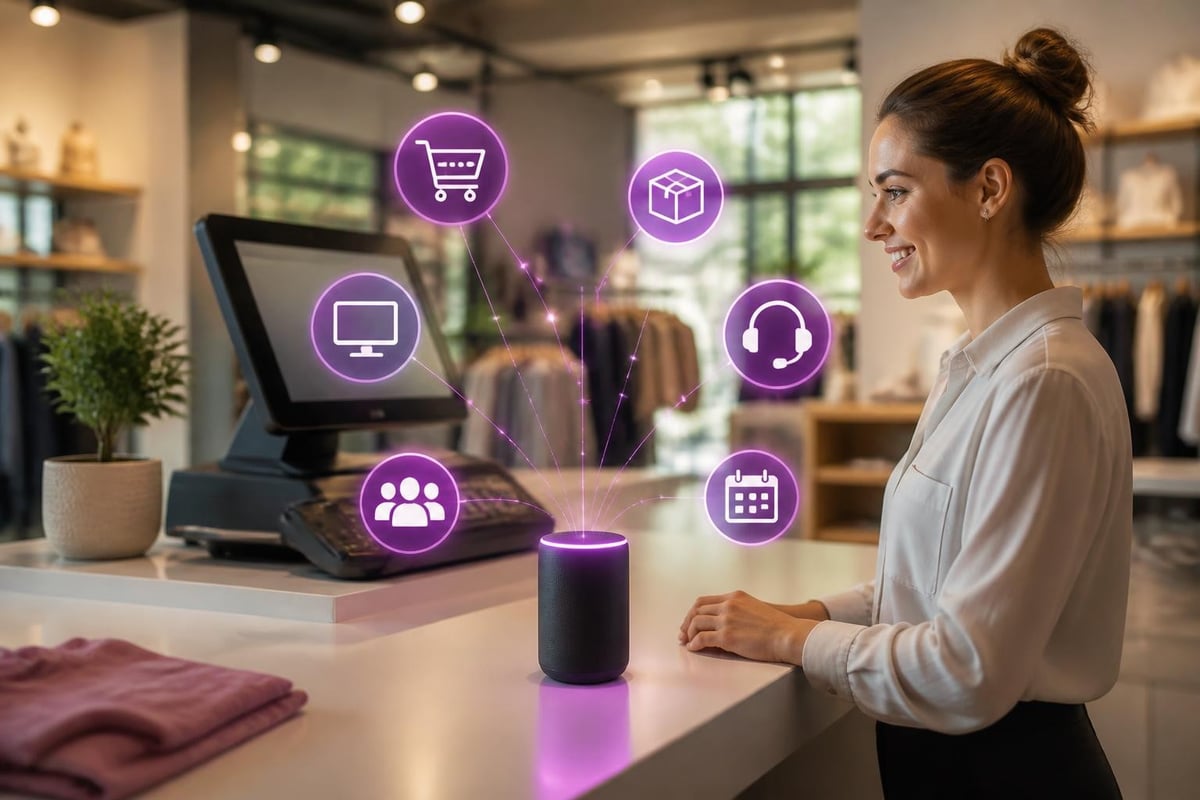
Think about where voice interaction genuinely saves time in your business:
| Business Type | Voice Assistant Use Case | Time Saved |
|---|---|---|
| Retail | Inventory checks while serving customers | 5-10 min per query |
| Trade services | Accessing job specs hands-free on site | 15-20 min per job |
| Hospitality | Taking table orders directly to kitchen | 3-5 min per table |
| eCommerce | Voice-directed picking and packing | 20-30 min per shift |
| Professional services | Meeting note-taking and task creation | 10-15 min per meeting |
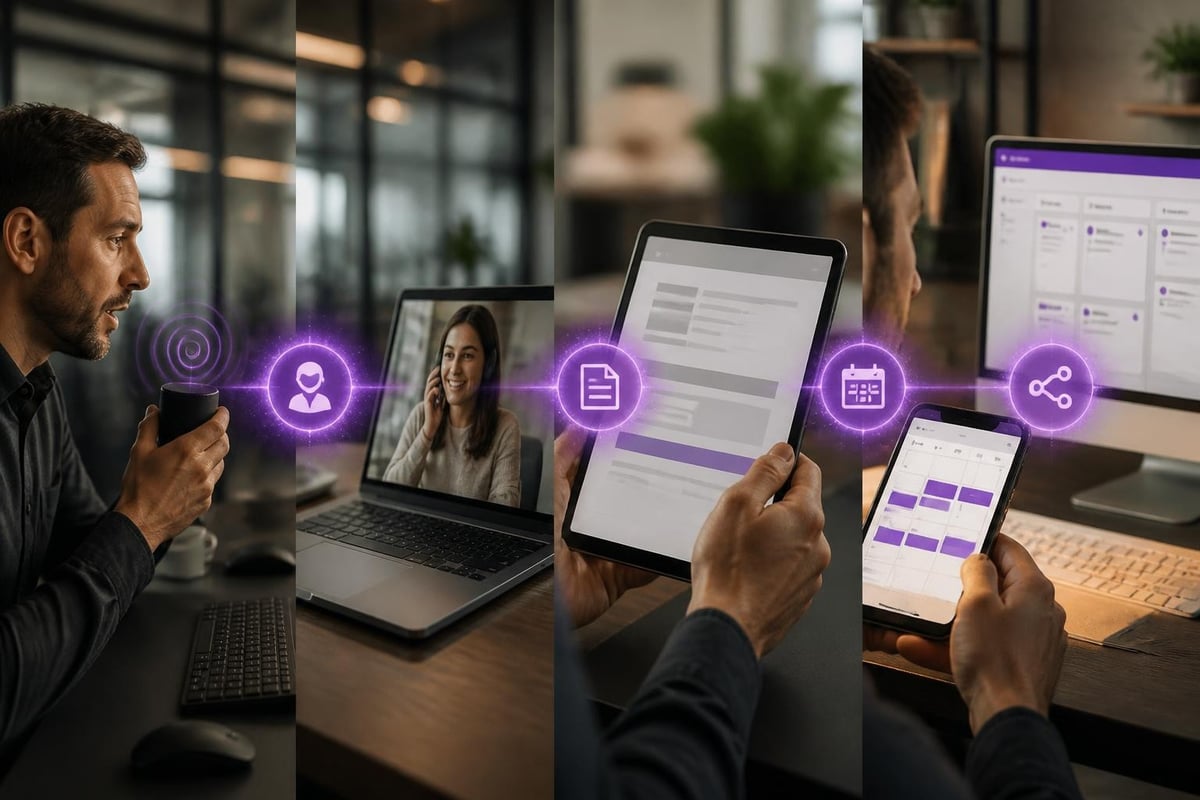
The platform integration guidance shows how Xiaomi connects voice commands to backend systems. Small businesses can achieve similar results by connecting voice tools to existing platforms like inventory management, booking systems, or CRMs.
The Super Xiao AI Upgrade
TechRadar's analysis of Super Xiao AI describes how Xiaomi's 2025 upgrade brought LLM-powered capabilities that compete with Apple Intelligence and Google Gemini. The "super" version can summarize documents, generate images, write content, and handle complex multi-step tasks.
This matters because it shows the direction voice assistants are heading: from simple command-response interactions to genuine AI collaboration. For small businesses, this evolution means voice tech could soon handle tasks like:
- Generating customer response drafts from voice briefs
- Creating social media content from spoken ideas
- Analyzing sales data and explaining trends in plain English
- Walking through complex processes step-by-step with voice guidance
The key is that these aren't future possibilities; the underlying technology exists now. The challenge for small businesses is implementing it in a way that fits your actual workflows without getting distracted by shiny features you don't need.
Getting Started Without the Hype
If you're thinking about voice technology for your business, the xiao ai voice assistant model suggests a sensible approach: start small, focus on clear time-savings, and integrate with tools you already use.
Steps to explore voice AI practically:
- Identify one repetitive, hands-busy task that genuinely needs voice input
- Test with existing tools (Google Assistant, Alexa for Business, Siri Shortcuts) before custom development
- Measure actual time saved with real staff doing real work
- Expand only if ROI is clear and staff actually use it (adoption matters more than features)
- Consider privacy implications especially if handling customer data
The technical foundation demonstrated by Xiaomi's speech processing research shows how complex these systems are under the hood. For most small businesses, that complexity means working with proven platforms or specialist AI implementation partners who can navigate the options and deliver working solutions quickly.
Voice technology isn't magic, and it's not right for every task. But where it fits (hands-free environments, quick data lookups, routine command sequences), it can genuinely reduce admin overhead and speed up operations. The trick is being honest about where it helps and where it's just adding unnecessary tech to your stack.
The xiao ai voice assistant shows what's possible when AI technology focuses on solving real problems rather than chasing headlines. For small businesses, the lesson is clear: start with specific pain points, test practical solutions, and measure actual results. If you're ready to explore how voice technology or other AI tools could genuinely improve your operations without the hype, AI 4 Small Business helps you identify the right opportunities, implement working solutions fast, and build capability that delivers measurable impact. Let's focus on what actually works for your business.