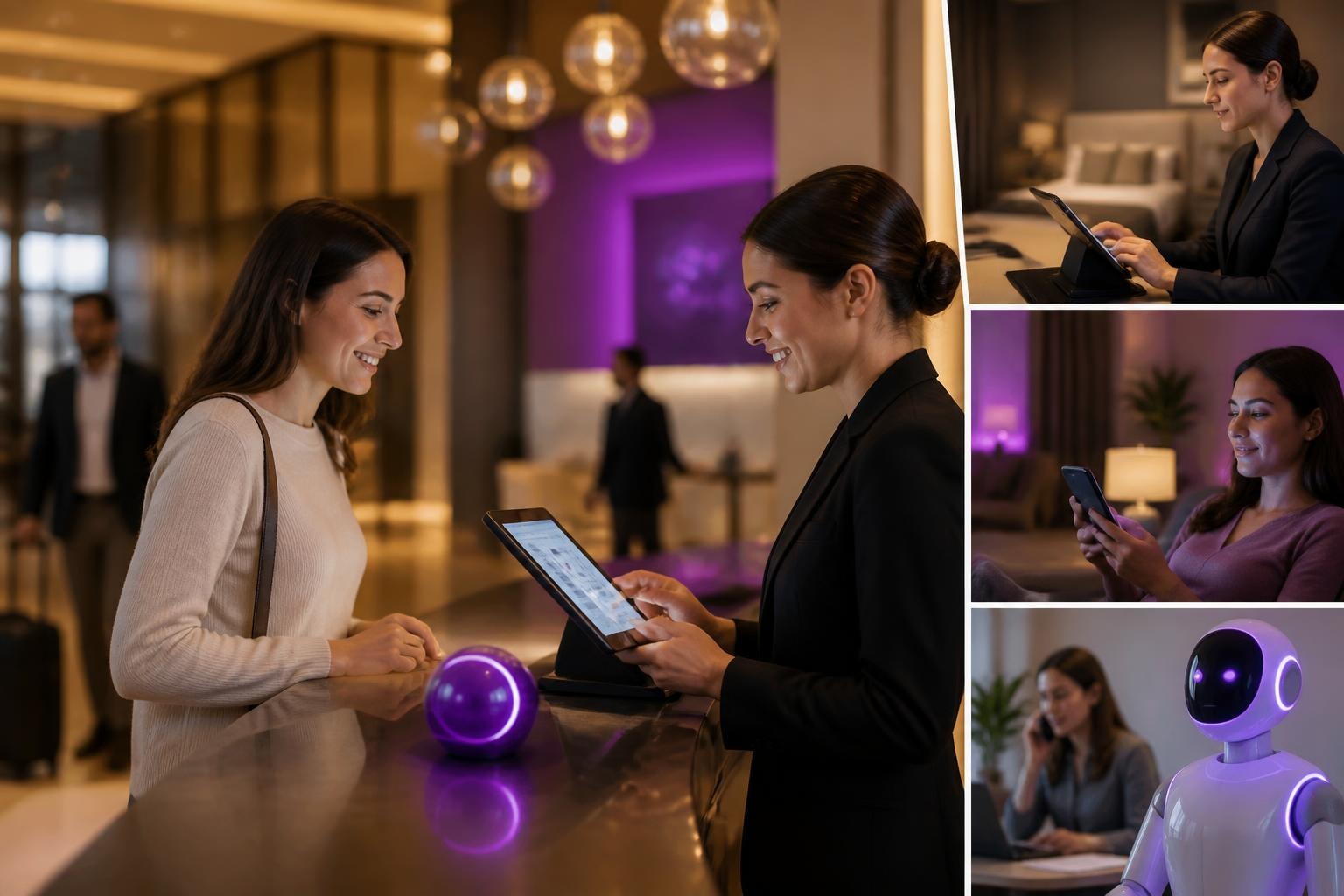
The tourism and hospitality sector has always been about creating memorable experiences, but it's also notoriously admin-heavy. Between managing bookings, coordinating staff, responding to guest queries, and keeping track of inventory, small hotels, B&Bs, tour operators, and restaurants often find themselves drowning in operational tasks. That's where ai in tourism and hospitality is making a genuine difference in 2026, not through fancy tech for tech's sake, but by automating the tedious stuff so you can focus on what actually matters: your guests.
Where AI Actually Makes Sense in Your Tourism Business
Let's cut through the noise. AI in tourism and hospitality isn't about replacing the human touch that makes your business special. It's about removing the bottlenecks that stop you delivering that experience consistently.
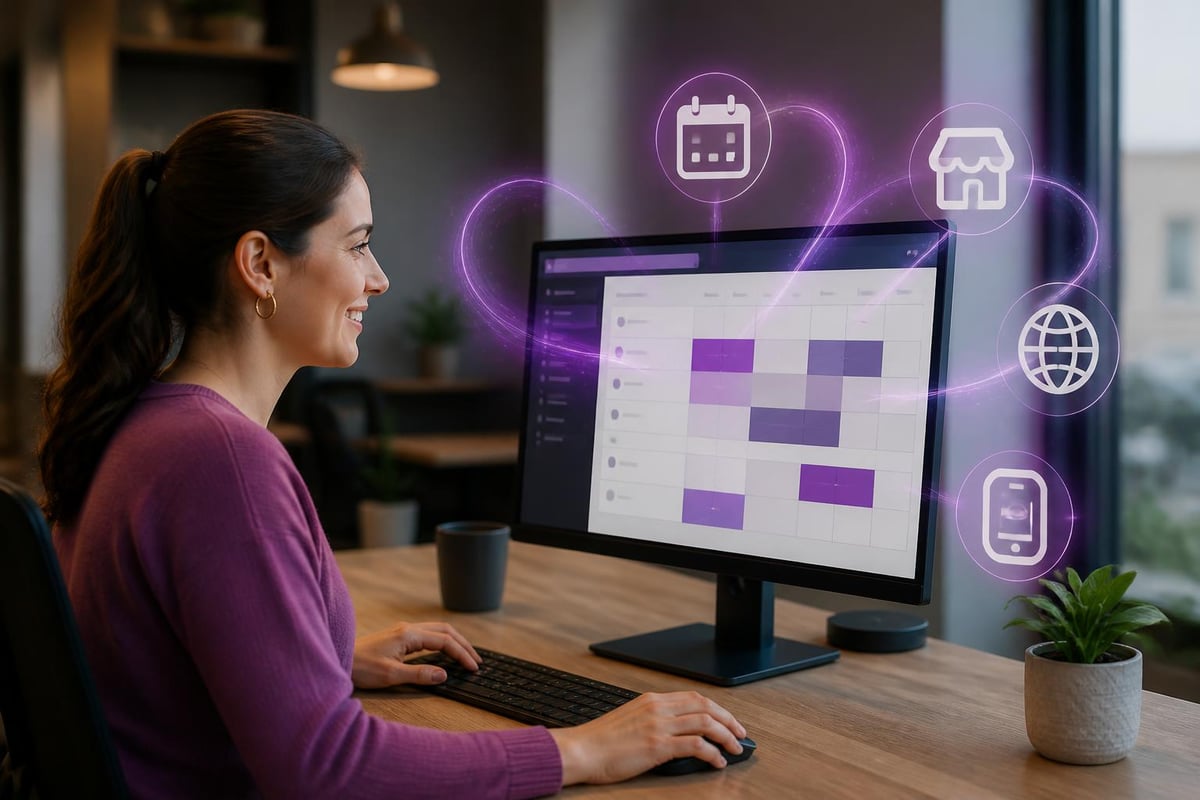
Booking management is the obvious starting point. AI-powered systems can handle reservation requests across multiple platforms, automatically update availability, send confirmation emails, and even manage cancellations without you lifting a finger. For a small guesthouse juggling Booking.com, Airbnb, and direct bookings, that's hours saved every week.
Guest Communication That Actually Scales
Here's something most small tourism businesses struggle with: answering the same questions repeatedly. When does breakfast start? Is parking included? Can you arrange airport transfers?
AI chatbots and virtual assistants can handle these routine queries 24/7, in multiple languages if needed. We're not talking about the clunky bots from five years ago. Modern AI virtual agents can understand context, provide personalised responses based on booking details, and escalate complex issues to your team.
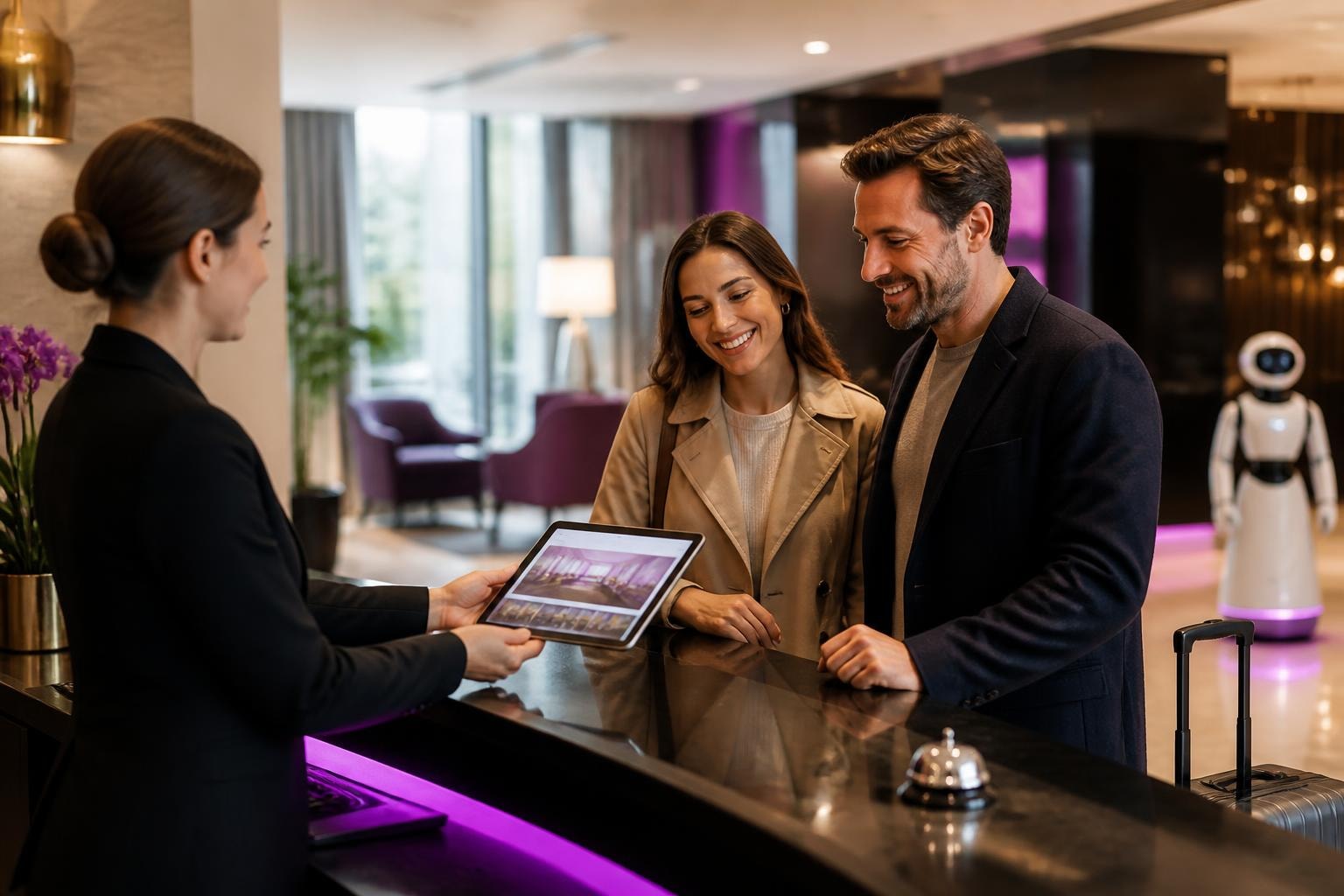
One of our clients, a boutique hotel in Cornwall, implemented a simple AI chat system that now handles roughly 60% of pre-arrival questions. That's freed up their reception team to actually greet guests properly instead of being glued to their inbox.
Practical Applications You Can Implement This Month
Let's get specific. Here are AI tools that small tourism and hospitality businesses are using right now:
- Dynamic pricing tools that adjust room rates based on demand, local events, and competitor pricing
- Review monitoring systems that alert you to new reviews and suggest response templates
- Staff scheduling AI that predicts busy periods and optimises rotas accordingly
- Inventory management for restaurants that forecasts demand and reduces waste
- Personalised marketing that sends targeted offers based on previous guest behaviour
The beauty of these tools is that most don't require custom development. They're off-the-shelf solutions that integrate with your existing systems. Getting started with AI doesn't mean rebuilding your entire operation.
The Revenue Management Opportunity
Revenue management used to be the domain of big hotel chains with dedicated teams. Now, AI brings that capability to small operators. Research shows that AI systems applied to tourism include sophisticated recommendation engines and prediction models that were previously inaccessible to smaller businesses.
| Task | Manual Approach | AI-Powered Approach |
|---|---|---|
| Price adjustments | Weekly review, spreadsheet-based | Real-time dynamic pricing |
| Demand forecasting | Historical averages, gut feel | Predictive analytics using multiple data sources |
| Competitor monitoring | Manual website checks | Automated tracking and alerts |
| Promotional timing | Seasonal calendar | Data-driven opportunity identification |
A small tour operator we worked with implemented basic AI-driven pricing and saw a 15% revenue increase in their first season. Not because they raised prices across the board, but because they were charging appropriately for peak demand whilst filling previously empty slots with targeted discounts.
Making AI Work Within Your Operational Reality
Here's the thing about ai in tourism and hospitality: the best implementations are the ones that fit seamlessly into how you already work. You don't need to become a tech company. You need tools that solve actual problems.
Start by identifying your biggest time-drains. For most hospitality businesses, that's repetitive admin, responding to enquiries, and coordinating information across different systems. Those are perfect candidates for automation.
Building Your AI Toolkit
Step 1: Map your guest journey Write down every touchpoint from initial enquiry to post-stay follow-up. Where are the repetitive tasks?
Step 2: Prioritise by impact Which automations would save the most time or improve guest experience most significantly?
Step 3: Start small Choose one area and implement a simple AI solution. Measure the results. Then expand.
This practical approach mirrors how we help businesses implement AI across different sectors. It's about building capability gradually, not revolutionary overnight change.
Beyond Customer-Facing Applications
Whilst guest-facing AI gets most of the attention, some of the biggest wins in ai in tourism and hospitality come from internal operations. Think about back-office processes that eat up your time.
Document processing is a perfect example. AI document processing software can extract data from invoices, supplier contracts, and booking forms automatically. No more manual data entry.
Maintenance scheduling powered by AI can predict when equipment needs servicing based on usage patterns, preventing those nightmare boiler breakdowns during peak season.
Staff training becomes more efficient with AI-powered systems that identify knowledge gaps and deliver personalised learning modules.
The Restaurant-Specific Angle
Restaurants and cafés within the hospitality sector have their own unique opportunities. AI-powered kitchen display systems can optimise prep times and reduce table wait times. Inventory systems predict exactly how much of each ingredient you'll need based on reservations, weather, local events, and historical patterns.
One restaurant owner told us their AI inventory system paid for itself within two months purely through reduced food waste. That's the kind of measurable impact that matters.
Integration, Not Isolation
The most successful ai in tourism and hospitality implementations we've seen don't operate in silos. They connect your booking system, payment processor, email marketing, review platforms, and operations software into a coherent whole.
This is where many small businesses struggle. You've got five different systems that don't talk to each other, so you're manually copying information between them. AI can bridge those gaps through intelligent integrations and automated workflows.
| Integration Type | Business Impact | Implementation Complexity |
|---|---|---|
| Booking to email marketing | Automated guest journey emails | Low |
| Review platforms to CRM | Centralised guest feedback | Low |
| PMS to accounting software | Automated financial reconciliation | Medium |
| Booking to staff scheduling | Dynamic rota adjustments | Medium |
| Multiple channel management | Unified availability and pricing | High |
For more on how AI is used in business to create these connected systems, the key is understanding that integration delivers compounding benefits. Each connection makes the whole system more valuable.
What Actually Matters: Results, Not Technology
Let's be honest. You don't care about the technical details of machine learning algorithms. You care about filling rooms, improving guest satisfaction, reducing costs, and freeing up your time. That's what treating AI as a tool means in practice.
When evaluating any AI solution for your tourism or hospitality business, ask yourself:
- What specific problem does this solve?
- How much time will it save me or my team?
- Can I measure the impact clearly?
- Does it integrate with what I'm already using?
- What happens if it goes wrong?
These practical questions keep you focused on outcomes rather than getting caught up in AI hype. The tourism and hospitality sector has seen enough technology fads. AI in tourism and hospitality works when it delivers tangible benefits quickly.
The opportunity for small tourism and hospitality businesses to benefit from AI has never been more accessible. The tools exist, they're affordable, and they deliver measurable results when implemented thoughtfully. If you're ready to identify which AI solutions would actually move the needle in your business, AI 4 Small Business specialises in practical, results-driven AI implementation. We'll help you cut through the options, automate what matters, and build capability that drives real growth without the dependency or complexity.