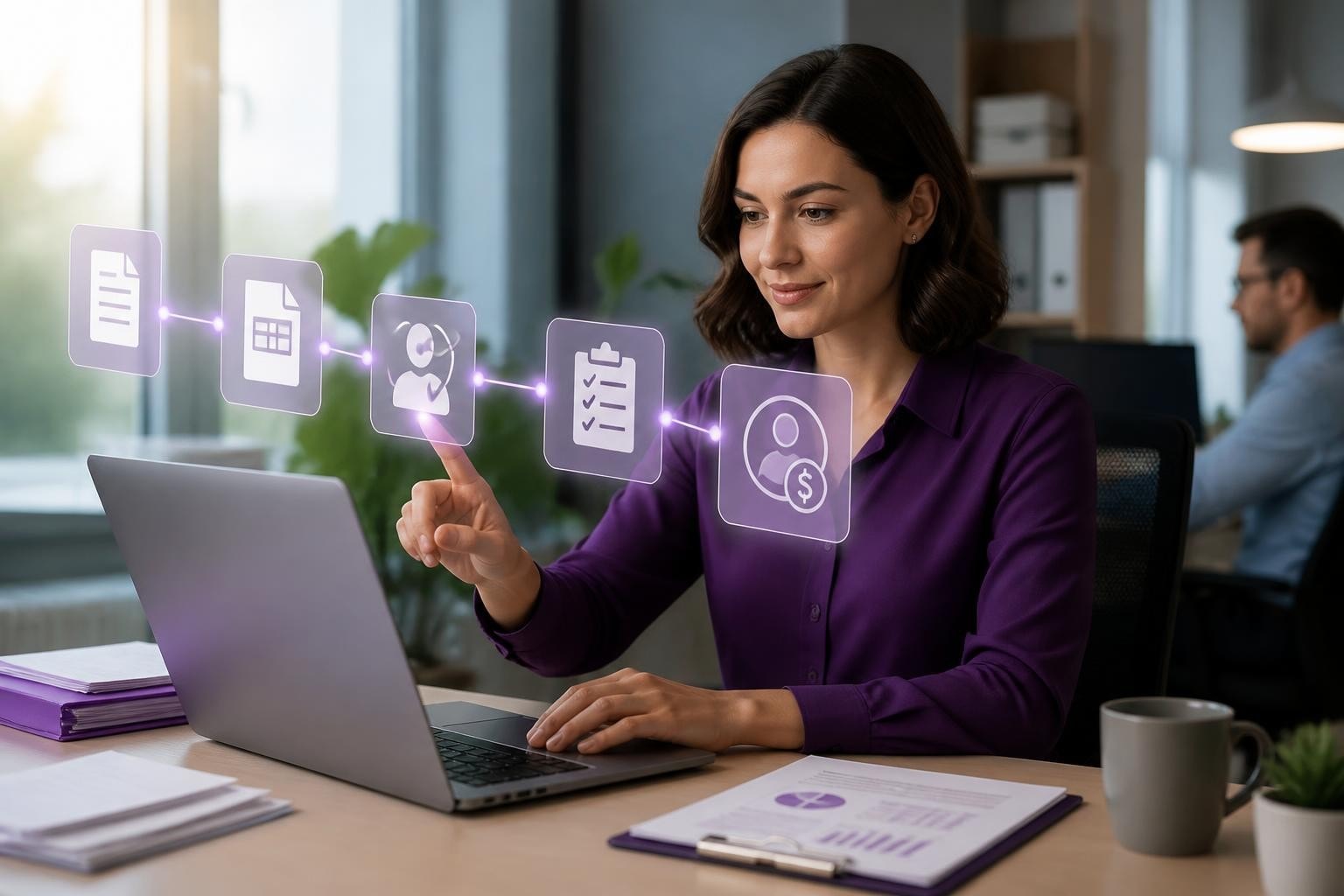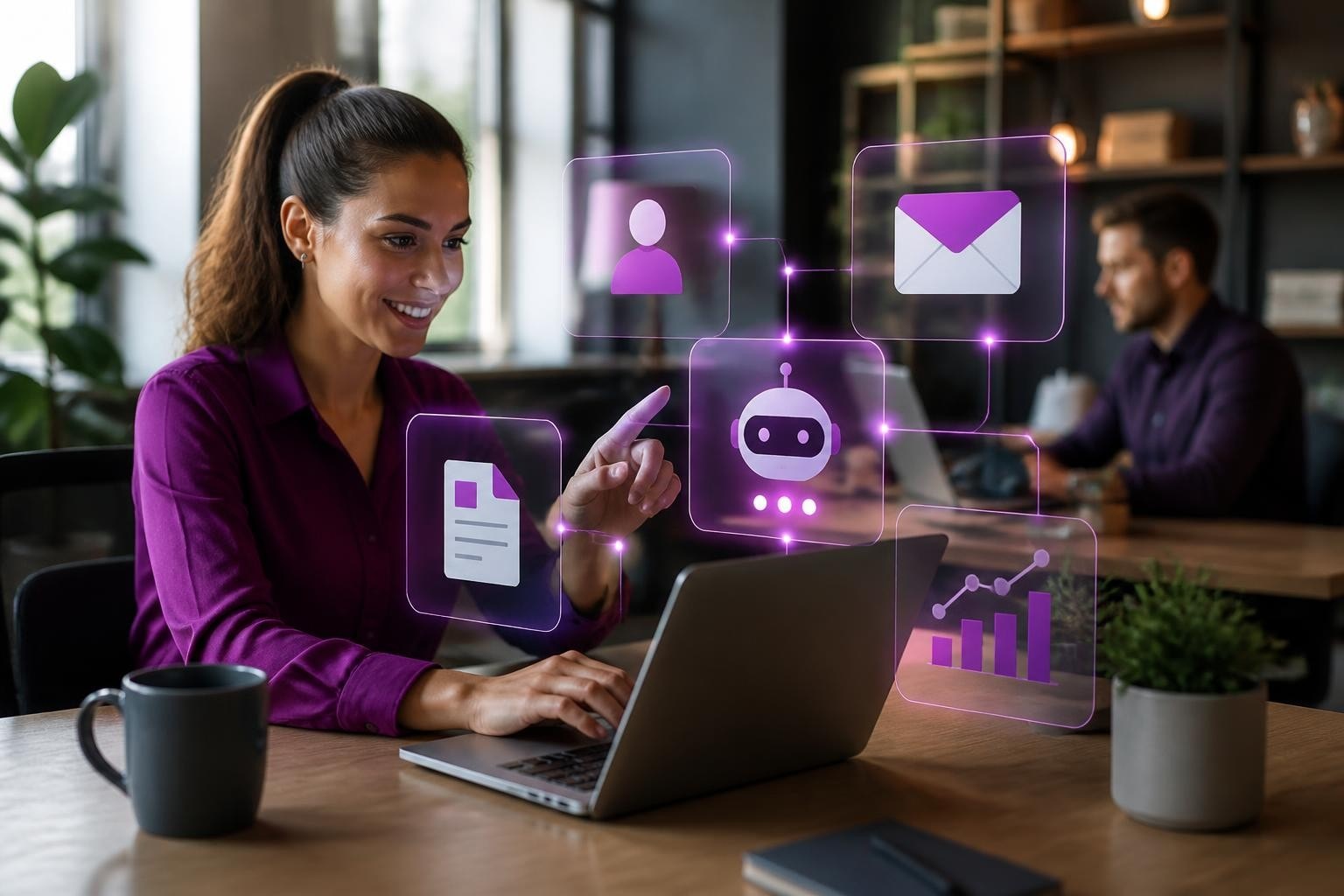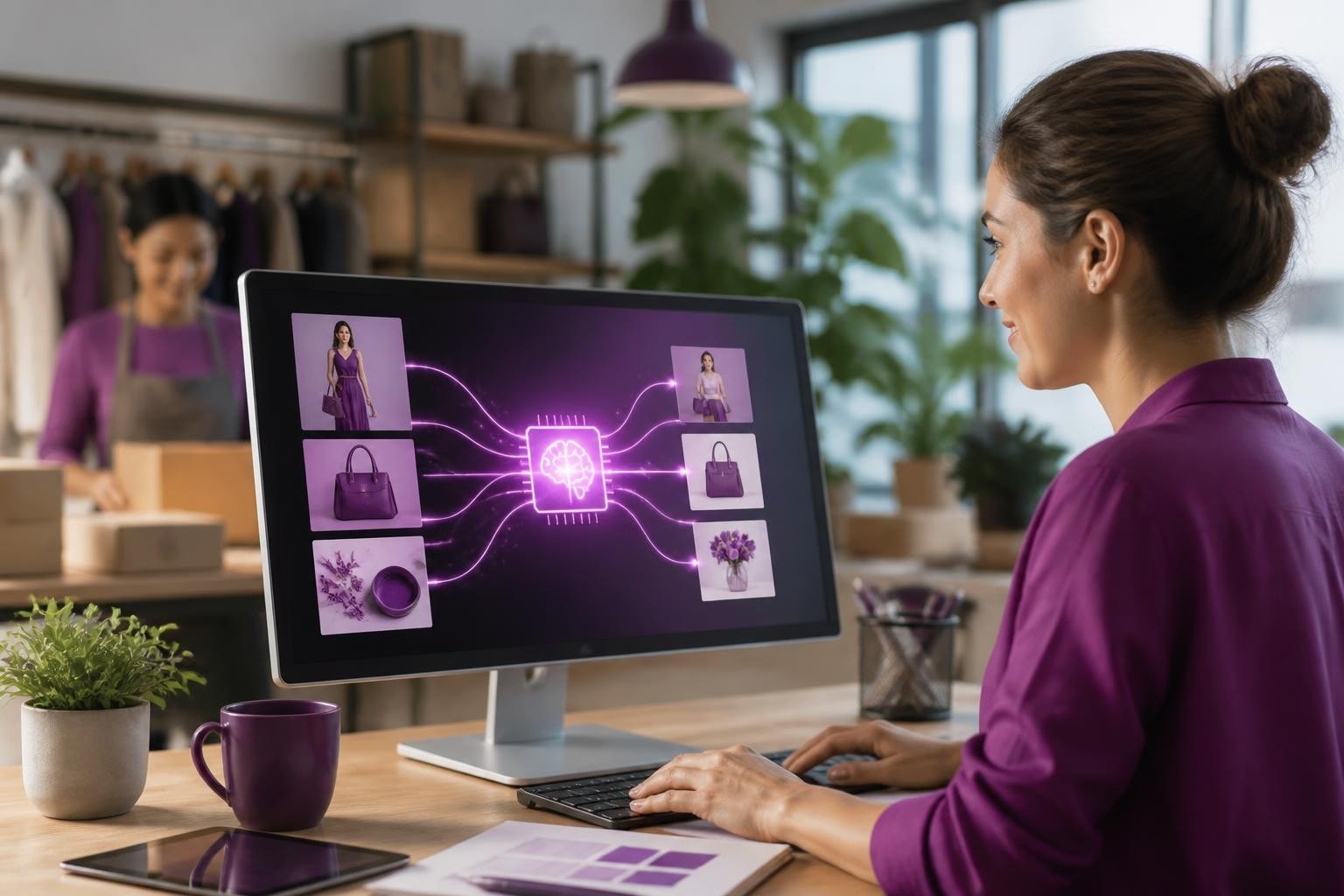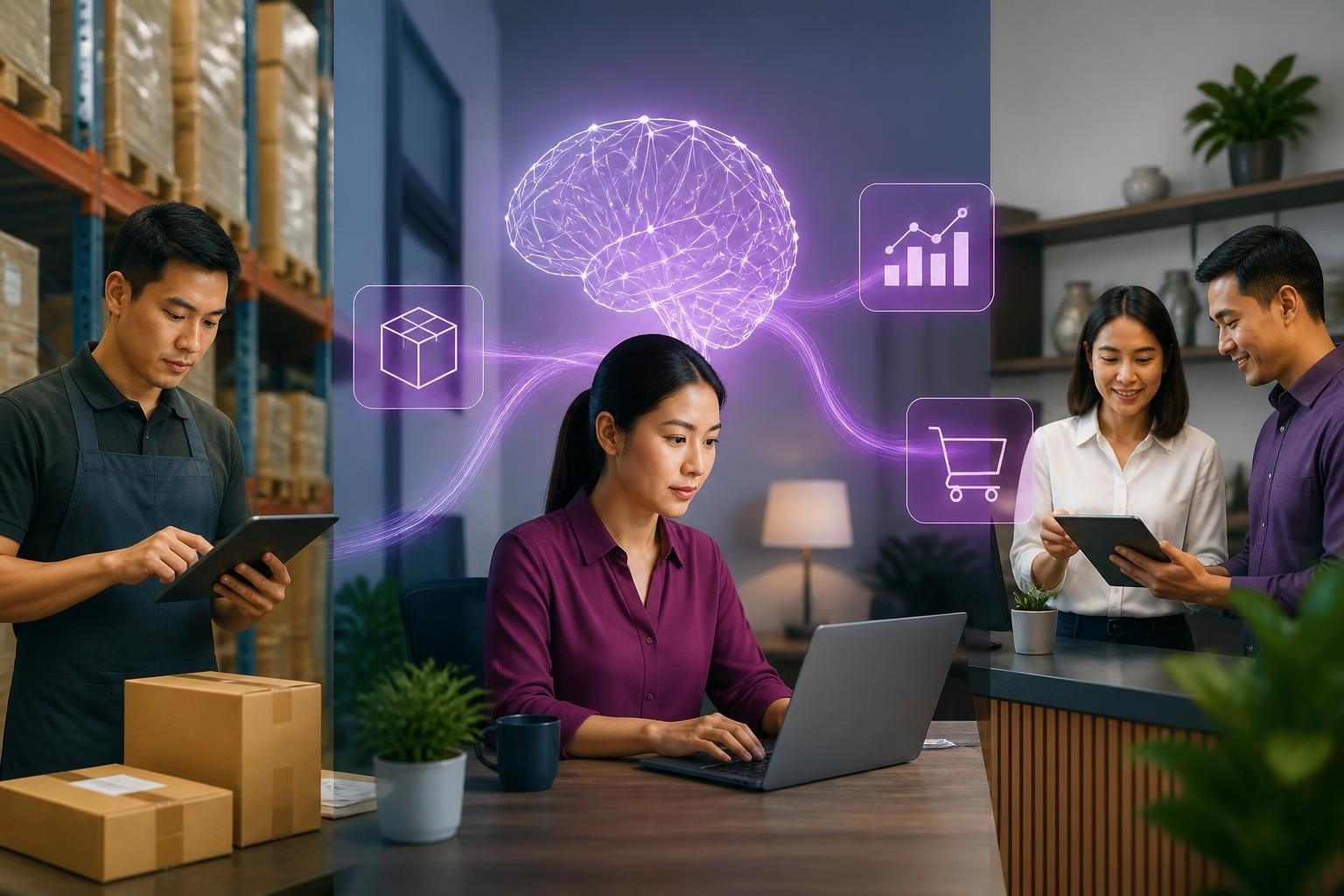
If you're running a small business in 2026, you've probably heard the buzz about ai and erp systems working together. But what does that actually mean for your day-to-day operations? Here's the thing: most small business owners think ERP (Enterprise Resource Planning) is just for big corporations with massive budgets. And AI? That's still something futuristic, right? Wrong on both counts. The combination of ai and erp is becoming more accessible, and it's creating real opportunities for businesses like yours to work smarter, not harder.
What's Actually Happening with AI and ERP
Let's cut through the noise. AI in ERP systems is fundamentally about automating the stuff that takes up too much of your time. We're talking about your inventory management, financial reporting, order processing, and customer service workflows.
Here's what ai and erp integration actually does:
- Predicts inventory needs based on historical patterns and seasonal trends
- Automates data entry across different business functions
- Flags anomalies in financial transactions before they become problems
- Generates insights from your business data without manual analysis
- Streamlines approval workflows by routing tasks intelligently
The key difference in 2026 is that AI is now embedded directly into ERP workflows, rather than being a separate add-on. This means you're not juggling multiple systems or paying for expensive integrations.
Why Small Businesses Should Care Now
You might be thinking, "This sounds great for bigger companies, but I'm just trying to keep my head above water." Fair enough. But here's why the timing matters: the gap between enterprise-level tools and small business solutions is closing fast.
The Real Benefits for Your Business
Traditional ERP systems required you to input data manually, run reports, and make decisions based on what happened last week or last month. With ai and erp working together, you get real-time intelligence that actually helps you make better calls.
| Traditional ERP | AI-Enhanced ERP |
|---|---|
| Manual data entry across modules | Automated data capture and validation |
| Historical reporting only | Predictive analytics and forecasting |
| Fixed workflows | Adaptive processes based on patterns |
| Reactive problem-solving | Proactive alerts and recommendations |
| One-size-fits-all reports | Personalised insights by role |
For a retail business, this might mean your system automatically suggests reordering stock before you run out. For a trades company, it could predict which jobs are likely to overrun based on historical project data. For professional services, it might automate timesheet approvals and flag billing discrepancies.
The business process automation capabilities we see today weren't available to small businesses even two years ago.
Practical Applications You Can Actually Use
Right, let's get specific. How does ai and erp actually work in practice? Here are scenarios that matter for small businesses:
1. Financial Management That Doesn't Take All Day
Your AI-enabled ERP can categorise expenses automatically, match invoices to purchase orders, and flag discrepancies. It learns from your approval patterns and can route invoices to the right people without you creating complex rules.
2. Smarter Inventory Decisions
Instead of guessing when to reorder, AI analyses your sales patterns, seasonal trends, and supplier lead times to suggest optimal order quantities and timing. This is particularly valuable for eCommerce businesses juggling multiple product lines.
3. Customer Service Integration
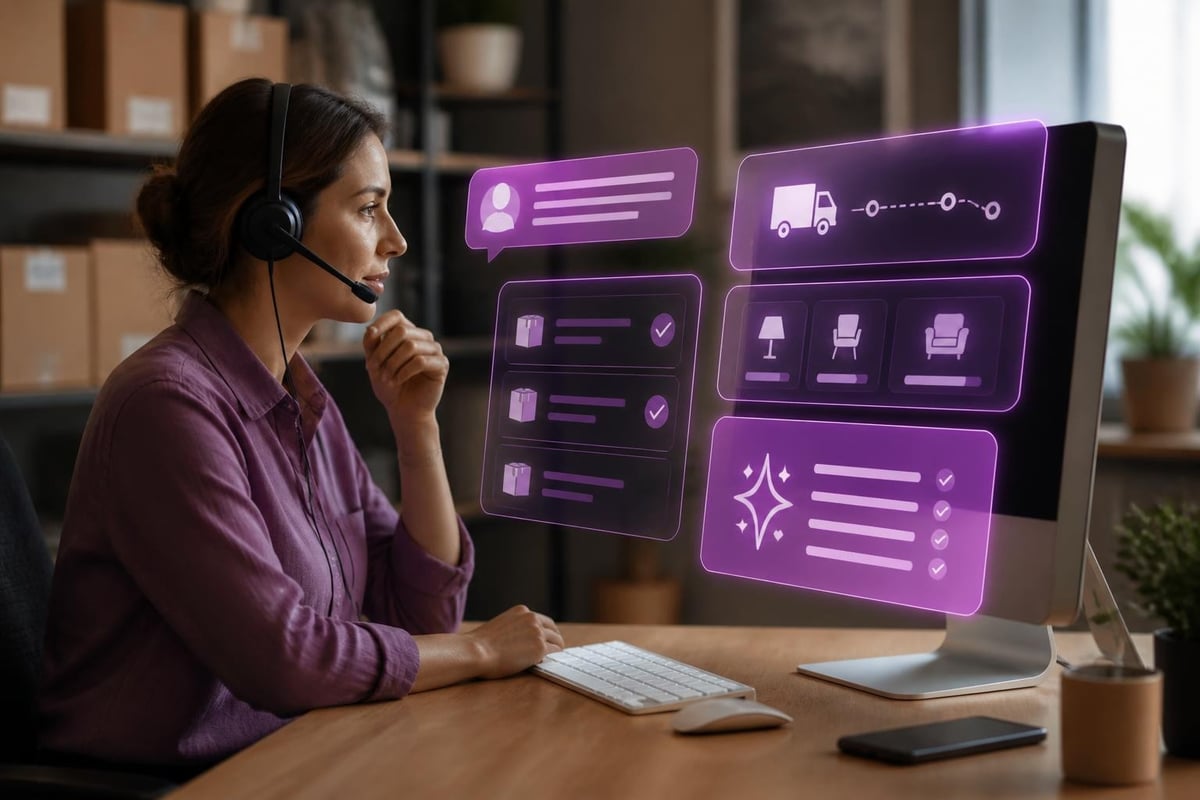
When a customer calls about an order, your team can see everything instantly: order status, payment history, previous interactions, and predicted delivery dates. The AI can even suggest solutions based on similar past cases.
Getting Started Without the Overwhelm
Look, implementing ai and erp doesn't mean ripping out your current systems and starting from scratch. That's the old way of thinking. In 2026, how AI is shaping modern ERP is all about gradual, modular adoption.
Start with your biggest pain point. Is it inventory? Financial reporting? Order processing? Pick one area where you're losing the most time or making the most errors.
Here's a realistic approach:
- Identify the time-sink: Where are you or your team spending hours on repetitive tasks?
- Map the current process: Document exactly what happens now, step by step
- Define success metrics: What would "better" actually look like? Hours saved? Fewer errors?
- Test with real data: Use your actual business data, not theoretical examples
- Measure and adjust: Track the impact over 30-60 days and tweak as needed
This is exactly the approach we use with AI implementation projects across different sectors, and it works because it's focused on outcomes, not technology for technology's sake.
The Skills Gap and How to Bridge It
Here's something nobody talks about enough: implementing ai and erp successfully isn't just about the software. You need people who understand both your business processes and the AI capabilities. That's increasingly challenging in 2026.
Many small businesses are turning to AI talent marketplaces like Augmnt to find verified professionals who can bridge this gap without committing to full-time hires. It's a practical way to access expertise when you need it.
What to Look for in AI-ERP Solutions
- Industry-specific templates: Generic systems require too much customisation
- Transparent pricing: Hidden costs kill small business budgets
- Actual automation: Not just "AI-powered" marketing fluff
- Integration capabilities: Works with tools you already use
- Training and support: Because you'll have questions
The use of AI in business needs to be practical, not aspirational. If the vendor can't show you specific examples of time saved or errors reduced, keep looking.
Sector-Specific Opportunities
Different industries get different benefits from ai and erp integration. Let's look at a few examples:
Manufacturing and trades: Predictive maintenance alerts, automated job costing, material waste reduction through better forecasting. Our work with AI in manufacturing shows these systems can reduce material waste by 15-20%.
Retail and eCommerce: Dynamic pricing based on demand patterns, automated stock allocation across channels, customer behaviour prediction for marketing. Retailers using AI report significant improvements in stock turn rates.
Professional services: Automated time tracking, project profitability forecasting, resource allocation based on skills and availability patterns.
Recruitment agencies: Candidate matching, interview scheduling, automated reference checking. The intersection of AI in recruitment with ERP systems creates powerful workflows.

Common Mistakes to Avoid
After working with dozens of small businesses on AI implementation, here are the pitfalls we see most often:
Trying to automate everything at once. Start small, prove value, then expand. Wholesale transformation fails more often than it succeeds.
Choosing tools based on features rather than problems. If it doesn't solve a specific, measurable problem you have right now, don't buy it.
Ignoring data quality. AI is only as good as the data you feed it. If your current data is a mess, fix that first.
Underestimating change management. Your team needs to understand why you're doing this and how it helps them, not just you.
The Reality Check
Let's be honest: ai and erp integration isn't magic. It won't fix fundamental business model problems or make bad decisions for you. What it will do is free up your time from repetitive tasks, give you better information faster, and help you scale without proportionally increasing admin overhead.
The businesses seeing real results in 2026 are those treating AI as a practical tool for specific jobs, not a wholesale transformation project. They're measuring outcomes in hours saved, errors reduced, and decisions made faster. That's the difference between AI hype and AI implementation.
The combination of ai and erp offers genuine opportunities for small businesses to compete more effectively, but success comes from focusing on practical problems and measurable outcomes. If you're ready to explore how AI can work in your specific business context-identifying the right processes to automate and implementing solutions that deliver real impact-AI 4 Small Business can help you cut through the noise and build AI capabilities that actually work for your business, not against it.