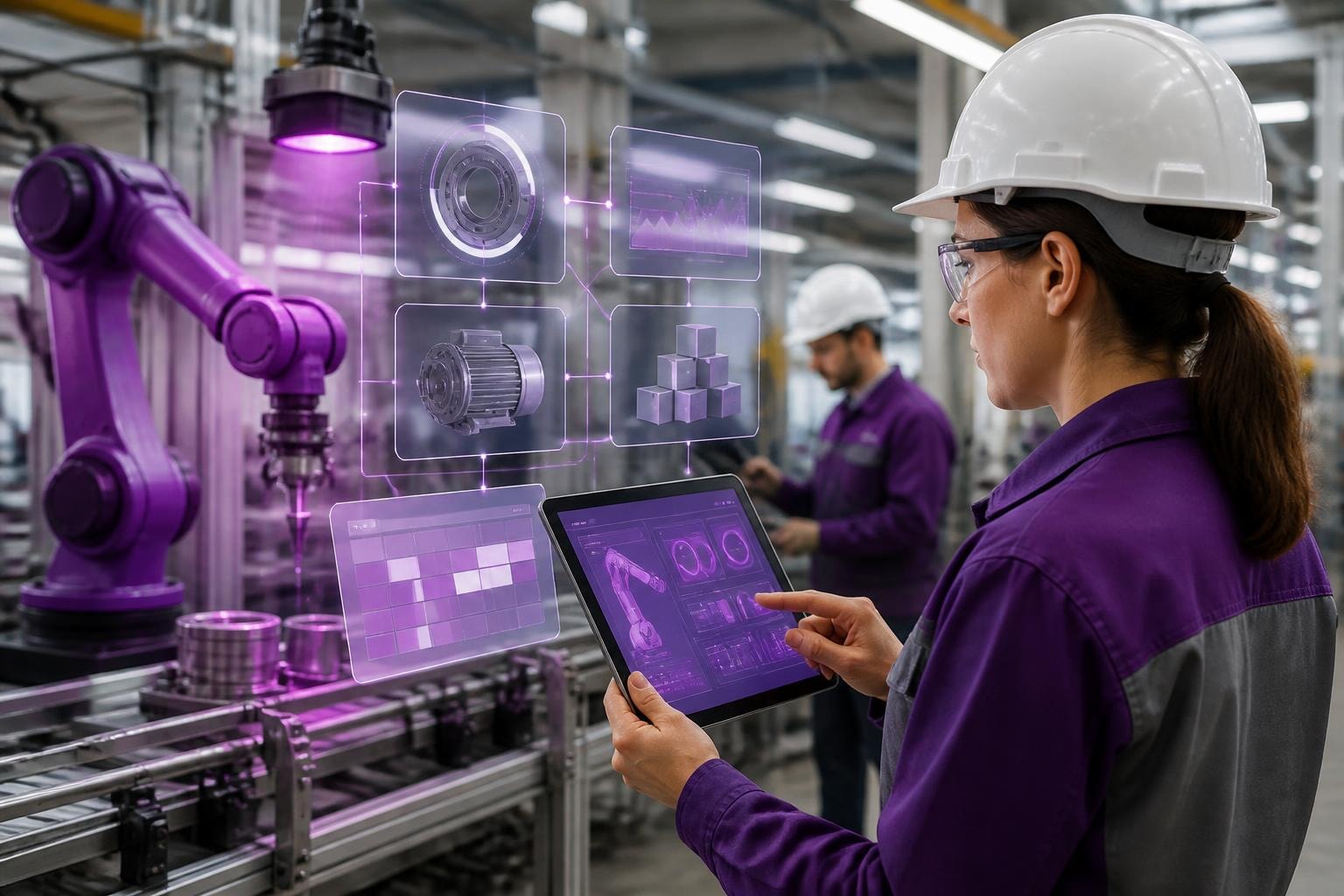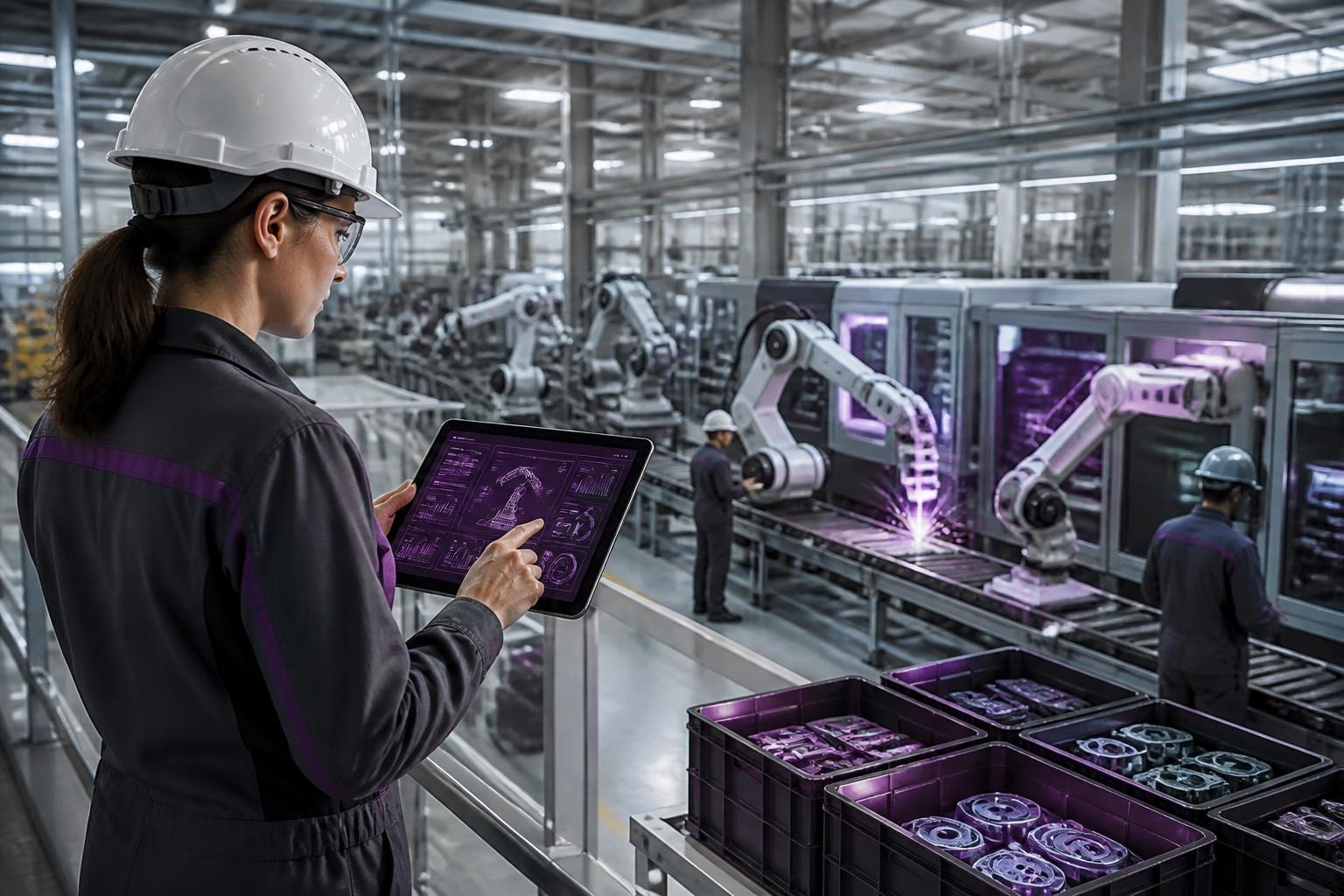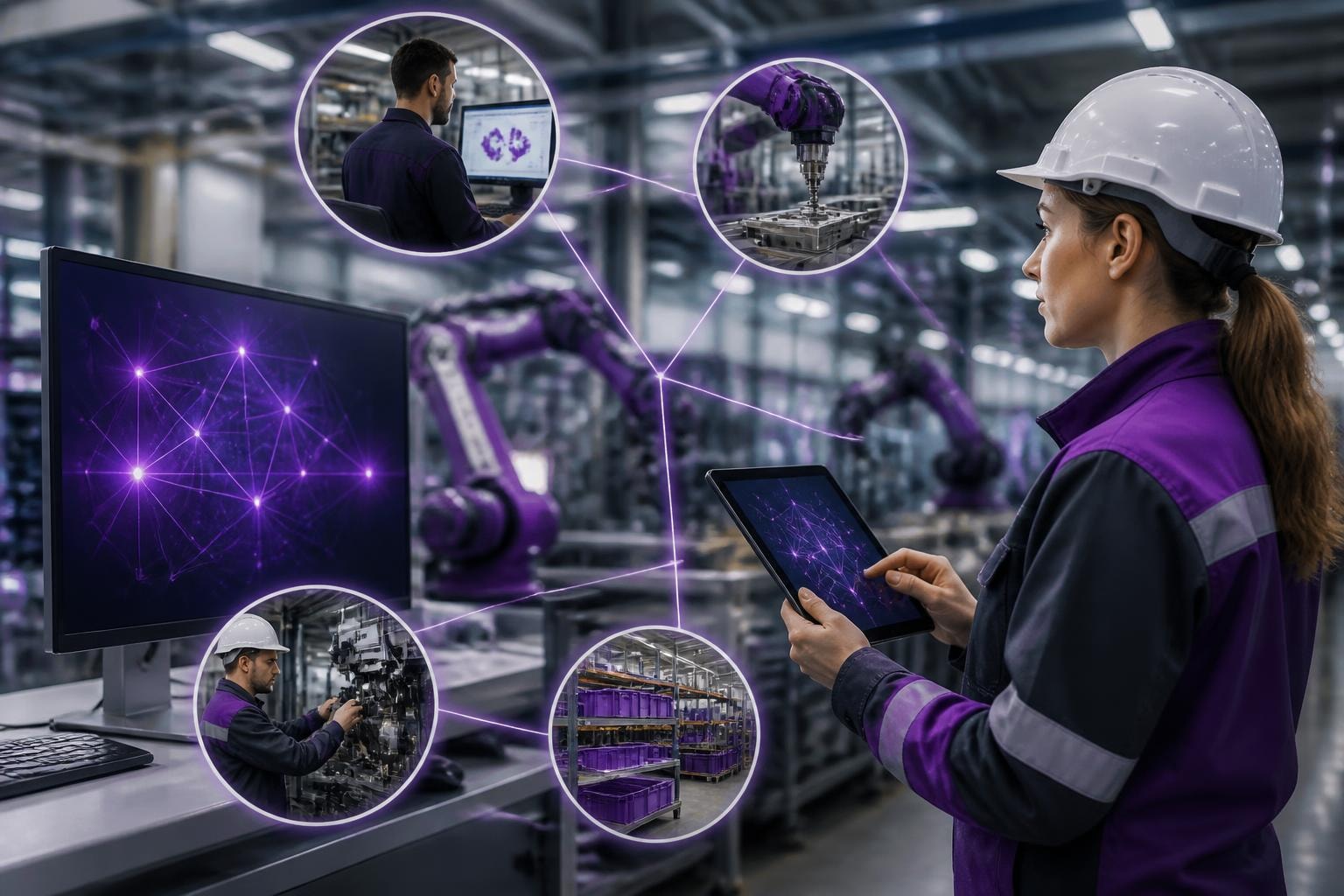
Manufacturing has changed massively over the past few years, and if you're running a small manufacturing operation, you've probably noticed it. The rise of ai in manufacturing isn't just for massive factories with unlimited budgets anymore. In 2026, practical AI tools are accessible, affordable, and genuinely useful for businesses making everything from custom furniture to specialist components. Let's explore what's actually working right now and how you can start using these technologies without breaking the bank or hiring a team of data scientists.
Where AI Actually Makes Sense in Manufacturing
You don't need to automate everything to benefit from AI. The smartest manufacturers we work with start by identifying their biggest time-drains and quality bottlenecks.
Quality Control and Defect Detection
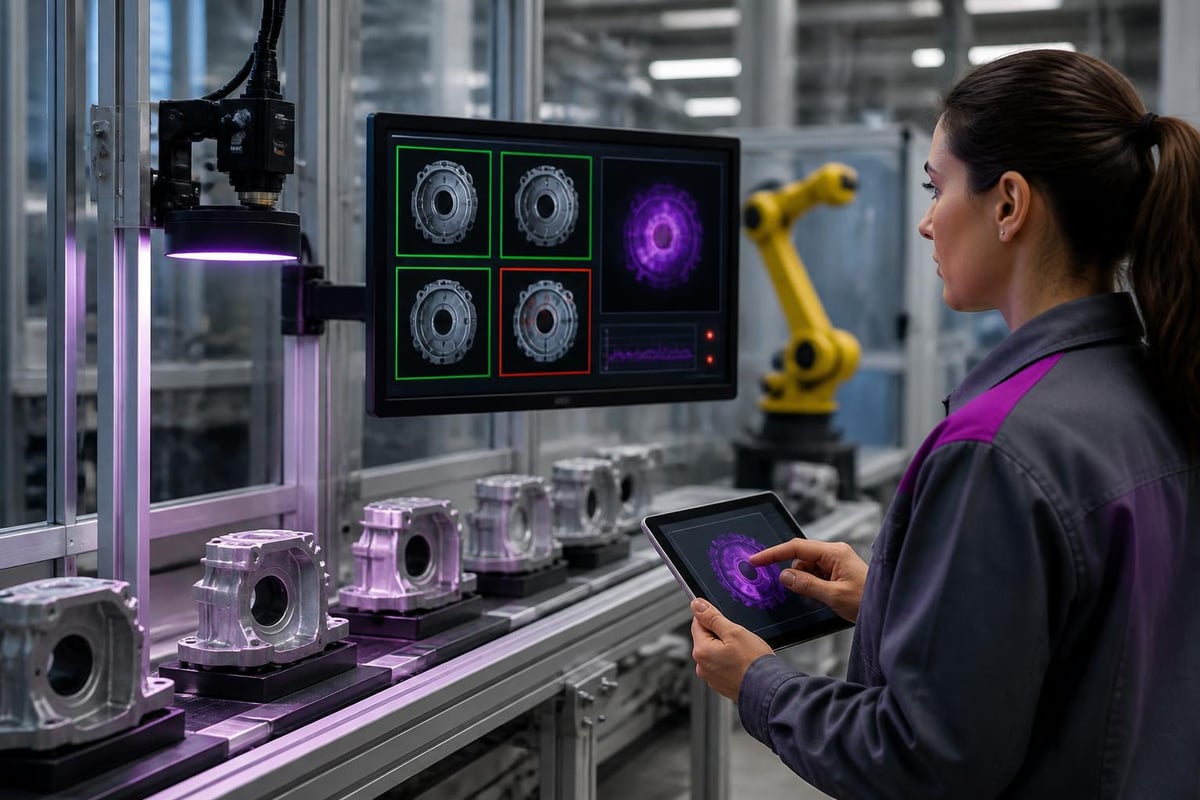
Computer vision has become incredibly good at spotting defects that human inspectors might miss after hours of repetitive checking. Small cameras paired with AI software can:
- Identify surface imperfections in real-time during production
- Flag inconsistent dimensions before parts move to the next stage
- Reduce waste by catching problems earlier in the process
- Free up skilled workers to focus on problem-solving rather than inspection
The cost of these systems has dropped dramatically. We're talking about solutions that cost thousands rather than hundreds of thousands, making them viable for operations producing even modest volumes.
Predictive Maintenance That Actually Predicts
Traditional preventive maintenance means servicing equipment on a fixed schedule, whether it needs it or not. According to research on AI applications in manufacturing, predictive maintenance systems can reduce downtime by 30-50% whilst cutting maintenance costs significantly.
Here's how it works in practice:
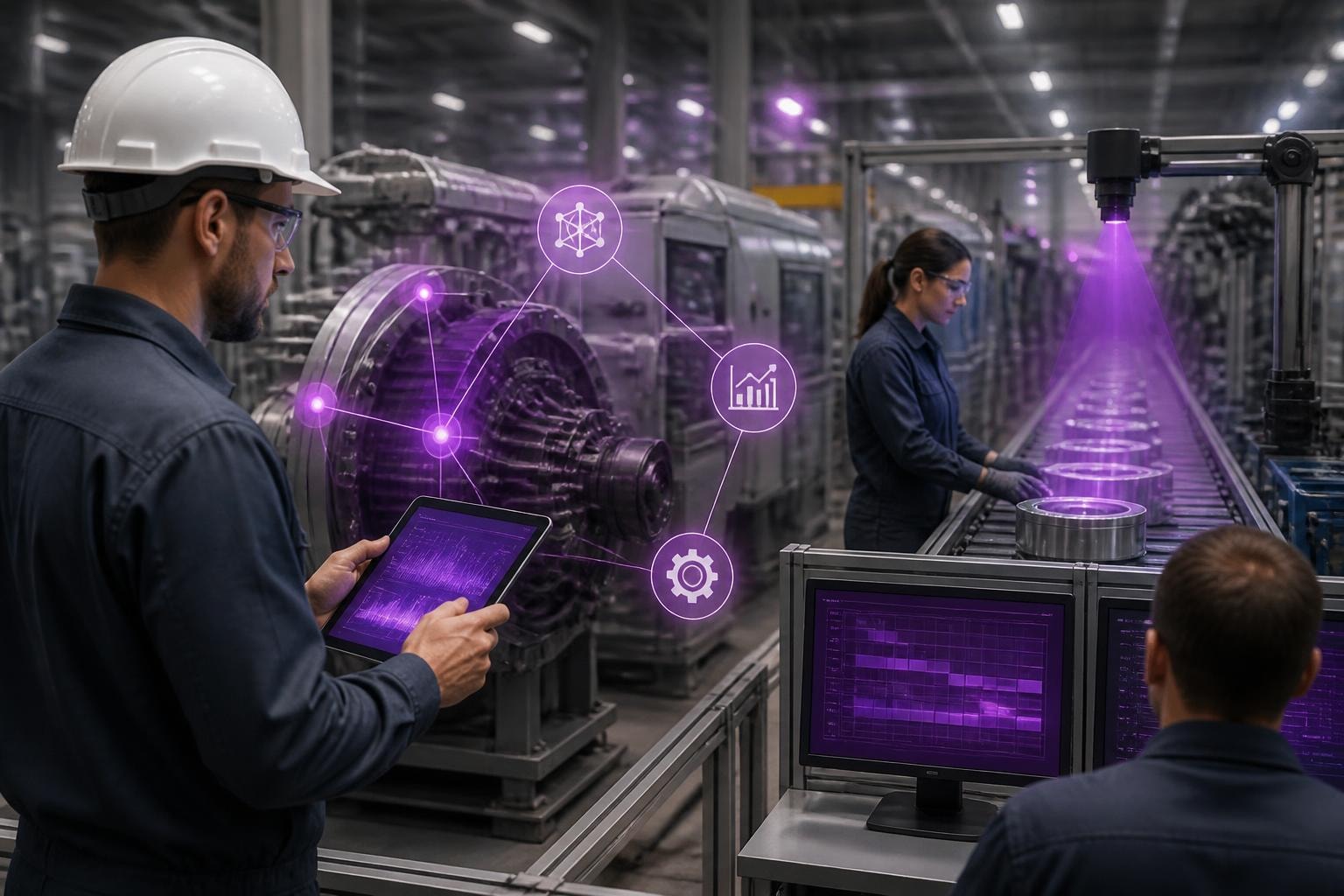
- Sensors monitor vibration, temperature, and operational patterns on critical equipment
- AI algorithms learn what "normal" looks like for each machine
- The system alerts you when patterns suggest upcoming failure
- You schedule maintenance before breakdown occurs, not after
This isn't theoretical. Small CNC shops and fabricators are using affordable sensor kits with cloud-based AI analysis right now. The return on investment typically shows up within months through reduced emergency repairs and production stoppages.
Production Planning and Inventory Optimisation
Getting the right materials at the right time without tying up cash in excess stock is one of manufacturing's eternal challenges. AI in manufacturing tackles this through demand forecasting and intelligent scheduling.
| Challenge | Traditional Approach | AI-Powered Solution |
|---|---|---|
| Demand forecasting | Historical averages, gut feel | Pattern recognition across multiple variables |
| Production scheduling | Manual planning, spreadsheets | Dynamic scheduling that adapts to real-time changes |
| Inventory levels | Safety stock buffers | Precise prediction of actual needs |
| Supplier coordination | Phone calls, emails | Automated ordering based on production flow |
The National Institute of Standards and Technology has documented how even small manufacturers can implement these systems using off-the-shelf software rather than custom development. This matches our philosophy at AI 4 Small Business perfectly-use existing tools intelligently rather than reinventing the wheel.
Getting Started Without Getting Overwhelmed
The biggest mistake we see manufacturers make is trying to transform everything at once. That's expensive, risky, and usually ends in disappointment. Instead, think about business process automation as a series of small, measurable improvements.
Start with data collection. You can't use AI effectively without decent data. This doesn't mean installing hundreds of sensors immediately. Begin by digitising information you're already capturing manually:
- Production run times and quantities
- Quality check results
- Machine downtime events and causes
- Material usage rates
Many manufacturers still rely on paper records or disconnected spreadsheets. Moving this information into a connected system creates the foundation for AI applications later.
Pick one painful problem. Where does your operation bleed time or money most obviously? For some, it's scheduling complexity. For others, it's quality inconsistencies or unexpected breakdowns. Focus your first AI implementation there.
Practical Tools You Can Use Today
Let's talk specifics. These aren't enterprise platforms requiring six-figure investments:
- Computer vision for quality control: Solutions like Cognex In-Sight or even custom implementations using open-source frameworks
- Predictive maintenance: Platforms such as Augury or Falkonry that work with various sensor types
- Production scheduling: AI-enhanced tools like Katana or MRPeasy designed for small manufacturers
- Inventory optimisation: NetStock or similar systems that integrate with existing ERP software
The key is matching the tool to your specific situation. A furniture maker needs different capabilities than a precision engineering shop. If you're exploring options, our guide on how to get started with AI walks through the selection process.
The Human Element Still Matters
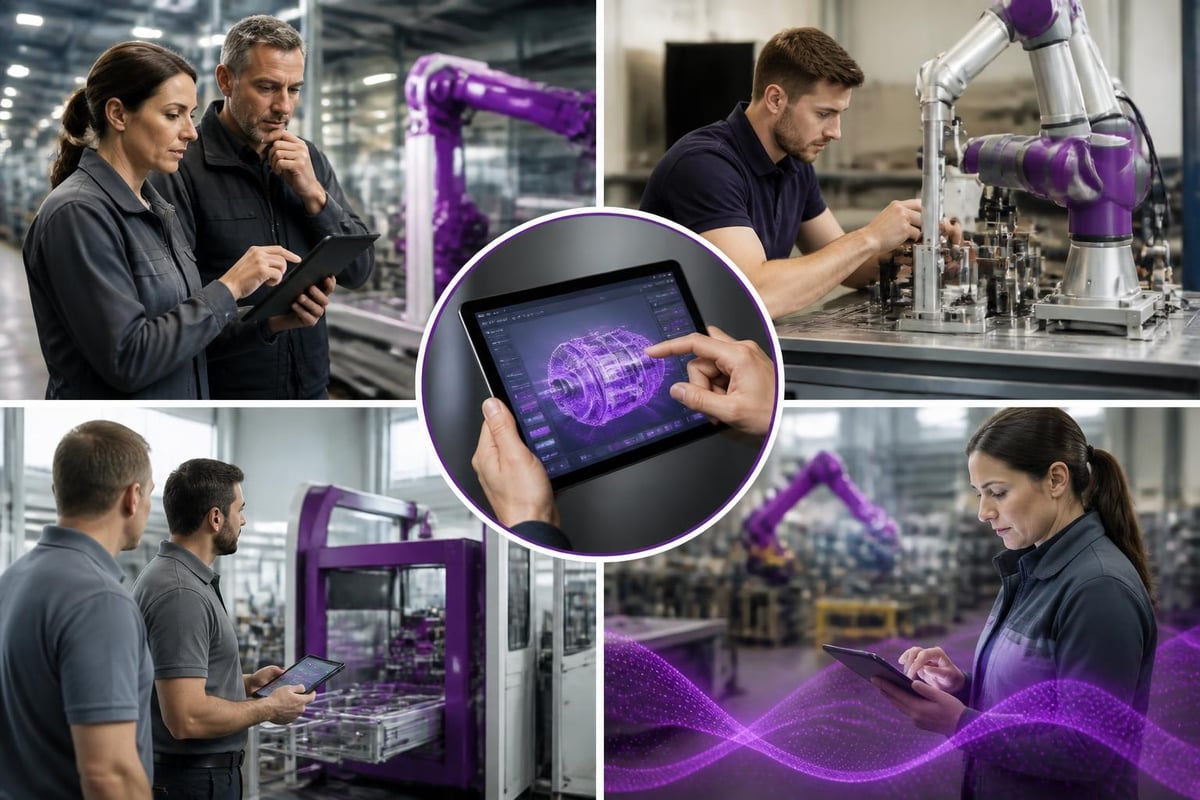
Here's something important that often gets lost in discussions about ai in manufacturing: this technology works best when it augments human expertise, not replaces it. Your experienced machinists, quality inspectors, and production managers have knowledge that AI can't replicate.
What AI does brilliantly is handle the repetitive, data-intensive tasks that bog down skilled workers. Research into prerequisites for AI adoption shows that successful implementations involve workers in the process from the beginning, using their insights to shape how AI tools are deployed.
Think about quality inspection. An AI system can check every single component at high speed, but when it flags an unusual pattern, you want a skilled inspector to investigate why. Maybe it reveals a supplier issue, a tooling problem, or an environmental factor. The AI spots the pattern; humans solve the underlying problem.
Building Capability, Not Dependency
One concern we hear frequently: "If I implement AI systems, am I just creating new dependencies?" It's a fair question. The answer depends entirely on how you approach implementation.
Avoid black boxes. Choose solutions where you understand what's happening and can adjust parameters yourself. If the only way to make changes is calling external support, you're building dependency.
Develop internal skills. Someone on your team should understand how your AI systems work at a practical level. This doesn't mean becoming a data scientist, but knowing enough to troubleshoot common issues and optimise performance. This principle of treating AI as a tool rather than magic is crucial.
Start simple and iterate. Complex systems are harder to understand and maintain. Begin with straightforward applications that deliver clear value, then build sophistication over time as your team's confidence grows.
| Approach | Builds Capability | Builds Dependency |
|---|---|---|
| Off-the-shelf tools with training | ✓ | |
| Custom development with no knowledge transfer | ✓ | |
| Pilot projects with measurable goals | ✓ | |
| Large-scale transformation without internal expertise | ✓ | |
| Phased implementation with team involvement | ✓ |
This matches perfectly with how we work with manufacturing clients. Rather than dropping in a solution and walking away, we focus on building your team's capability to use, maintain, and expand AI applications over time.
Real Impact in Small-Scale Manufacturing
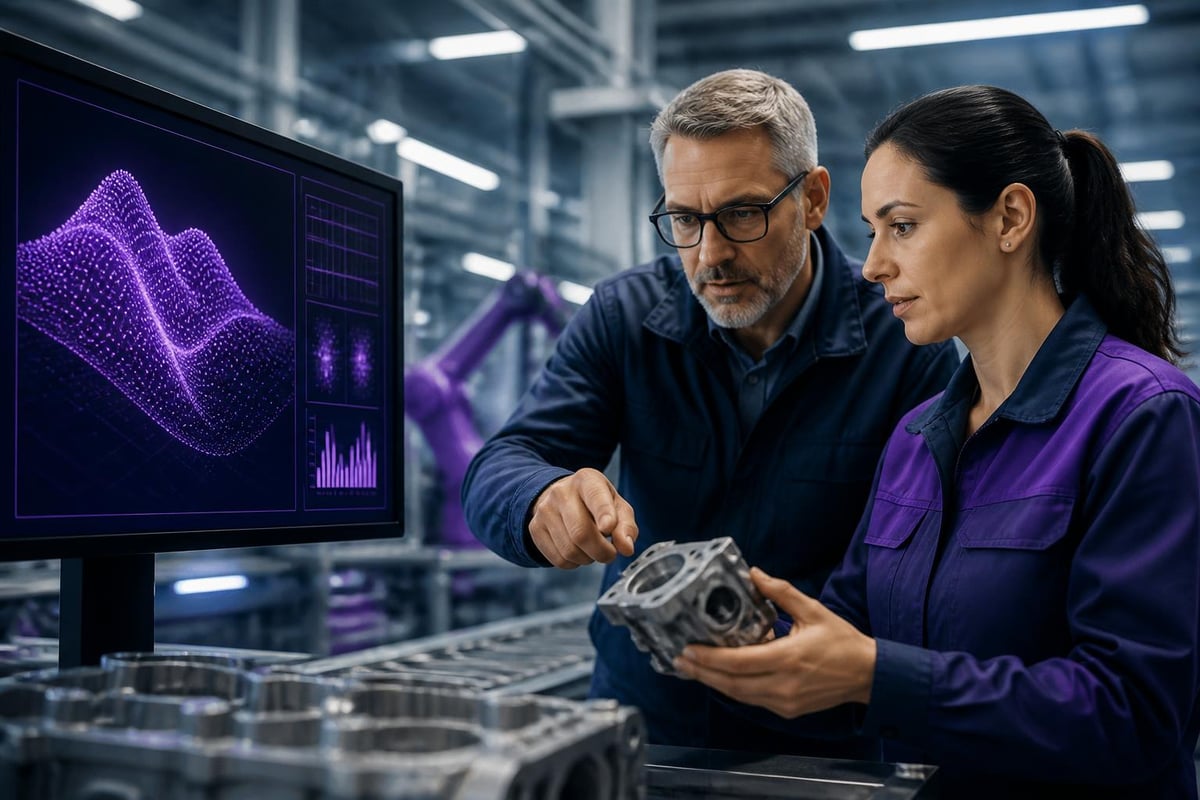
Let's ground this in reality. A Midlands-based precision engineering firm we worked with implemented computer vision for quality control on their highest-volume components. The system cost under £15,000 including setup. Within four months:
- Defect detection rate improved by 40% compared to manual inspection
- Inspection time per component dropped from 45 seconds to 8 seconds
- Two quality inspectors were redeployed to more complex verification work
- Customer complaints decreased by 60% due to catching issues before shipping
That's not theoretical ROI-it's actual business impact. The firm didn't need to understand neural networks or machine learning theory. They needed a reliable system that solved a specific problem.
Similarly, a small furniture manufacturer used AI-powered production scheduling to coordinate custom orders with standard production runs. The result? 15% increase in throughput without adding capacity, simply by optimising the sequence and timing of jobs.
These examples illustrate what's possible when you focus on practical implementation rather than chasing the latest buzzword. As discussed in resources about machine learning applications, the technology has matured to the point where real-world results come quickly when properly applied.
Navigating the Challenges
Let's be honest-implementing ai in manufacturing isn't always smooth sailing. Common challenges include:
Data quality issues. If your existing data is inconsistent or incomplete, AI systems will struggle. This often means cleaning up processes before deploying advanced tools.
Integration complexity. Getting new AI tools to work with legacy equipment or software can be tricky. Sometimes you need middleware or custom connectors.
Team resistance. Workers worry about job security or simply prefer familiar methods. Clear communication about how AI augments rather than replaces their expertise is essential.
Unrealistic expectations. AI won't solve poorly designed processes or fix fundamental business problems. It's a tool, not a miracle cure.
The key is approaching implementation methodically. Assess your current state honestly, identify genuine opportunities, pilot before full deployment, and iterate based on results. This practical approach, which we detail in our overview of AI use in business, reduces risk and increases the likelihood of success.
Manufacturing in 2026 offers unprecedented opportunities for small operations to compete through intelligent use of AI. The technology is proven, accessible, and delivering measurable results for businesses willing to start small and build systematically. If you're ready to explore how AI could transform your manufacturing operation without the hype or massive investment, AI 4 Small Business can help you identify practical opportunities, select the right tools, and implement solutions that deliver real impact fast.