
Imagine having an assistant who never takes a day off, never forgets a task, and always gets things done on time. That's what using AI as a tool in 2026 feels like for small business owners.
Many see AI as a threat, but it's time to flip that idea on its head. This guide will show you how to treat AI as a tool — making it a practical partner for your business rather than something to fear. You'll get step-by-step advice, real-life examples, and smart tips for the future.
Understanding AI as a Tool in 2026
Picture running your business with an extra pair of hands that never gets tired or distracted. That is the power of AI as a tool in 2026. Rather than replacing people, AI helps small business owners work smarter, not harder.
AI has moved from being complicated and expensive to something anyone can use. Today, even small businesses can find affordable, user-friendly AI solutions. Think of chatbots answering customer questions, digital assistants helping with scheduling, or software that tracks inventory automatically. These tools do not need any coding knowledge, making them accessible to everyone.
What makes AI as a tool so valuable? It supports your decisions, offering suggestions and automating tasks, but you are always in control. A recent industry survey found that 68% of small businesses reported improved efficiency after adopting AI automation.
Many people worry that AI means job loss. In reality, it transforms roles by removing repetitive tasks and letting people focus on what matters most. It is like using a calculator instead of working out every sum by hand — AI just helps you get there faster and with fewer mistakes.
| AI Tool Example | How It Helps |
|---|---|
| Chatbot | Handles customer queries 24/7 |
| Scheduling Assistant | Books appointments automatically |
| Inventory Tracker | Reorders stock when running low |

Overcoming Common Fears and Misconceptions
For many small business owners, the idea of using AI as a tool can feel overwhelming. You might worry that it is too expensive, too complex, or will take away the personal touch your customers value. The truth is, these fears are common — but they are often based on outdated information.
Let's break down a few of the biggest misconceptions:
- AI is only for big companies with huge budgets.
- AI replaces people and makes your business less personal.
- AI-generated content is always bland and robotic.
In reality, many modern AI tools are designed specifically for small businesses. They offer free or affordable plans, are easy to set up, and do not require technical skills. By using AI as a tool, you can actually free up time to connect with your customers, not distance yourself from them.
Think about how you use spellcheck or a thesaurus. AI works in a similar way — supporting your creativity rather than replacing it. For example, you might use AI to draft marketing emails, then add your own brand voice and personality before sending. This approach keeps your business unique while saving you time.
Worried about generic, robotic content? The solution is simple: customise and review what AI creates. Human input is what makes your messages feel genuine. Recent surveys show that 74% of small businesses using AI report higher customer satisfaction. For a deeper dive, see our guide on common AI questions small businesses ask.
Remember: AI as a tool is here to help, not to replace. Use it to handle the repetitive stuff, so you can focus on what you do best — building relationships and growing your business.

Step-by-Step: How Small Businesses Can Harness AI Effectively
Adopting AI as a tool can feel daunting, but breaking it down into manageable steps makes the process much simpler.
Step 1: Identify Repetitive Tasks and Pain Points
Start by observing your daily and weekly routines. Which tasks take up too much time or are often repeated? List these out — responding to FAQs, scheduling appointments, and tracking expenses are great examples.
Get your team involved. Ask them where bottlenecks or common mistakes happen. By identifying these pain points, you'll know exactly where AI can bring the most value. Prioritise tasks that are both time-consuming and prone to error, as these are perfect candidates for automation.
Step 2: Research and Select Practical AI Tools
Explore user-friendly options built for small businesses. Look for simple chatbots, invoicing assistants, or social media schedulers. Compare features and pricing — many tools offer free trials or demos so you can test before committing.
Avoid anything that feels too complex or requires coding. The goal is to use AI as a tool, not to become a tech expert. Start with something small, like an AI chatbot for after-hours customer queries. Need help picking the right fit? Browse our AI services for small businesses.
Step 3: Test and Integrate AI Solutions Gradually
Once you choose a tool, roll it out in a low-risk area. Try automating appointment reminders first. Monitor how the new system performs and gather feedback from both your staff and customers.
Tweak settings and customise responses so the AI fits your business style. Don't rush — scale up only as your confidence grows. By introducing AI slowly, you minimise disruption and help your team adapt more easily.
Step 4: Maintain the Human Element and Review Regularly
AI can be a fantastic assistant, but it's not a replacement for your personal touch. Always review AI-generated content before it reaches customers. Encourage your team to see AI as support, not a crutch.
Update your tools based on business needs and customer feedback. Personalise AI responses to keep messages warm and relevant. By regularly checking in, you ensure AI as a tool continues to help, not hinder, your business success.
Everyday AI Use Cases for Small Business Owners
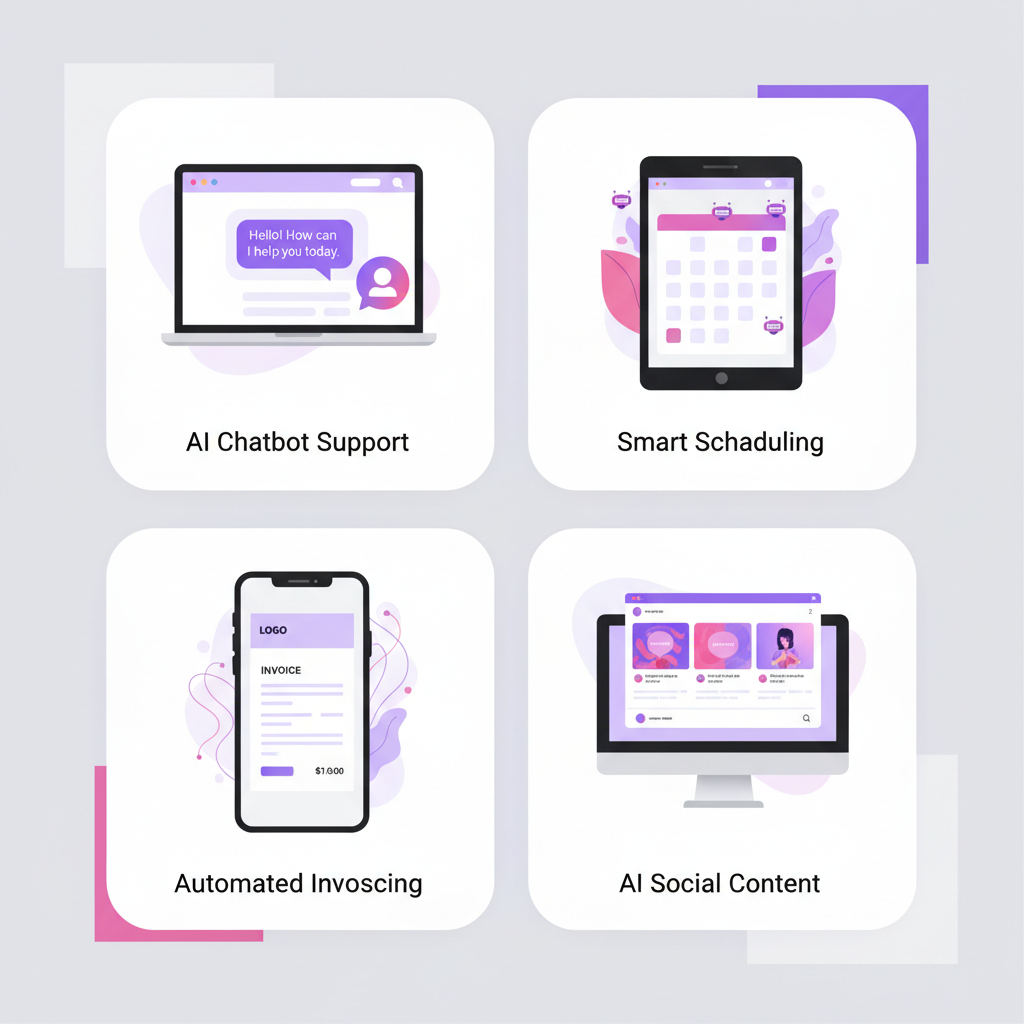
AI as a tool is transforming the way small business owners handle daily tasks. From customer service to marketing and administration, these tools save time, boost efficiency, and help you focus on what matters most — your customers.
Customer Service and Communication
AI chatbots are available 24/7, answering FAQs and taking bookings even when you are closed. For example, a local florist might use a chatbot to manage orders outside business hours, ensuring no opportunity is missed. AI-powered email responders can quickly reply to common questions, letting you focus on personal interactions. Businesses using chatbots report a 40% drop in response times.
Marketing and Content Creation
With AI as a tool, you can easily generate ideas for social posts, write compelling product descriptions, or draft newsletters. Imagine a café owner using AI to create weekly specials and promotions, then adding a personal touch to keep the brand voice authentic. These tools speed up content creation, but you are always in control to ensure the final message matches your unique style.
Operations and Administration
AI streamlines many behind-the-scenes tasks. You can automate invoicing, track inventory, and even schedule staff shifts without hassle. A small retailer could have AI reorder stock when supplies run low, reducing the risk of shortages. AI analytics also give valuable insights into sales trends and customer preferences, helping you make smarter decisions. Explore more practical examples on our AI Business Blog.
Keeping the Human Touch
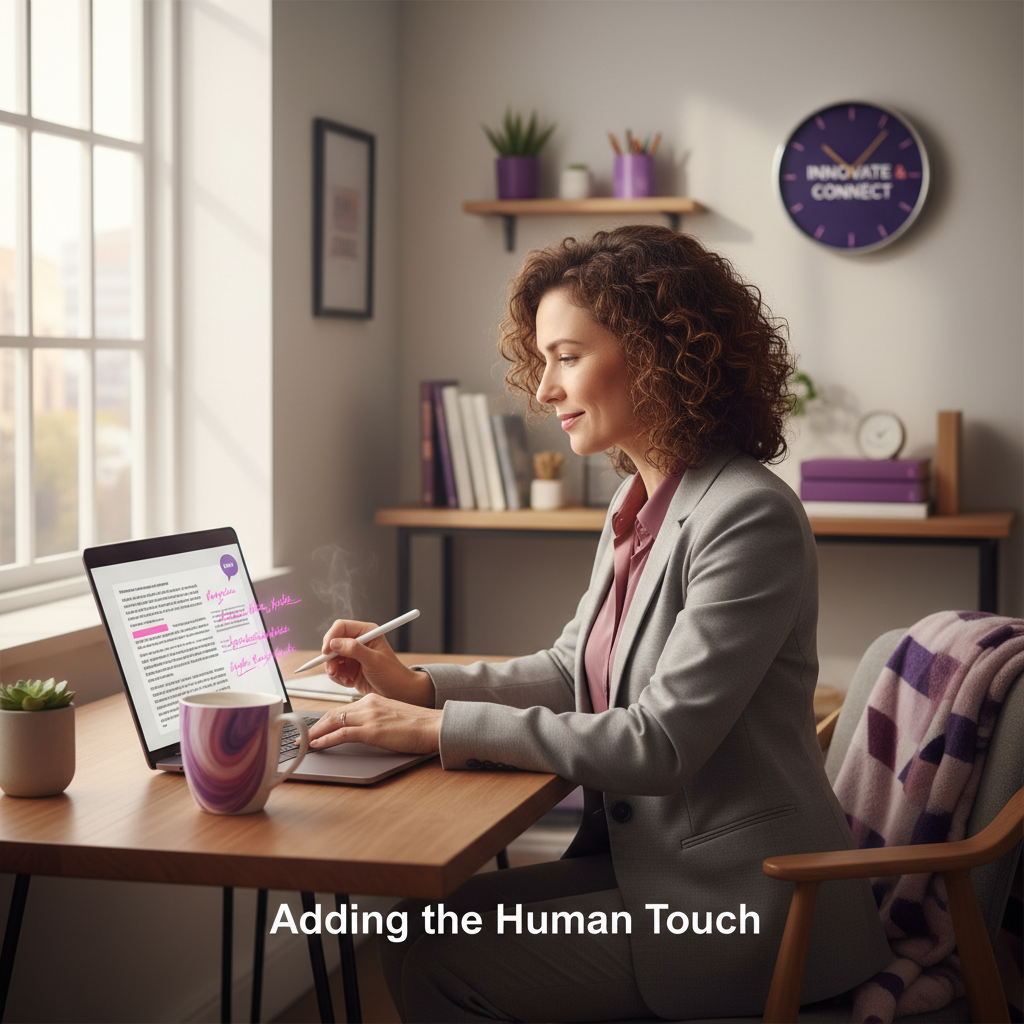
One of the most important things to remember when using AI as a tool is that it works best alongside human judgement, not instead of it. AI can draft, suggest, and automate — but it's your expertise, relationships, and brand personality that make your business stand out.
- Always review AI-generated content before it goes to customers
- Use AI to handle the routine so you can invest more time in high-value conversations
- Keep your brand voice consistent — customise AI outputs to sound like you
- Treat AI as a junior assistant: useful, fast, but always supervised
The businesses seeing the best results from AI aren't those who hand everything over to the machine — they're the ones who use AI to free up their time and energy for the things only a human can do.
Ready to Use AI as a Tool in Your Business?
AI doesn't have to be complicated, expensive, or intimidating. For most small businesses, the biggest barrier isn't the technology — it's simply knowing where to begin.
- Take the free AI Readiness Scorecard — it takes five minutes and shows you exactly where AI could help your business most
- Browse our AI services for small businesses to see how we help UK business owners adopt AI practically
- Read more guides on the AI Business Blog
- Book a free 30-minute discovery call — no pressure, just a useful conversation about your business and where AI fits
AI as a tool is already helping thousands of UK small businesses save time, reduce costs, and serve customers better. The only question is: when will you start?
Start small, stay in control, and let AI do the heavy lifting.