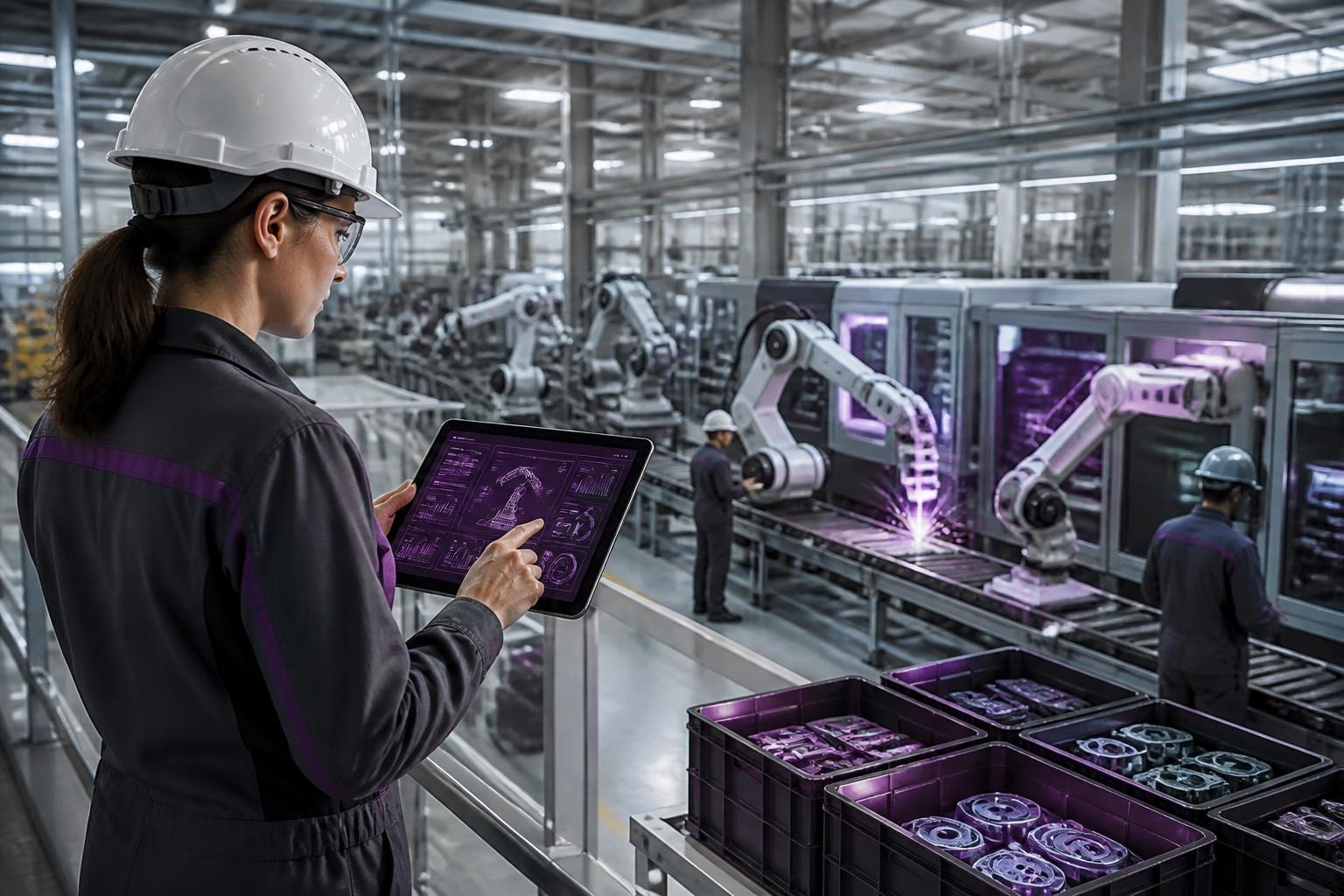
The manufacturing sector has been quietly undergoing a massive transformation, and it's not just the big players benefiting. AI manufacturing companies are proving that intelligent automation isn't reserved for massive factories with unlimited budgets. From predictive maintenance that stops breakdowns before they happen to quality control systems that spot defects faster than any human inspector, the practical applications are reshaping how things get made. Whether you're running a small component manufacturer or a mid-sized production facility, understanding what's actually possible right now matters more than chasing futuristic promises.
What AI Manufacturing Companies Actually Do
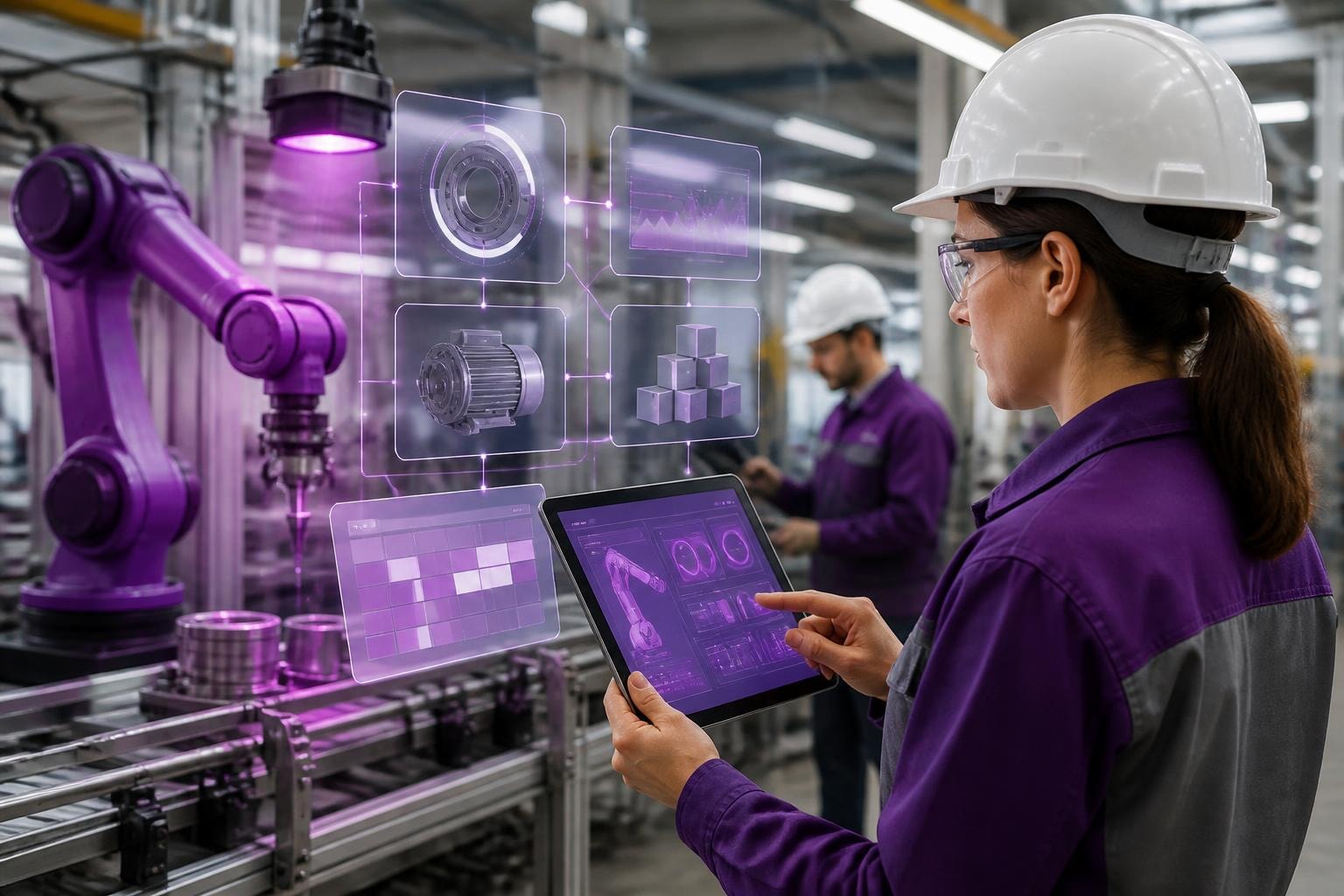
AI manufacturing companies focus on solving specific production challenges rather than implementing technology for technology's sake. They're building systems that predict when machinery will fail, optimize production schedules based on real-time demand, and automate quality inspection processes that previously required manual checking.
The key difference between hype and reality? These companies target measurable outcomes. AI in manufacturing has moved well beyond theoretical benefits into practical applications that deliver ROI within months, not years.
Real Applications in Production Environments
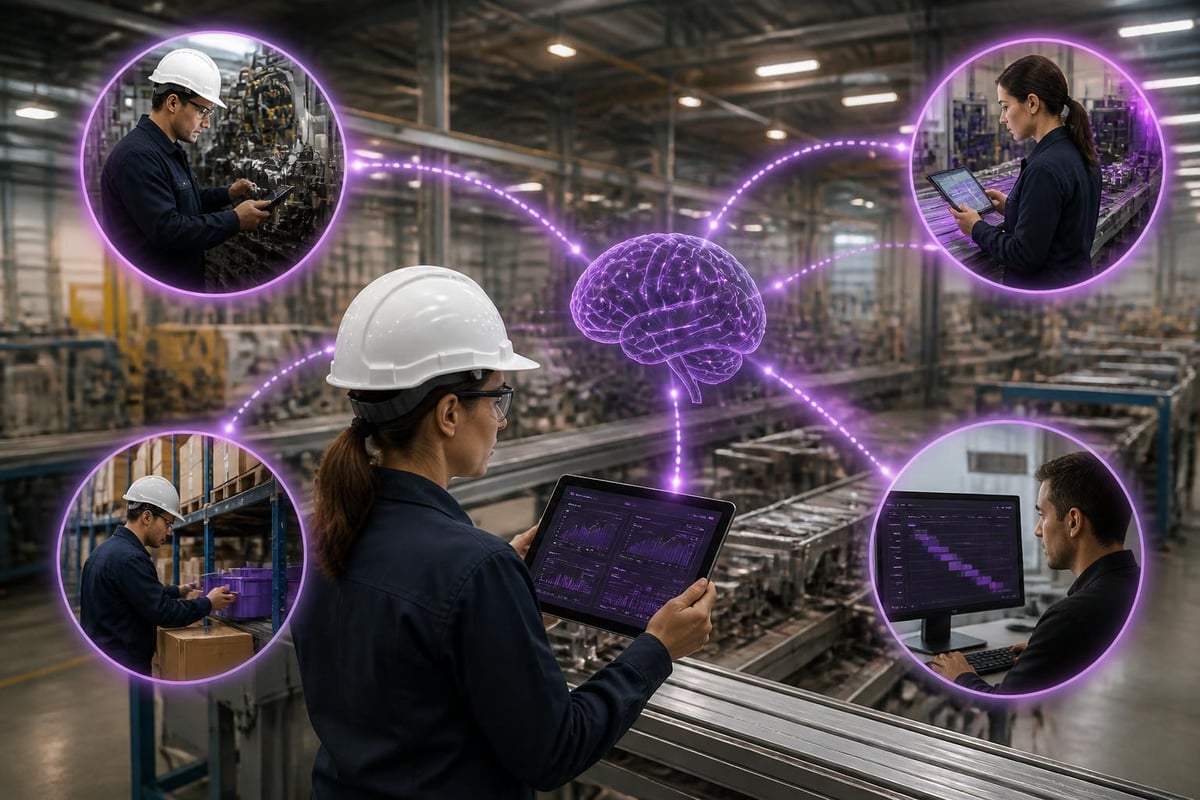
Here's what ai manufacturing companies are actually implementing across facilities in 2026:
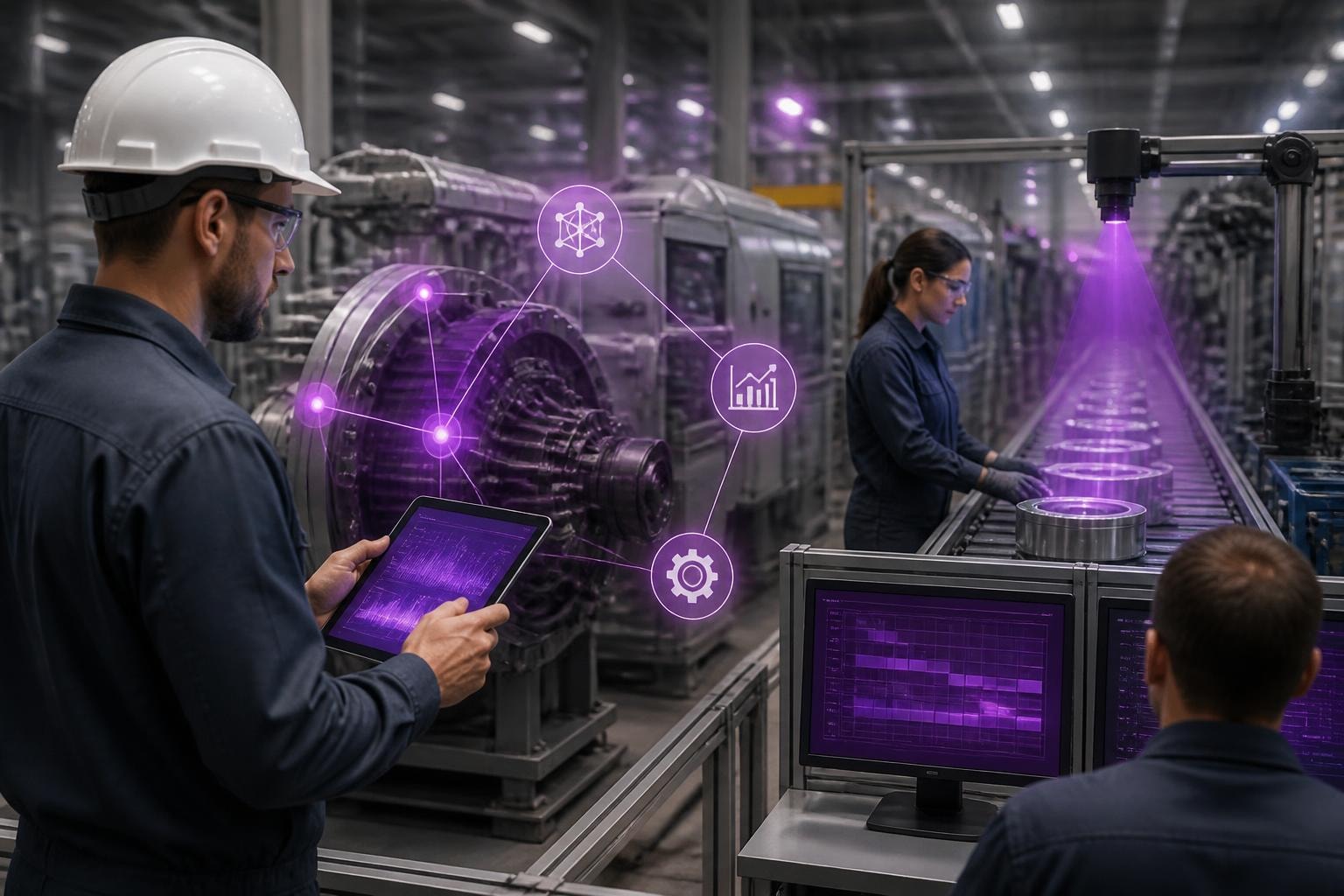
- Predictive maintenance systems that analyze vibration patterns, temperature fluctuations, and performance metrics to schedule repairs before failures occur
- Computer vision quality control that inspects products at speeds impossible for human checkers, catching defects measured in micrometers
- Demand forecasting tools that adjust production schedules based on sales patterns, seasonal trends, and market signals
- Inventory optimization that balances just-in-time delivery with buffer stock requirements
- Energy consumption monitoring that identifies wasteful processes and suggests efficiency improvements
These aren't experimental projects. They're running in facilities right now, delivering tangible savings and productivity gains.
How Small Manufacturers Can Benefit
You don't need a massive facility to implement AI-driven improvements. The applications of AI in manufacturing scale down effectively when you focus on your biggest pain points first.
Start with the processes that cost you the most time or money. That might be machine downtime, quality issues causing rework, or inventory management eating up working capital. Similar to how business process automation works across sectors, manufacturing AI delivers the biggest impact when targeted at specific bottlenecks.
| Problem Area | AI Solution | Typical Outcome |
|---|---|---|
| Unplanned downtime | Predictive maintenance sensors | 30-50% reduction in breakdowns |
| Quality defects | Computer vision inspection | 90%+ detection accuracy |
| Production scheduling | AI planning algorithms | 15-25% throughput increase |
| Inventory costs | Demand forecasting | 20-35% stock reduction |
The pattern you'll notice? Each solution tackles one specific problem and delivers measurable results. That's the practical approach that actually works for smaller operations.
Getting Your Data Ready
Here's something most ai manufacturing companies won't tell you upfront: your data quality determines your success more than the sophistication of the AI system. Data readiness is critical before implementing any AI solution.
You need:
- Consistent data collection from sensors, production logs, and quality checks
- Clean, structured information rather than scattered spreadsheets and paper records
- Enough historical data to train models (usually 6-12 months minimum)
- Clear labeling of outcomes (defects, failures, successful runs)
This preparation work isn't glamorous, but it's essential. Think of it like laying foundations before building a house.
Practical Steps for Implementation
Ways manufacturers can embark on their AI journey don't require massive upfront investment or complete operational overhauls. The smart approach focuses on incremental wins that build momentum.
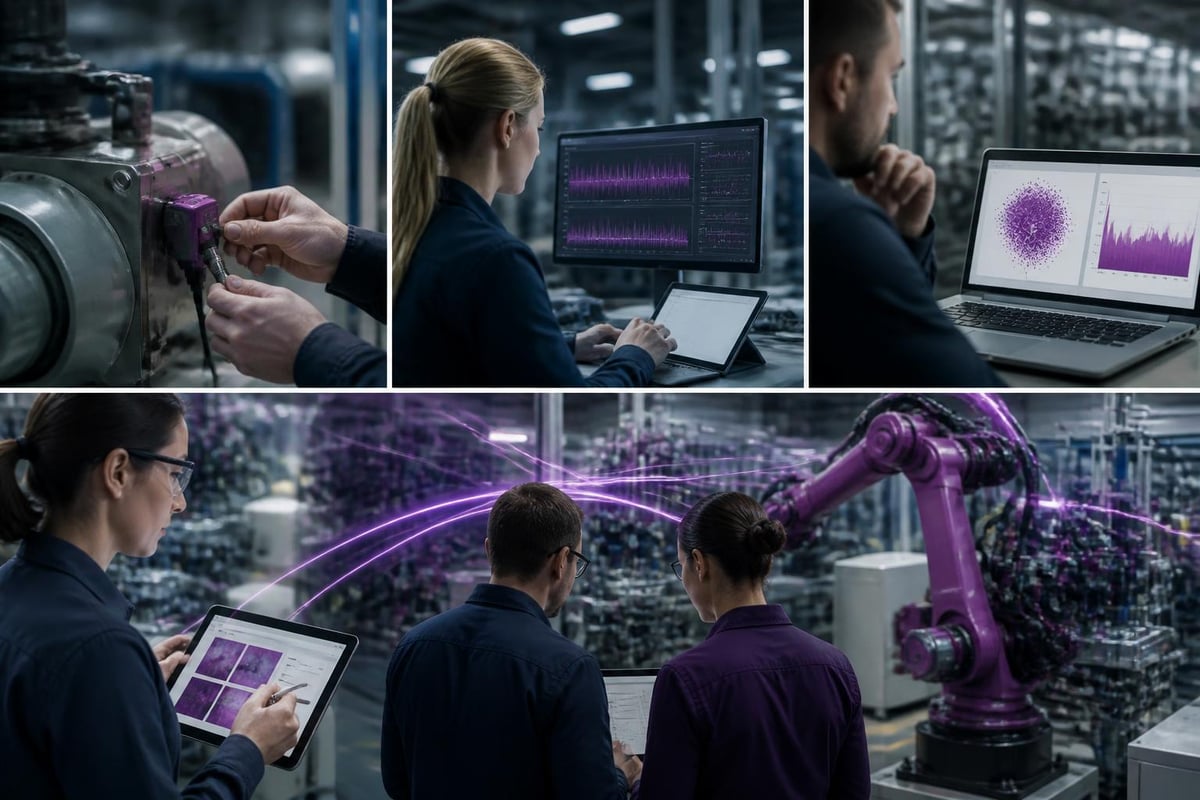
Start with pilot projects that deliver quick wins. Install vibration sensors on your most critical machines to test predictive maintenance. Set up a camera-based inspection system on one production line. Run demand forecasting for your top-selling products.
These pilots let you prove value before scaling investment. They also give your team time to learn and adapt. Much like getting started in AI for other business types, manufacturing implementation works best when you take measured steps rather than attempting wholesale transformation.
Choosing the Right Partners
Not all ai manufacturing companies approach projects the same way. Some push expensive custom development that locks you into long-term dependencies. Others offer off-the-shelf solutions that don't quite fit your specific processes.
Look for partners who:
- Focus on your actual business problems, not their technology features
- Deliver measurable outcomes within defined timeframes
- Build solutions you can eventually manage internally
- Provide realistic timelines and honest assessments
- Understand manufacturing operations, not just software development
The advantages of AI in manufacturing only materialize when implementation matches your operational reality. Cookie-cutter solutions rarely deliver promised results.
Industry Trends Worth Watching
The manufacturing AI landscape keeps evolving, but certain patterns are becoming clear in 2026. Edge computing is bringing AI processing directly to factory floors, reducing latency and improving real-time decision-making. Digital twins (virtual replicas of physical systems) are becoming more affordable and accessible to mid-sized manufacturers.
Investment in AI infrastructure continues growing. Recent expansions by major manufacturers, including significant investments in AI production facilities, demonstrate the sector's commitment to AI-driven production.
But here's what matters for smaller operations: these trends drive down costs for proven technologies. Solutions that were enterprise-only three years ago now run affordably on standard industrial hardware. This democratization means practical AI tools are increasingly accessible.
Integration with Existing Systems
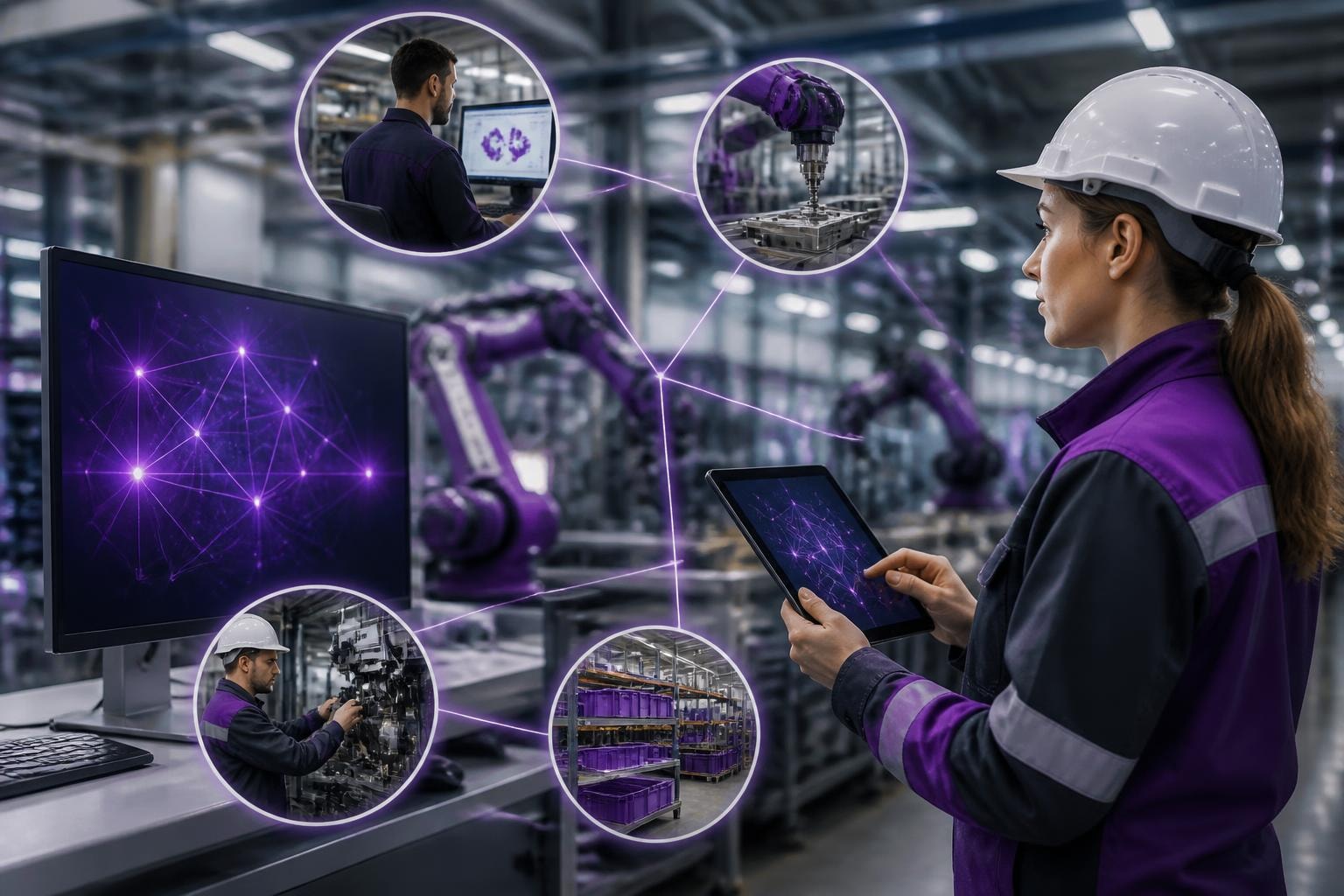
One of the biggest misconceptions about working with ai manufacturing companies is that you need to replace all your current equipment. That's rarely true. Most effective implementations connect AI layers to existing machinery through sensors and software interfaces.
Your current production line, quality testing equipment, and inventory systems probably already generate useful data. The challenge is connecting those data streams and applying intelligent analysis. Understanding how AI works as a tool rather than a replacement helps frame realistic expectations.
This integration approach means:
- Lower upfront costs compared to complete system replacements
- Faster implementation timelines (weeks or months, not years)
- Reduced disruption to ongoing production
- Ability to prove value before expanding investment
- Easier buy-in from operators familiar with existing equipment
Measuring Real Impact
Successful ai manufacturing companies obsess over metrics. They track downtime reduction, defect rates, energy consumption, inventory turns, and production throughput. These concrete numbers prove whether implementation delivers value or just generates impressive dashboards.
Before starting any AI project, define your success metrics clearly. What needs to improve, by how much, and within what timeframe? This clarity keeps projects focused on outcomes rather than getting lost in technical possibilities.
Track both leading and lagging indicators. Leading indicators (like sensor alerts before failures) show your system is working. Lagging indicators (like actual downtime reduction) prove business impact. You need both perspectives to understand performance.
Research into AI adoption in manufacturing shows that companies with clear measurement frameworks achieve better results than those implementing AI without defined success criteria. This isn't surprising, but it's frequently overlooked in the excitement of new technology.
The Human Element
Implementing AI doesn't mean replacing skilled workers. The most successful deployments by ai manufacturing companies augment human expertise rather than attempting to eliminate it. Experienced machinists understand nuances that sensors can't detect. Quality inspectors bring judgment that algorithms struggle to replicate.
The societal implications of AI in manufacturing include significant workforce considerations. Smart implementation creates better jobs by eliminating tedious tasks and empowering workers with better information for decision-making.
Your team needs training, involvement, and clear communication about how AI changes their roles. Operators who understand and trust the systems will use them effectively. Those who see AI as a threat will find ways to work around it, undermining your investment.
This human-centered approach aligns with how AI implementation works across sectors. Technology enables people to do better work; it doesn't magically solve problems by itself.
AI manufacturing companies are delivering real value through practical applications that solve specific production challenges. The key is focusing on measurable outcomes, preparing your data properly, and implementing incrementally rather than attempting wholesale transformation overnight. If you're ready to explore how AI could reduce downtime, improve quality, or optimize your production processes, AI 4 Small Business helps manufacturers implement practical AI solutions that deliver tangible results without the hype or unnecessary complexity. We focus on your biggest operational challenges first, building systems that pay for themselves through measurable efficiency gains.