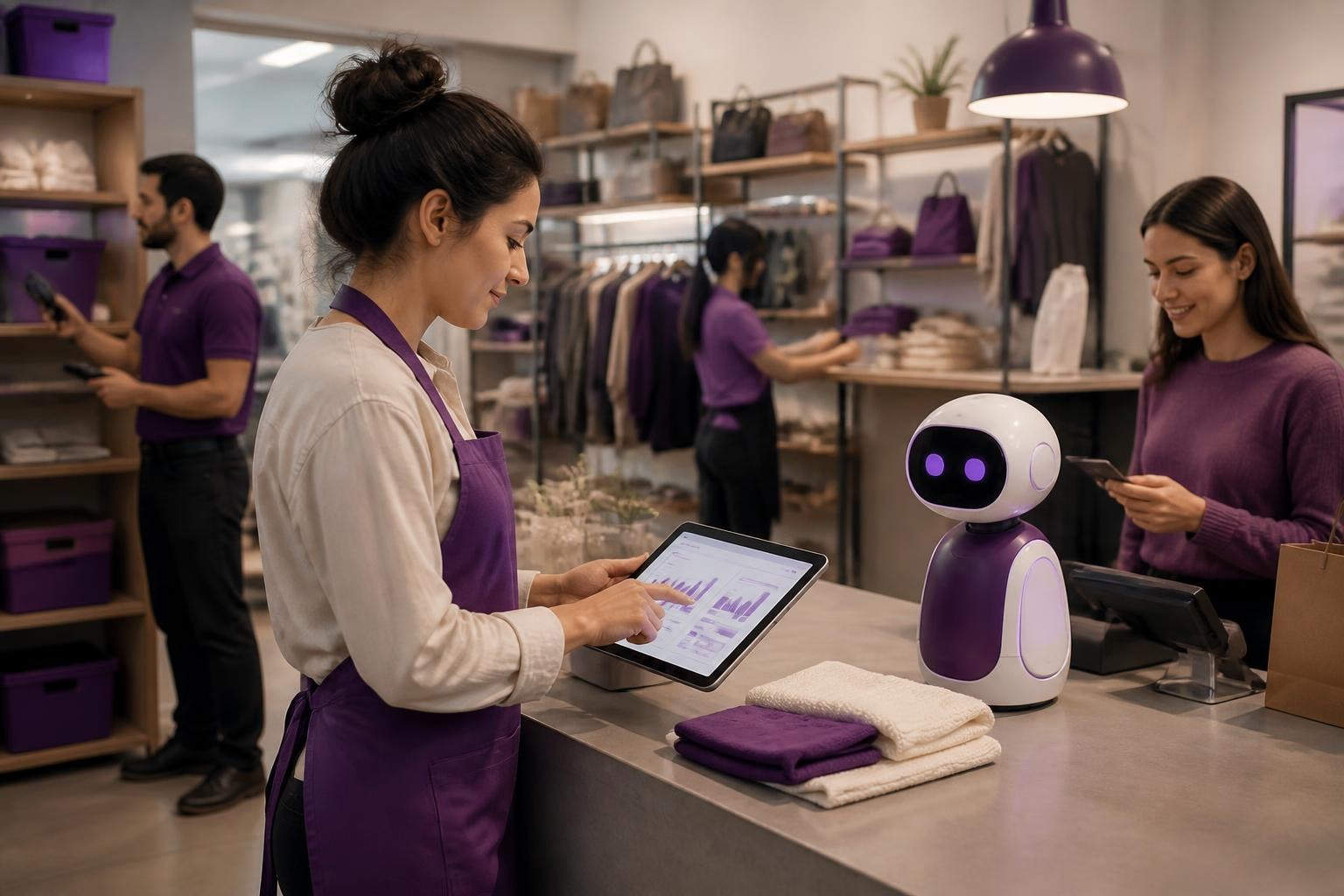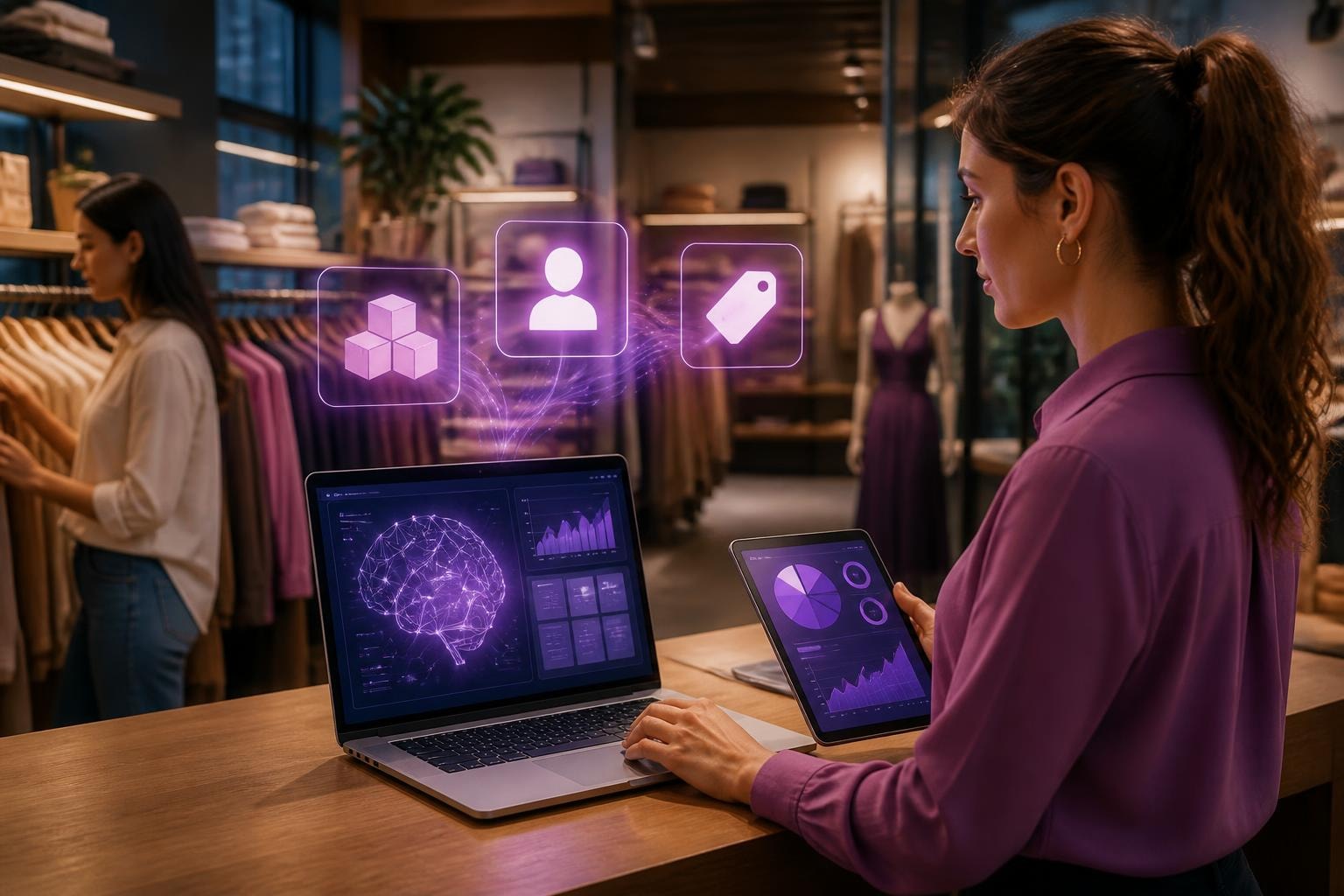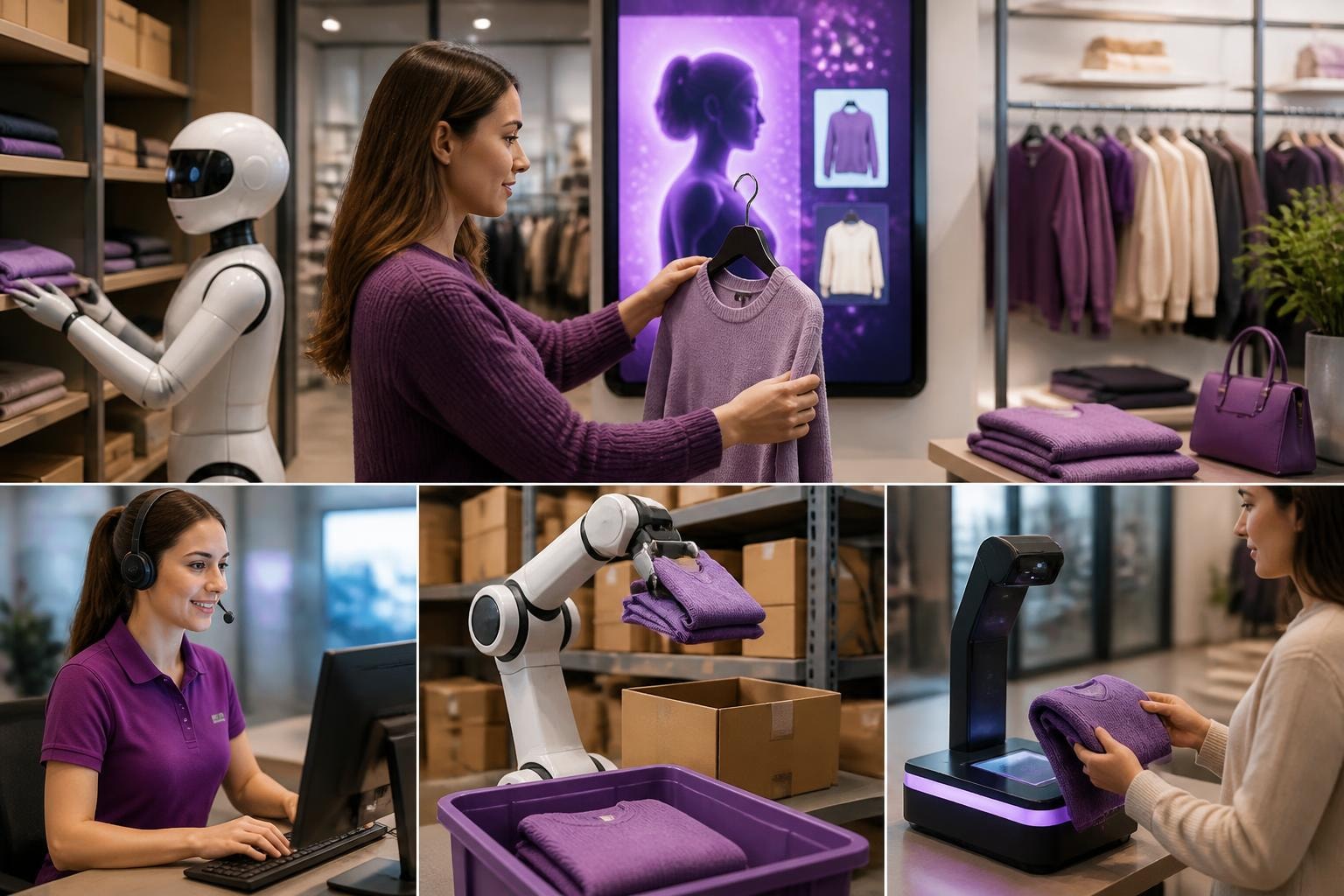
The retail landscape is shifting fast, and it's not about who has the biggest budget anymore. It's about who works smarter. Retailers using AI aren't just keeping up with the competition-they're redefining what's possible in customer service, inventory management, and operational efficiency. The good news? You don't need to be Amazon or Walmart to benefit from these tools. Small retailers can now access practical AI solutions that deliver measurable results without the enterprise price tag.
Why Retailers Are Turning to AI Right Now
Let's be honest-retail is demanding. You're juggling stock levels, staff rotas, customer queries, online orders, and a million other things that eat into your day. The traditional approach of doing more with less has hit its limit.
That's where AI comes in, not as some futuristic concept, but as a practical tool that handles the repetitive stuff whilst you focus on growing your business. Research shows over 80% of North American retailers have integrated AI into their operations, and they're seeing real returns.
The shift isn't about replacing people. It's about removing the bottlenecks that slow everyone down. Think about how much time your team spends on stock checks, answering the same customer questions, or manually updating product listings. These are perfect candidates for automation.

Where Retailers Using AI See the Biggest Impact
Customer Service That Actually Scales
Your customers expect answers now, not tomorrow. AI-powered chatbots and customer service tools can handle common queries 24/7, freeing your team to deal with complex issues that need a human touch.
Key benefits include:
- Instant responses to product availability questions
- Order tracking updates without staff intervention
- Returns and refund queries handled automatically
- Personalised product recommendations based on browsing history
According to recent data, 70% of retailers have piloted AI systems focusing specifically on customer service improvements. They're not doing it for fun-they're doing it because it works.
Inventory Management That Predicts the Future
Running out of your best-seller or sitting on dead stock? Both cost you money. AI-driven inventory systems analyse sales patterns, seasonal trends, and external factors to predict what you'll need and when.
This isn't about complicated enterprise software. Modern inventory tools can integrate with your existing point-of-sale system and start delivering insights within days, not months. Business process automation using AI can transform how you manage stock without requiring a complete system overhaul.
Pricing That Responds to Reality
Static pricing leaves money on the table. Dynamic pricing tools adjust based on demand, competitor pricing, and inventory levels. You're not constantly monitoring spreadsheets-the system does it for you.
| AI Application | Time Saved | Typical ROI Timeline |
|---|---|---|
| Customer service chatbots | 15-20 hours/week | 2-3 months |
| Inventory forecasting | 10-15 hours/week | 3-4 months |
| Dynamic pricing | 5-8 hours/week | 1-2 months |
| Marketing automation | 12-18 hours/week | 2-4 months |
Practical Steps to Start Using AI in Your Retail Business
You don't need a massive budget or a tech team. You need a clear understanding of what's slowing you down and which tools can fix it.
Here's how to approach it:
- Identify your biggest time drain - Is it customer queries? Stock management? Marketing? Pick one problem to solve first.
- Research tools built for small retailers - Avoid enterprise solutions. Look for platforms with monthly pricing and quick setup.
- Start with a pilot - Test the tool in one area of your business before rolling it out everywhere.
- Measure the impact - Track time saved and revenue impact from week one.
- Scale what works - Once you've proven ROI, expand to other areas.
The retailers winning with AI aren't the ones with the fanciest tools. They're the ones who implement methodically and focus on measurable outcomes. Having a clear AI strategy matters more than jumping on every new trend.
Real-World Examples That Show What's Possible
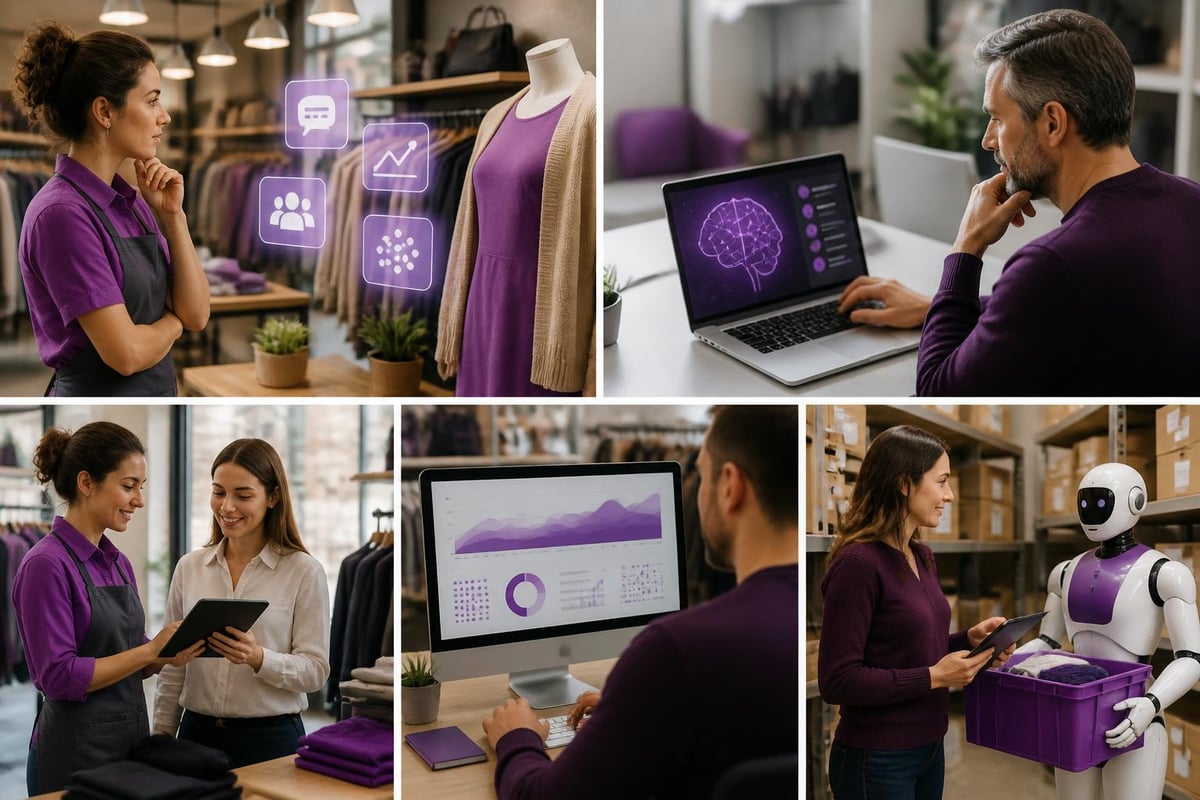
Big retailers like Walmart and Target are deploying AI to enhance consumer experiences through conversational curation and predictive ordering. But you don't need their budget to benefit from similar principles.
A small fashion boutique might use AI-powered email marketing to send personalised product recommendations based on previous purchases. A local hardware shop could implement inventory forecasting to ensure seasonal items are always in stock. An online retailer could automate customer service for order tracking and returns.
Online retailers utilized AI extensively in 2024 for personalization, checkout optimization, and fulfillment-and these applications are now accessible to businesses of all sizes.
The common thread? They all started small, proved value, then expanded. They treated AI as a practical tool, not a magic solution.
What to Watch Out For
Retailers using AI successfully avoid a few common traps. Don't buy tools just because they're trendy. Don't implement AI without measuring results. And don't assume it'll fix broken processes-AI amplifies what you already do, good or bad.
Common mistakes include:
- Choosing complex enterprise platforms when simpler tools would work
- Not training staff on how to work alongside AI systems
- Implementing too many tools at once without proving individual ROI
- Ignoring data quality (AI is only as good as the data you feed it)
Start with your actual problems, not theoretical possibilities. If customer service isn't your bottleneck, don't start there just because everyone else is.
The Cost Question
Here's what matters: what's the cost of not using AI? If you're spending 15 hours a week on tasks that could be automated, that's nearly two full working days. What could you do with that time back?
Most practical AI tools for retailers cost between £50-£500 monthly, depending on your business size and needs. Compare that to the cost of hiring additional staff or the revenue lost from stockouts and poor customer service.
Understanding the price of AI means looking beyond monthly fees to the time and revenue impact. A £200 monthly tool that saves 20 hours and increases sales by 5% pays for itself many times over.
Moving Forward
The retailers thriving in 2026 aren't necessarily the biggest or best-funded. They're the ones who embraced practical AI solutions early and built their operations around efficiency, not just hustle.
You've got two choices: continue managing your retail business the way you always have, or start implementing tools that give you back time whilst improving customer experience. The gap between retailers using AI effectively and those ignoring it will only widen.
The question isn't whether AI will transform retail-it already has. The question is whether you'll be part of that transformation or left behind by competitors who moved faster.
AI doesn't have to be complicated or expensive to transform your retail business. The retailers seeing real results are the ones who started with specific problems and implemented practical solutions. If you're ready to identify where AI can deliver measurable impact in your retail operation-without the jargon or massive investment-AI 4 Small Business can help you build automations that actually work. We focus on real-world implementation that saves time and drives growth, not dependency on expensive platforms.