If you're running a retail shop in 2026, you've probably noticed how quickly customer expectations are changing. They want personalised experiences, instant answers, and products in stock exactly when they need them. Meanwhile, you're trying to manage inventory, compete with online giants, and keep your margins healthy. That's where machine learning in retail industry comes in-not as some futuristic concept, but as a practical tool that's already helping small retailers work smarter. Let's look at what's actually possible when you strip away the hype.
What Machine Learning Actually Does for Retailers
Machine learning isn't about robots taking over your shop floor. It's about using data you already have to make better decisions faster.
Think about all the information flowing through your business daily: sales transactions, customer browsing patterns, seasonal trends, supplier lead times. You're probably tracking some of this in spreadsheets or your POS system, but extracting useful insights manually takes hours you don't have.
Machine learning does three things really well:
- Spots patterns humans miss in large datasets
- Makes predictions based on historical behaviour
- Improves automatically as it processes more information
For small retailers, this translates into tangible improvements. Business process automation through AI can handle repetitive forecasting tasks whilst you focus on customer service and business growth.
Real Applications That Matter Today
Let's get specific. Here are applications of machine learning in retail that small businesses are implementing right now, not in five years' time.
Inventory optimisation is probably the biggest win. Machine learning analyses your sales history, seasonal patterns, local events, even weather forecasts to predict what you'll need and when. One independent fashion boutique reduced overstock by 35% in their first year simply by letting an ML tool handle reorder suggestions.
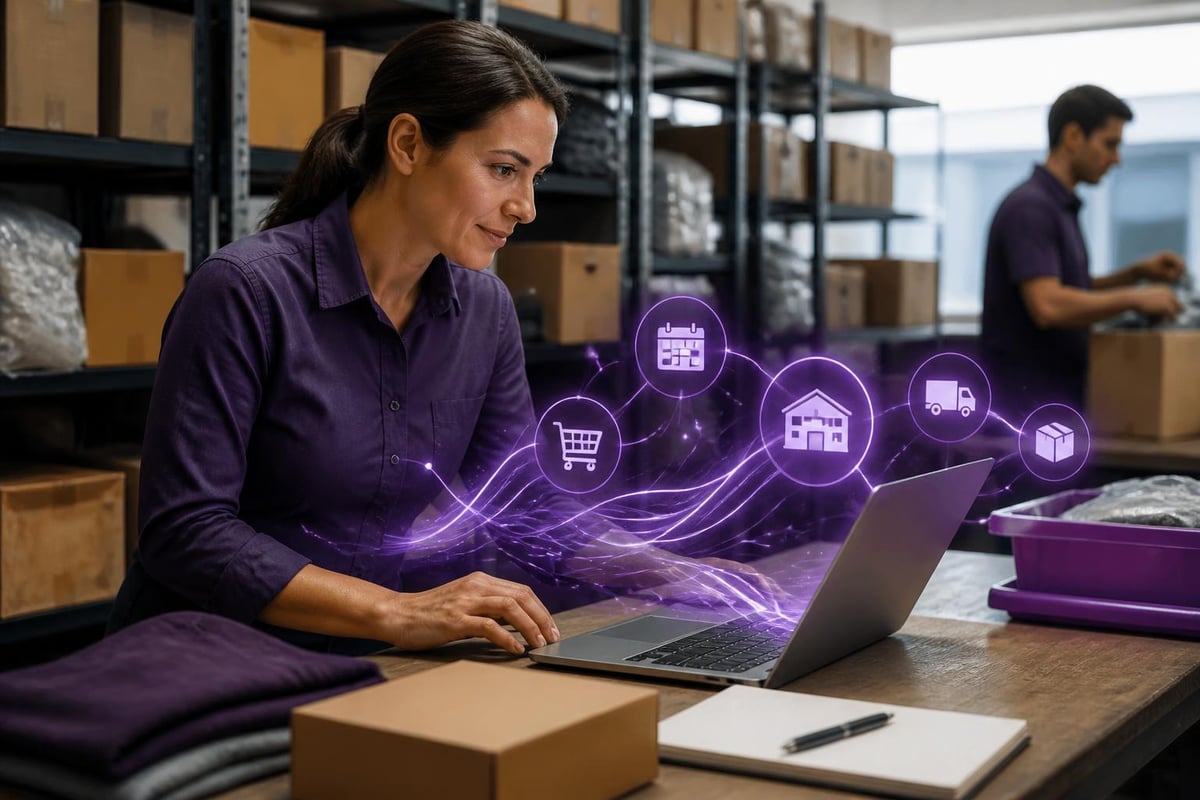
Dynamic pricing sounds complicated, but it's straightforward. The system monitors competitor prices, your stock levels, and demand patterns to suggest optimal pricing. You're still in control-the ML just does the research that would otherwise take you hours each week. AI predictive analytics for retail provides the framework for making these pricing decisions based on real data rather than guesswork.
Customer personalisation goes beyond "customers who bought this also bought that." Modern ML systems can recognise shopping patterns unique to your business, send targeted promotions to specific customer segments, and even predict which customers are at risk of churning. According to research on machine learning applications in retail, personalised recommendations can increase conversion rates by up to 40%.
Practical Implementation Without Breaking the Bank
Here's what nobody tells you: you don't need a massive budget or a tech team to start using machine learning in retail industry.
The barrier to entry has dropped dramatically. Many retail-focused platforms now include ML features as standard. Your existing POS system might already have predictive analytics built in-you just haven't switched it on.
| Implementation Approach | Best For | Typical Investment | Time to Results |
|---|---|---|---|
| Built-in POS features | Single location shops | £0-50/month | 2-4 weeks |
| Standalone ML tools | Multi-channel retailers | £100-500/month | 1-2 months |
| Custom integration | Unique business needs | £2,000-8,000 | 2-3 months |
Start small. Pick one problem that's costing you time or money-maybe it's stockouts of popular items, or excessive markdowns on slow movers. Implementing AI in business works best when you focus on specific, measurable outcomes rather than trying to transform everything at once.
Getting Your Data Ready
Machine learning needs data to learn from, but it doesn't need perfection. If you've got six months of sales history, you can start. A year is better. Two years is ideal.
Three quick wins to prepare:
- Clean up your product data - Consistent naming, proper categorisation, accurate attributes
- Track customer purchases - Even basic loyalty card data creates valuable patterns
- Record external factors - Note promotions, local events, anything that affects sales
The use of AI in business often stumbles not because the technology fails, but because the underlying data is messy. Spend a weekend getting your product catalogue sorted, and you'll see better results from any ML tool you implement.
Beyond the Basics: Where ML Creates Unexpected Value
Once you've got the fundamentals working, machine learning in retail industry opens up some genuinely clever applications.
Fraud detection might seem like a problem for big chains, but card fraud and return abuse affect small retailers too. ML systems spot unusual patterns-like multiple high-value returns from the same customer or transactions that don't match typical shopping behaviour. Insights from machine learning use cases in retail show these systems catch fraud that would slip past manual review.
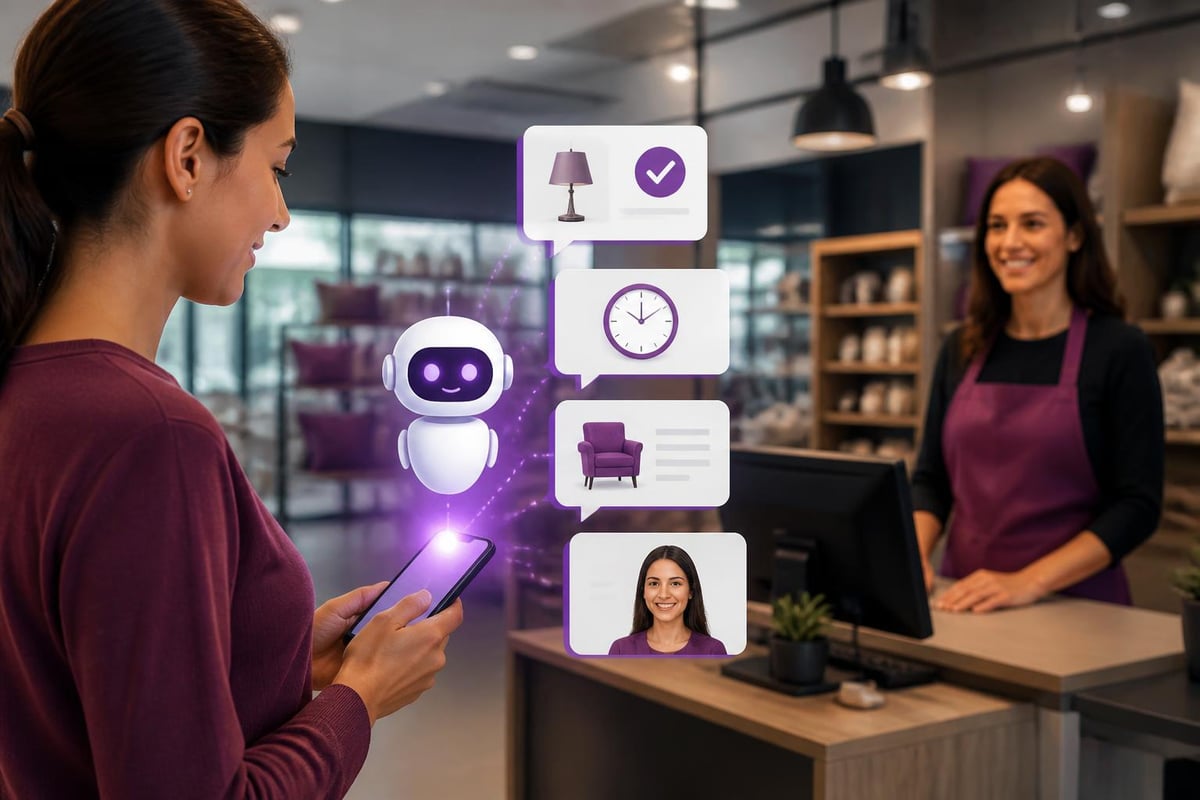
Visual search is brilliant for fashion and homewares. Customers snap a photo of something they like, and your system finds similar items in your inventory. This isn't science fiction-it's available through several e-commerce platforms today for under £100 monthly.
Demand forecasting for new products used to be pure guesswork. Now ML can analyse similar products, seasonal trends, and market data to give you a realistic sales projection before you commit to large orders.
The Customer Experience Angle
Here's something interesting: customers don't care whether you're using machine learning or magic. They just want their problems solved quickly.
But ML helps you deliver that experience consistently. Chatbots handle the routine questions (opening times, stock availability, return policies) instantly, whilst your team focuses on complex enquiries that actually need human judgement. According to IBM's research on AI in retail, this hybrid approach boosts customer satisfaction whilst reducing staff workload.
Personalised email campaigns stop feeling spammy when the recommendations are actually relevant. If your system knows a customer buys running shoes every six months, a well-timed reminder with new arrivals in their size isn't intrusive-it's helpful.
What to Watch Out For
Let's be honest about the challenges. Machine learning isn't a magic wand, and there are proper pitfalls to avoid.
Data privacy matters. You need to handle customer information responsibly, comply with UK GDPR, and be transparent about how you're using data. Most retail ML tools are designed with compliance built in, but it's your responsibility to check. Research on ethical AI applications in retail highlights why getting this right builds trust whilst getting it wrong damages your reputation.
System integration can be fiddly. Your ML tool needs to talk to your POS, your e-commerce platform, maybe your accounting software. Sometimes these connections work seamlessly. Sometimes they need custom work. This is where working with AI business solution providers saves you weeks of frustration.
Over-reliance is a real risk. The system makes suggestions, but you make decisions. Your local knowledge, relationships with suppliers, and understanding of your customers still matter enormously.
Making It Work for Your Retail Business
So where do you actually start? Here's the practical pathway that works for most small retailers:
- Identify your biggest time-drain or profit-leak - Stockouts? Overstocking? Pricing guesswork? Manual customer segmentation?
- Research tools specific to that problem - Look for retail-focused solutions with ML built in, not generic platforms requiring customisation
- Run a small pilot - Test with one product category, one store, or one customer segment for 4-8 weeks
- Measure actual results - Time saved, revenue increase, waste reduction-whatever matters for your specific problem
- Expand gradually - Roll out to more areas only after proving the concept works
The beauty of machine learning in retail industry today is that you're not pioneering-you're adopting proven approaches that others have already tested. The AI retail software available in 2026 is designed for businesses like yours, not just enterprise operations.

The retailers thriving in 2026 aren't necessarily the biggest or best-funded. They're the ones who've worked out how to use technology to multiply their efforts, serve customers better, and make smarter decisions based on data rather than hunches. Machine learning gives you that leverage-but only if you actually implement it, measure the results, and refine your approach based on what works for your specific business.
Machine learning in retail industry isn't about keeping up with trends-it's about solving real problems that affect your bottom line every single day. Whether that's reducing stock waste, improving margins through smarter pricing, or creating customer experiences that drive loyalty, the tools exist and they're accessible to small retailers right now. If you're ready to explore how AI can transform specific aspects of your retail operation without the complexity or enormous investment, AI 4 Small Business helps you identify the right tools, implement them properly, and measure the results that matter to your business.