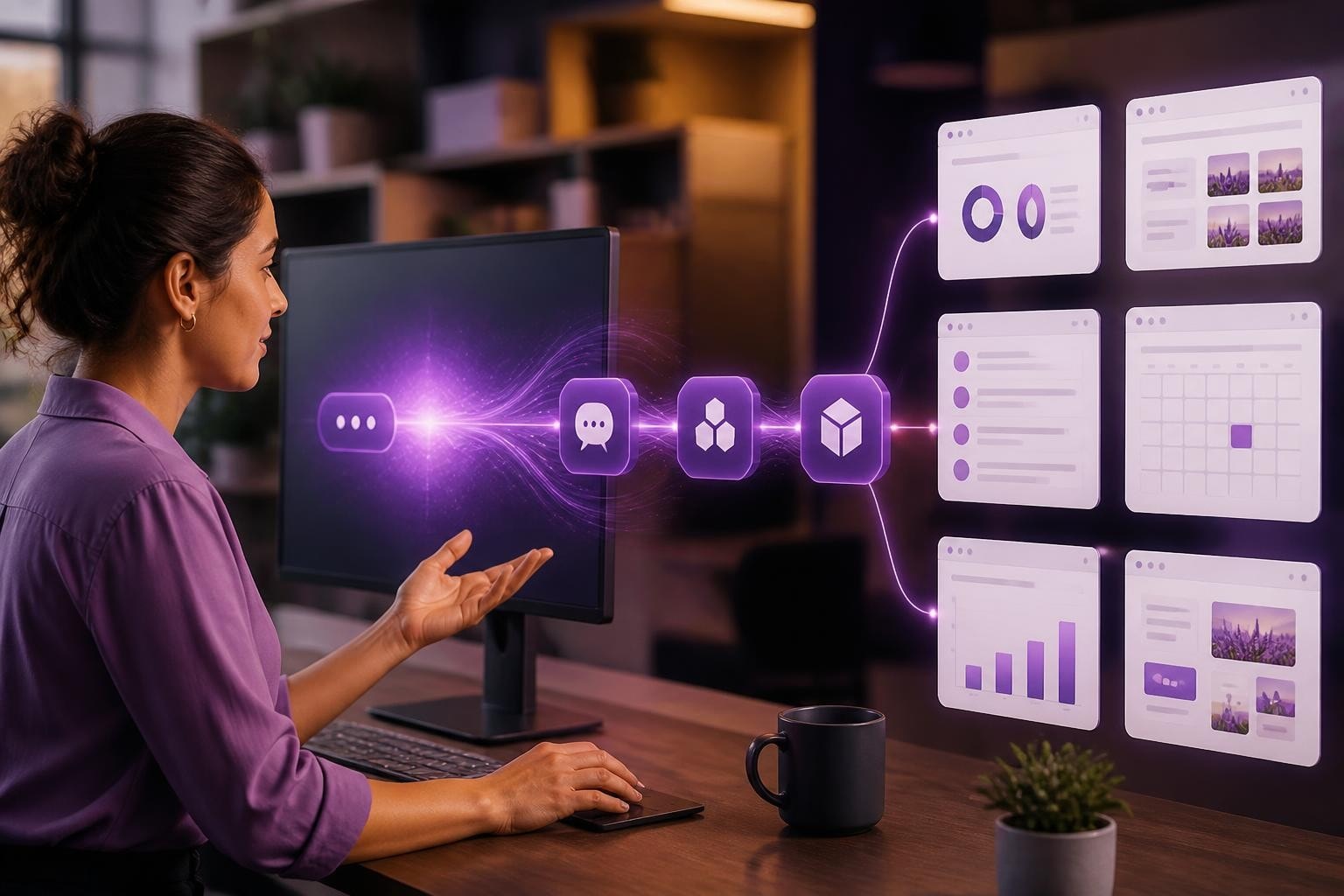
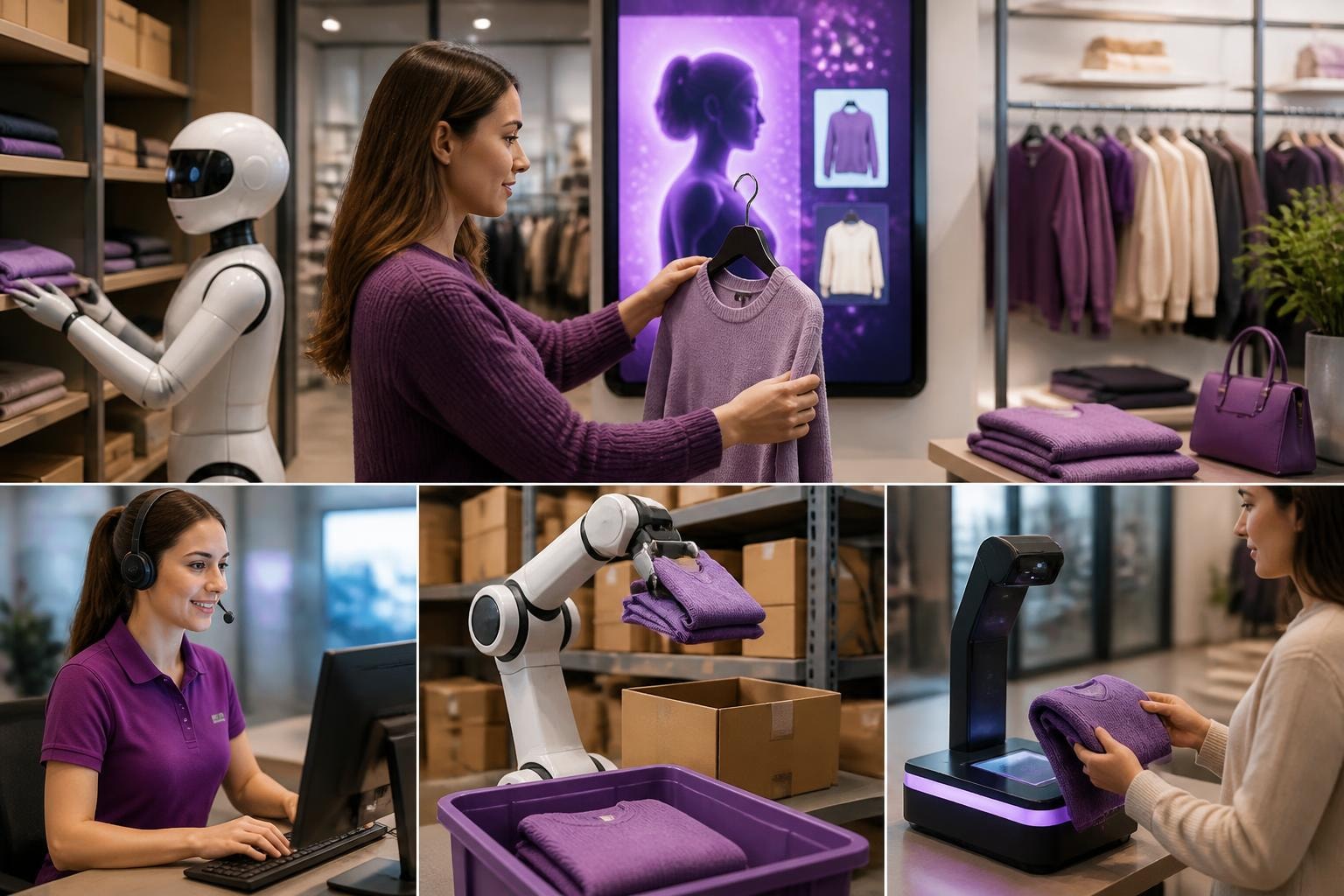
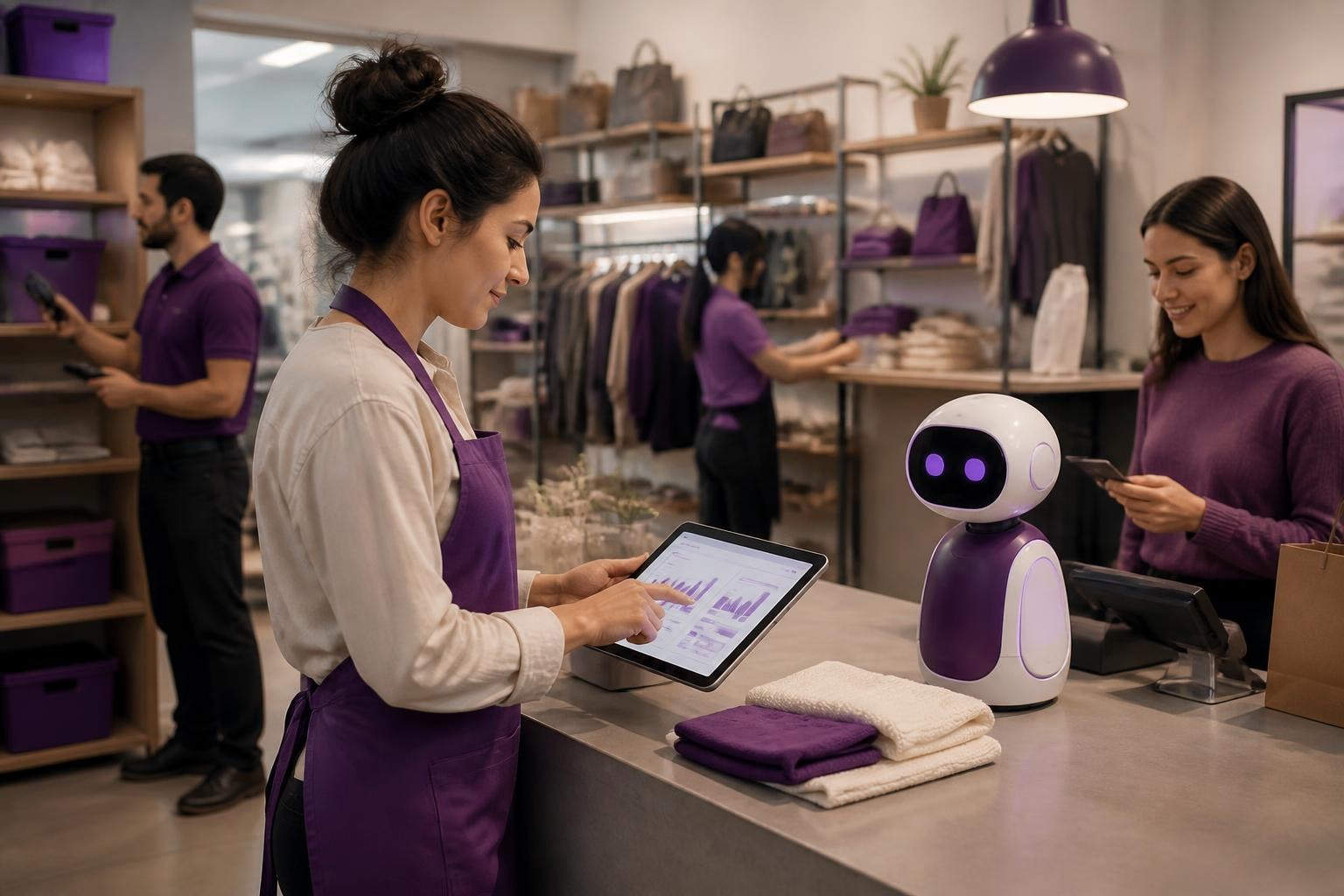
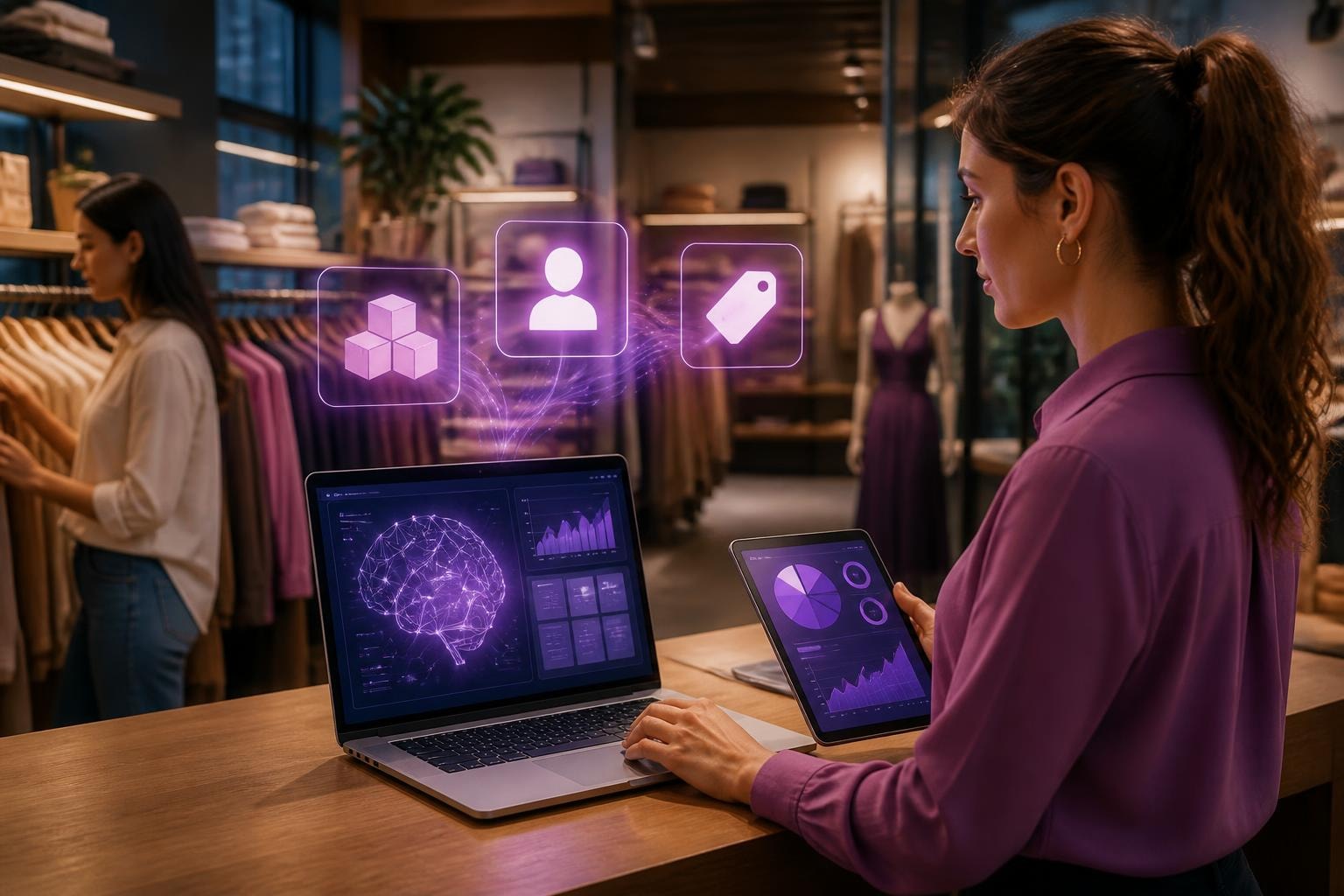
Running a small retail shop means wearing multiple hats, from managing stock to serving customers and everything in between. The good news? AI retail software has evolved from something only big chains could afford to practical tools that fit right into your daily operations. Whether you're managing a boutique clothing shop, a local bookstore, or a speciality food market, the right software can take repetitive tasks off your plate and give you insights you simply couldn't spot on your own. Let's explore what's actually available and how it works in the real world.
Understanding What AI Retail Software Actually Does
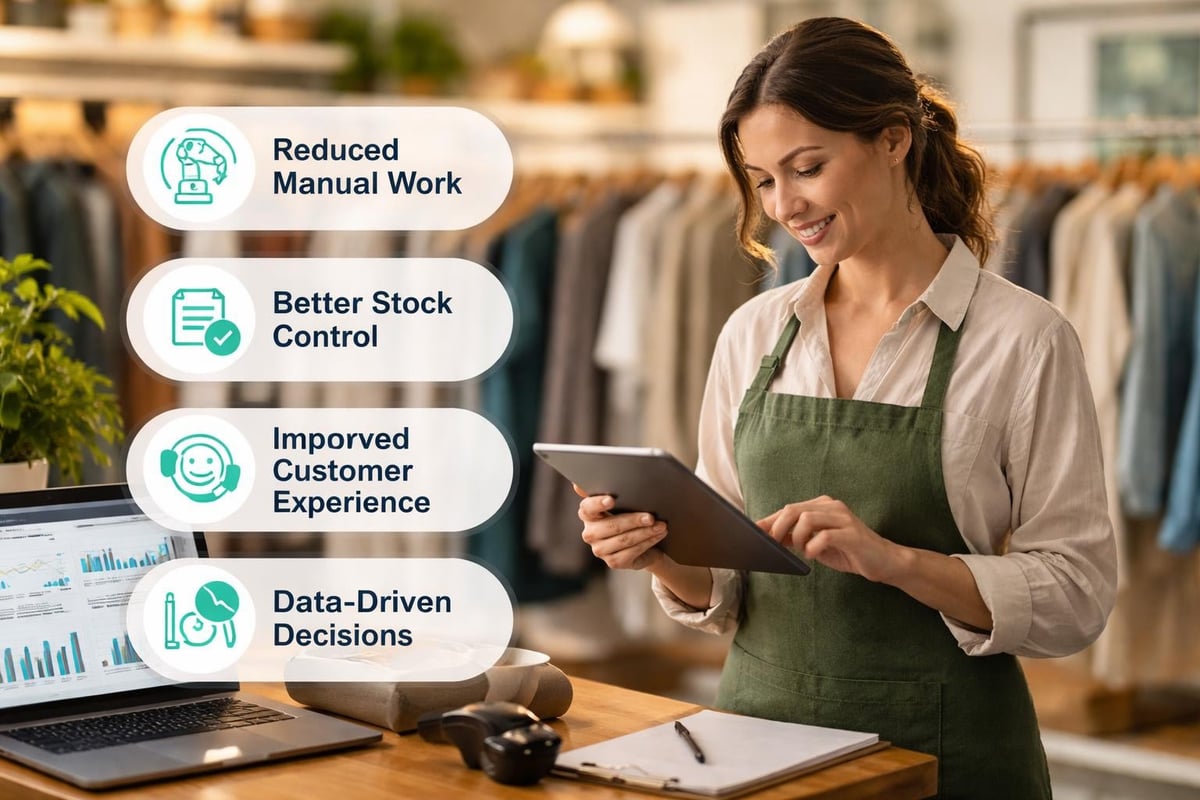
Think of AI retail software as a smart assistant that learns from your business patterns. It's not about robots taking over your shop – it's about software that gets smarter the more you use it.
Here's what it handles in everyday terms:
- Predicting when you'll run low on stock based on sales patterns
- Answering common customer questions automatically
- Spotting which products work well together for better displays
- Identifying your best customers and when they typically shop
- Flagging unusual activity that might indicate theft or errors
Recent data shows that 91% of retail companies are now actively using or considering AI, with many reporting increased revenues and reduced costs. This isn't just a trend for major retailers anymore.
The Shift to Accessible Tools
What's changed dramatically is accessibility. Five years ago, implementing ai retail software meant hiring consultants and spending tens of thousands. Today, you can start with affordable monthly subscriptions that work straight out of the box.
Practical Applications You Can Use Tomorrow
Let's talk specifics. Here's what small retailers are actually doing with ai retail software right now, and you'll notice these are everyday challenges you probably face.
Smart Inventory Management
Your biggest headache might be knowing what to order and when. AI tools analyse your sales history, seasonal patterns, and even local events to suggest orders. One tool analyses till receipts and automatically updates stock counts, alerting you when items need reordering.
| Feature | How It Helps | Typical Cost |
|---|---|---|
| Automated reorder alerts | Never run out of bestsellers | £30-80/month |
| Demand forecasting | Reduce overstocking | £50-150/month |
| Supplier comparison | Find better deals automatically | £40-100/month |
Understanding how to implement AI effectively means starting with one problem area rather than trying to automate everything at once.
Customer Service That Never Sleeps
Modern ai retail software includes chatbots that handle common questions on your website or social media. They're not the clunky robots you might remember – they understand context and can actually help customers find products.
A local gift shop owner told me her chatbot now handles 70% of "What are your opening hours?" and "Do you have X in stock?" questions, freeing her to focus on in-store customers. Retail-specific AI tools can transform how you handle customer enquiries without requiring technical expertise.
Getting Started Without the Technical Headaches
You don't need a computer science degree. The best ai retail software for small businesses works like any other app you already use.
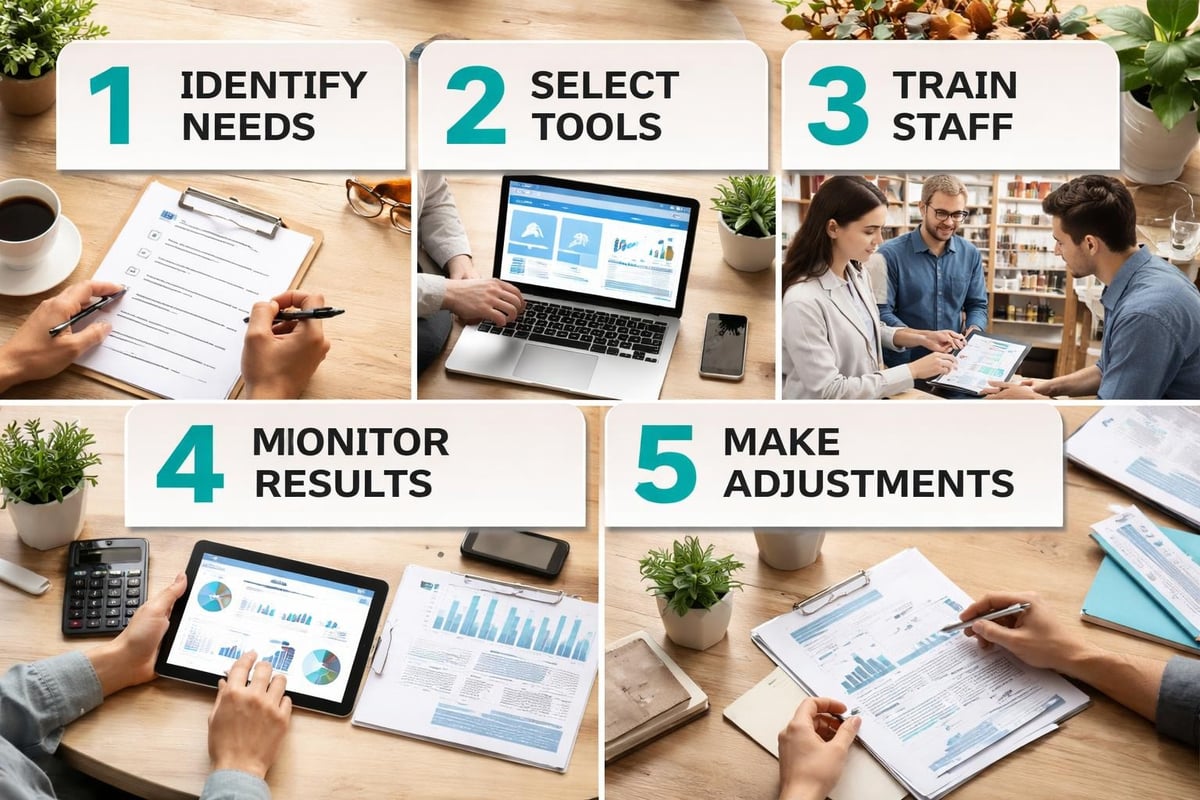
Simple implementation steps:
- Start with your biggest pain point – Is it stock control? Customer queries? Staff scheduling?
- Choose one tool that solves it – Don't try to automate everything
- Use the free trial properly – Actually test it with real data for a week
- Train your team – Most tools have video tutorials under 10 minutes
- Review after one month – Is it saving time? Adjust as needed
The key is avoiding AI dependency by keeping control of your data and being able to switch tools if needed. You want software that enhances what you do, not software you can't live without.
Security Considerations Made Simple
As securing AI systems becomes more critical, small retailers need to understand basic protections. Choose software that stores customer data securely and complies with UK data protection regulations.
Look for these basics:
- Two-factor authentication for staff logins
- Regular automatic backups
- Clear privacy policies you can actually understand
- Customer data encryption (it should do this automatically)
Real Cost Considerations for Small Budgets
Let's be honest about money. The costs of AI vary wildly, but affordable options exist specifically for small retailers.
| Budget Level | What You Get | Best For |
|---|---|---|
| £0-50/month | Basic chatbot, simple inventory alerts | Solo shops, market stalls |
| £50-200/month | Multiple tools, customer insights, automated ordering | Established shops with 1-3 staff |
| £200-500/month | Comprehensive suite, advanced analytics | Multi-location or high-volume retailers |
Many providers offer tiered pricing that grows with your business. You're not locked into expensive contracts.
Measuring What Matters
How do you know if ai retail software is working? Focus on metrics that actually affect your bottom line:
- Time saved on repetitive tasks – Track hours per week
- Stock accuracy improvements – Compare before and after
- Customer response times – Average wait reduced?
- Sales conversion rates – Are more browsers buying?
One independent bookshop reduced their stock-taking time from 8 hours monthly to 45 minutes using AI-powered inventory scanning. That's real time back in your day.
Choosing Tools That Won't Overwhelm You
The market is flooded with options, which makes choice harder, not easier. Focus on tools built specifically for retail rather than generic business software trying to do everything.
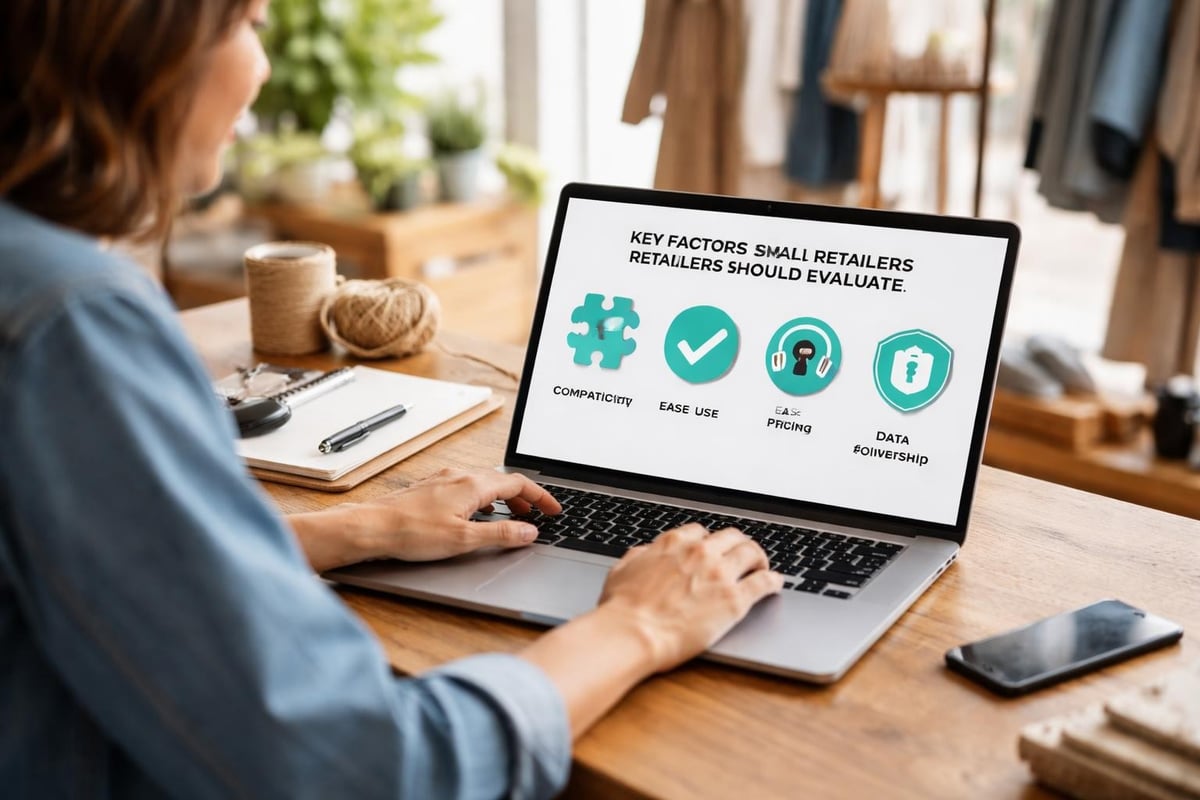
Practical AI solutions for small businesses should integrate with systems you already use – your till, accounting software, and website. If a tool requires replacing everything you have, that's a red flag for most small retailers.
Questions to ask before buying:
- Can I export my data if I want to leave?
- Does it work with my current till system?
- Is support available when I'm actually working (evenings/weekends)?
- Can I pause during quiet months?
- Are there hidden costs for "essential" features?
The retail landscape is changing, and AI-powered solutions are increasingly becoming standard tools rather than luxury add-ons. The shops thriving in 2026 are those treating AI retail software as helpful assistants rather than complicated technology projects. Start small, measure results, and expand what works.
AI retail software doesn't need to be complicated or expensive to transform your daily operations. The right tools free you from repetitive tasks and provide insights that help you serve customers better whilst protecting your margins. If you're ready to explore practical, affordable AI solutions tailored specifically for your retail business, AI 4 Small Business specialises in quick implementation of sector-specific tools that enhance your capabilities without creating dependency. Whether you're managing inventory headaches or drowning in customer enquiries, there's a practical solution ready to deploy.