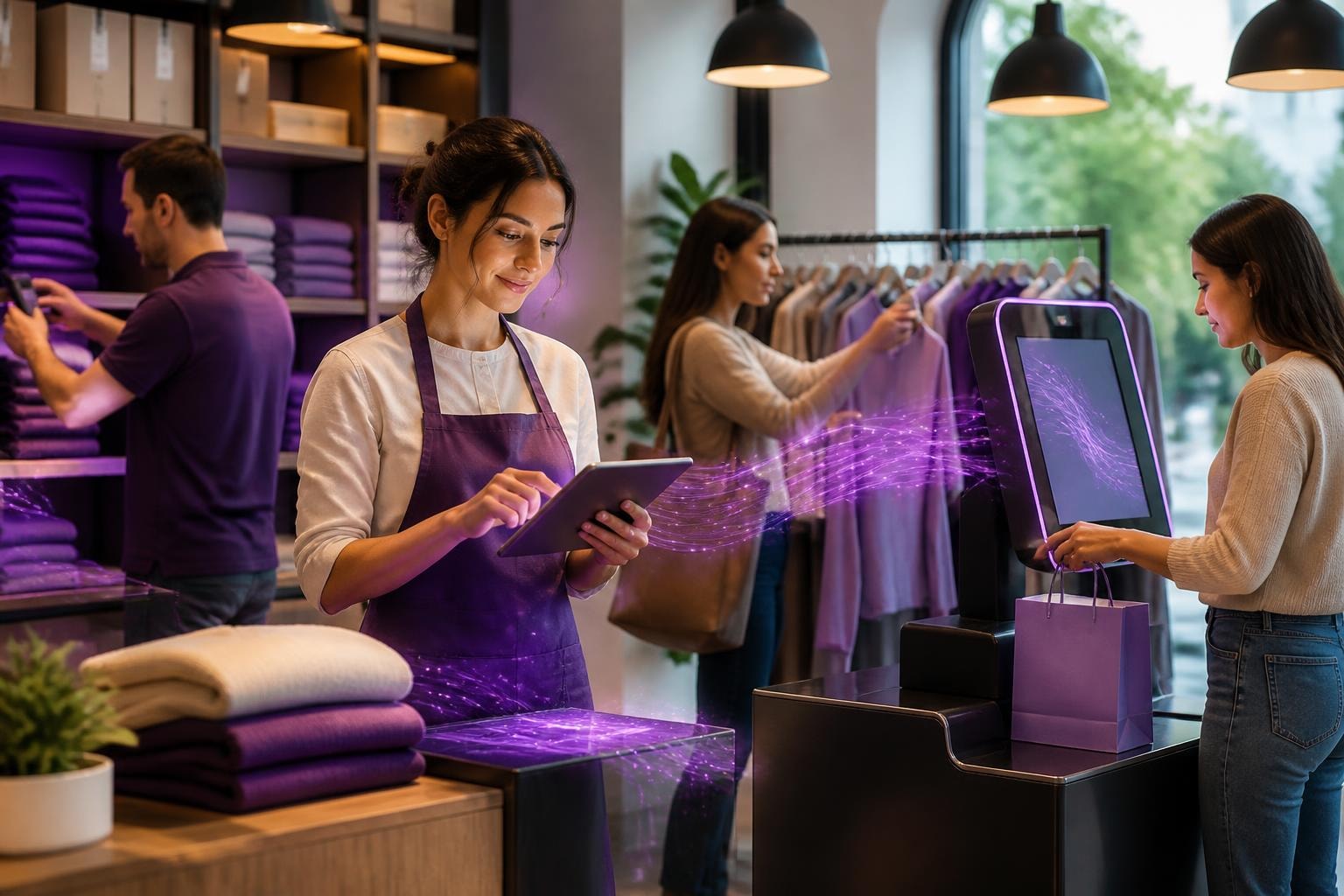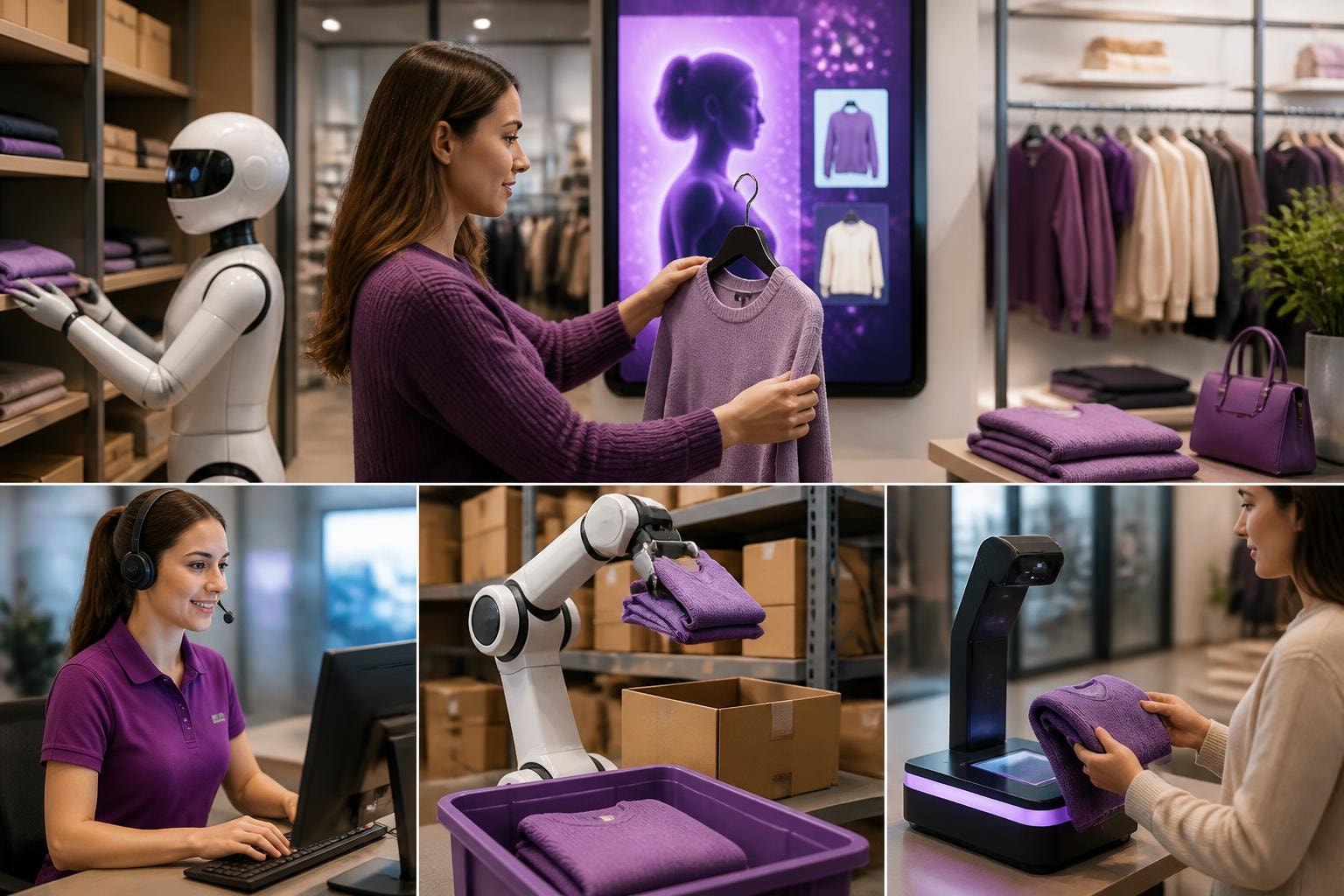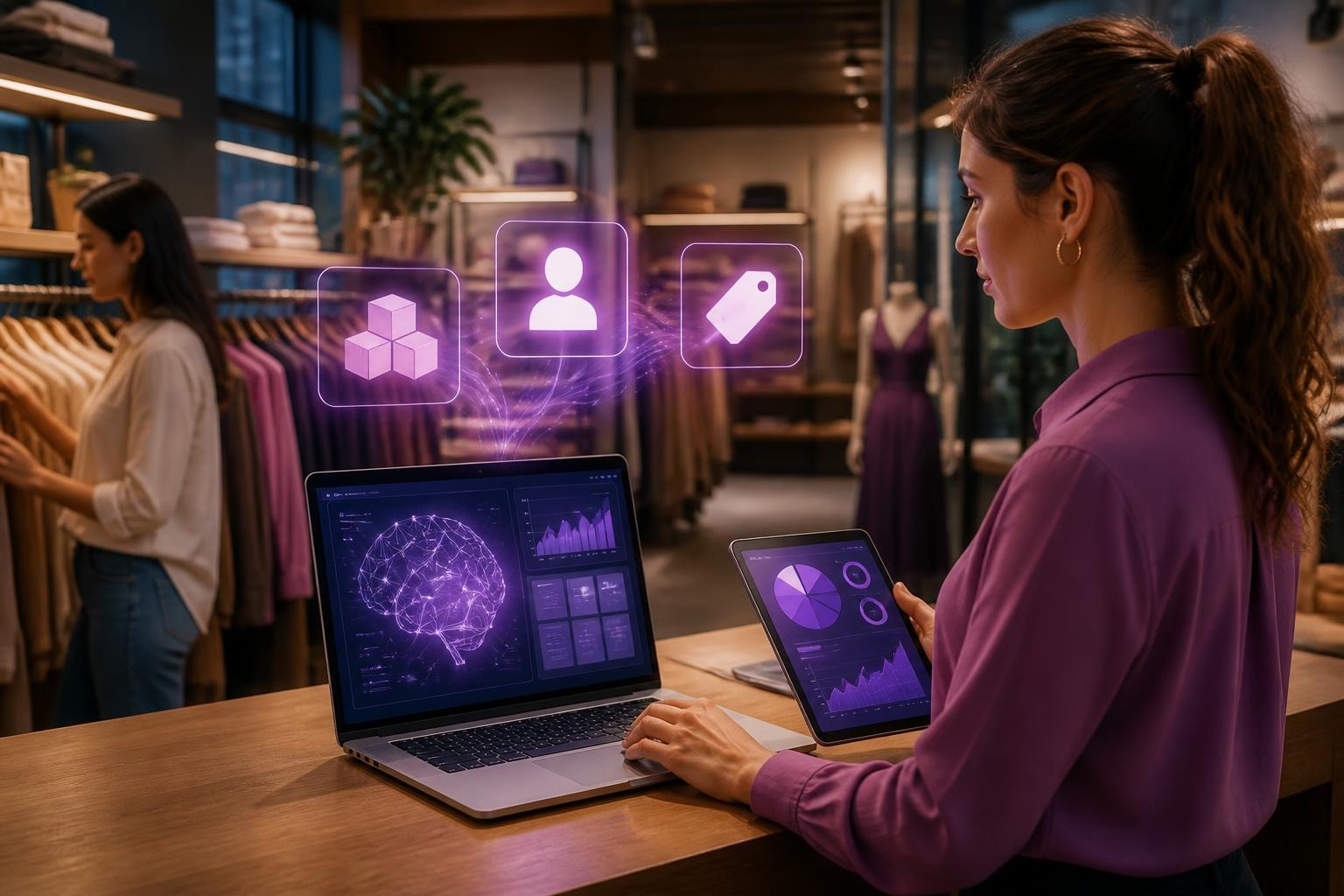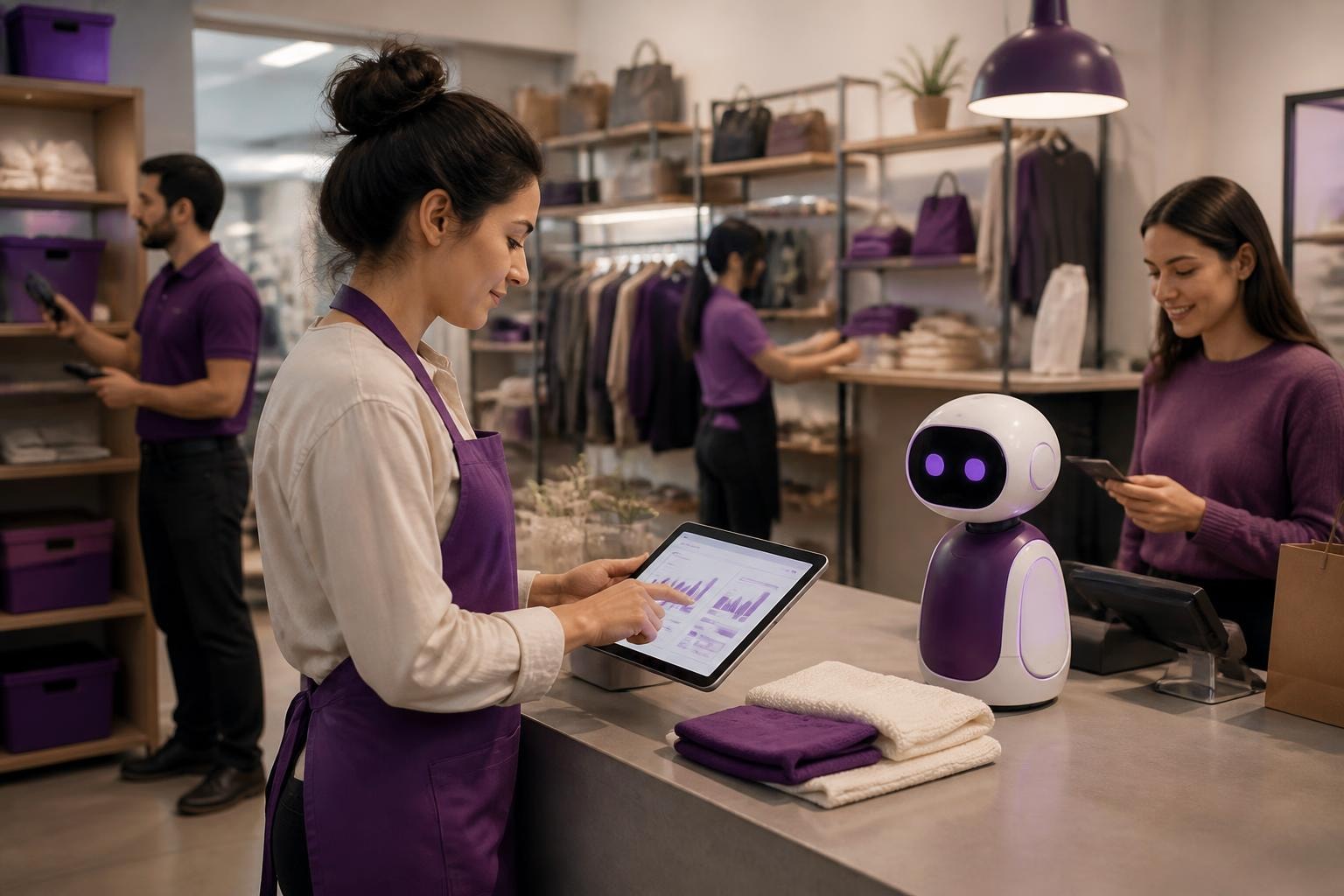
If you're running a small retail shop in 2026, you're probably juggling stock levels, customer queries, staff rotas, and a dozen other tasks that eat into your day. The good news? AI in retail stores isn't just for big chains anymore. Small businesses are now using practical AI tools to tackle these time-drains without massive budgets or technical teams. We're not talking about sci-fi stuff here-just straightforward solutions that make running your shop less chaotic and more profitable.
What AI Actually Does in Physical Shops
Let's cut through the noise. When we talk about ai in retail stores, we're looking at tools that handle repetitive tasks, spot patterns you'd miss, and free up your time for what matters: serving customers and growing your business.
Here's what's working right now for small retailers:
- Smart inventory tracking that tells you what's selling and what's gathering dust
- Automated reordering so you never run out of bestsellers
- Customer query chatbots that answer common questions 24/7
- Staff scheduling tools that match busy periods with the right number of people
- Checkout systems that reduce queuing and basket abandonment
The difference between 2026 and a few years back? These tools have become affordable, simple to set up, and don't require a computer science degree to operate. IBM's research on AI in retail shows how these technologies are becoming accessible across all business sizes.
Sorting Out Your Stock Problems
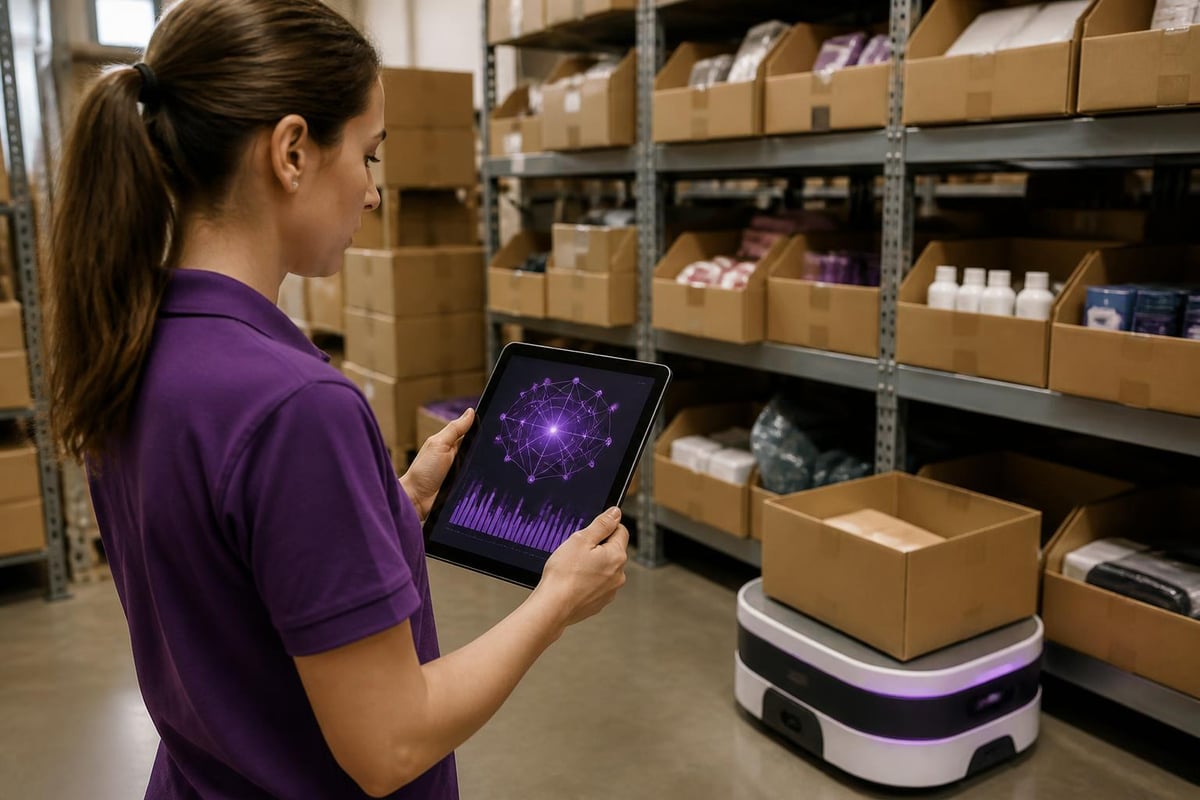
If you've ever found yourself counting stock at midnight or discovering you've ordered way too many winter coats in April, you'll appreciate what AI can do here.
Inventory That Manages Itself
Modern AI tools connect to your till system and learn your sales patterns. They spot when you're likely to run low on something and can either alert you or automatically place orders with suppliers. No more spreadsheets, no more guesswork.
One independent fashion boutique we know cut their overstock by 40% just by letting AI handle reordering. The system noticed that certain sizes sold faster on specific days and adjusted accordingly-something the owner had never spotted in five years of trading.
| Challenge | Old Way | AI Solution |
|---|---|---|
| Running out of popular items | Weekly manual checks | Real-time alerts and auto-reordering |
| Too much dead stock | Gut feeling orders | Data-driven predictions |
| Time spent stocktaking | 10+ hours monthly | 2 hours monthly |
Understanding What Sells (and What Doesn't)
Microsoft highlights how AI streamlines retail operations by analyzing sales data you're already generating. Your till records everything-AI just makes sense of it.
You'll see patterns like:
- Which products sell together (great for merchandising)
- What time of day certain items move fastest
- How weather affects different product categories
- Which promotions actually work versus ones that just cut your margin
This isn't about replacing your retail instincts-it's about backing them up with solid data.
Improving Customer Service Without Hiring More Staff
Here's where ai in retail stores gets really practical. Your customers want quick answers, but you can't be everywhere at once.
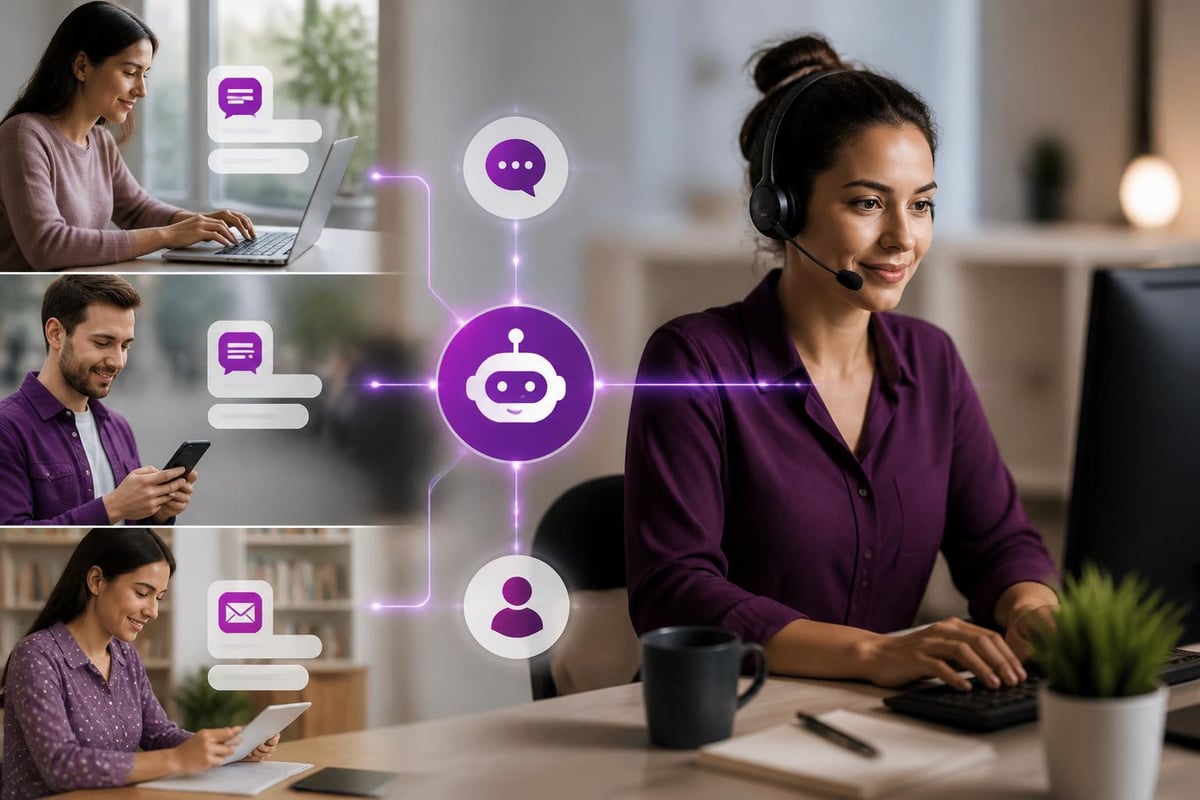
AI-powered customer service tools can:
- Answer FAQs instantly (opening times, return policies, stock availability)
- Handle appointment bookings without phone tag
- Send personalised product recommendations based on purchase history
- Follow up after sales with care instructions or complementary products
A local homeware shop installed a simple chatbot on their website. It handles about 60 basic queries daily-questions that previously interrupted staff serving in-store customers. The owner reckons it's like having an extra team member who never needs a tea break.
Smarter Scheduling and Staffing
Getting your rota right is harder than it looks. Too many staff when it's quiet wastes money. Too few during busy periods annoys customers and stresses your team.
AI scheduling tools look at:
- Historical footfall data
- Seasonal patterns
- Local events (markets, school holidays, festivals)
- Weather forecasts
- Individual staff preferences and availability
They then suggest optimal staffing levels for each shift. Some systems even send shifts directly to staff mobile phones and handle swap requests automatically. Recent implementations in physical retail stores show how these tools are improving both efficiency and employee satisfaction.
Reducing Shrinkage and Theft
Nobody likes talking about it, but stock loss costs small retailers serious money. AI surveillance systems have become surprisingly affordable and don't require you to watch screens all day.
These systems can:
- Spot unusual checkout patterns that might indicate scanning errors or theft
- Alert you to discrepancies between stock levels and sales
- Identify high-risk times or areas in your shop
- Track which products are most vulnerable
It's not about becoming Big Brother-it's about protecting your margins. As NVIDIA explains in their smart store research, reducing shrinkage by even 2-3% can significantly boost profitability for small retailers.
Getting Started: What Actually Works
You don't need to transform everything overnight. The businesses seeing real results from implementing AI in their operations start small and build up.
Practical first steps:
- Identify your biggest time-drain - Is it stock management? Customer queries? Staff scheduling?
- Start with one tool - Pick a specific problem and solve it properly before moving on
- Use what you've got - Most AI tools integrate with existing tills and systems
- Measure the impact - Track time saved and money earned, not just "being modern"
Shopify's guide to AI in retail offers additional use cases, though many focus on eCommerce. For physical shops, the wins come from operational efficiency rather than just online personalisation.
The ROI You'll Actually See
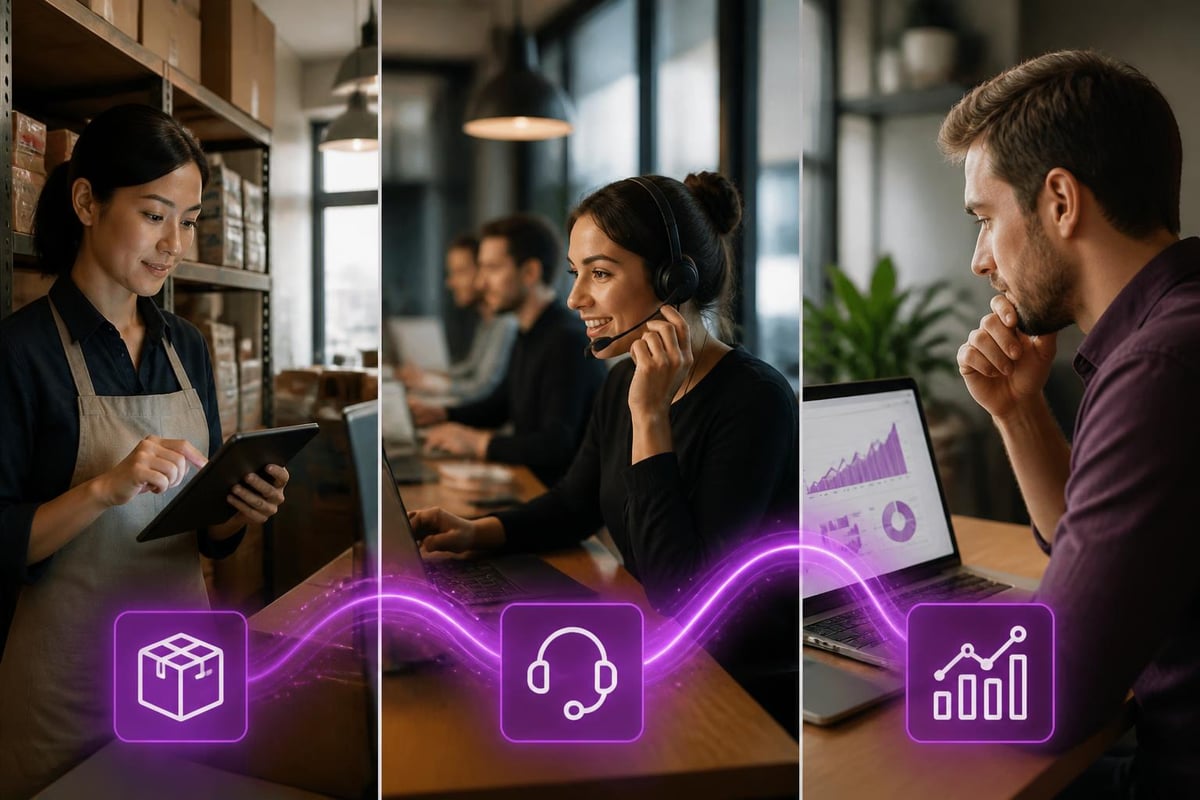
Let's talk numbers because AI in retail stores needs to pay for itself. Small retailers we've worked with typically see:
- 5-10 hours weekly saved on admin and stock management
- 15-30% reduction in overstock and waste
- 20-40% faster response to customer queries
- Better staff morale from eliminating tedious tasks
The tools usually cost between £50-£300 monthly depending on your shop size and needs-far less than hiring additional staff to handle these tasks manually. Many AI tools for work now offer pay-as-you-go pricing, so you're not locked into expensive contracts.
For shops exploring AI in the retail sector more broadly, the key is focusing on measurable outcomes rather than fancy features.
What to Avoid
Not everything labelled "AI" is worth your money. Watch out for:
- Solutions looking for problems - If you can't clearly explain what it'll improve, skip it
- Complicated setup - Good tools should work within days, not months
- Vendor lock-in - Make sure you can export your data and switch if needed
- One-size-fits-all platforms - Your bakery has different needs than a clothing boutique
The common issues around AI hype are real. Stick with proven, practical solutions that solve actual problems in your business.
Beyond the Basics
Once you've nailed the fundamentals, there's more you can do. AI predictive analytics for retail can help forecast demand for new product lines, optimize your pricing strategy, and even suggest shop layout changes based on customer movement patterns.
Some small retailers are also using AI for:
- Dynamic pricing during quiet periods to shift stock
- Personalised marketing that actually converts
- Supplier negotiations backed by purchasing data
- Energy management to cut utility costs
The businesses succeeding with these advanced applications usually started simple and built capability over 12-18 months.
The reality is that AI in retail stores works best when it tackles specific, measurable problems in your business-not when it's implemented just to say you're "using AI." Whether it's cutting the time you spend on stock counts, reducing the queries interrupting your sales floor, or making sure you're properly staffed during rushes, the right tools deliver tangible results quickly. If you're ready to identify where AI could genuinely help your retail operation and want guidance on choosing practical AI solutions that actually work for small businesses, we'd be happy to have a conversation about what makes sense for your shop specifically.