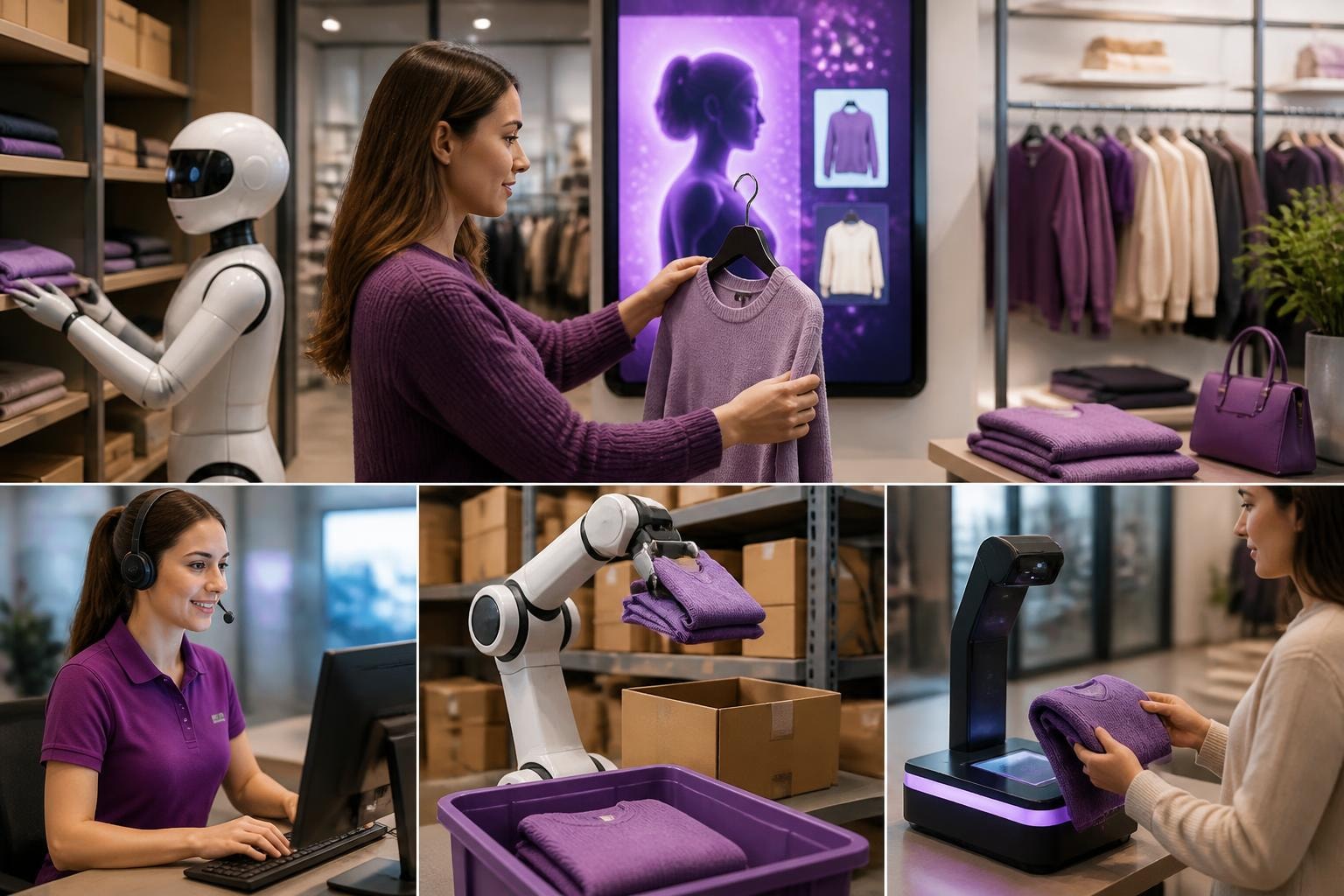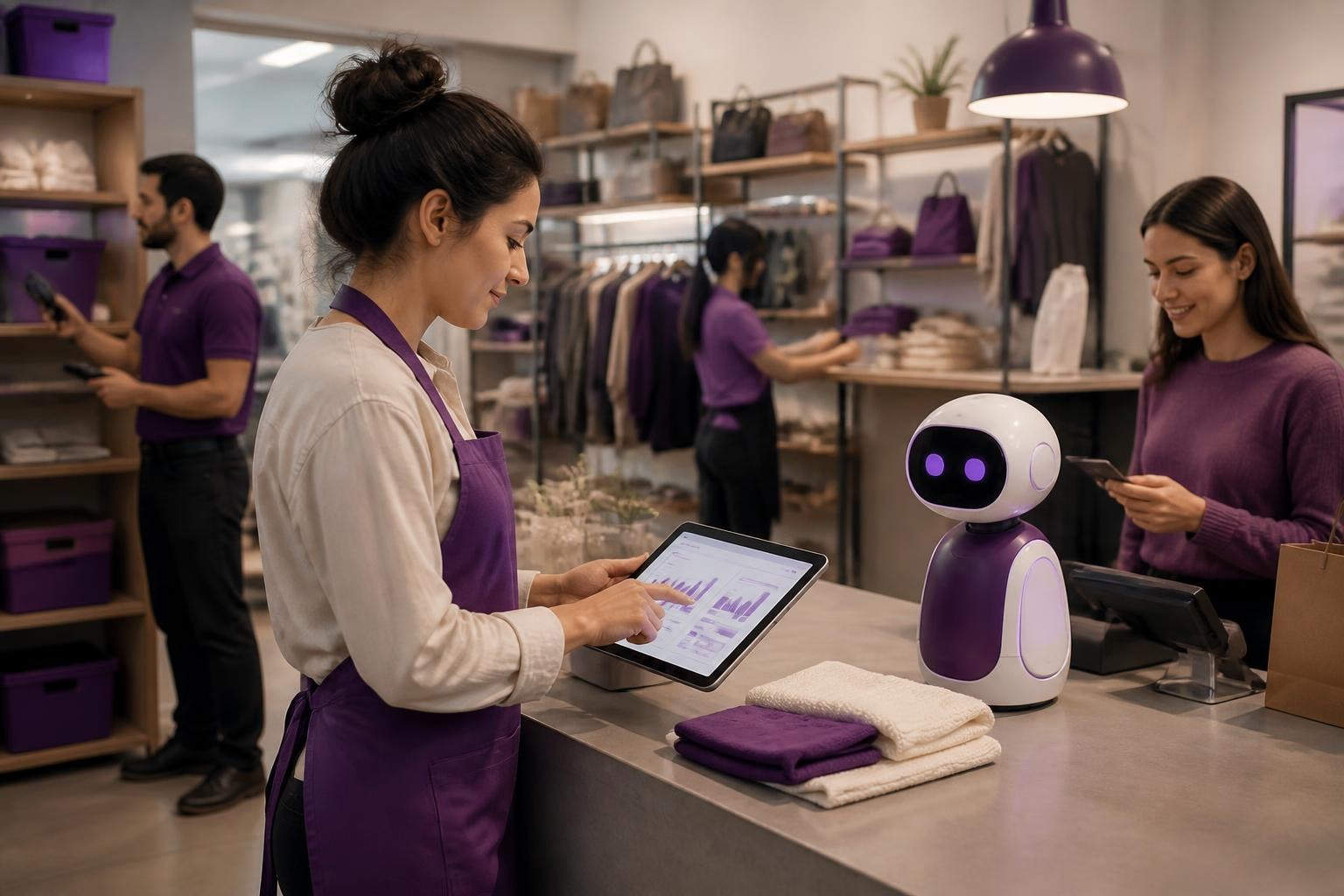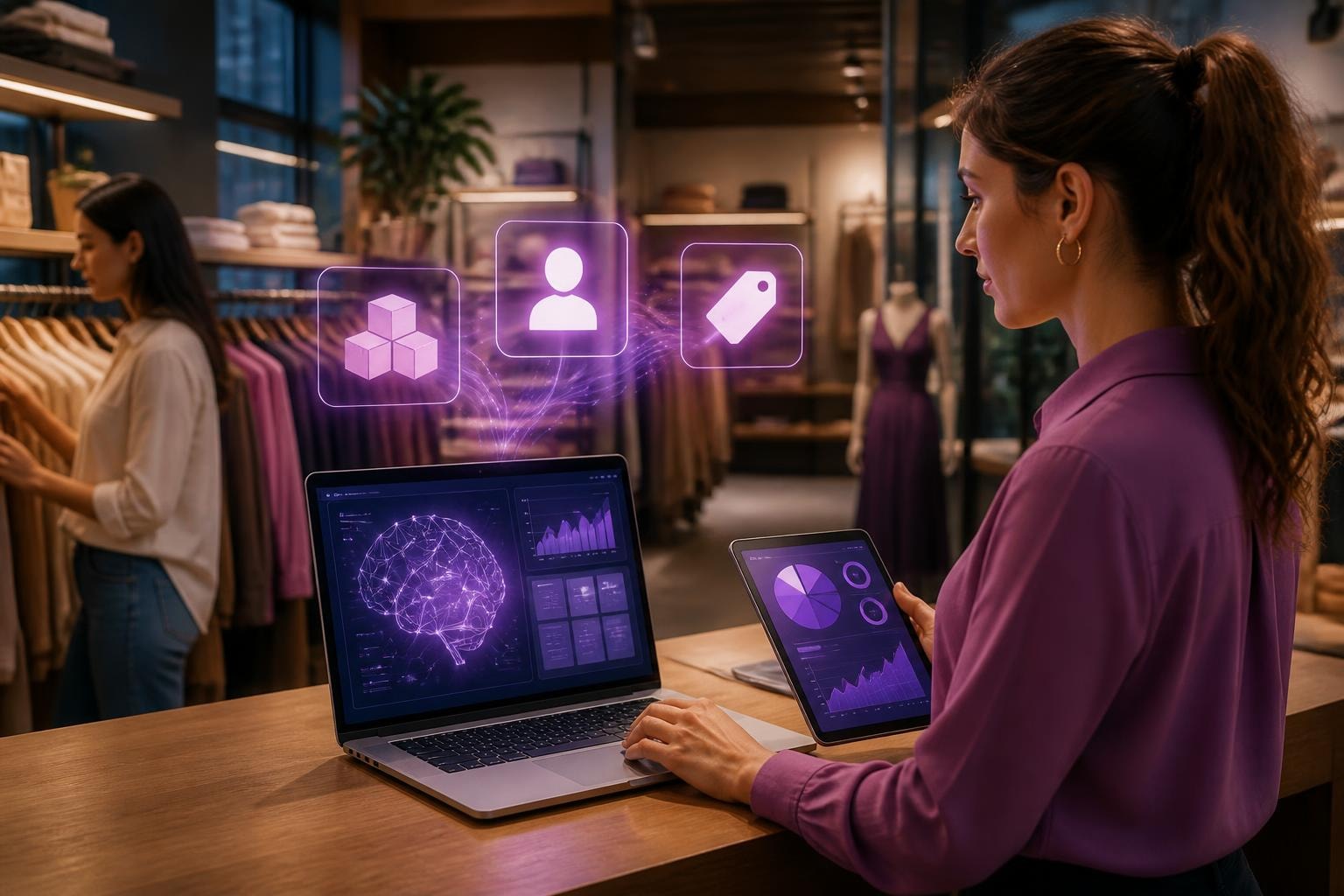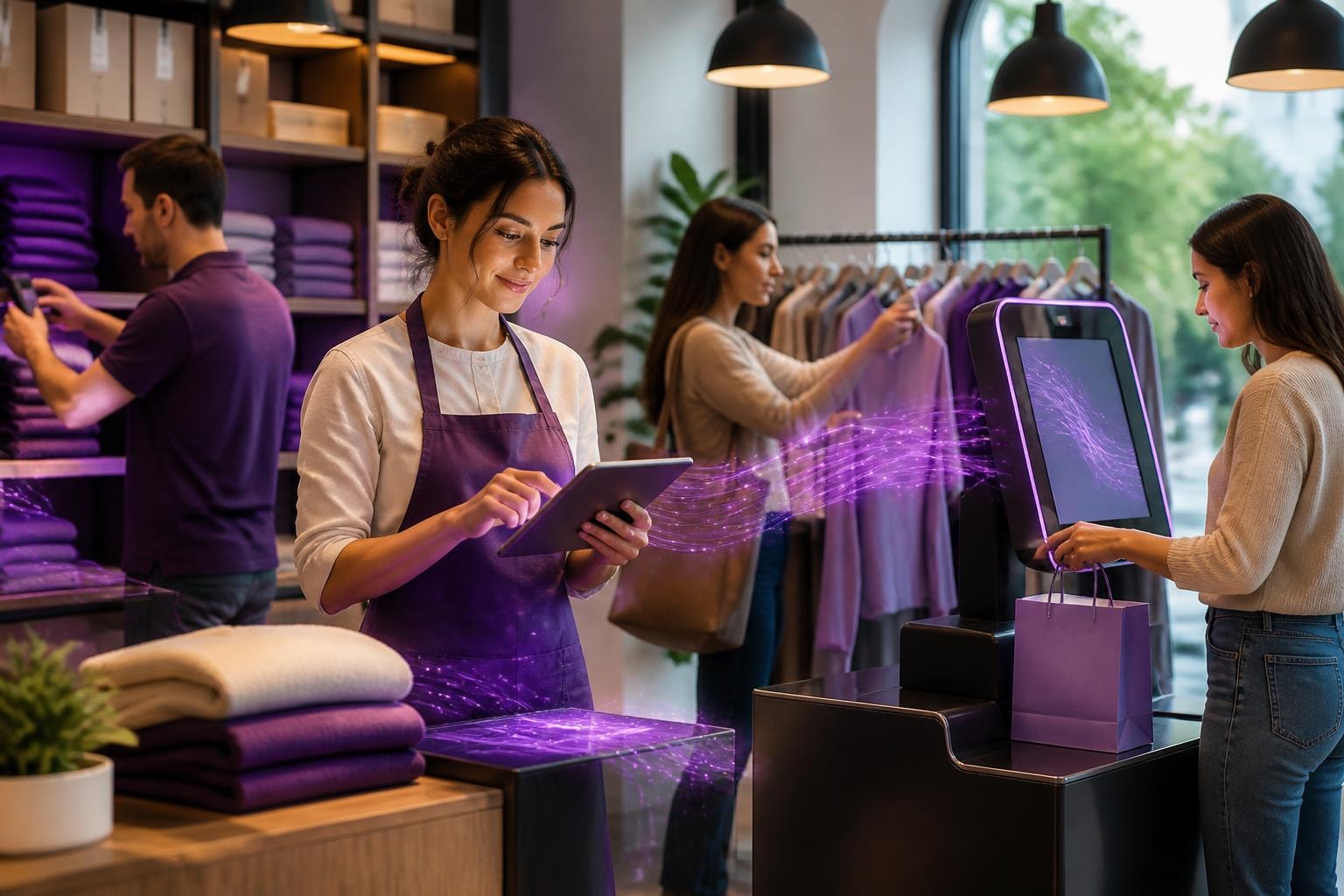
If you're running a retail business in 2026, you've probably noticed customers expect faster service, more personalised experiences, and seamless shopping whether they're browsing online or in your shop. The good news? You don't need a massive budget or a tech team to meet these expectations. Artificial intelligence in retail isn't just for the big chains anymore-it's becoming accessible, affordable, and genuinely useful for independent retailers and small businesses. Let's look at how you can actually use it to save time, reduce headaches, and grow your business.
What Artificial Intelligence in Retail Actually Does
Forget the sci-fi stuff. When we talk about AI in retail, we're talking about practical tools that handle repetitive tasks, spot patterns you'd miss, and help you make smarter decisions without hiring extra staff.
Here's what it handles day-to-day:
- Inventory management: Predicting what you'll sell and when, so you're not left with dead stock or empty shelves
- Customer service: Chatbots answering common questions 24/7, freeing up your team for complex issues
- Pricing optimisation: Adjusting prices based on demand, competition, and stock levels automatically
- Personalisation: Showing customers products they'll actually want based on their browsing and purchase history
IBM's research on AI in retail shows these aren't future possibilities-they're working right now for businesses of all sizes. The key is choosing tools that fit your specific problems, not jumping on every shiny new platform.
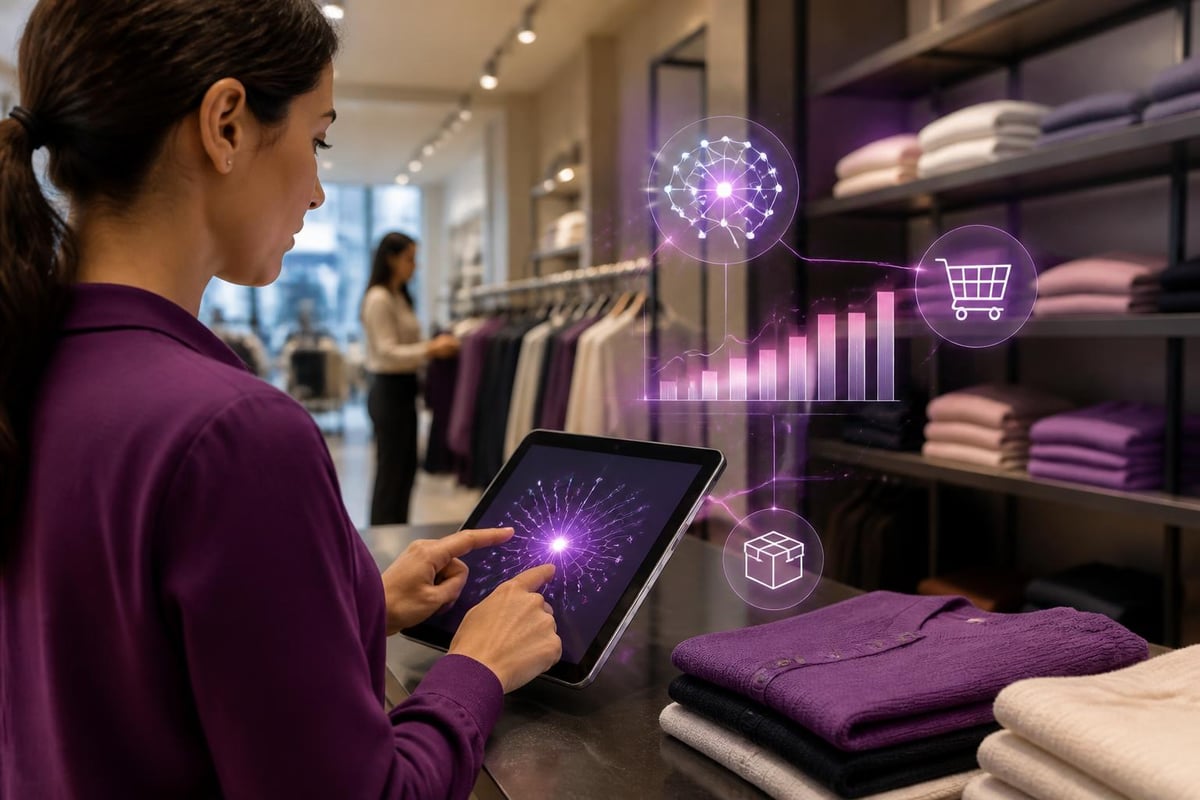
Inventory and Supply Chain: Stop Guessing, Start Knowing
Running out of your best-seller during peak season? Ordering too much of something that sits gathering dust? That's where artificial intelligence in retail shows immediate value.
Modern AI tools analyse your sales history, seasonal patterns, local events, even weather forecasts to predict what you'll need. Some retailers using AI predictive analytics for retail have cut their stock holding costs by 20-30% whilst reducing stockouts.
Real-World Application
| Challenge | AI Solution | Outcome |
|---|---|---|
| Overstocking slow movers | Demand forecasting tools | 25% reduction in dead stock |
| Manual reordering process | Automated purchase orders | 15 hours saved weekly |
| Seasonal demand spikes | Predictive analytics | 90% fulfilment rate maintained |
You're not replacing your judgement-you're giving yourself better data to work with. The Motley Fool's analysis highlights how even small retailers can access these forecasting capabilities through affordable SaaS platforms.
Customer Experience: Making Every Shopper Feel Special
Your customers don't want generic experiences. They want you to remember what they bought last time, suggest things they'll actually like, and make shopping quick and easy.
Artificial intelligence in retail makes this possible without hiring a personal shopper for every customer. AI-powered recommendation engines track browsing behaviour, purchase history, and similar customer patterns to suggest relevant products.
Practical implementation steps:
- Start with your eCommerce platform: Most modern platforms (Shopify, WooCommerce) offer AI recommendation plugins
- Enable basic personalisation: Show "frequently bought together" and "customers also viewed" sections
- Implement smart search: AI-powered search that understands typos and suggests alternatives
- Add chatbot support: Handle FAQs automatically, escalate complex queries to your team
Salesforce's retail AI guide demonstrates how these features work together to create a seamless experience. You're not building this from scratch-you're switching on features that already exist.
Automating the Admin That's Eating Your Time
Let's be honest-you didn't open a retail business to spend hours processing invoices, updating spreadsheets, or manually replying to "what time do you close?" messages.
This is where business process automation AI delivers fast wins. We're talking about:
- Invoice processing that extracts data automatically
- Email responses for common customer queries
- Stock level updates across multiple sales channels
- Customer data entry and CRM updates
These aren't complex custom builds. Many retailers get started with tools like Zapier, Make, or platform-specific automation features that connect their existing systems.
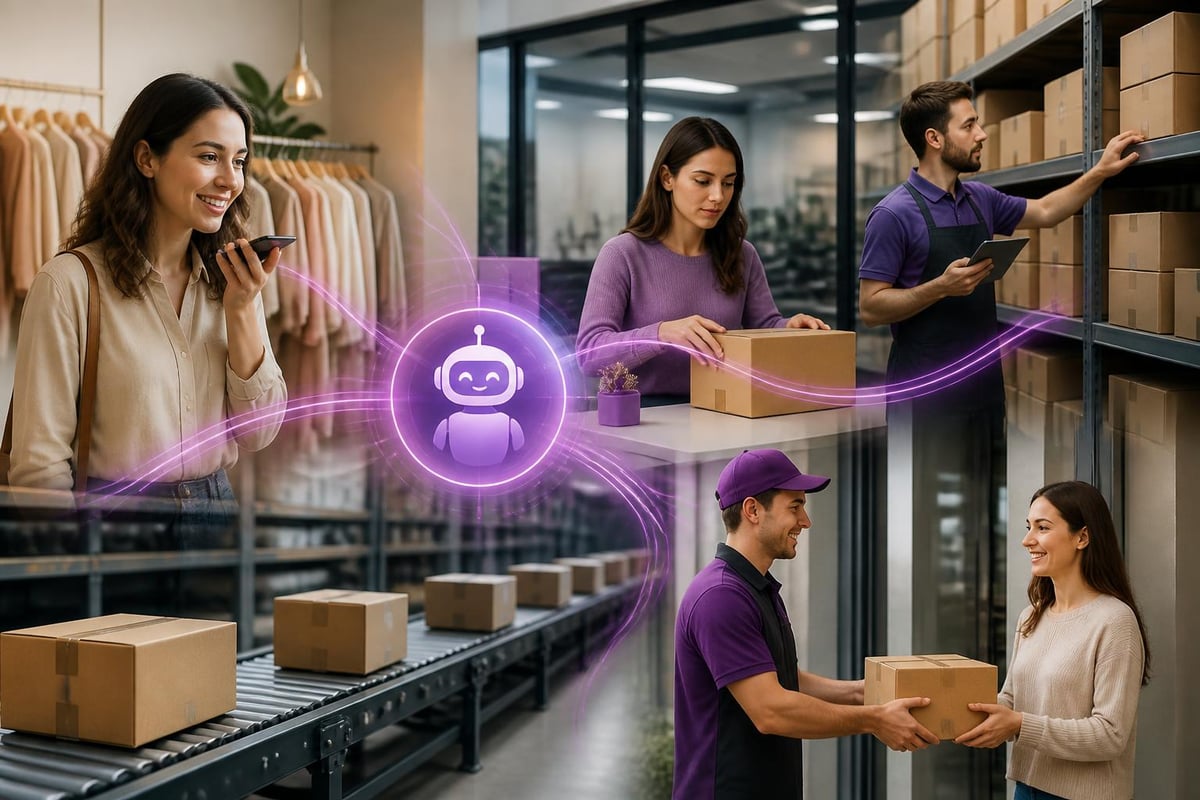
Pricing and Promotions: Compete Without Racing to the Bottom
Dynamic pricing used to be something only airlines and hotels did. Now, artificial intelligence in retail makes it accessible for small shops too.
AI analyses competitor prices, your stock levels, time of day, and demand patterns to suggest optimal pricing. You stay competitive without constantly checking rivals' websites or slashing margins unnecessarily.
Forbes highlights six AI retail use cases including dynamic pricing that's helped independent retailers increase margins whilst maintaining competitiveness. The key is setting boundaries-your AI works within rules you define, like minimum margins or brand positioning.
Getting Started Without Overwhelm
Here's the thing most articles won't tell you: you don't need to implement everything at once. The use of AI in business works best when you solve specific, painful problems first.
Start here:
- Identify your biggest time-drain or cost problem
- Look for existing tools that solve that specific issue
- Test with a free trial or small implementation
- Measure the impact before expanding
- Build from there
Shopify's implementation guide walks through this staged approach, showing how retailers layer AI capabilities over time rather than trying to transform everything overnight.
The AI in retail sector has matured enough that you're not experimenting with beta products-you're choosing from proven tools with clear ROI.

The Reality Check: What AI Won't Do
Let's cut through the hype. Artificial intelligence in retail won't replace your expertise, won't magically solve problems you haven't clearly defined, and won't work if you just bolt it onto broken processes.
What it will do is handle the repetitive stuff, spot patterns faster than any human could, and free you up to focus on strategy, relationships, and growth. When implementing AI in business, the most successful retailers pair technology with their industry knowledge-not one or the other.
You'll still need to:
- Understand your customers and market
- Make strategic decisions about positioning and range
- Build relationships with suppliers and staff
- Handle complex customer issues with empathy
AI just makes all of that easier by removing the admin burden and giving you better data to work with.
Making It Happen in Your Business
The gap between reading about AI and actually using it comes down to implementation. Many small retailers know AI could help but get stuck on the "how" part.
This is where working with businesses that use AI practically-not theoretically-makes a difference. The right approach identifies your specific bottlenecks, matches them with appropriate tools, and builds automation that actually works in your day-to-day operations.
You're looking for measurable outcomes: hours saved, costs reduced, sales increased. Not vague promises about "digital transformation" or cutting-edge innovation. Just practical improvements that show up in your P&L.
Artificial intelligence in retail isn't about keeping up with technology trends-it's about freeing yourself from time-consuming tasks and making smarter decisions with better data. Whether you start with inventory management, customer service automation, or pricing optimisation, the key is taking that first practical step. AI 4 Small Business helps independent retailers identify high-impact opportunities and implement AI solutions that deliver measurable results fast-no jargon, no expensive custom development, just tools that work in your business from day one.