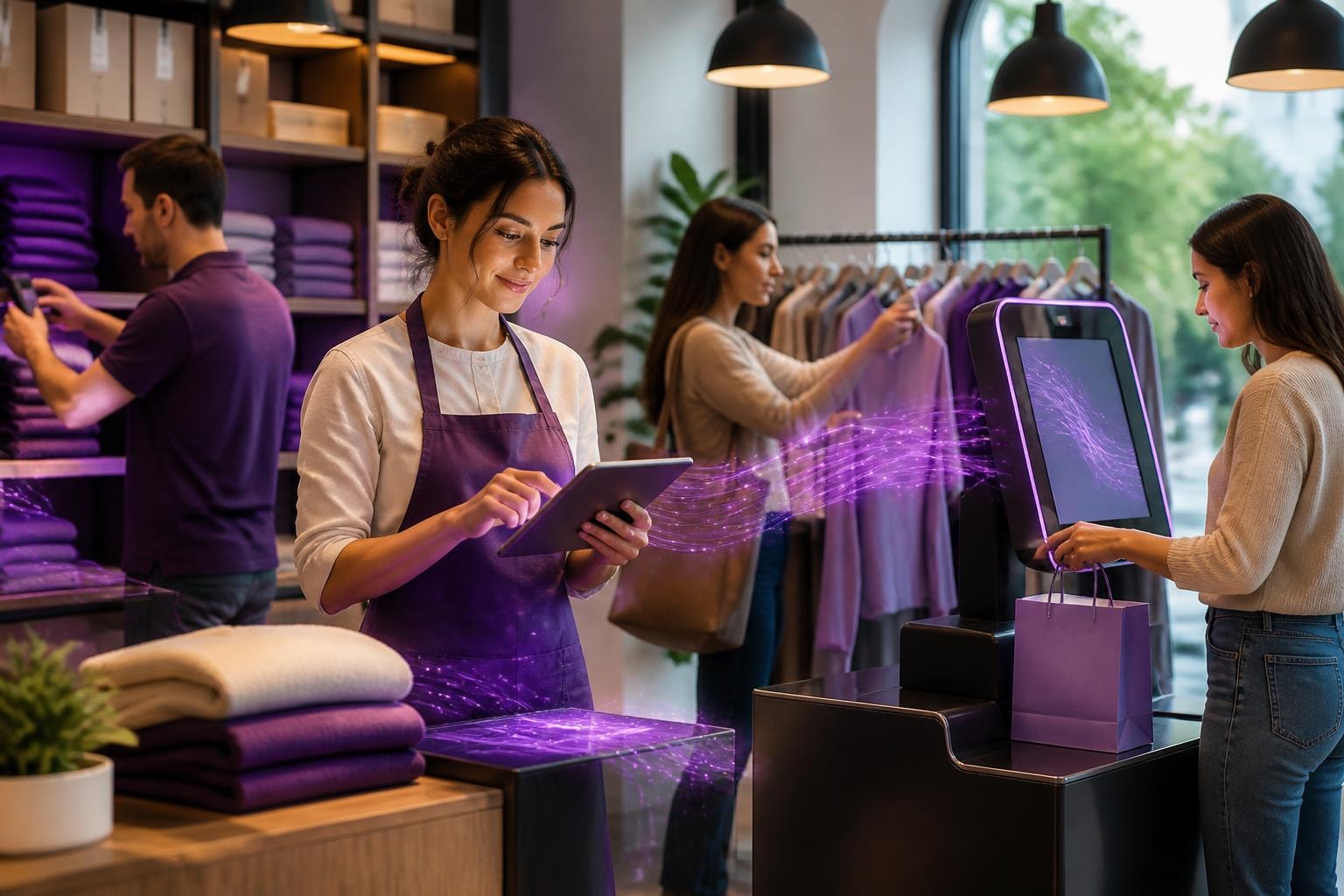
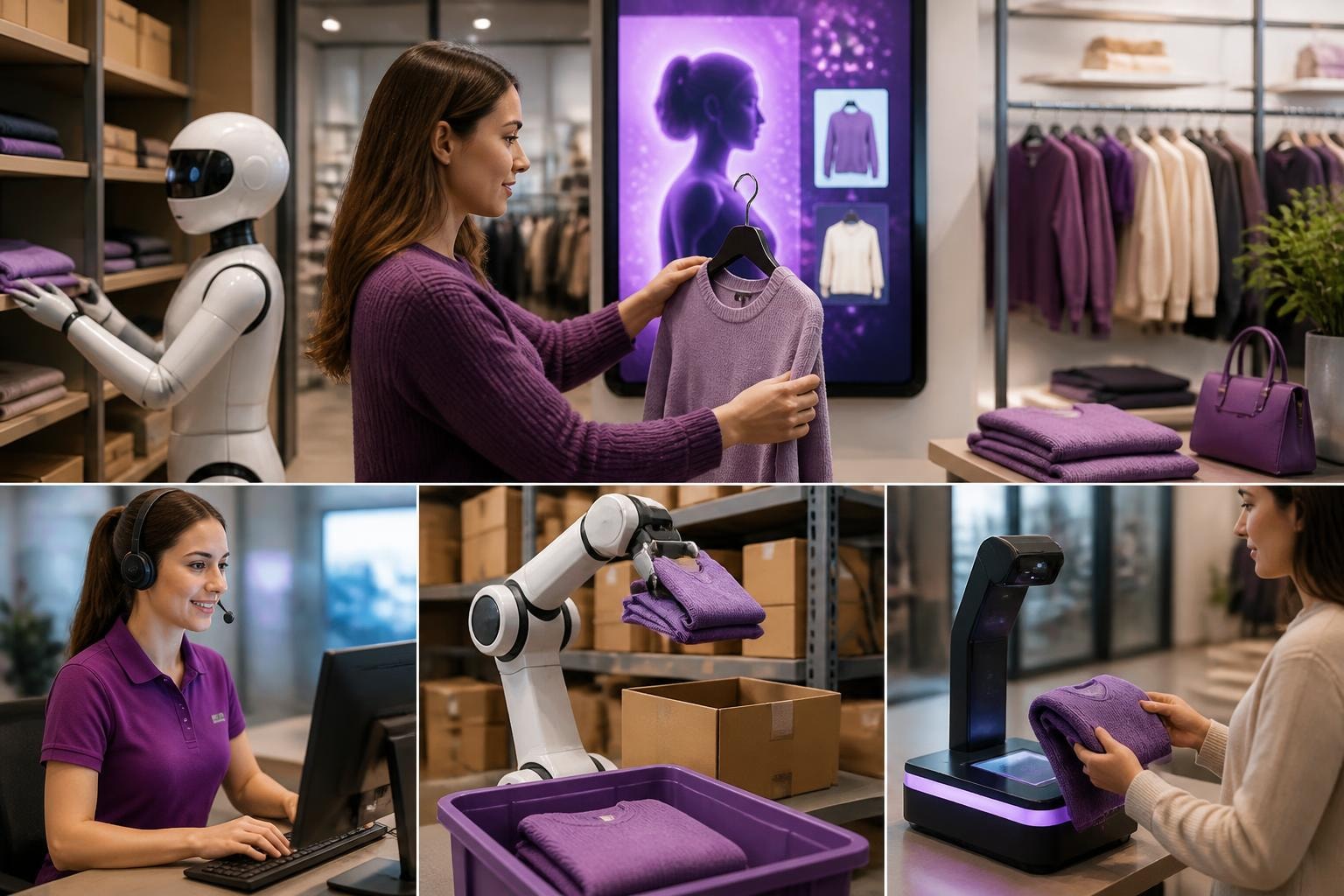
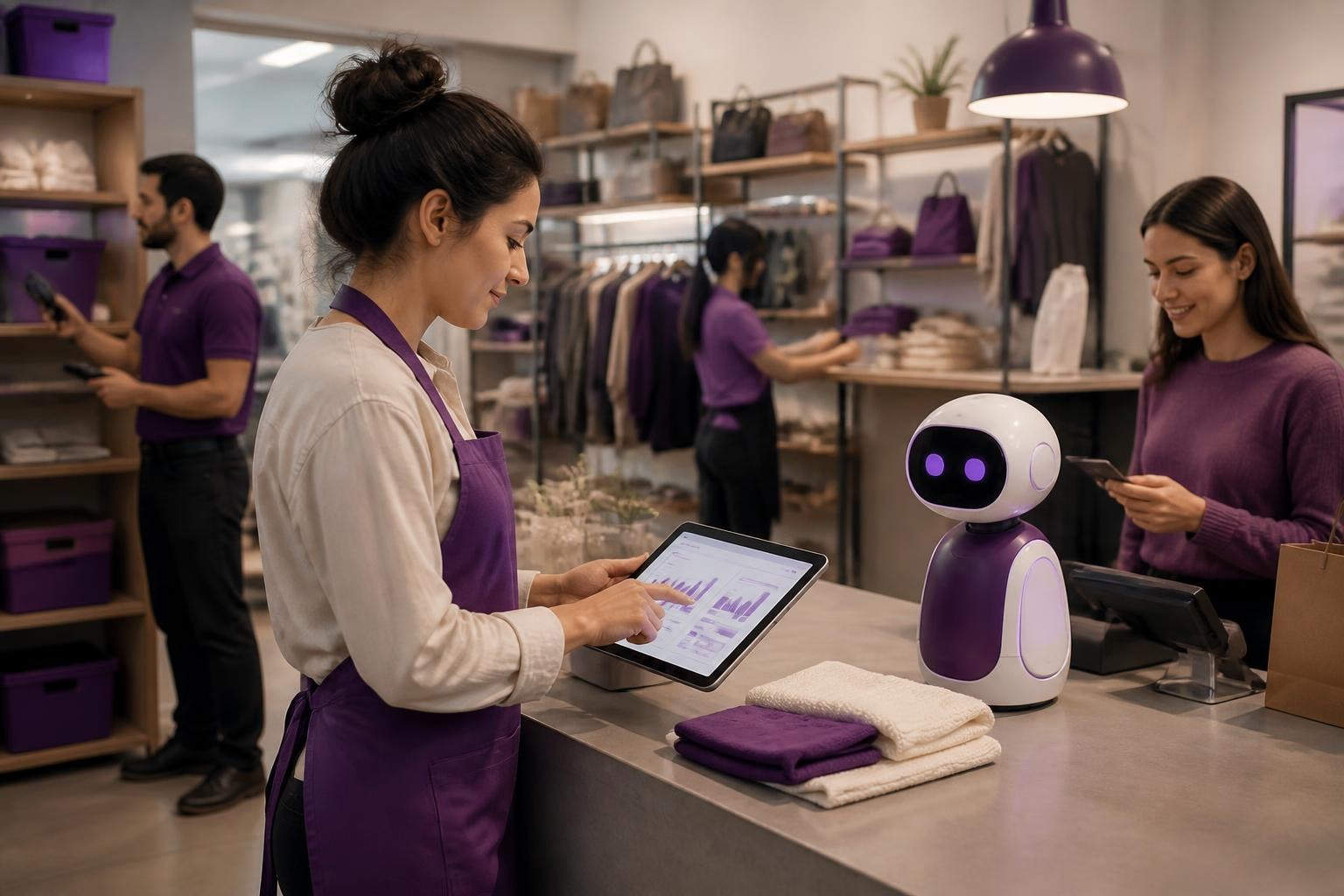
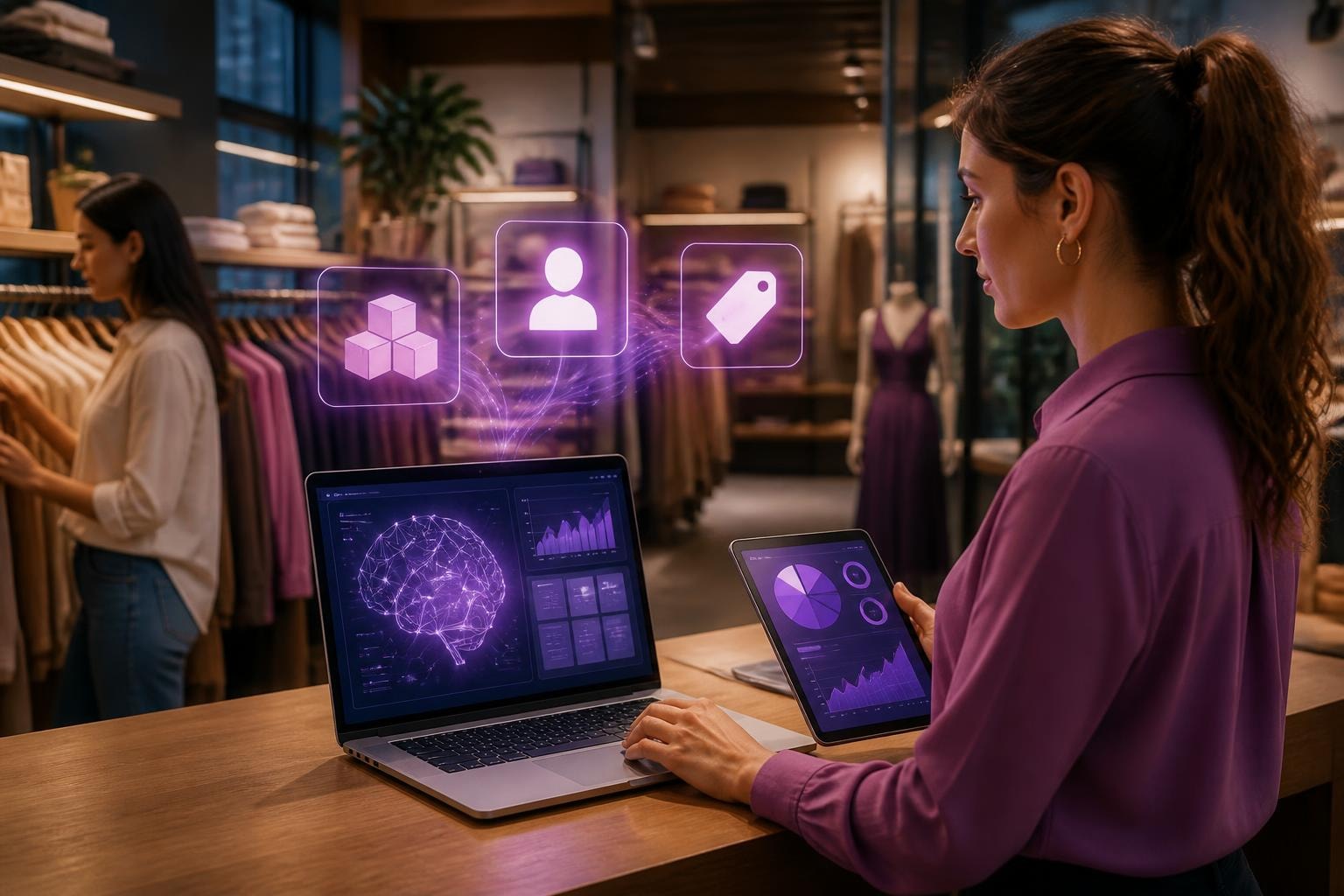
If you run a retail business, you've probably noticed how customer expectations have shifted. People want personalised experiences, instant responses, and seamless shopping whether they're browsing online or popping into your shop. The good news? You don't need a massive budget or a technical team to make this happen. AI in retail sector applications are becoming increasingly accessible for small businesses, and they're delivering tangible results without the complexity or cost you might expect.
Where AI Actually Makes a Difference in Retail
Let's cut through the noise and talk about where ai in retail sector tools genuinely help small businesses save time and make more money. You're not looking for futuristic robots (well, probably not) - you're looking for practical solutions to everyday problems.
Inventory management is where many retailers see immediate impact. AI tools can predict which products you'll need based on historical sales, seasonal patterns, and even local events. Instead of guessing or relying solely on gut instinct, you get data-driven recommendations that reduce overstock and prevent stockouts.
Process automation using AI extends beyond just inventory. Consider these time-savers:
- Automated reordering when stock hits certain levels
- Price optimisation based on demand and competitor analysis
- Sales forecasting that accounts for trends and external factors
- Customer segmentation for targeted promotions
Customer Experience That Actually Feels Personal
Here's where things get interesting. AI doesn't just handle the boring stuff - it can transform how you connect with customers. According to Shopify's implementation guide, retailers using AI for personalisation see significant improvements in customer engagement and conversion rates.
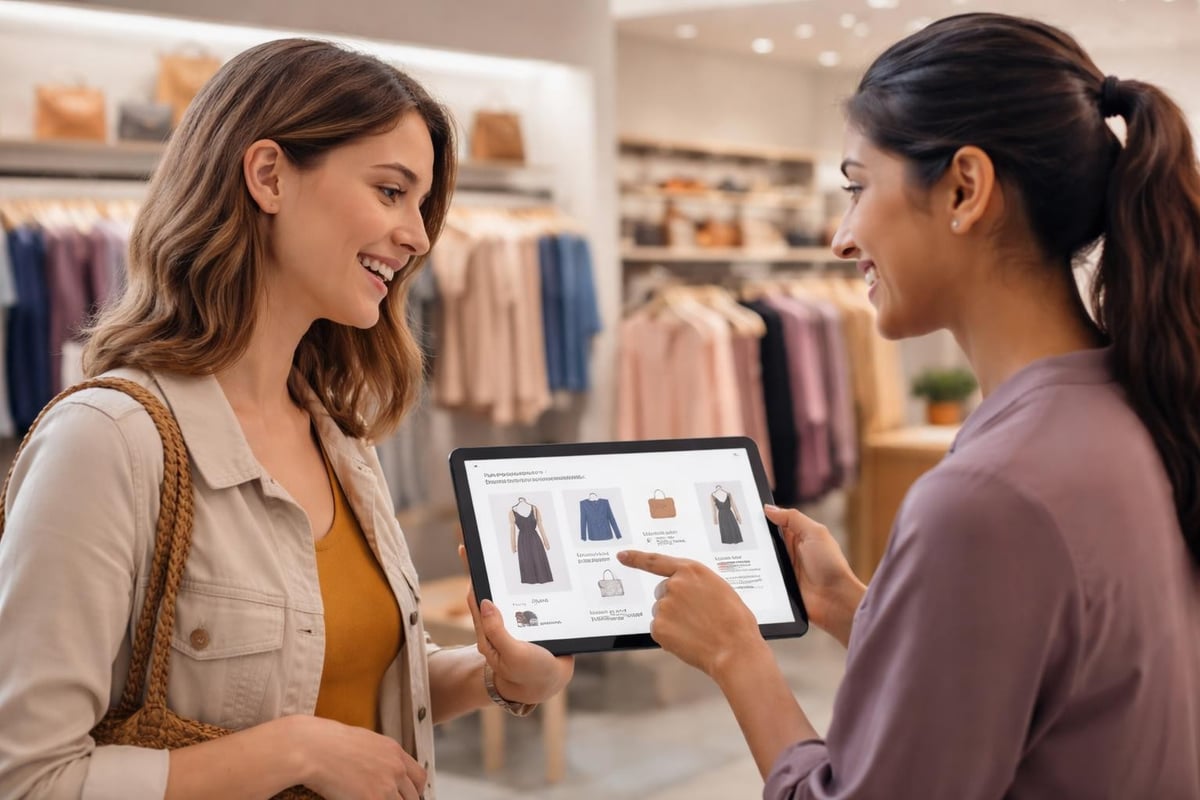
Think about product recommendations on your website. Rather than showing random "you might also like" suggestions, AI analyses what each customer actually browses, what they've bought before, and what similar customers purchased. It's like having your best salesperson available 24/7, knowing exactly what to suggest to each person who walks through the door.
Chatbots are another game-changer, though they've earned a bad reputation from poorly implemented versions. Done right, they handle common questions instantly - stock availability, opening hours, return policies - freeing your team to focus on complex queries and in-person customers. The trick is implementing AI thoughtfully, not just bolting on the first tool you find.
Practical AI Tools You Can Start Using Today
You don't need custom development to benefit from ai in retail sector applications. Several platforms offer ready-to-use solutions that integrate with existing systems.
| Tool Type | Common Uses | Typical ROI Timeline |
|---|---|---|
| Inventory Management | Stock prediction, automated ordering | 1-3 months |
| Customer Service Bots | FAQ handling, order tracking | 2-4 weeks |
| Email Marketing AI | Personalised campaigns, send-time optimisation | 1-2 months |
| Dynamic Pricing | Price adjustments based on demand | 3-6 months |
The Operational Side: Reducing Daily Admin
Let's talk about the stuff that eats up your time. Processing orders, updating product listings, managing supplier communications - it's all necessary but hardly the best use of your day.
AI order management systems can automatically route orders to the right fulfilment location, flag potential issues before they become problems, and even predict delivery delays. If you're running both physical and online stores, this becomes absolutely crucial for maintaining consistency.
Supplier communications can be streamlined too. AI tools can:
- Extract key information from supplier emails automatically
- Update your systems with new pricing or availability
- Flag urgent messages that need human attention
- Generate routine orders based on your defined parameters
This isn't about replacing human judgement - it's about removing repetitive tasks so you can focus on strategy and customer relationships. IBM's research on AI in retail shows that operational efficiency gains often deliver faster ROI than customer-facing applications.
Getting Started Without Overwhelming Yourself
Here's the reality: most small retailers who succeed with ai in retail sector applications start small and specific. They don't try to transform everything at once. They pick one painful, time-consuming process and solve it properly.
Maybe that's automating your weekly inventory reports. Perhaps it's setting up smart email campaigns that actually convert. Or it could be implementing a chatbot that handles the same fifteen questions you answer every single day.
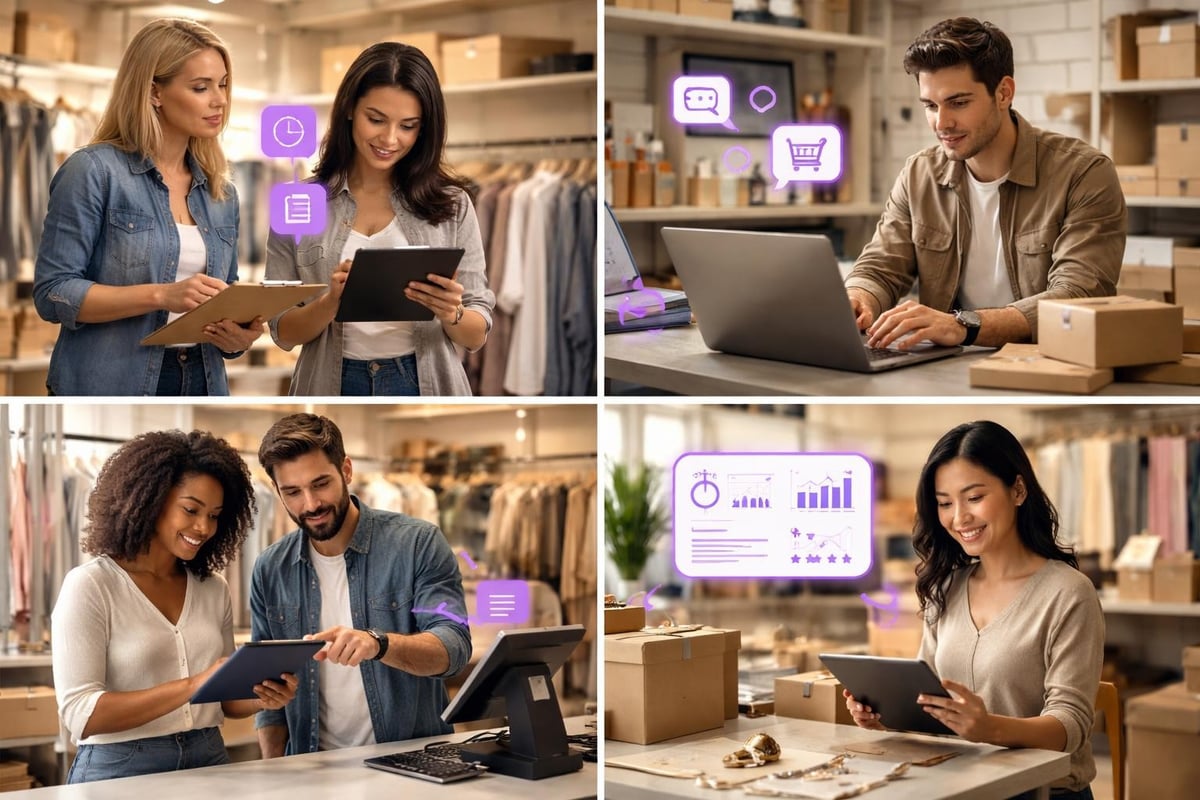
Start by mapping out where you spend time on tasks that feel repetitive. What takes two hours every week that could be automated? What customer questions do you answer repeatedly? Where do manual processes lead to errors?
Avoiding the Common Pitfalls
The biggest mistakes we see? Buying tools without understanding the problem they solve, or expecting AI to magically fix broken processes. AI amplifies efficiency - it won't fix fundamental business issues.
According to KPMG's analysis of AI retail strategies, successful implementations share common characteristics: clear objectives, proper data preparation, and realistic timelines. You're not looking for overnight transformation.
Another trap is choosing overly complex solutions. The World Economic Forum highlights that sustainability in AI adoption comes from selecting appropriately-scaled tools. You don't need enterprise software - you need solutions that match your business size and technical capability.
Making AI Work for Your Specific Retail Context
Whether you're running a clothing boutique, a hardware shop, or a speciality food store, ai in retail sector applications need tailoring to your context. A tool that's brilliant for fashion inventory won't necessarily work for perishable goods.
Consider your specific challenges:
- Fashion retailers: Trend prediction, size recommendations, seasonal demand forecasting
- Food retailers: Waste reduction, expiry management, local demand patterns
- Hardware stores: Cross-selling recommendations, project-based bundling
- Gift shops: Occasion-based marketing, seasonal inventory planning
Salesforce's retail AI guide demonstrates how different retail segments benefit from different AI applications. Your implementation should reflect your unique operational reality, not a generic template.

Measuring What Matters
You'll want to track actual business outcomes, not just technical metrics. Forget about "AI accuracy rates" - focus on what affects your bottom line.
Key metrics worth watching:
- Time saved on specific tasks (hours per week)
- Stock-out reduction percentage
- Customer service response times
- Conversion rate improvements on recommended products
- Labour costs for routine admin tasks
Understanding AI benefits means connecting technology to measurable business results. If you're not seeing improvements within the first month or two, something needs adjusting.
Building Long-Term Capability, Not Dependency
This is crucial. You want to develop your understanding of these tools, not become reliant on external support for every tiny change. The right approach to working with AI builds your team's confidence and capability over time.
Start with user-friendly platforms that offer proper training and support. Look for solutions with strong documentation and active user communities. You shouldn't need a computer science degree to adjust a chatbot's responses or tweak an email automation.
The retail landscape in 2026 demands efficiency and personalisation, but achieving this doesn't require massive investment or technical expertise. It requires thoughtful implementation of the right tools for your specific challenges. Focus on solving real problems, measure actual outcomes, and build gradually. That's how ai in retail sector applications deliver lasting value for small businesses.
The transformation happening in retail isn't reserved for big chains with unlimited budgets - small retailers can access powerful AI tools that deliver real efficiency gains and better customer experiences. If you're ready to identify which processes are eating your time and implement practical AI solutions that actually work for your retail business, AI 4 Small Business can help you cut through the hype and build automations that deliver measurable results fast. We focus on practical implementation tailored to your specific retail challenges, not expensive custom development or one-size-fits-all solutions.