The world of artificial intelligence might sound intimidating, especially when you're juggling the daily demands of running a small business. Yet ai smart solutions are becoming more accessible than ever, offering practical ways to save time, reduce costs, and improve customer experiences without requiring a computer science degree. Today's AI tools are designed with simplicity in mind, helping small business owners automate repetitive tasks and make better decisions without the complexity that once characterised technology implementations. Whether you run a bakery, accounting practice, or retail shop, the right AI solutions can transform how you work.
Understanding What AI Smart Solutions Actually Mean
When people talk about ai smart solutions, they're referring to software tools that can learn from patterns, make predictions, and complete tasks that typically require human intelligence. Think of it as having an extra team member who never sleeps, doesn't take holidays, and excels at spotting patterns in your business data.
The distinction between AI, machine learning, and deep learning helps clarify what these tools can do. For small business owners, what matters most is how these technologies solve real problems:
- Customer service chatbots that answer common questions 24/7
- Inventory prediction tools that forecast stock needs based on seasonal trends
- Email sorting systems that prioritise urgent messages
- Appointment scheduling assistants that manage your calendar automatically
- Content creation helpers that draft social media posts or product descriptions

You don't need to understand the technical details to benefit from these tools. The focus should be on practical AI implementation that solves specific problems in your business.
Finding the Right AI Smart Solutions for Your Budget
One of the biggest misconceptions about ai smart solutions is that they're prohibitively expensive. Whilst large corporations might invest millions in custom systems, small businesses have access to affordable, ready-made tools that require minimal setup.
Budget-Friendly Categories to Explore
| Solution Type | Monthly Cost Range | Common Uses |
|---|---|---|
| Chatbot Platforms | £15-£50 | Customer enquiries, FAQs |
| Email Automation | £10-£40 | Marketing campaigns, follow-ups |
| Scheduling Tools | £8-£30 | Appointments, bookings |
| Content Assistants | £0-£20 | Social media, blog posts |
| Bookkeeping AI | £12-£35 | Expense categorisation, invoicing |
The actual costs of AI solutions depend on your specific needs, but many tools offer free tiers or low-cost entry points. Start small with one problem you'd like to solve, rather than attempting to automate everything at once.
Many small businesses waste money on sophisticated tools they don't fully utilise. A £15 monthly chatbot that handles 80% of customer questions delivers far better value than a complex system costing hundreds that sits barely used.
Practical Implementation Without Technical Headaches
The beauty of modern ai smart solutions lies in their simplicity. Gone are the days when you needed to hire developers or IT consultants to get started. Today's platforms use simple drag-and-drop interfaces that feel familiar if you've ever used a smartphone app.
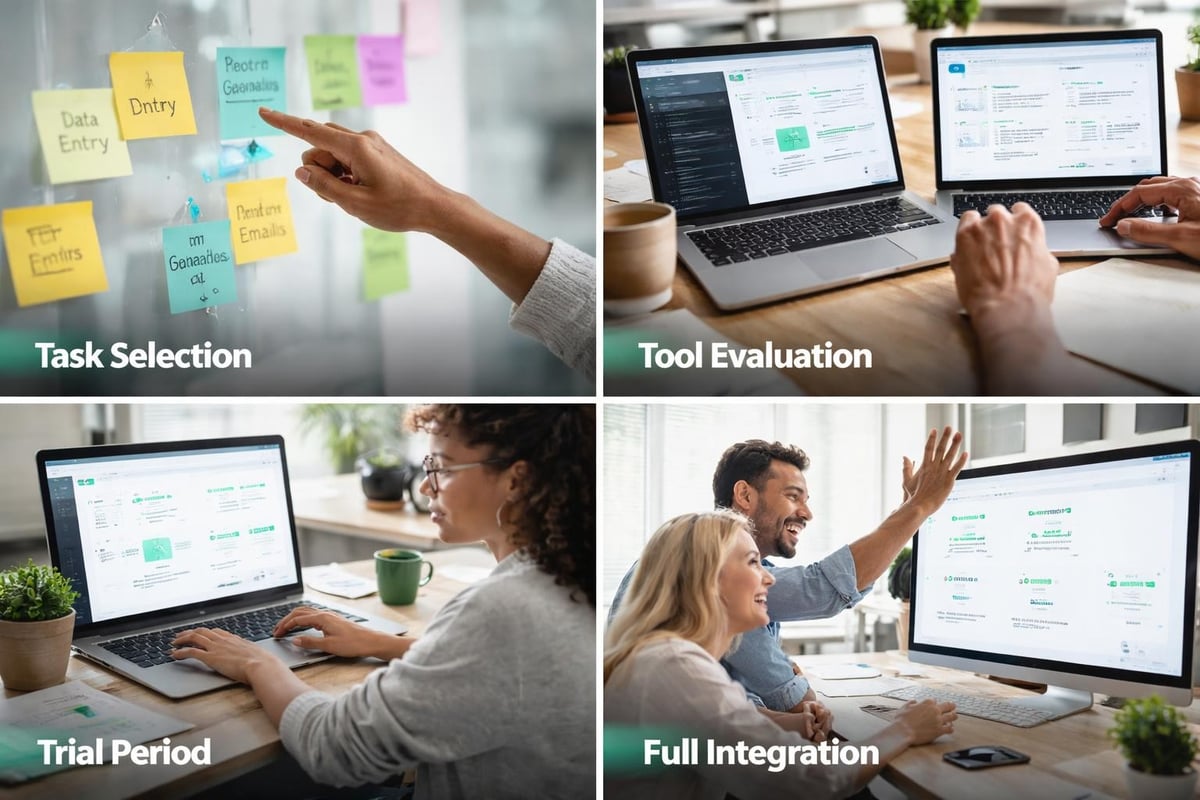
Getting started involves just three straightforward steps:
- Identify one repetitive task that consumes significant time
- Research tools specifically designed for that task (read reviews from other small business owners)
- Start with a free trial to test if the solution fits your workflow
Consider a local florist who spent three hours weekly responding to the same delivery questions on social media. By implementing a simple chatbot, those enquiries now receive instant answers, freeing up time for creative work and customer relationships. The setup took less than an afternoon.
Common Starting Points for Small Businesses
Different sectors benefit from specific AI use cases that directly address their unique challenges:
Retail shops often start with inventory forecasting and personalised product recommendations. These tools analyse purchasing patterns to suggest what customers might want next, increasing average order values without pushy sales tactics.
Service businesses like salons, clinics, or consultancies benefit enormously from intelligent scheduling systems. These ai smart solutions reduce no-shows by sending automated reminders and even predict optimal appointment times based on historical patterns.
Professional services such as accountants or solicitors use AI for document processing and preliminary research. What once took hours of manual review can now happen in minutes, with the AI flagging important information for human review.
Avoiding Common Pitfalls and Dependency Issues
Whilst the benefits of AI are substantial, implementing these solutions requires thoughtful consideration. The goal is to enhance your capabilities, not create situations where you become entirely dependent on technology you don't control.
Warning signs of unhealthy AI dependency:
- You can't complete basic tasks if the system goes down
- Staff no longer understand the processes being automated
- You're locked into expensive contracts with limited flexibility
- The AI makes decisions without any human oversight
The National Institute of Standards and Technology provides valuable guidance on developing trustworthy AI systems, emphasising human oversight and transparency.
Smart implementation means maintaining core competencies whilst letting AI handle the repetitive elements. Your staff should understand what the AI does and be able to step in when needed. Think of ai smart solutions as assistants, not replacements.
Measuring Success and Scaling Gradually
How do you know if your AI investment is working? Small businesses should focus on clear, measurable outcomes rather than vague productivity improvements.
Metrics That Actually Matter
Track specific indicators before and after implementation. If you've automated customer service, measure response times and customer satisfaction scores. For inventory management, look at stock-outs and excess inventory costs. Marketing automation should show clear improvements in conversion rates or engagement metrics.
A café owner implemented an AI system for predicting daily pastry production. Within three months, food waste dropped by 35%, and they stopped running out of popular items during peak times. These concrete numbers justified the £25 monthly investment immediately.
Start with small AI projects that deliver quick wins. Success breeds confidence and helps you understand what works for your specific business context. Once you've mastered one area, expand gradually to other processes.
Choosing Tools That Grow With Your Business
The ai smart solutions landscape changes rapidly, with new tools emerging constantly. Rather than chasing every innovation, focus on platforms with proven track records and active user communities.
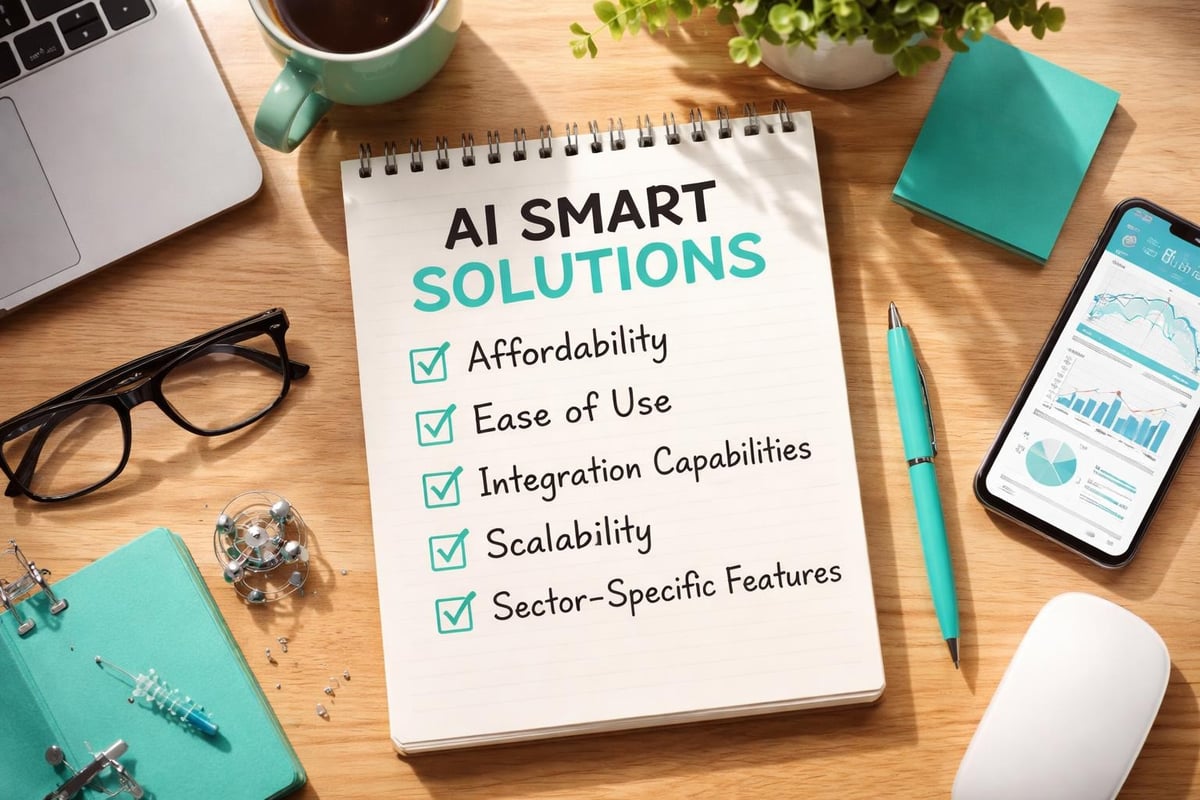
Look for these essential characteristics:
- Simple pricing that scales with usage, not complicated tier systems
- Easy data export so you're never locked in
- Responsive support from real humans when you need help
- Regular updates showing the platform is actively maintained
- Integration options to connect with tools you already use
Many small business owners benefit from AI tools designed specifically for their sector, as these come pre-configured with relevant features. A tool built for restaurants understands table management and kitchen workflows, whilst retail-focused platforms know about seasonal inventory patterns.
Building Team Confidence Around New Technology
Introducing ai smart solutions often meets resistance from staff who worry about job security or struggle with technology changes. Successful implementation requires bringing your team along on the journey.
Frame AI as a tool that eliminates boring tasks, not a replacement for human skills. The receptionist freed from answering the same questions repeatedly can focus on making customers feel welcomed. The bookkeeper who no longer manually categorises expenses can provide strategic financial advice.
Provide hands-on training in small doses rather than overwhelming information dumps. Let team members experiment with the tools in low-stakes situations before full deployment. Celebrate the time savings and quality improvements these ai smart solutions create.
Understanding how to get started with AI as a team effort rather than a top-down mandate increases adoption rates significantly. When staff see genuine benefits to their daily work, resistance melts away.
AI smart solutions offer small businesses unprecedented opportunities to compete more effectively whilst maintaining the personal touch that makes them special. The key lies in starting with practical, affordable tools that solve real problems without creating unnecessary complexity. AI 4 Small Business specialises in helping small business owners navigate these choices, delivering sector-specific automation that enhances your capabilities without creating dependency on complex systems you don't control.