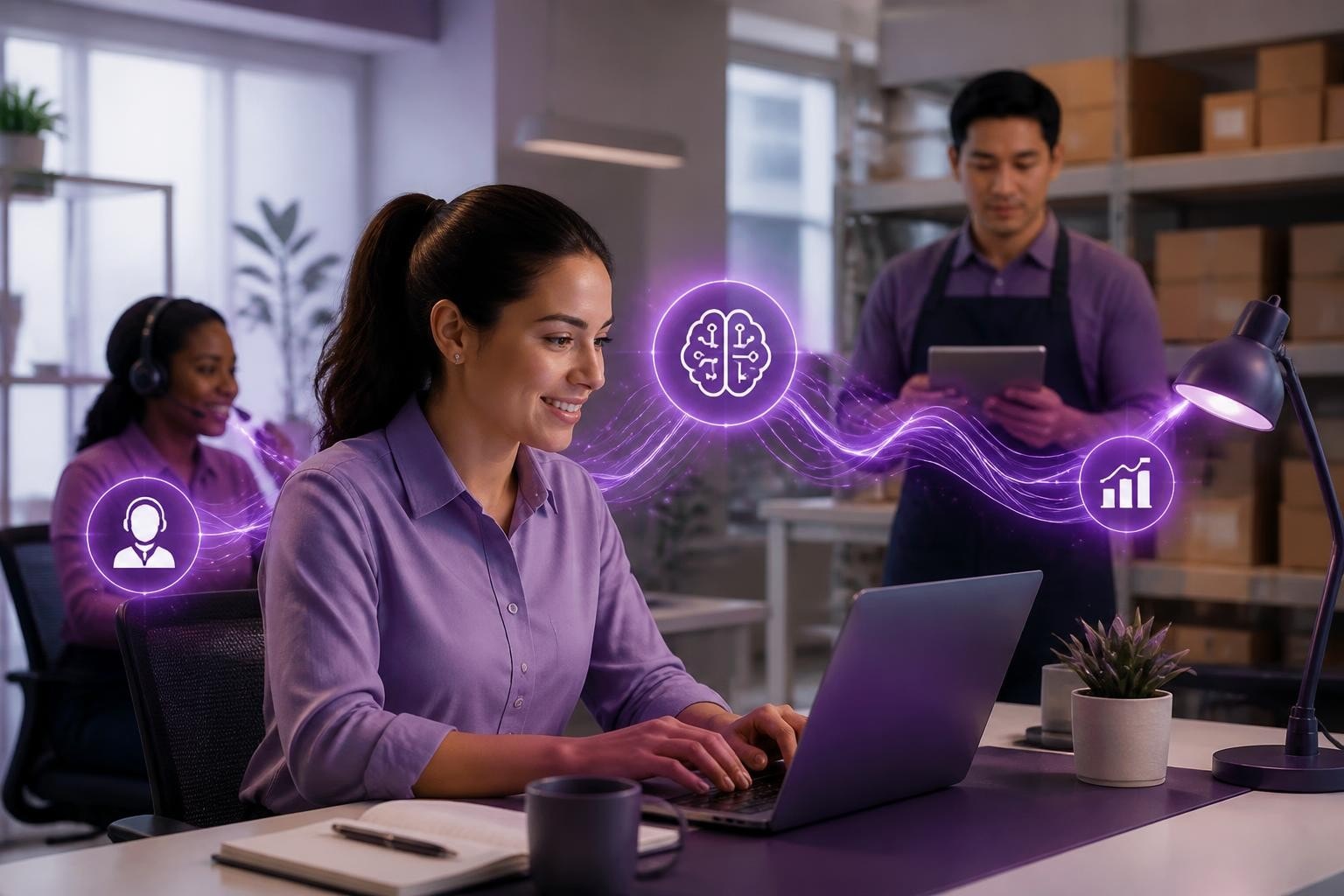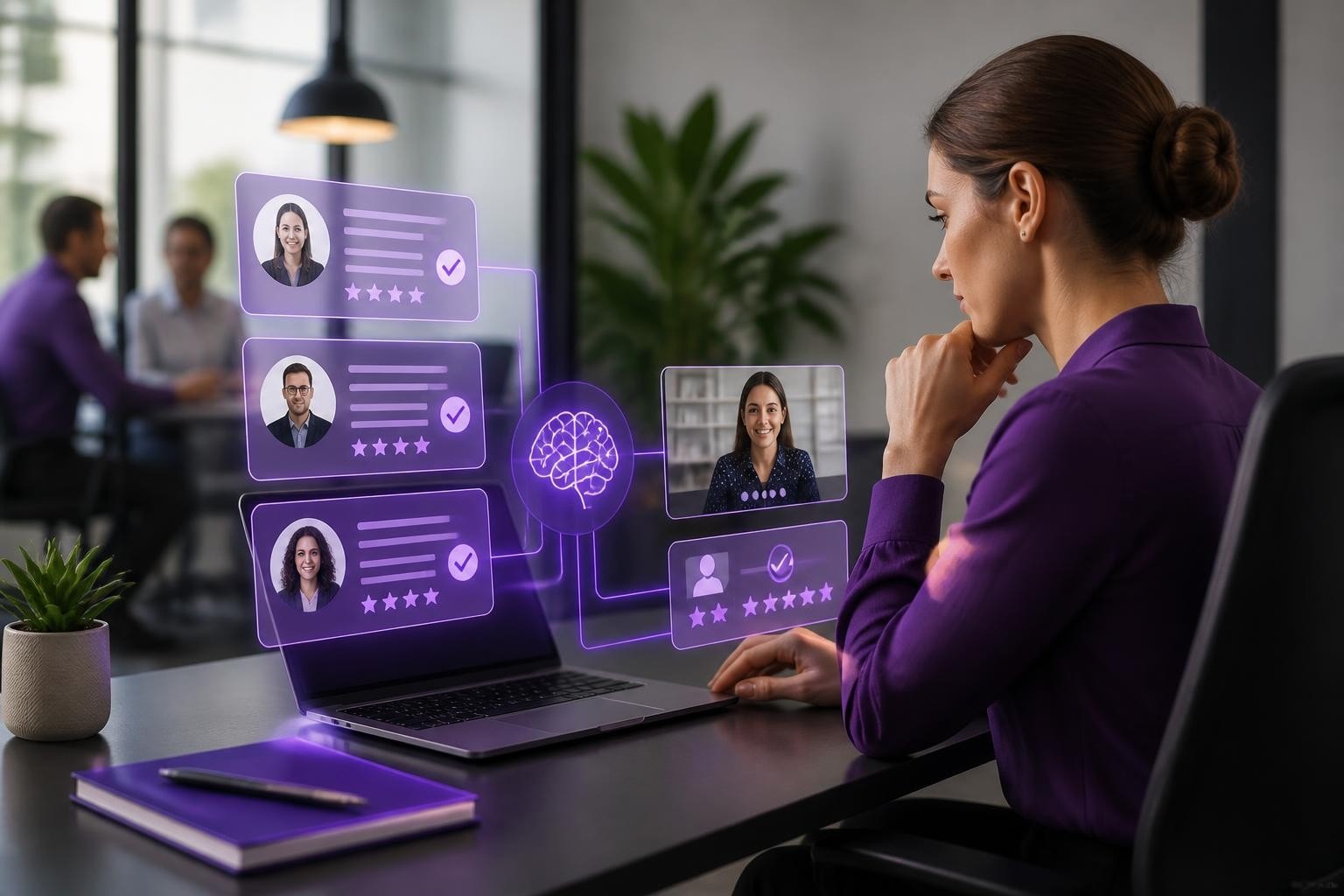
Hiring the right people can make or break a small business. You're probably spending hours sifting through CVs, scheduling interviews, and trying to figure out which candidate will actually be a good fit. It's exhausting, and it takes you away from running your business. That's where artificial intelligence hiring comes in-not to replace your judgement, but to handle the time-consuming bits so you can focus on what matters: finding people who'll genuinely contribute to your team.
What Artificial Intelligence Hiring Actually Means for Small Businesses
Let's be clear: we're not talking about robots conducting interviews or algorithms making final decisions. Artificial intelligence hiring is about automating the repetitive tasks that eat up your time. Think CV screening, initial candidate filtering, scheduling interviews, and even spotting skills that match your requirements.
For a small retail business, that might mean an AI tool that reviews 50 applications in minutes and highlights the five candidates with relevant customer service experience. For a trades company, it could be software that matches qualifications and certifications automatically, saving you from manually checking every certificate.
Here's what AI can actually do in your hiring process:
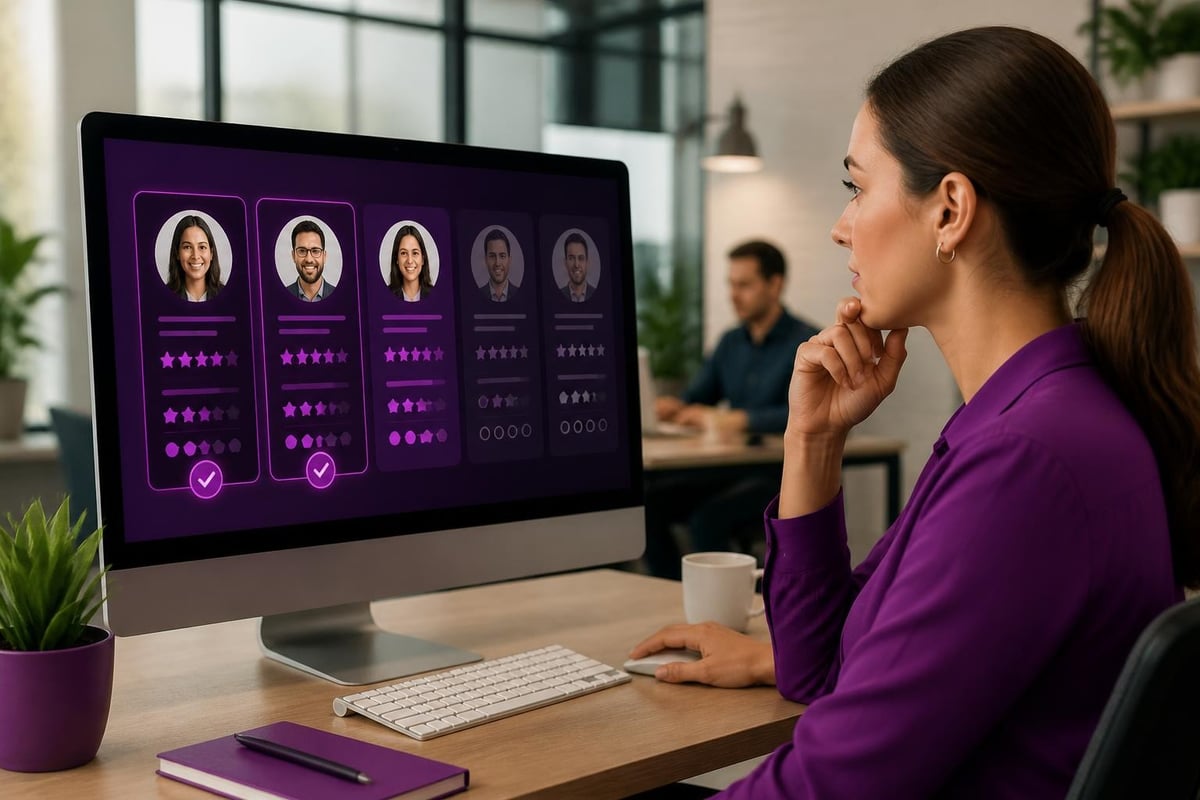
- Screen CVs against your job requirements in seconds
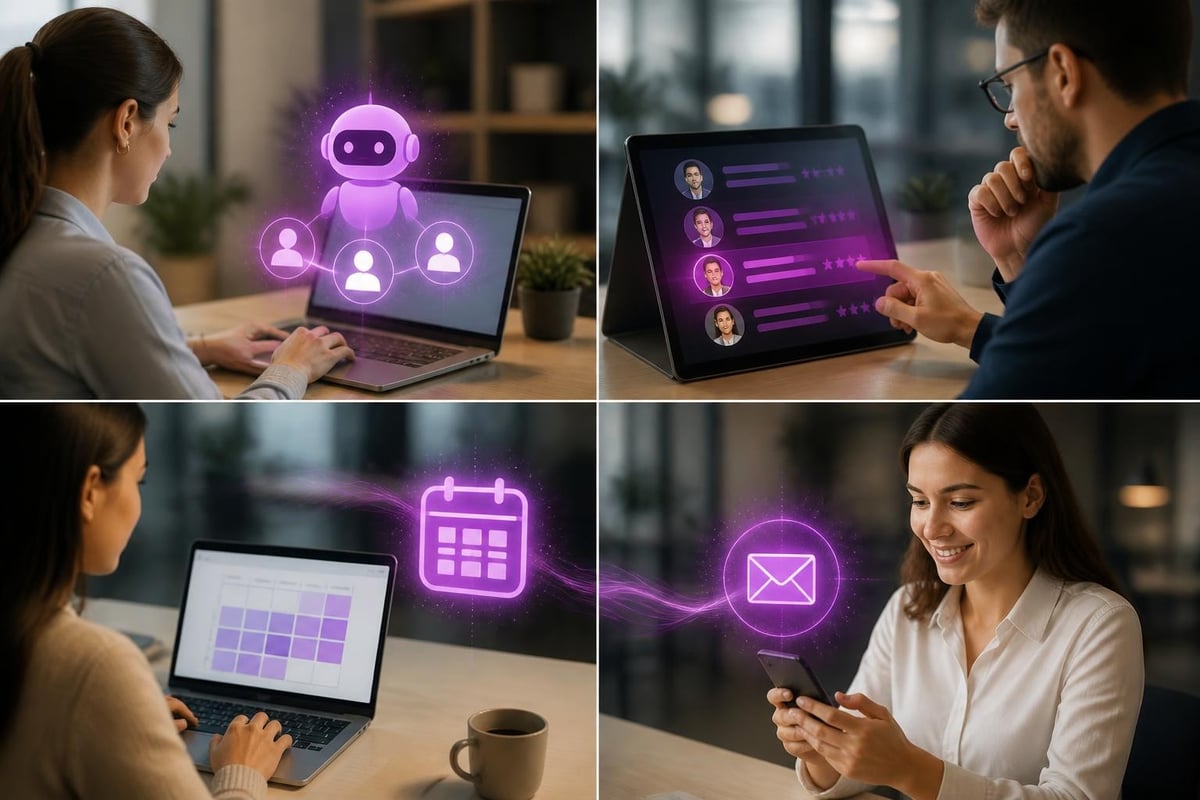
- Rank candidates based on experience and skills match
- Automate interview scheduling across multiple calendars
- Send personalised follow-up emails to candidates
- Identify patterns in successful hires to improve future recruitment
The key is implementation. Many small businesses know AI exists but don't know where to start. The AI-powered recruiting approach we use focuses on identifying which parts of your hiring process waste the most time, then building simple automations around those specific pain points.
The Real Benefits (And Honest Limitations)
Research shows that AI-assisted recruitment delivers measurable improvements in hiring efficiency and candidate selection. But let's talk about what that actually looks like for a business with five, ten, or twenty employees.
Time savings are the biggest win. One professional services firm we worked with was spending 12 hours a week on initial CV screening. After implementing a basic AI screening tool, that dropped to 90 minutes. That's over 500 hours saved per year-time they redirected towards client work.
Better candidate matching happens when AI spots relevant experience you might have missed. For instance, someone applying for a warehouse role might have logistics software experience buried halfway down their CV. AI picks that up instantly.
Reduced bias is possible, but only if you're careful. AI tools can help standardise your screening process, but they can also perpetuate cultural biases if not properly configured. This is where understanding how the tools work matters more than just switching them on.
| Benefit | What It Means in Practice | Time Saved |
|---|---|---|
| CV Screening | AI reviews applications against job criteria | 80-90% reduction in screening time |
| Interview Scheduling | Automated calendar coordination | 2-3 hours per hire |
| Candidate Communication | Automated status updates and emails | 1-2 hours per hire |
| Skills Matching | AI identifies relevant experience faster | 50-70% faster shortlisting |
However, there are limitations you need to know about. AI can't assess cultural fit, read between the lines in a conversation, or make nuanced judgements about potential. That's still your job. The increasing use of AI in job interviews has actually created candidate frustration when businesses rely too heavily on automated assessments without human involvement.
Building Your Artificial Intelligence Hiring System
You don't need a massive budget or technical expertise. What you need is a clear understanding of where you're wasting time and a practical plan to fix it.
Step 1: Map Your Current Process
Write down every step of your hiring process from "post job advert" to "send offer letter". Time each step over your next two hires. You'll quickly see where the bottlenecks are.
For most small businesses, it's CV screening and scheduling. For recruitment agencies, it might be candidate sourcing and initial outreach.
Step 2: Pick One Problem to Solve First
Don't try to automate everything at once. Choose the single most time-consuming task and focus there. If you're spending hours reading CVs, start with resume screening AI tools. If scheduling is your nightmare, look at calendar automation.
Simple automation options:
- CV screening tools that filter applications based on keywords, experience, and qualifications
- Email automation for candidate updates and interview confirmations
- Calendar integration that lets candidates book interview slots directly
- Chatbots that answer common candidate questions 24/7
- Assessment platforms that test relevant skills before you interview
Step 3: Implement and Measure
Set up your chosen tool, test it with a few applications, then measure the results. How much time are you saving? Are you getting better candidates? Are any good applicants being filtered out incorrectly?
This is where many businesses struggle without guidance. The technology exists, but configuring it properly requires understanding both the tools and your business needs. That's the practical implementation focus we use in our AI-driven recruitment solutions.
What Candidates Actually Think About AI in Hiring
Here's something important: your candidates have opinions about artificial intelligence hiring, and those opinions matter. Research indicates that many candidates are prepared to walk out of AI-driven interviews if they feel the process lacks human involvement.
This doesn't mean you shouldn't use AI. It means you need to be transparent about it and keep humans in the loop.
Best practices for candidate experience:
- Tell candidates when AI is being used in the screening process
- Always have a human review before rejecting an application
- Use AI for efficiency, not as a replacement for personal interaction
- Provide feedback even when using automated tools
- Keep final interview stages human-led
The businesses that get this right use AI to handle admin whilst increasing the quality of human interaction. You're not spending hours on CVs anymore, so you can spend more time having meaningful conversations with shortlisted candidates.
Legal and Ethical Considerations You Can't Ignore
Using AI in hiring comes with responsibilities. In 2026, UK employment law is increasingly focused on algorithmic transparency and fairness. You need to be aware of potential civil liability if your AI tools discriminate, even unintentionally.
Key compliance points:
- Document how your AI tools make decisions
- Regularly audit outcomes for bias (are you systematically excluding certain demographics?)
- Ensure human oversight at key decision points
- Keep records of how candidates were assessed
- Provide explanations when candidates request them
This might sound daunting, but it's actually simpler than it appears. Most reputable AI hiring tools include audit trails and documentation. The important bit is actually reviewing that data periodically and adjusting when you spot problems.
Just like implementing effective process workflow automation in other areas of your business, your hiring automation needs regular review and refinement.
Sector-Specific Applications
Different businesses need different approaches to artificial intelligence hiring. Here's what that looks like in practice:
Retail and hospitality often hire frequently for similar roles. AI screening can standardise the process, ensuring every applicant is assessed against the same criteria. One café chain uses AI to screen for availability patterns and previous hospitality experience, cutting their hiring time by 60%.
Professional services can use AI to check qualifications and certifications automatically. A small accounting firm now uses AI to verify that applicants actually hold the qualifications they claim, saving hours of manual verification.
Trades businesses benefit from skills matching. An electrician we worked with uses AI to flag candidates with specific certifications (like 18th Edition Wiring Regulations) and relevant tool experience, making shortlisting much faster.
eCommerce and logistics companies can integrate AI hiring with their existing operations. Similar to how businesses use warehouse automation to optimise logistics, AI can streamline hiring for warehouse and distribution roles by matching candidates with experience in specific warehouse management systems.

Making It Work Without Breaking the Bank
You don't need enterprise software or a dedicated IT team. Many practical AI hiring tools are designed for small businesses, with monthly subscriptions starting around £50-150 per month.
Start small. Test one tool for three months. Measure the time saved and quality of hires. If it works, expand. If it doesn't, try something else. This iterative approach is exactly how we help businesses build AI capability without expensive commitments or technical complexity.
Some businesses even combine free tools creatively. Calendar automation through existing software, plus a low-cost CV screening tool, plus templated email responses can create a surprisingly effective system for under £100 monthly.
The important thing isn't the technology-it's understanding what problem you're solving and whether the solution actually saves you time and money. That's the outcome-focused approach that makes AI implementation work for small businesses.
For businesses handling invoicing and cash flow alongside recruitment, platforms like LakoFinance demonstrate how AI can automate complex administrative processes across different business functions, freeing up time to focus on strategic activities like building your team.
Building Long-Term Capability, Not Dependency
The goal isn't to become reliant on AI tools you don't understand. It's to build systems that make your business more efficient whilst you maintain control. That means understanding how the tools work, knowing what data they use, and being able to adjust them as your business changes.
Think of AI transformation in hiring like learning any new business skill. Initially, you might need guidance to set things up properly. But over time, you'll understand the principles and be able to make adjustments yourself.
This is particularly relevant as AI skills become increasingly valuable in the job market. Understanding how to implement and manage AI hiring tools doesn't just improve your recruitment-it builds capability within your business that applies to other areas too.
Artificial intelligence hiring isn't about replacing your judgement-it's about reclaiming your time so you can focus on finding people who'll actually strengthen your team. The technology exists, it's affordable, and it works when implemented properly. If you're ready to stop drowning in CVs and start building a more efficient hiring process, AI 4 Small Business can help you identify the right tools, implement them properly, and deliver measurable time savings within weeks, not months. We'll work with you to build AI systems that fit your business, not the other way around.