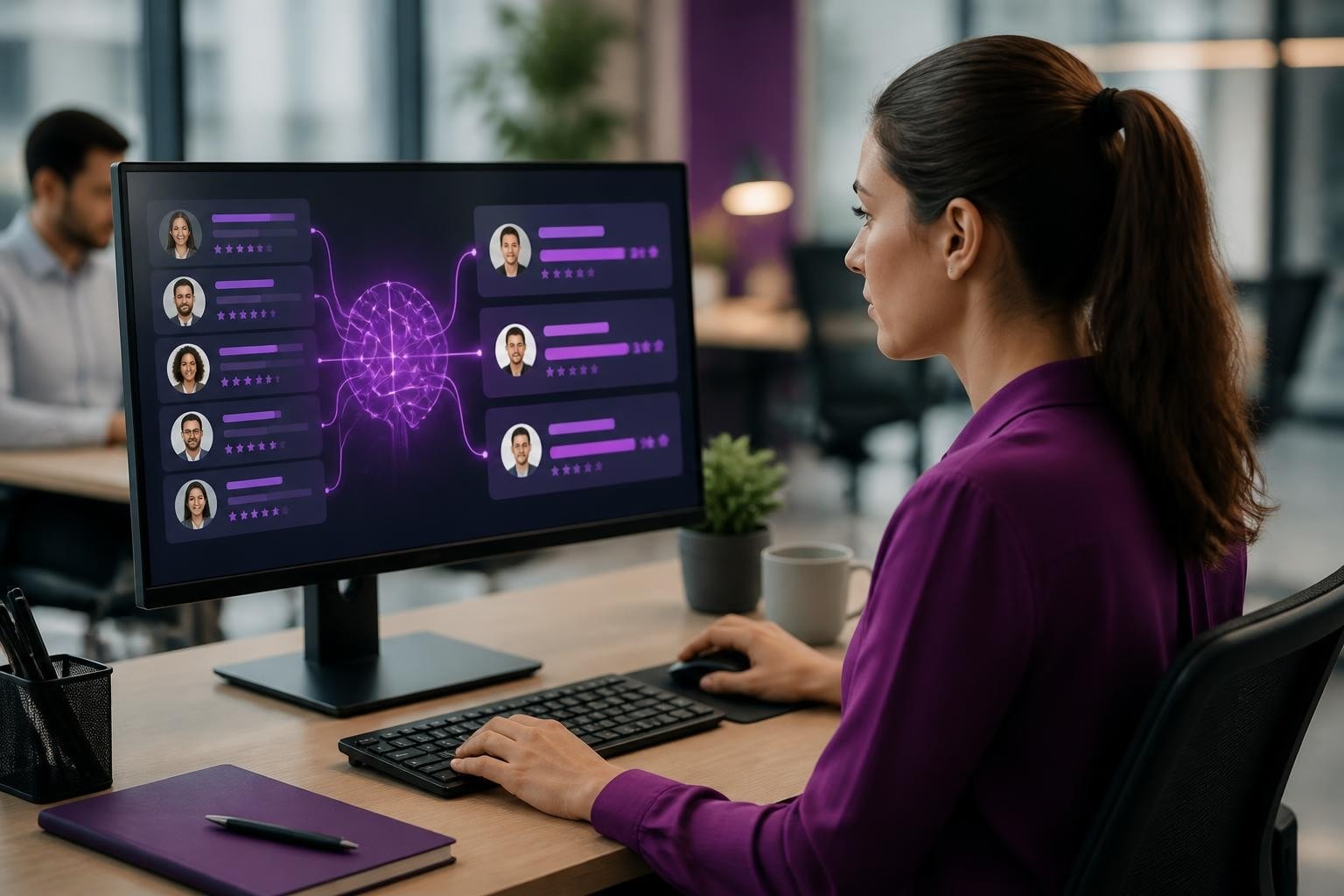
Hiring's always been a bit of a headache for small businesses, hasn't it? You've got a pile of CVs to wade through, day-to-day operations demanding your attention, and the nagging worry that you might miss the perfect candidate buried in application number 47. That's where resume screening AI comes in. It's not some futuristic fantasy anymore-it's a practical tool that's helping businesses just like yours cut through the noise and find great people faster. Let's look at how this technology actually works and whether it makes sense for your recruitment process.
What Resume Screening AI Actually Does
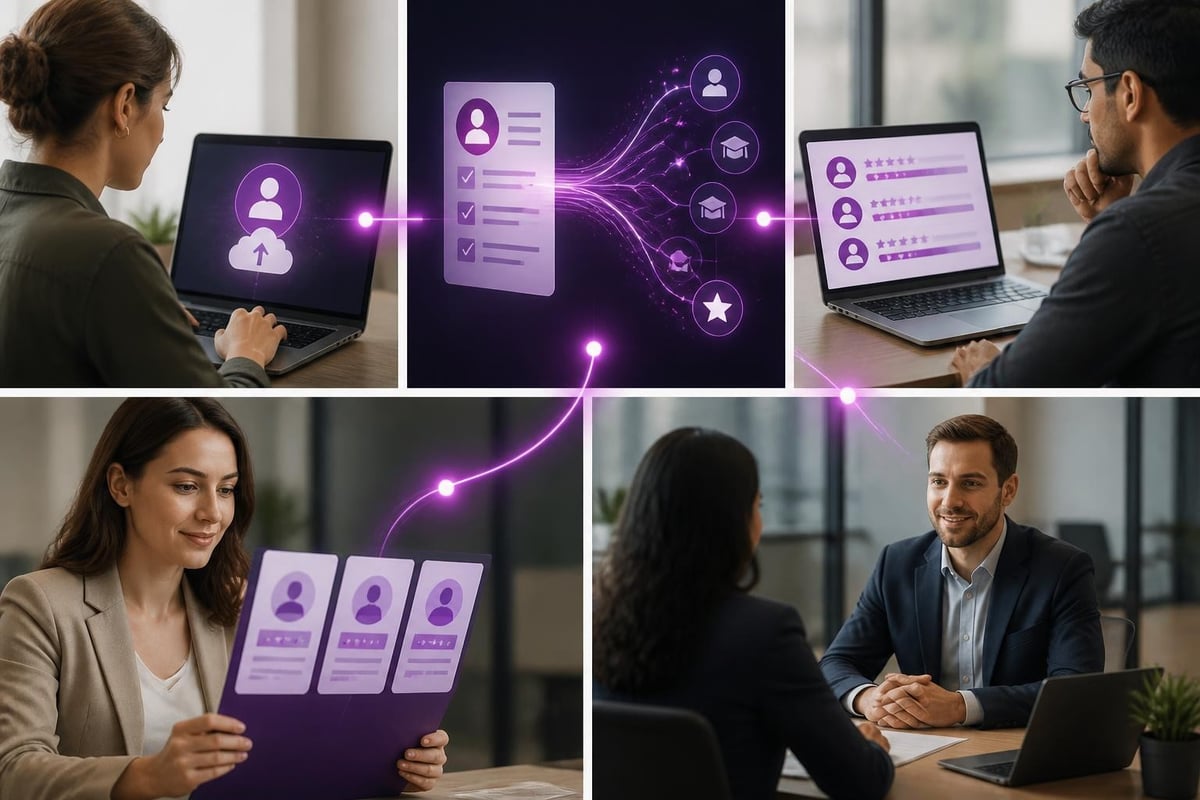
Think of resume screening AI as your first-pass recruitment assistant. It reads through applications, scores candidates against your requirements, and flags the most promising ones for your attention.
The technology uses natural language processing to understand what's written in CVs-not just matching keywords, but grasping context, experience levels, and relevant skills. When someone applies for your sales role, the AI doesn't just look for the word "sales"-it recognises related terms like "business development," "account management," or "revenue growth."
Here's what modern resume screening systems typically handle:
- Parsing CVs in different formats (PDFs, Word docs, even scanned images)
- Extracting key information like qualifications, work history, and skills
- Scoring candidates against your job requirements
- Flagging potential red flags like employment gaps or missing qualifications
- Ranking applicants so you review the strongest matches first
Research shows that 75% of resumes never reach a human recruiter due to automated filtering systems. Whilst this highlights the technology's prevalence, it also raises important questions about implementation.
The Real Benefits for Small Businesses
Let's be honest-you're probably not processing thousands of applications like a corporate giant. But that doesn't mean resume screening AI isn't valuable for smaller operations.
Time Savings That Actually Matter
When you post a job ad and get 50+ applications, reviewing each one properly takes hours. With AI handling the initial screening, you might cut that down to 30 minutes reviewing just the top 10 candidates. That's time back in your day for running your actual business.
For recruitment agencies and professional services firms, the impact multiplies across every role you're filling. Understanding AI's practical applications in recruitment can transform your entire operation.
Consistency in Your Hiring Process
We've all made hiring decisions when we're tired or rushed. Resume screening AI applies the same criteria to every candidate, every time. No Monday morning grumpiness affecting your judgement, no unconscious bias creeping in because someone went to the same university as you.
| Traditional Screening | AI-Powered Screening |
|---|---|
| 5-10 minutes per CV | Seconds per CV |
| Inconsistent criteria | Standardised evaluation |
| Prone to fatigue errors | Consistent accuracy |
| Limited to working hours | 24/7 processing |
| Subjective initial impressions | Objective scoring |
How to Actually Implement This
Right, so you're interested. What does implementation look like without breaking the bank or hiring a tech team?
Option 1: Use Your Existing ATS
Many modern applicant tracking systems have built-in AI screening features. If you're already using recruitment software, check what's available-you might already be paying for capabilities you're not using.
Option 2: Add-On Tools
Standalone AI screening tools can integrate with your email or basic recruitment process. These are often subscription-based and designed for smaller teams.
Option 3: Custom Implementation
For businesses with specific needs-particularly in recruitment and professional services-a tailored solution might deliver better results. This approach focuses on your unique hiring criteria and integrates with your existing workflows.
The key is starting small. Pick one role type where you regularly hire and test the technology there first.
What Could Go Wrong (And How to Avoid It)
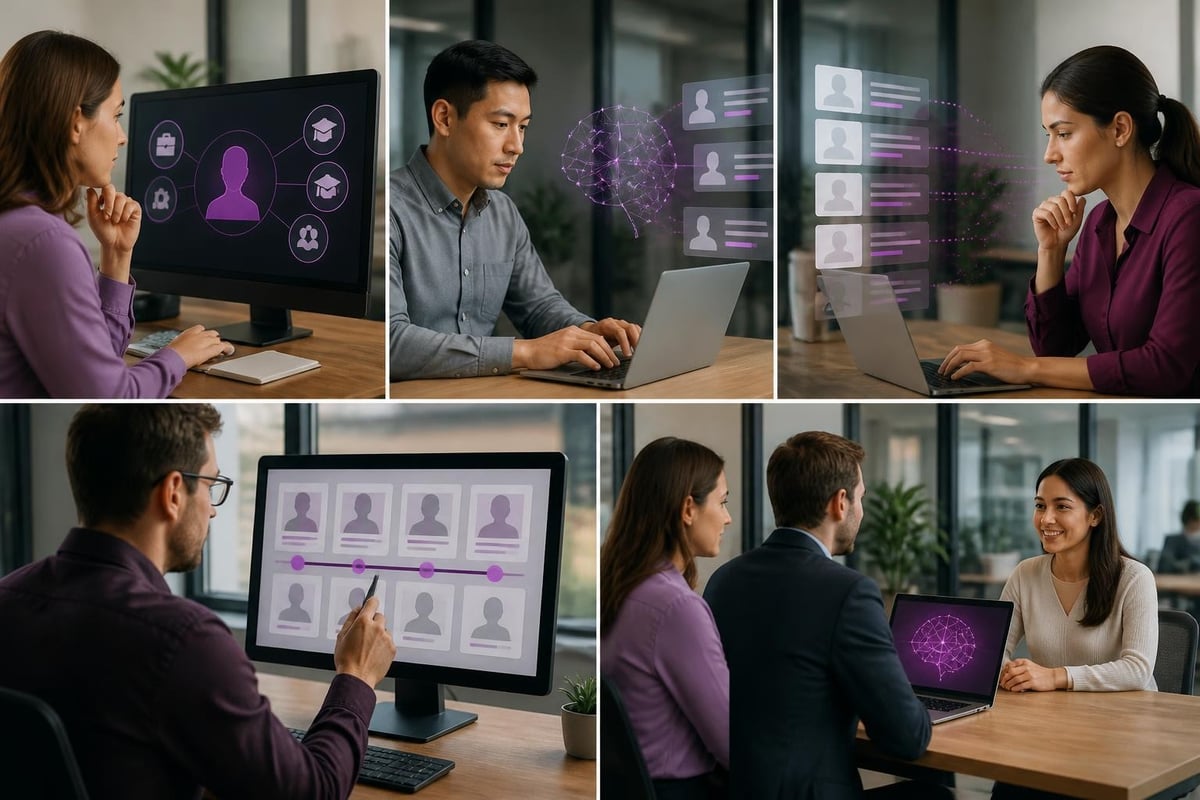
Let's not pretend this technology is perfect. There are legitimate concerns you need to address.
The Keyword Gaming Problem
Savvy candidates know how to optimise CVs for AI screening. They'll stuff their applications with keywords even if they're stretching the truth. Your AI might rank them highly whilst missing genuinely qualified candidates who write differently.
Bias and Fairness Issues
AI systems learn from data. If your historical hiring data contains biases (even unintentional ones), the AI might perpetuate them. Research has shown how biased AI recommendations can influence human decision-making in resume screening, creating a feedback loop.
Missing the Human Element
Some of your best hires might not tick conventional boxes. The apprentice who's hungry to learn, the career changer bringing fresh perspective, the candidate whose potential outweighs their current CV-these people can slip through automated filters.
Practical Solutions
- Always have human oversight: Use AI to narrow down candidates, not make final decisions
- Regularly audit results: Check whether your AI is filtering out qualified candidates or showing demographic patterns
- Customise your criteria: Don't just use default settings-tailor the scoring to what actually matters for your roles
- Test before going live: Run the AI against previous successful hires to see if it would have flagged them
Getting the Balance Right
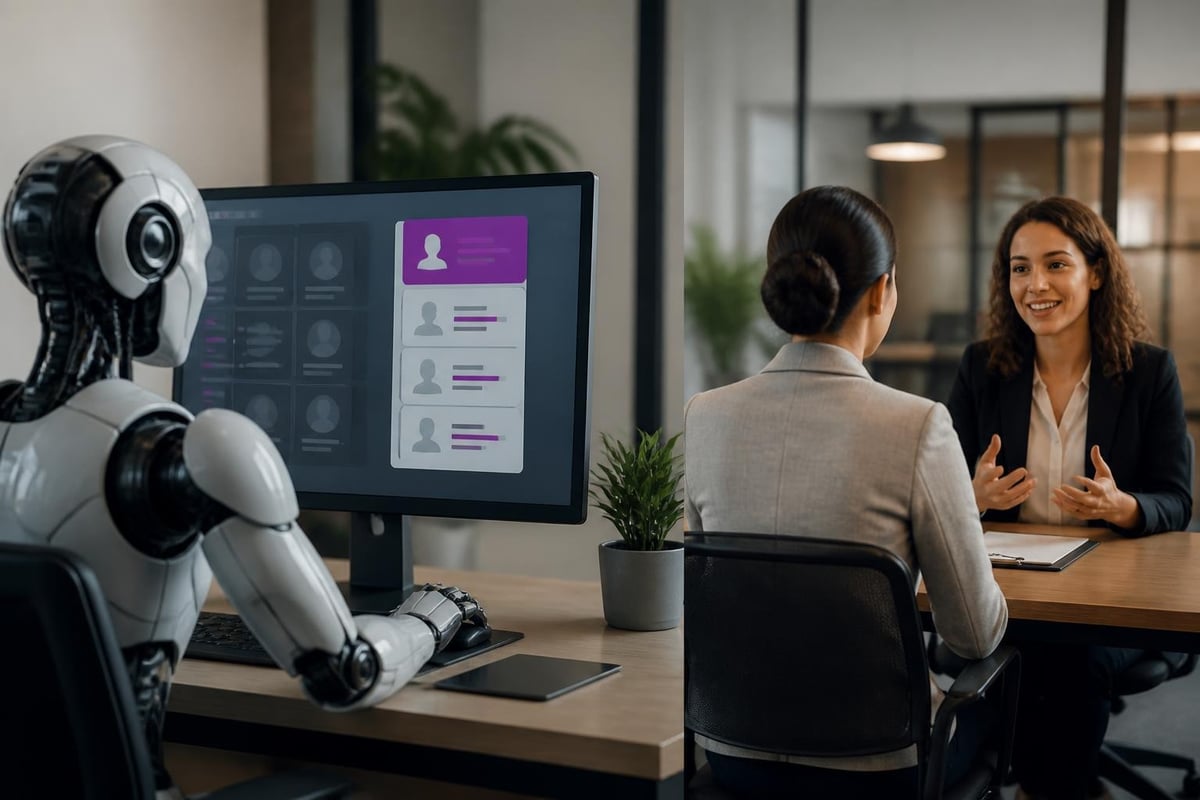
The sweet spot with resume screening AI isn't full automation-it's intelligent assistance. You're still making hiring decisions, but you're doing it more efficiently and consistently.
Think of it like this: the AI handles the tedious bit (reading every CV, checking basic qualifications, scoring against requirements), freeing you up for the important bit (interviewing promising candidates, assessing cultural fit, making the final call).
For small businesses in competitive hiring markets, speed matters. When a great candidate applies, being able to identify them quickly and move them through your process can be the difference between securing them or losing them to a faster competitor.
This is particularly relevant for trades and professional services, where skilled workers are in high demand and talent moves fast.
Measuring Real Impact
How do you know if resume screening AI is actually working for you? Track these metrics:
- Time to shortlist: How long from posting a job to having your interview candidates identified
- Quality of hire: Are the people you're hiring (via AI screening) performing well and staying longer
- Application completion: If candidates know you're using AI, are fewer people bothering to apply
- Interview-to-hire ratio: Are you interviewing better-matched candidates
Don't just measure efficiency-measure outcomes. Hiring someone 30% faster is meaningless if they leave after three months.
The Future (That's Already Here)
The conversation around AI's role in modern recruitment is evolving rapidly. We're seeing systems that don't just screen resumes but can conduct initial video interviews, analyse candidate responses, and even predict job performance.
For entry-level positions especially, the hiring landscape has changed dramatically. As highlighted in recent analysis of AI resume screening's impact on entry-level workers, the technology creates both opportunities and challenges.
The businesses getting this right aren't the ones with the fanciest AI-they're the ones who've thought carefully about what they actually need and implemented practical solutions that complement their hiring process.
If you're processing more than a dozen applications per role, feeling overwhelmed by recruitment admin, or worried you're missing good candidates in the pile, resume screening AI deserves your consideration. Just approach it as a tool to enhance your recruitment, not replace your judgement.
Resume screening AI works best when it's implemented thoughtfully-as an assistant to your recruitment process, not a replacement for human judgement. For small businesses looking to streamline hiring without losing the personal touch, the right AI tools can save hours whilst improving candidate quality. If you're ready to explore how AI could transform your recruitment process with practical, no-nonsense solutions tailored to your business, AI 4 Small Business can help you identify the right approach and implement tools that deliver measurable results from day one.