
Small business owners in 2026 are seeking smarter ways to work, but advanced technology can feel out of reach without a technical background. The pressure to keep up with automation, AI, and digital tools is growing every day.
That is where a low code ai platform comes in. These platforms let you build powerful solutions with just a few clicks, saving time and money while helping you stay ahead of competitors. In this article, you will discover seven leading low code AI platforms, what sets them apart, and how you can use them to achieve real results in your business—no coding skills required.
What is a Low Code AI Platform?
A low code ai platform is a tool that lets you build smart business solutions using simple visual interfaces. Instead of writing lines of code, you can drag and drop blocks, connect apps, and set up automations with just a few clicks. It is designed for small business owners who want to use AI without needing to hire a software developer.
With a low code ai platform, you can easily add features like AI chatbots to answer customer questions, automate invoice processing, or generate useful analytics. These platforms often come with pre-built templates and ready-to-use AI options, so you can get started quickly. Many small businesses are embracing these platforms because they save time, cut costs, and remove technical headaches.
The main difference compared to traditional software development is the simplicity. You do not have to deal with complicated coding, and you can make changes on the fly as your business grows. If you want to explore more about different options and features, check out this guide on AI platforms for business.
Low code ai platforms are also scalable. Start with a single process, like automating customer enquiries, and expand as your business needs change. This flexibility makes them a practical choice for small businesses looking to stay competitive.
7 Leading Low Code AI Platform Solutions to Watch in 2026
Choosing the right low code ai platform can transform how your small business works. With so many options now available, it is easier than ever to automate, save time, and grow, even if you have zero coding experience.
Below, discover seven standout platforms making advanced AI practical for everyday business owners. From rapid tool building to hands-on training, each one brings unique strengths to the table.
AI 4 Small Business
For UK small businesses, AI 4 Small Business offers a low code ai platform with transparent pricing and no long-term contracts. Choose from Starter, Growth, or Business plans, each including setup, audits, training, and sector-focused tools.
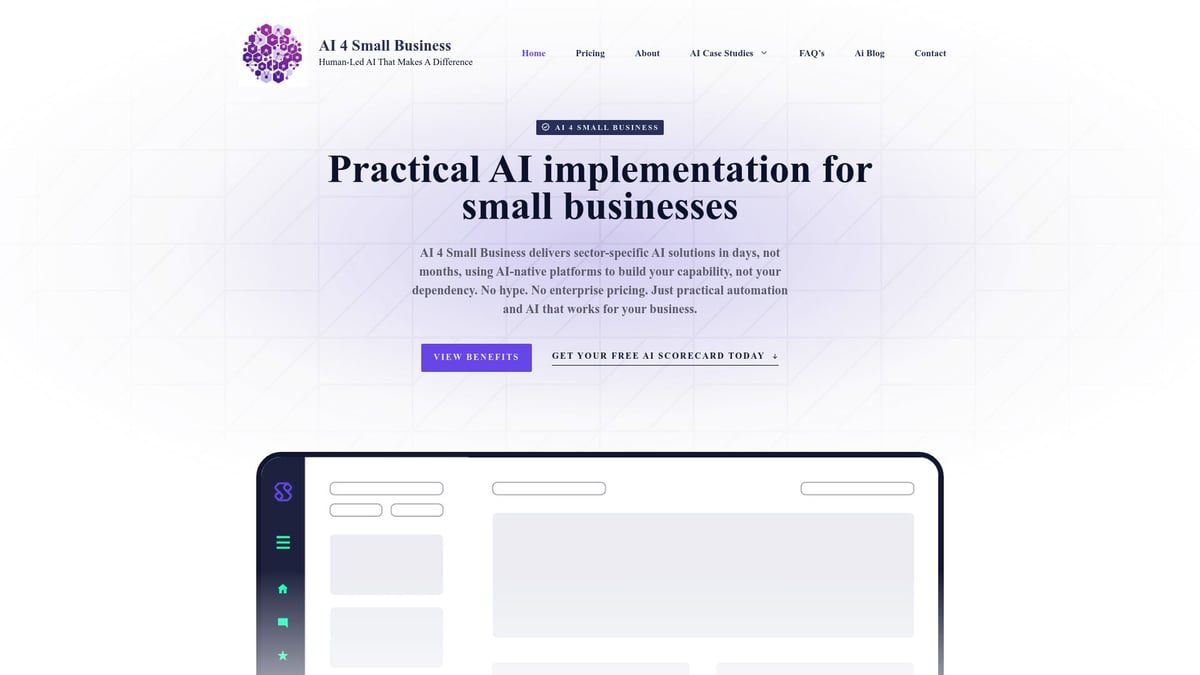
Clients typically see their first automation live within 14 days. Nearly three-quarters manage their own tools, reporting 40 to 60 percent time savings on tasks like invoice processing or customer queries.
It is ideal if you want practical, jargon-free support and value independence. However, it is UK-only and not built for enterprise-scale needs. For trades, ecommerce, or charities, it is a straightforward entry into the world of AI.
Retool
Retool is a flexible low code ai platform for building custom dashboards and internal tools. Its drag-and-drop interface, 100 plus UI components, and custom code support make it popular for quick prototypes.
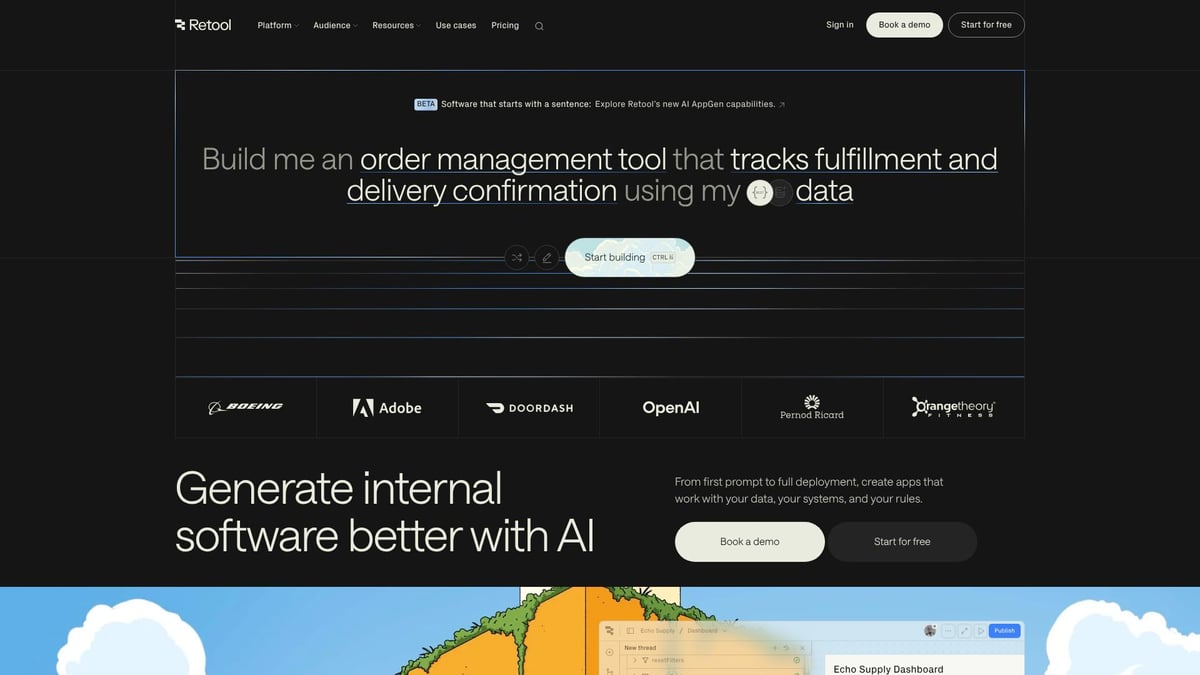
You can start with a free plan, with paid options scaling as your team grows. Integration with over 70 data sources means you can automate admin tasks or create tailored reporting in minutes.
Retool shines for small businesses with some IT skills, but costs may add up as you expand. Perfect for automating internal workflows or building admin panels without hiring expensive developers.
Appsmith
Appsmith stands out as an open-source low code ai platform that gives you control. Features include drag-and-drop UI, AI Assistant, and LLM integration, with options for self-hosting if you value privacy or want to avoid being locked in.
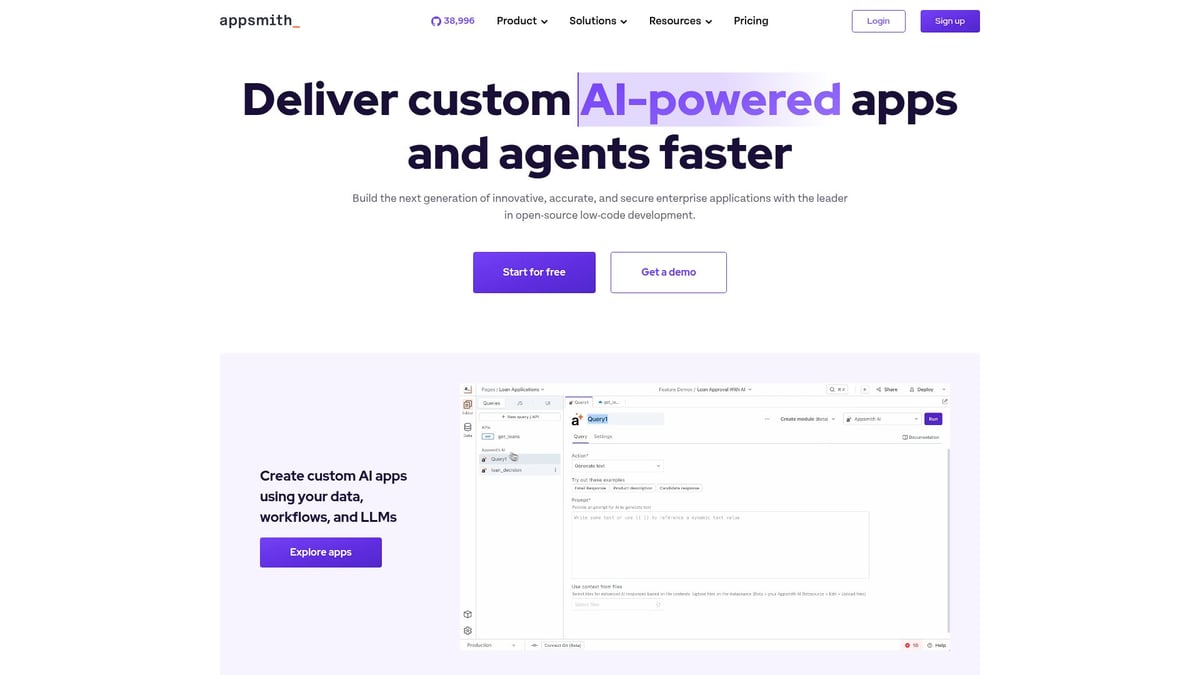
The free version is powerful, while paid plans add business features. It is a strong pick for small teams with some tech confidence who want to automate processes or build customer-facing portals.
Some setup may require IT help, especially if you self-host, but the community is active and support is solid.
Power Apps (Microsoft Power Platform)
Power Apps is a well-known low code ai platform, especially for small businesses already using Microsoft 365. Its app builder, AI Copilot, and 1000 plus connectors make office automation a breeze.
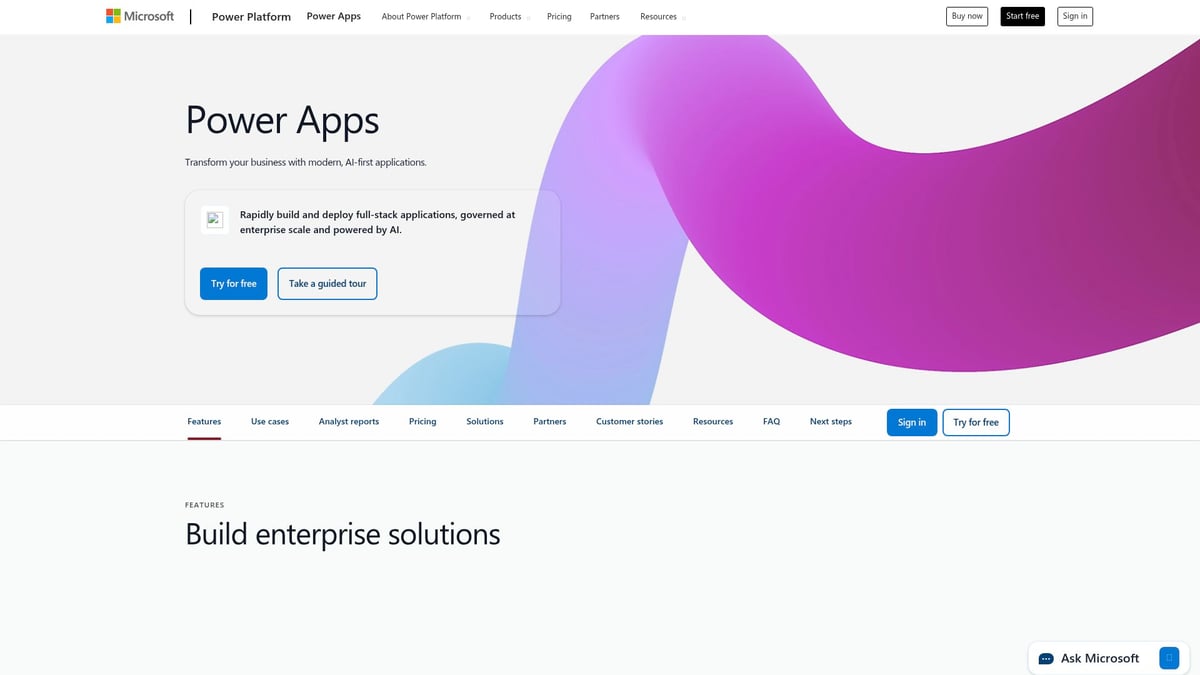
You can automate office tasks, create staff apps, and tap into robust security and compliance. Some features require higher-tier plans, and it is best suited to Microsoft-centric environments.
If you want seamless integration with your existing tools and a familiar interface, Power Apps is a smart choice for quick automation wins.
Mendix
Mendix offers a collaborative low code ai platform that suits businesses with both technical and non-technical staff. Its visual app builder, AI assistant Maia, and flexible deployment options make it great for scaling.
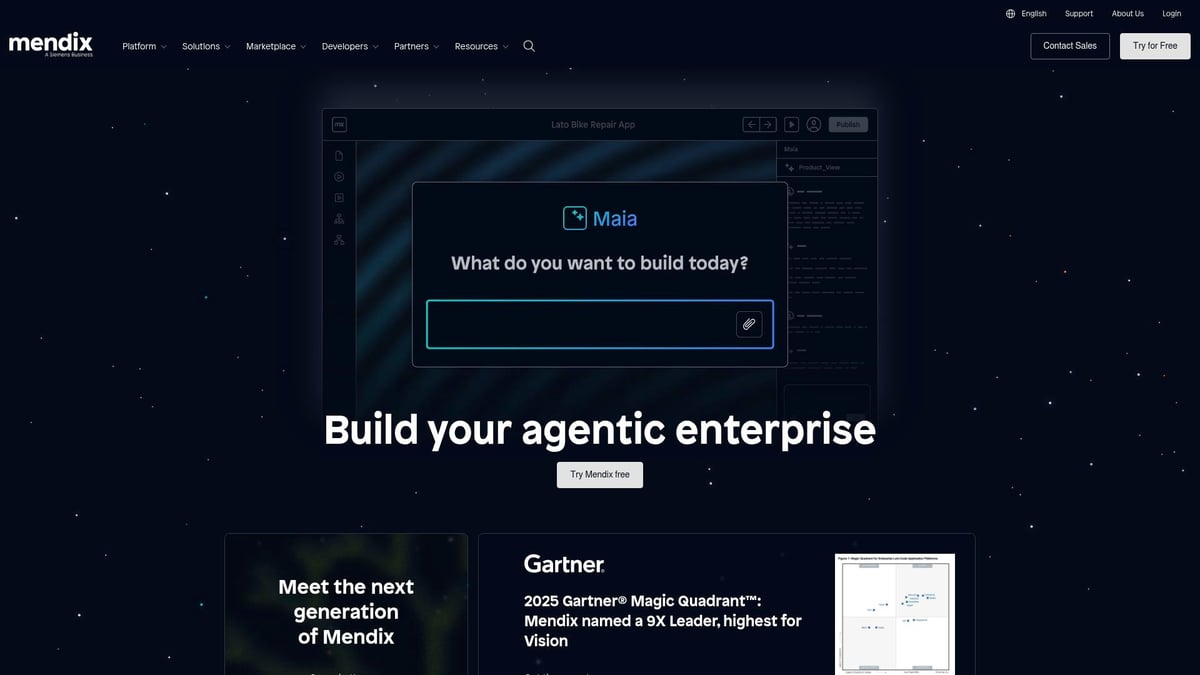
You can start free and upgrade as your needs grow. Mendix is strong for building multi-user apps, customer portals, or automating workflows, but advanced features can get pricey.
It is a good fit if you plan to grow and want your team to collaborate on solutions without heavy coding.
OutSystems
OutSystems is a powerful low code ai platform designed for rapid growth. With its AI Mentor System, full-stack development, and built-in DevOps, it supports robust web and mobile apps.
While the entry price is higher, you get comprehensive features and strong security. It is best for businesses with bigger budgets that need scalable, complex solutions.
If you are planning for expansion and want to build advanced applications quickly, OutSystems is worth considering.
Appian
Appian is a low code ai platform focused on process automation and workflow orchestration. It excels at automating multi-step operations like onboarding or document handling.
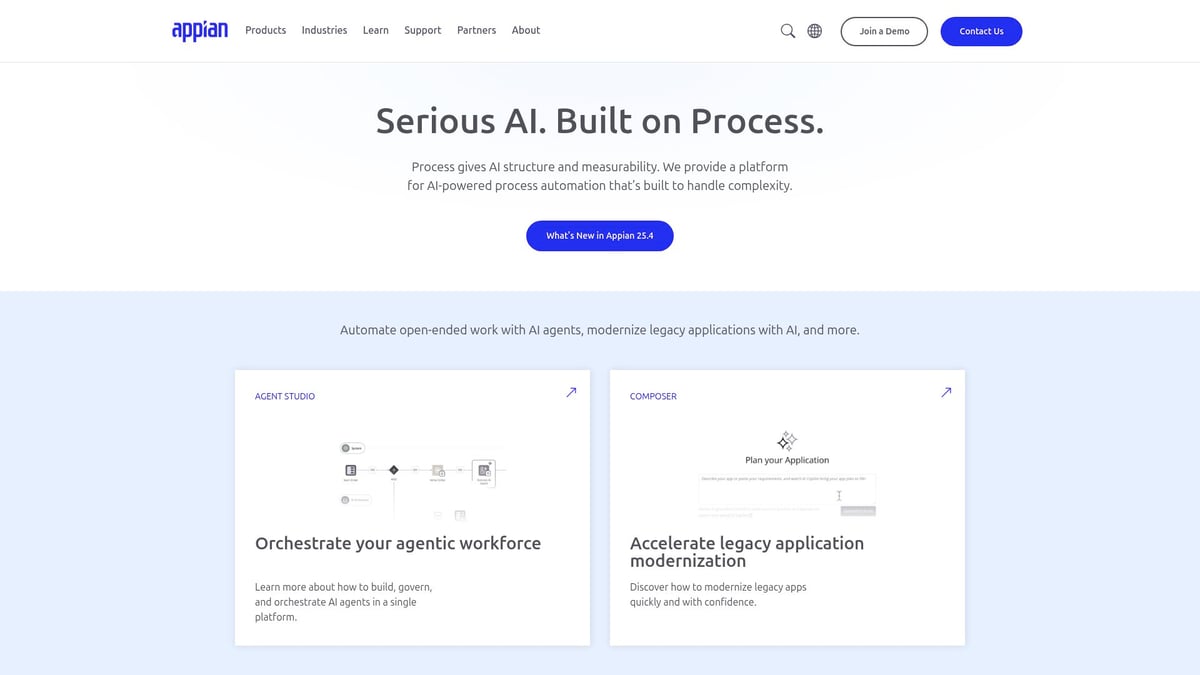
You will benefit from visual process automation, AI document processing, and mobile compatibility. Pricing is custom, and setup may require guidance, but it is powerful for workflow-heavy businesses.
With low code platforms predicted to power 70 percent of new apps by 2025, choosing the right one now can future-proof your business (Low-code platforms to power 70% of new apps by 2025). Each option above brings something unique, so focus on what matches your needs and resources.
How to Choose the Best Low Code AI Platform for Your Small Business
Choosing the right low code ai platform can feel overwhelming, especially if you are not a tech expert. The good news is that you do not need to be. Focus first on what your business actually needs. Are you looking to automate repetitive tasks, improve customer service, or get better insights from your data?
Next, consider how easy each platform is to use. Look for features like drag-and-drop builders, helpful templates, and clear support for non-technical users. Platforms that are simple to navigate will let you build solutions faster and with less frustration.
Integration is another key point. Make sure the low code ai platform you choose connects smoothly with your existing tools, such as your email, CRM, or accounting software. This avoids extra headaches down the line.
Cost matters, too. Transparent pricing with no hidden fees or long contracts is a must for small businesses. Do not hesitate to take advantage of free trials to test what works for you.
Strong training resources and active user communities can make a big difference as you learn. Look for platforms that provide guides, videos, or even live support.
Most importantly, choose a solution that delivers quick results and real value. To see what is possible, explore these AI use cases for small business that show how others have automated bookings, streamlined inventory, or handled customer queries with minimal coding.
By matching your goals to the right low code ai platform, you can start seeing benefits quickly, even without a tech background.
Key Benefits of Low Code AI for Small Businesses
Adopting a low code ai platform can transform how small businesses operate every day. Imagine freeing up hours each week by automating repetitive tasks like invoicing or chasing leads. That is not just a dream—it's a reality for many.
No more waiting on IT experts. With these platforms, your team can build solutions themselves and cut costs compared to hiring developers. It's no wonder 98% of small businesses use AI tools to stay ahead.
Let’s break down the benefits:
- Save time: Automate admin tasks, freeing up your day for growth.
- Lower costs: Avoid expensive software builds or consultant fees.
- Boost customer experience: Deploy AI chatbots for instant replies.
- Scale easily: Add features as your business grows, with no big reinvestment.
- Adapt quickly: Respond to changes or new needs in days, not months.
On average, small businesses using these tools report 40 to 60 percent time savings on automated processes. That is a game-changer when every minute counts.
Common Challenges and How to Overcome Them
Adopting a low code ai platform can be a game-changer, but small businesses often face a few bumps along the way. The good news? Most challenges have straightforward solutions.
Overcoming the Learning Curve
For many, the biggest hurdle is getting started. Even with a low code ai platform, new terms and features can feel overwhelming. Choosing tools that offer hands-on training and clear guides is vital. According to Common AI challenges for SMEs, practical support and step-by-step resources make a huge difference for first-time users.
Integration and Budget Tips
Integrating new AI solutions with your current setup can seem daunting. Opt for platforms with ready-made connectors for popular apps like email or accounting. Budget is another key concern. Look for transparent, affordable pricing and take advantage of free trials. For more guidance, see the costs of implementing AI to help you plan ahead.
Security, Vendor Lock-in, and Testing
Worried about data security or being tied to one provider? Select platforms with self-hosting options or strong compliance features. Open-source tools can help you avoid vendor lock-in. Start by automating just one business process, such as inventory alerts, before expanding further. This approach lets you build confidence and see quick wins.
If you’re feeling inspired by how low code AI platforms are transforming small businesses—saving hours, cutting costs, and making automation accessible even if you’re not a tech wizard—why not see what’s possible for your own business? Whether you’re looking to automate your day to day tasks, empower your team, or simply keep up with a fast changing market, there’s never been a better time to explore your options. Curious which platform will work best for your goals or industry? Let’s chat about your ideas and map out a practical next step. Book A Free Call


