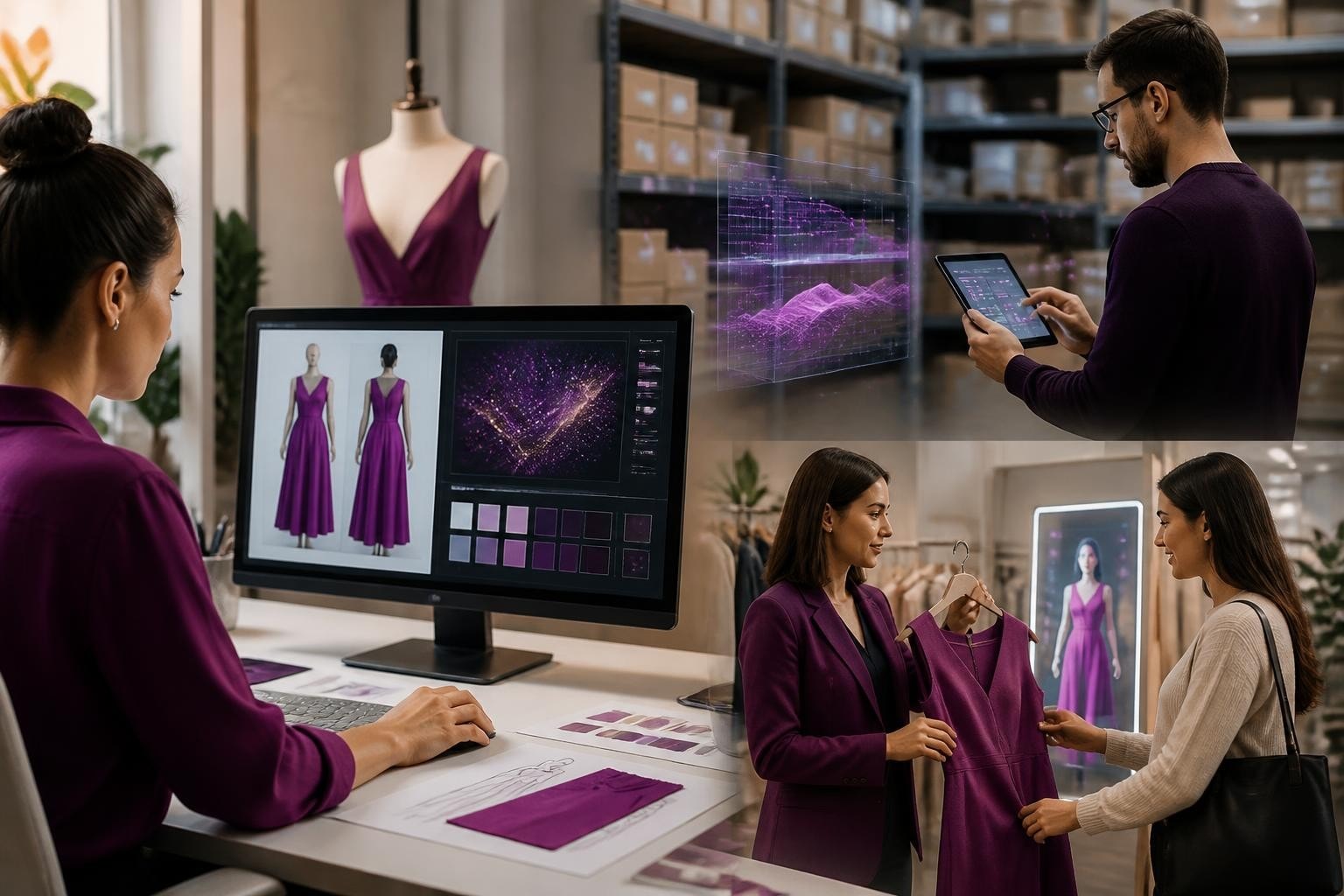
The fashion industry's relationship with technology has always been complex, but artificial intelligence is changing the game in ways that matter for businesses of all sizes. Whether you're running a boutique, managing an eCommerce store, or operating a small fashion brand, ai in fashion industry isn't just about big-budget tech investments anymore. It's about practical tools that solve real problems-from predicting what'll sell next season to reducing the hours spent on repetitive tasks. Let's look at how AI is actually being used in fashion businesses today and what it means for smaller operations.
How AI is Reshaping Fashion Design and Production
Fashion design has traditionally been a labour-intensive process, but AI is streamlining everything from initial sketches to fabric selection. Generative AI tools are now creating design variations in minutes rather than days, allowing designers to explore more creative options without the time investment.
For small fashion businesses, this doesn't mean replacing human creativity-it means augmenting it. Here's what's actually happening:
- Trend forecasting tools analyse social media, runway shows, and retail data to predict upcoming trends
- Colour palette generators suggest combinations based on seasonal data and consumer preferences
- Pattern creation software produces variations on existing designs automatically
- Fabric matching systems recommend materials based on design requirements and sustainability goals
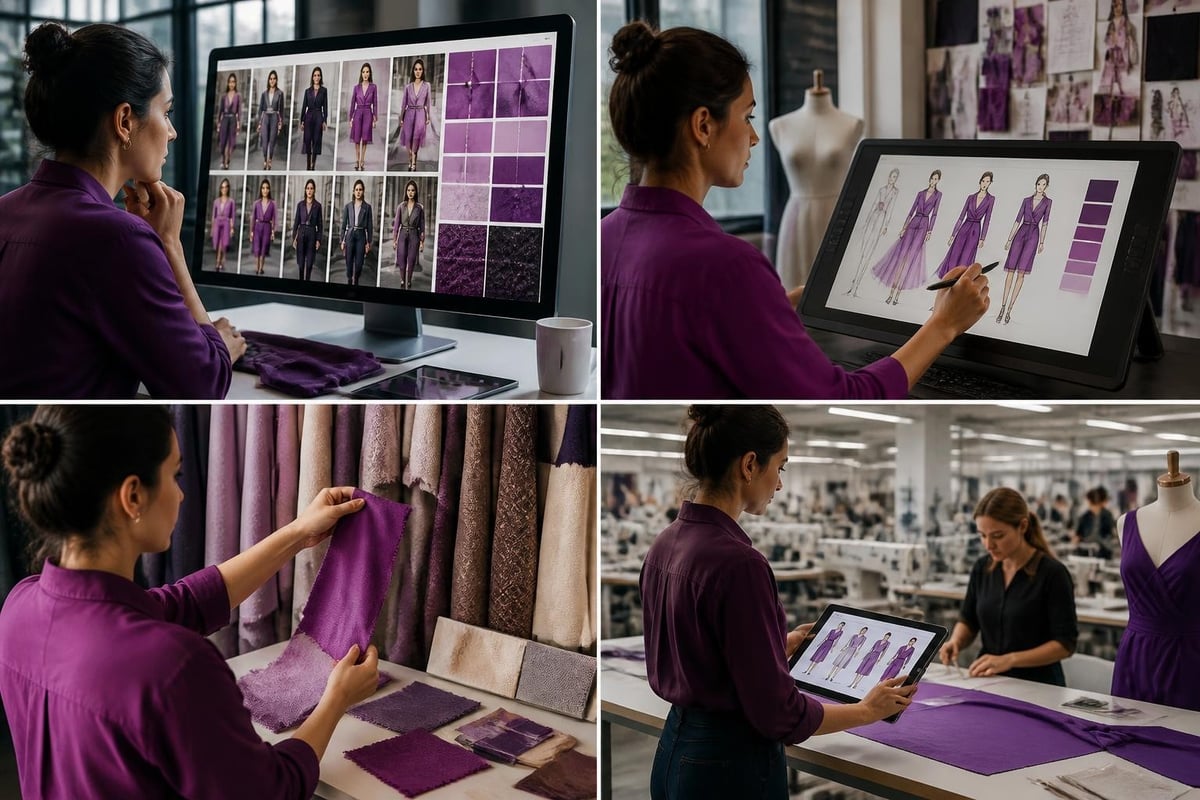
The production side benefits even more. AI systems can optimise cutting patterns to reduce fabric waste by up to 15%, which directly impacts your bottom line. Statistics show that AI adoption in fashion has reduced design time by an average of 30% across the industry.
Inventory Management That Actually Works
Here's where ai in fashion industry gets really practical for smaller businesses. Stockouts and overstock situations cost fashion retailers thousands each year, but AI-powered inventory systems are changing that equation.
Modern inventory AI doesn't just track what you've got-it predicts what you'll need. By analysing sales patterns, weather forecasts, social media trends, and even local events, these systems suggest reorder points and quantities with surprising accuracy.
| Traditional Inventory | AI-Powered Inventory |
|---|---|
| Manual stock counts | Automated tracking with predictions |
| Historical averages for ordering | Real-time demand forecasting |
| Reactive restocking | Proactive planning |
| 20-30% overstock typical | 5-10% overstock achievable |
Small fashion retailers using AI inventory tools report reducing excess stock by up to 25% whilst simultaneously cutting stockout incidents in half. That's money saved and sales captured. Similar to how AI transforms retail operations more broadly, fashion-specific applications focus on pattern recognition in seasonal buying behaviour.
Personalisation Without the Massive Team
Big fashion brands have entire departments dedicated to customer personalisation, but AI levels the playing field. Small fashion businesses can now offer tailored experiences that previously required significant resources.
Virtual try-on technology has become accessible through affordable platforms. Customers can see how clothes look on their body type before purchasing, reducing returns by 20-40%. Applications of AI in fashion include size recommendation engines that learn from return data to suggest the right fit first time.
Email marketing gets smarter too. Instead of sending the same newsletter to everyone, AI segments your audience based on browsing behaviour, purchase history, and style preferences. One small boutique owner told us she increased email conversion rates by 35% simply by implementing AI-driven personalisation-no massive tech team required.
Customer Service That Scales
Fashion businesses deal with repetitive questions constantly. "What's this made from?" "When will it arrive?" "What's your return policy?" AI chatbots handle these inquiries 24/7, freeing up your time for complex customer service issues that actually need a human touch.
The technology has improved dramatically. Modern fashion chatbots understand context, remember previous conversations, and can even make product recommendations based on customer preferences. Much like AI digital assistants in other sectors, fashion-focused versions understand industry-specific terminology and customer needs.

Visual Content at Scale
Every fashion product needs multiple high-quality images. Professional photoshoots are expensive, but AI is creating alternatives that actually work.
AI-powered photo editing tools can remove backgrounds, adjust lighting, and even change colours in seconds. What used to take a designer 30 minutes per image now takes 30 seconds. AI is transforming design and e-commerce visuals by automating background generation and product presentation.
Some platforms now generate model images using AI, showing your products on diverse body types without costly photoshoots. Whilst this won't replace all traditional photography, it's a game-changer for testing new products or creating catalogue variations quickly.
- Generate seasonal campaign visuals without photoshoot costs
- Test different product presentations before committing to expensive shoots
- Create size-inclusive imagery across all body types
- Produce lifestyle context images for social media
Sustainability Through Smarter Operations
Fashion's environmental impact is under scrutiny, and AI helps small businesses operate more sustainably whilst saving money. Waste reduction through better forecasting means you're not overproducing items that'll end up discounted or discarded.
AI optimises shipping routes and packaging choices, reducing carbon footprint and costs simultaneously. For businesses selling online, algorithms can group orders intelligently to minimise packaging waste and shipping emissions. Just as AI improves logistics operations generally, fashion-specific applications consider factors like seasonal rushes and return patterns.
Pricing Strategies That Adapt
Dynamic pricing isn't just for airlines anymore. AI analyses competitor pricing, demand signals, inventory levels, and seasonal factors to suggest optimal price points. This doesn't mean constantly changing prices-it means making informed decisions about when to run promotions and how to price new items.
Small fashion retailers using AI pricing tools report 10-15% margin improvements simply from better timing of markdowns and more accurate initial pricing. The system learns what sells at what price point and suggests adjustments based on real data, not gut feeling.

Making It Work for Your Fashion Business
The key to successful ai in fashion industry implementation isn't buying every tool available-it's identifying your biggest time drains and pain points first. Start with one problem: Is it inventory management? Customer service? Content creation?
Choose tools that integrate with your existing systems. If you're using Shopify, look for AI apps built for that platform. Running a brick-and-mortar boutique? Focus on inventory and customer data tools that work with your POS system.
Implementation doesn't have to be overwhelming:
- Identify your most time-consuming manual process
- Research AI tools specifically designed for that task in fashion retail
- Start with free trials or affordable entry-level plans
- Measure impact in hours saved or revenue gained
- Expand to additional tools once you've seen results
The current state of AI in fashion for 2026 shows that adoption isn't about having a huge tech budget-it's about strategic implementation that delivers measurable results. Similar to how recruitment businesses use AI, fashion operations benefit most from targeting specific pain points rather than attempting wholesale transformation overnight.
Real-World Applications You Can Start Tomorrow
Let's get specific about tools that fashion businesses are actually using right now with success:
For Product Photography: AI background removers and enhancement tools process images in bulk, maintaining consistent quality across your catalogue. Some platforms even auto-generate lifestyle scenes placing your products in contextually relevant settings.
For Customer Insights: AI analytics platforms identify which products customers view together, revealing cross-selling opportunities you might miss manually. This data informs everything from product placement to email campaigns.
For Social Media: Content generation tools create post variations, suggest optimal posting times, and even write captions based on your brand voice. One small fashion brand reduced social media management time from 10 hours weekly to 3 hours using AI scheduling and content tools.
| Business Area | AI Application | Typical Time Saving |
|---|---|---|
| Product imagery | Automated editing/enhancement | 70% reduction in editing time |
| Customer queries | AI chatbot handling FAQs | 60% fewer manual responses |
| Inventory planning | Demand forecasting | 5-8 hours monthly saved |
| Email marketing | Personalised segmentation | 40% better conversion rates |
The fashion industry's embrace of AI isn't slowing down. Understanding various AI applications across fashion helps you see where your business might benefit most. The technology gets more accessible and affordable every month, making 2026 an ideal time for small fashion businesses to start implementing practical AI solutions.
AI in fashion industry is no longer optional for businesses wanting to stay competitive, but implementation doesn't require massive budgets or technical expertise. The key is starting with your biggest pain points and choosing practical tools that deliver measurable results quickly. If you're ready to explore how AI can transform your fashion business operations without the complexity or cost of custom development, AI 4 Small Business specialises in identifying time-consuming processes and implementing AI solutions that deliver real impact fast. We'll help you build AI capability that supports growth without creating dependency, focusing on the automations and tools that actually matter for your specific business needs.