
You've probably heard that AI can transform your business, but what happens when you've got customer details in one system, sales records in another, and appointment bookings somewhere else entirely? That's where ai system integration becomes crucial. For small business owners, getting different tools to talk to each other isn't just a technical luxury - it's the difference between AI that genuinely helps and AI that creates more work. Let's explore how you can make your business systems work together without needing a computer science degree or a massive budget.
Why AI Systems Need to Talk to Each Other
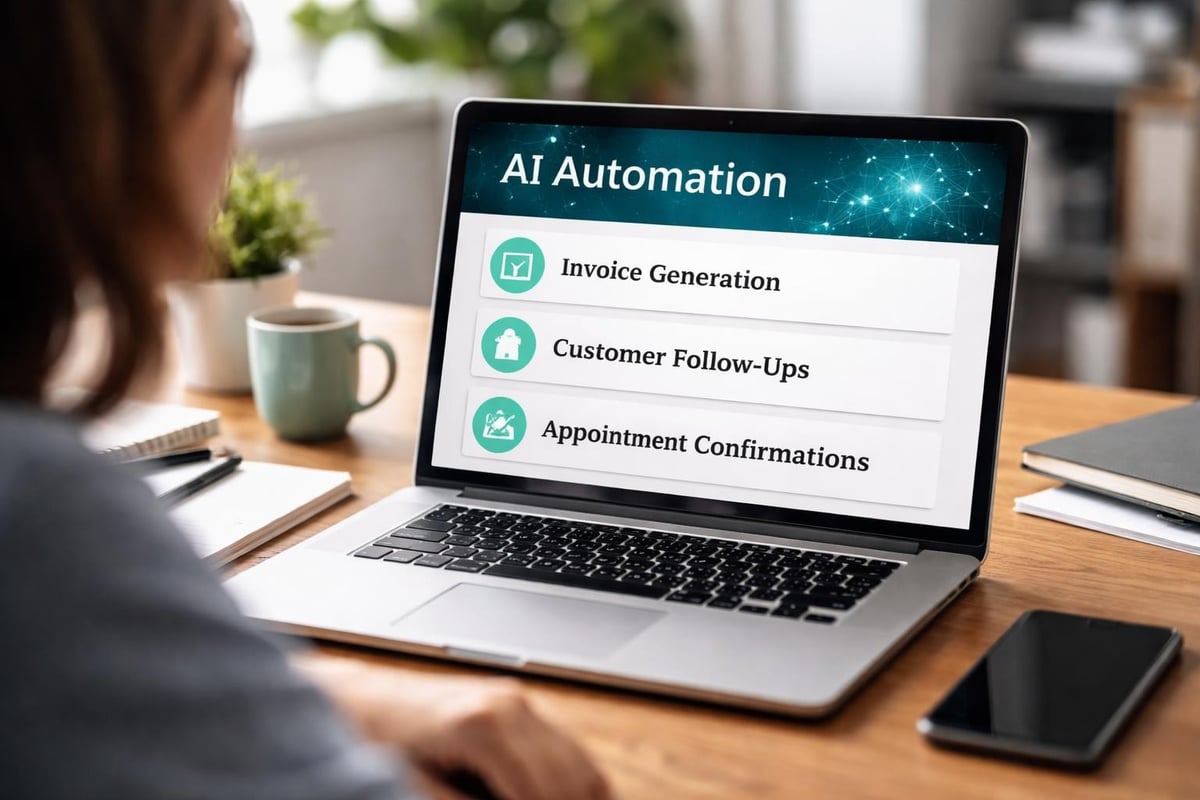
Think about your typical day. You might receive an enquiry through your website, add the customer to your mailing list, schedule an appointment in your calendar, and later invoice them through your accounting software. If each of these actions requires manual data entry, you're wasting precious time that could be spent actually running your business.
AI system integration solves this problem by connecting your tools so they share information automatically. When your contact form captures a new lead, that information can flow directly into your customer relationship management tool, trigger a welcome email, and even create a task reminder - all without you lifting a finger.
The challenge isn't whether integration is valuable. The real question is how you implement it without getting overwhelmed. Many small business owners worry about data readiness becoming a barrier to AI success, but the good news is you don't need perfectly organized data to start seeing benefits.

Starting Simple: What Integration Actually Means
When technical folks talk about ai system integration, they're describing how different software applications exchange information. For you as a business owner, it simply means your tools working as a team rather than as isolated islands.
Three Levels of Integration You Should Know
- Data sharing - Your customer management system knows about purchases made through your online shop
- Automated actions - When someone books an appointment, a confirmation email sends automatically
- Intelligent responses - AI suggests the best follow-up action based on customer behaviour patterns
You don't need to implement everything at once. Most successful small businesses start with one or two simple connections and build from there. Understanding different AI capabilities helps you prioritize what matters most for your specific situation.
Practical Integration Options for Budget-Conscious Businesses
Here's where things get exciting. You don't need expensive custom development to achieve effective ai system integration. Several affordable platforms exist specifically for small businesses:
Connection Tools You Can Use Today
- Zapier or Make - Connect apps through simple "if this, then that" rules
- Built-in integrations - Many modern business tools already connect to each other
- AI-enhanced spreadsheets - Use tools like Google Sheets with AI add-ons to bridge gaps
- Industry-specific platforms - Sector-tailored solutions designed for your type of business
| Integration Type | Best For | Typical Monthly Cost |
|---|---|---|
| Basic automation | Simple workflows | £15-50 |
| Multi-step processes | Complex customer journeys | £50-150 |
| AI-enhanced integration | Intelligent decision-making | £100-300 |
The key is matching the solution to your actual needs. A café doesn't require the same integration complexity as a consulting firm. Exploring real-world AI use cases can help you identify which integrations deliver the most value for your industry.
Avoiding Common Integration Pitfalls
Let's be honest - integration isn't always smooth sailing. But knowing the potential problems helps you avoid them.
The biggest mistake? Trying to connect everything at once. Start with your most time-consuming manual task. Perhaps you spend thirty minutes each day copying customer details between systems. That's your first integration target.
Another common issue involves poor data quality hindering AI effectiveness. Before connecting systems, ensure your customer names are spelled consistently and your product codes match across platforms. This doesn't mean achieving perfection - just basic consistency.
Questions to Ask Before Integrating
- Which tasks consume the most time in my daily routine?
- Where do mistakes happen when transferring information manually?
- Which systems already contain overlapping information?
- What would save me the most frustration if it happened automatically?
Your answers reveal where ai system integration delivers the biggest impact. Getting started with AI becomes much easier when you focus on specific pain points rather than vague efficiency goals.
Building Your Integration Strategy
Successful integration follows a logical path. You're not building a rocket ship - you're creating practical connections that make your workday easier.
Step one involves mapping your current process. Write down how information currently flows through your business. Where does a customer's journey begin? What happens at each stage? Which systems touch that information?
Step two identifies bottlenecks. Where do things slow down? Where do errors creep in? These friction points are prime candidates for integration.
Step three starts small. Choose one connection that addresses a significant pain point. Get it working reliably before adding complexity. Understanding AI costs helps you budget appropriately for each new integration.
Making Integration Work Long-Term
Here's something many businesses overlook: ai system integration isn't a one-time project. Your business evolves, your tools change, and your integration needs grow accordingly.
Set aside an hour each quarter to review your integrations. Are they still working properly? Have new bottlenecks emerged? Could additional connections save even more time? This regular check-in prevents small issues from becoming major headaches.
Also consider future flexibility. Implementing AI solutions that don't lock you into specific vendors gives you freedom to adapt as better tools emerge. The goal is enhancing your business capabilities, not creating dependency on particular platforms.
Monitoring Your Integration Success
| Metric | What It Tells You | Target |
|---|---|---|
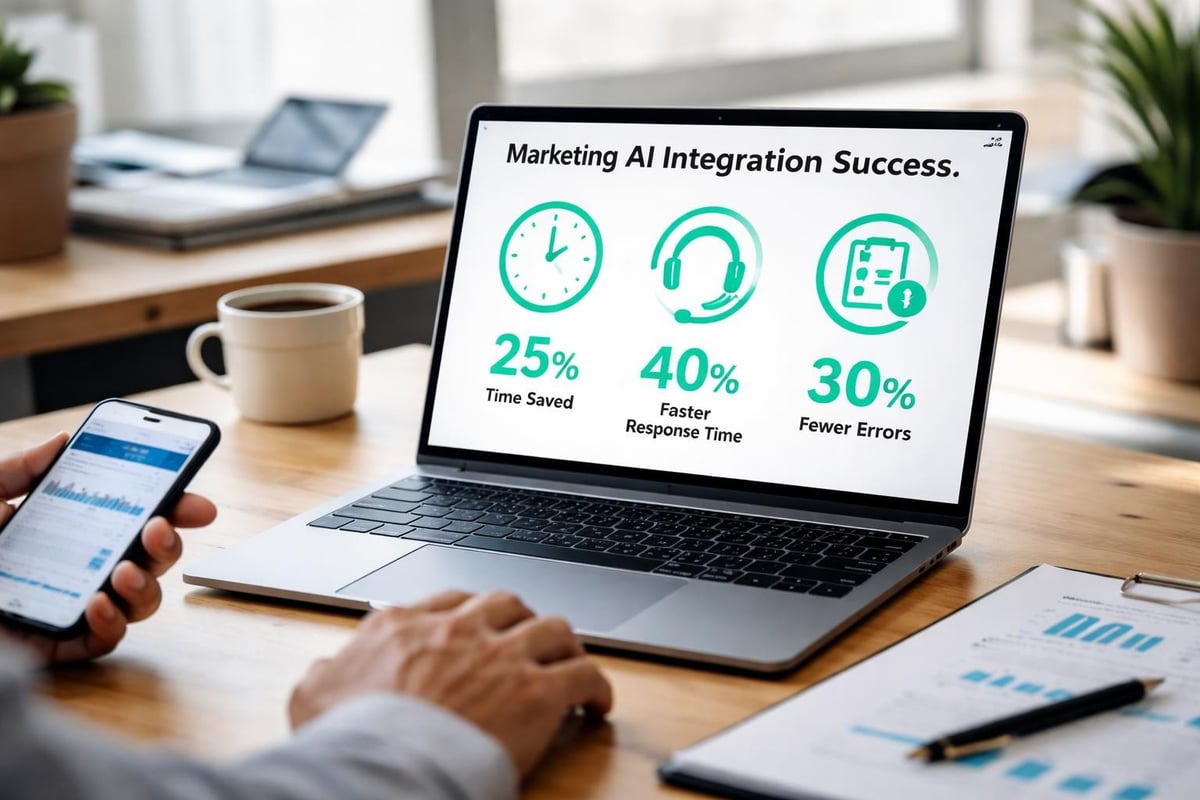
| Time saved per week | Overall efficiency gain | 3-5 hours minimum |
| Error reduction | Data accuracy improvement | 50%+ fewer mistakes |
| Customer response speed | Service quality impact | 30%+ faster responses |
These measurements help you understand whether your integration efforts are paying off. The benefits of using AI for automation become visible through these concrete metrics.
Choosing Integration Partners Wisely
Not all integration solutions suit small businesses equally well. Some cater to large corporations with dedicated IT teams. Others recognize that small business owners wear multiple hats and need straightforward, accessible tools.
Look for providers who offer clear documentation, responsive support, and transparent pricing. Avoid platforms that require extensive training or charge based on confusing usage metrics. Low-code AI platforms often provide the sweet spot between capability and accessibility for small business owners.
Ask potential integration partners these questions:
- How quickly can I set up a basic connection?
- What happens if something breaks?
- Can I scale up or down based on my needs?
- What's included in the monthly fee?
The right partner makes ai system integration feel manageable rather than overwhelming. They understand your constraints and work within your budget while delivering genuine value.
Effective ai system integration transforms how small businesses operate, turning disconnected tools into a coordinated team that works for you around the clock. By starting with simple, high-impact connections and gradually building complexity, you can achieve the efficiency gains that once seemed reserved for larger competitors. AI 4 Small Business specializes in helping small business owners implement practical, affordable integration solutions tailored to your specific sector and needs, delivering automation quickly without creating dependency on complex systems.