
Imagine if you could run your business with less stress, more free time, and a bigger bottom line. In 2026, that’s possible thanks to new AI tools that are simple, smart, and built for real people. If you’ve ever thought you might need ai but felt overwhelmed, you’re in the right place.
This handbook is designed for small business owners who want to unlock the benefits of AI without needing a tech background. We’ll show you what AI really means, how it fits into your daily work, and which tools can make the biggest difference.
You’ll discover practical advice, clear steps, and real-world examples. Ready to save hours each week and grow your business with confidence? Let’s get started.
What is AI and Why Does Your Business Need It in 2026?
Artificial Intelligence, or AI, is a way for computers to learn from data and make decisions or predictions, almost like a digital assistant. It is not about robots taking over jobs or science fiction. Instead, it is about using smart software to handle everyday business tasks, such as sorting emails or reminding you about appointments.
Many small business owners believe AI is too complicated or only for big companies. In reality, most modern AI tools are built for people with no technical background. They are designed to be as simple as using a smartphone app. If you want to dig deeper into what AI can and cannot do for your business, have a look at these Common AI myths and challenges.
Why do you need ai in your business toolkit for 2026? Rising labour costs, limited time, and growing customer expectations make automation essential. AI can help you respond to customers faster, automate invoices, or even predict when your stock will run low. For example, some small retailers use ai to process online orders overnight, saving hours every week.
By 2026, more than 65% of UK small businesses are expected to use at least one AI-powered tool. This trend is helping to level the playing field with larger competitors. Using AI does not mean replacing your team. Instead, you need ai to free up time, cut down on errors, and let your staff focus on what matters most—growing your business.
The Most Useful AI Tools for Small Businesses in 2026
Choosing the right tools is key if you need ai to make your small business more efficient in 2026. The best AI solutions are designed to be simple, practical, and easy to set up, even if you have no technical background.

Everyday Automation Tools
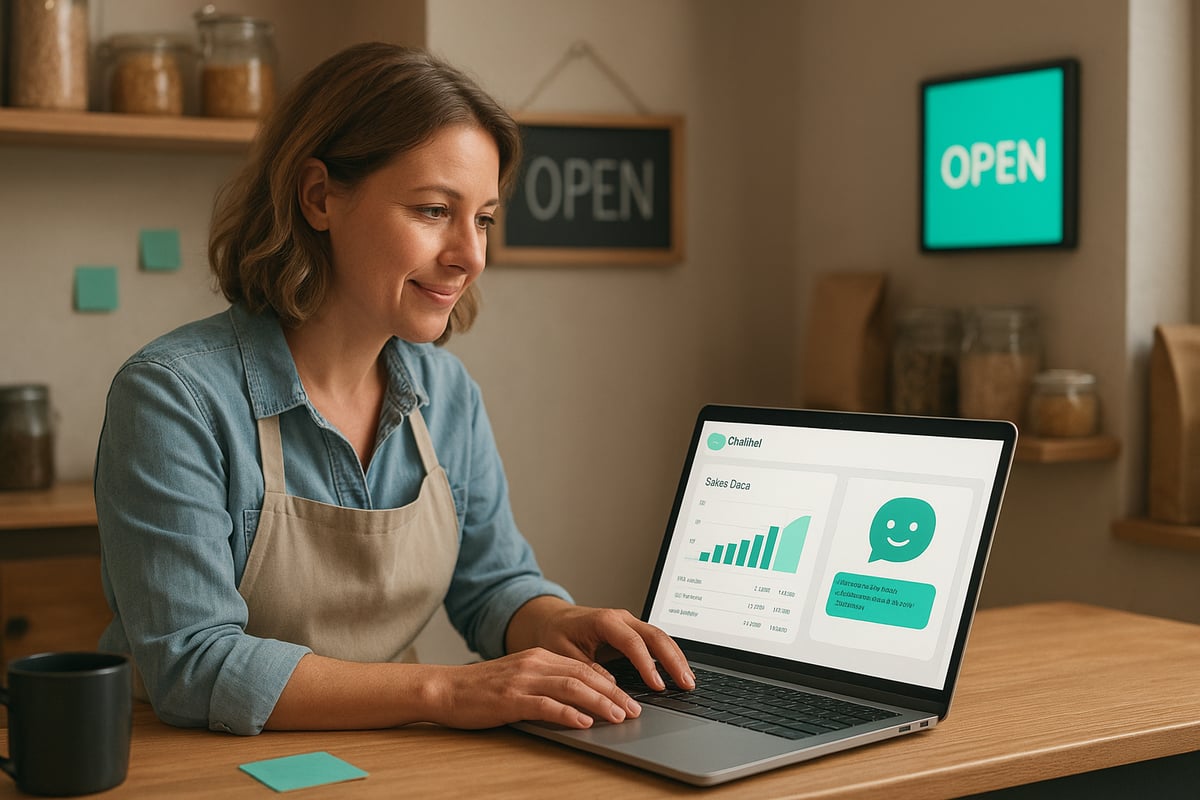
Everyday automation is where the magic starts for many business owners. Imagine an AI assistant quietly working in the background, sorting emails so only urgent ones reach you. Tools like these can also generate invoices automatically, track expenses, and even book appointments for clients.
- Email sorting and automated replies: No more sifting through junk, as AI can flag priorities and draft standard responses.
- Invoice generation and expense tracking: Save hours on paperwork by letting AI handle routine finance tasks.
- Appointment booking bots: Customers can book in without you lifting a finger.
For example, a small retailer might use an AI tool that processes online orders overnight, so they wake up to a tidy list of ready-to-pack sales.
Customer Engagement & Marketing AI
If you need ai to boost customer engagement, the latest tools are built just for you. AI-powered chatbots can answer questions on your website or social media, keeping customers happy even after hours. Automated email marketing systems send out personalised offers based on what your customers love.
- AI chatbots: Available 24/7 to help, recommend, or upsell.
- Automated email and personalisation: Reach out with special deals tailored to each customer.
- Social media content generation: Never run out of ideas or posts.
Consider a local café using AI to send custom offers to regulars, increasing visits and loyalty. For more inspiration, check out these real-world AI use cases that show what’s possible for small businesses.
Data and Insight Tools
Understanding your numbers gets easier with AI-powered dashboards. These tools give you instant snapshots of sales and customer trends, so you can spot what’s working and where to improve.
- Sales and customer trend dashboards: Simple, visual, and clear.
- Predictive stock ordering: AI suggests when to reorder so you never run out.
- Busy times forecasting: Plan staff and stock with confidence.
Picture an independent shop using AI to predict their busiest hours, helping them schedule staff more effectively and maximise sales.
How to Choose the Right AI Solution for Your Business
Choosing the right AI can feel overwhelming, especially with so many options out there. The key is to focus on your real business needs. Ask yourself: Where do you need ai the most? Is it saving time on admin, improving customer service, or reducing errors?
Start by listing the tasks that eat up your time. Maybe it is manual invoicing or replying to the same customer questions daily. Set clear goals, like cutting admin hours in half or making fewer mistakes in bookings.
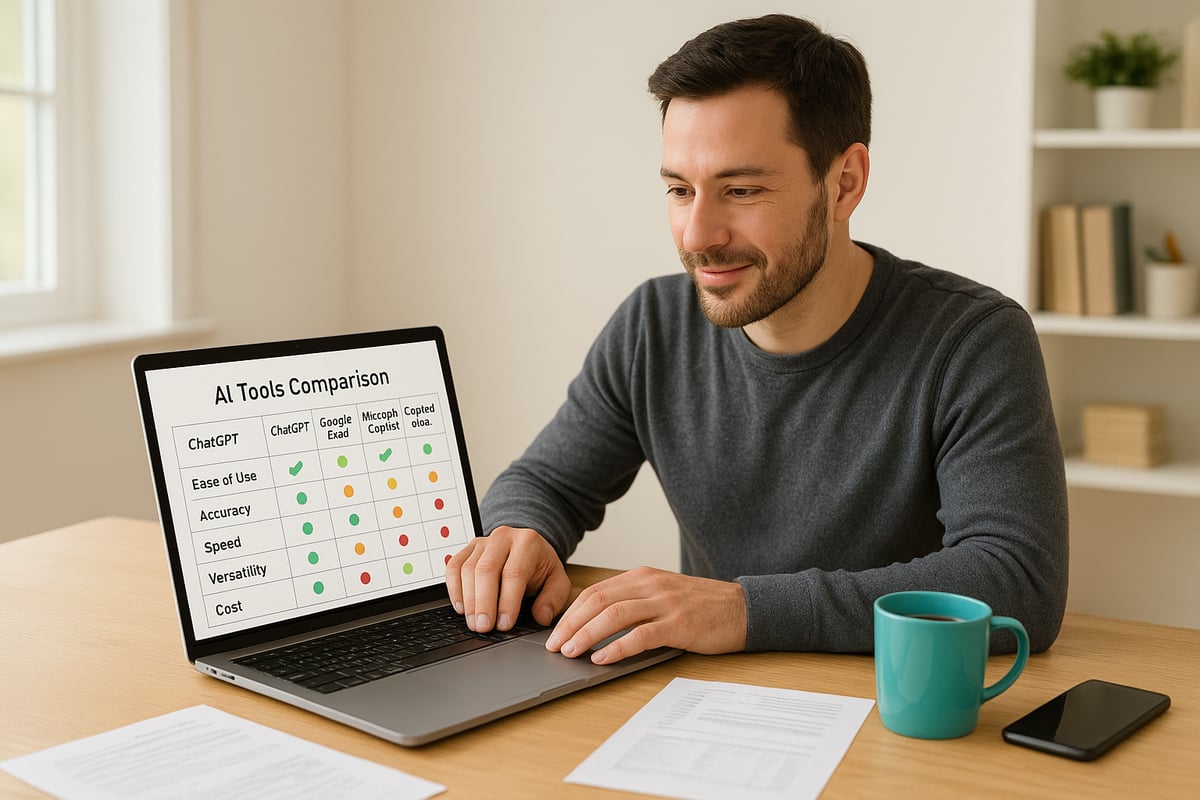
Compare your options with a simple table:
| Feature | Free Tools | Paid Tools |
|---|---|---|
| Cost | £0 | £10-£50/month |
| Support | Community forums | Email/chat support |
| Ease of Use | Basic | Often more advanced |
| Customisation | Limited | More features |
Look for tools that are easy to set up and do not require coding skills. Always check if there are options designed for your sector, like retail, hospitality, or trades.
Read reviews and stories from businesses like yours. Sites like Choosing the right AI solution offer guides to help you compare and decide. Do not be afraid to try free trials first.
Here is a quick checklist to vet any AI tool before you commit:
- Does it solve a real need ai for your business?
- Is it easy to use with clear support?
- Are there any hidden costs or contracts?
- Does it protect your customer data?
- Can you see real results from others in your industry?
Start small, test one tool, and build from there. With the right approach, you will find AI that truly fits your business.
Step-by-Step Guide: Implementing AI in Your Business
Ready to take the guesswork out of AI? Here’s a clear, actionable guide to help you move from uncertainty to practical results. Each step is designed for small business owners who need AI to make their workday easier, not more complicated.

Step 1: Identify Repetitive Tasks
Start by listing the daily or weekly tasks that eat up your time. Think about things like manual invoice entry, sending appointment reminders, or sorting emails.
- Write down each task that feels repetitive.
- Ask your team what slows them down.
- Prioritise tasks that are easy to measure for improvement.
If you need AI to save time, focus on these bottlenecks first before moving forward.
Step 2: Research Simple AI Tools
Look for AI solutions that are built for small businesses, not just tech giants. Use trusted directories, small business forums, or resources like AI platforms for small businesses to compare options.
- Choose tools with free trials and simple interfaces.
- Read reviews from other small business owners.
- Check for clear support and training materials.
The right tool should fit your business, not the other way around.
Step 3: Test with a Pilot Project
Pick one process from your list to automate first. Maybe it’s online order processing or responding to common customer queries.
- Set a clear goal, like reducing time spent on a task by 50%.
- Track results over a week or two.
- Gather honest feedback from your team.
Starting small lets you tweak things before rolling out more changes.
Step 4: Train Your Team
If you need AI to really work for you, get your staff involved early. Offer a basic training session and use vendor tutorials or online guides.
- Explain how the tool will help, not replace, your team.
- Encourage hands-on practice with real examples.
- Answer questions and address concerns openly.
A confident team makes tech adoption much smoother and more effective.
Step 5: Review and Optimise
After a few weeks, review how the new AI tool is performing. Are you saving time? Are errors down?
- Compare before-and-after results for key tasks.
- Adjust settings or try a different tool if needed.
- Document what works so you can repeat your success.
Continuous improvement is key to making AI a lasting part of your business.
Overcoming Common AI Challenges for Small Businesses
Adopting AI can feel daunting, especially if you think you need ai expertise just to get started. Many small business owners share the same worries: cost, complexity, and whether AI will actually deliver real benefits.
Here’s how to tackle the most common AI hurdles:
- Worried about cost? Many tools are now free or low-cost for small teams. Start with a trial version, and only upgrade if you see clear value.
- Intimidated by the tech? Most modern solutions are designed with non-technical users in mind. Look for options with clear instructions and no coding required.
- Concerned about data privacy? Choose reputable vendors who comply with UK data laws. Always read privacy policies before sharing business data.
- Afraid of becoming too dependent? Take time to learn the basics, and keep a simple guide or checklist of steps. This ensures you stay in control, even if you switch tools.
- Facing staff resistance? Bring your team into the process early. A bakery owner in Manchester overcame scepticism by showing staff how much time the AI saved on daily admin.
In fact, a recent survey found that 73% of small businesses reported smoother operations after adopting AI-powered tools. You can read more about these trends and real-world results in this AI adoption among small businesses surges 41% in 2025 report.
Remember, you don’t need ai technical skills to benefit. With the right approach, AI can empower your business, save precious hours, and help you grow with confidence.
Top AI Trends and Essential Skills for Small Businesses in 2026
The pace of change in AI is rapid, but you do not need ai expertise to benefit. In 2026, “AI-native” platforms are making it easy for small businesses to plug in smart solutions with just a few clicks. These tools handle everything from answering customer queries with voice assistants to predicting which products will fly off your shelves.
So, what skills matter now? Every small business owner should know the basics of how AI works, understand simple data handling, and map out which processes could be automated. Here’s a quick table to help you focus:
| Essential AI Skills | Why They Matter |
|---|---|
| AI basics | Make informed tool choices |
| Data handling | Protect customer information |
| Process mapping | Spot automation opportunities |
To keep up, subscribe to industry newsletters, join webinars, and connect with local business groups. Not sure which trends are real? Check sources like the AI adoption statistics for UK businesses and look for tools that deliver measurable results.
Focus on building internal skills, not just buying tools. One local service business upskilled their team and used AI to double their bookings in a year. Looking ahead, expect voice assistants, hyper-personalised marketing, and smarter inventory management to shape the future of small business.
You’ve just seen how AI can save you time, cut costs, and give your small business a genuine edge in 2026—and you don’t need to be a tech whiz to start. If you’re feeling inspired but unsure about where to begin or which tools will actually work for your business, why not chat with someone who gets it? Let’s talk about your goals, your challenges, and how the right AI approach can make a real difference—without the overwhelm or commitment. Ready to see what’s possible for your business? Book A Free Call


