Artificial intelligence isn't just for tech giants anymore. In 2026, small business owners are discovering that use cases AI offers are surprisingly practical and affordable. Whether you run a local café, a boutique marketing agency, or a small retail shop, AI tools can transform how you work without requiring a computer science degree or a massive budget. The key is understanding which applications make sense for your specific needs and knowing where to start.
Understanding Use Cases AI in Everyday Business
When we talk about use cases AI brings to small businesses, we're really discussing practical problems you already face. Think about the hours you spend responding to the same customer questions, manually updating inventory spreadsheets, or trying to predict which products will sell next month.
Common small business challenges AI addresses:
- Answering repetitive customer enquiries outside business hours
- Sorting through mountains of data to spot sales trends
- Creating marketing content when you're already stretched thin
- Managing appointments and bookings without double-booking disasters
- Keeping track of stock levels across multiple locations
The beauty of exploring AI applications is that you don't need to implement everything at once. Start with the biggest pain point in your business and solve that first.
Customer Service That Never Sleeps
One of the most popular use cases AI provides for small businesses is customer service automation. Imagine a virtual assistant handling basic customer questions at 11 PM on a Sunday, when you're at home with your family.
Modern chatbots can answer frequently asked questions, check order status, and even book appointments. They learn from every conversation, getting better over time. A local plumber might use one to schedule emergency call-outs, whilst a bakery could handle custom cake enquiry forms.
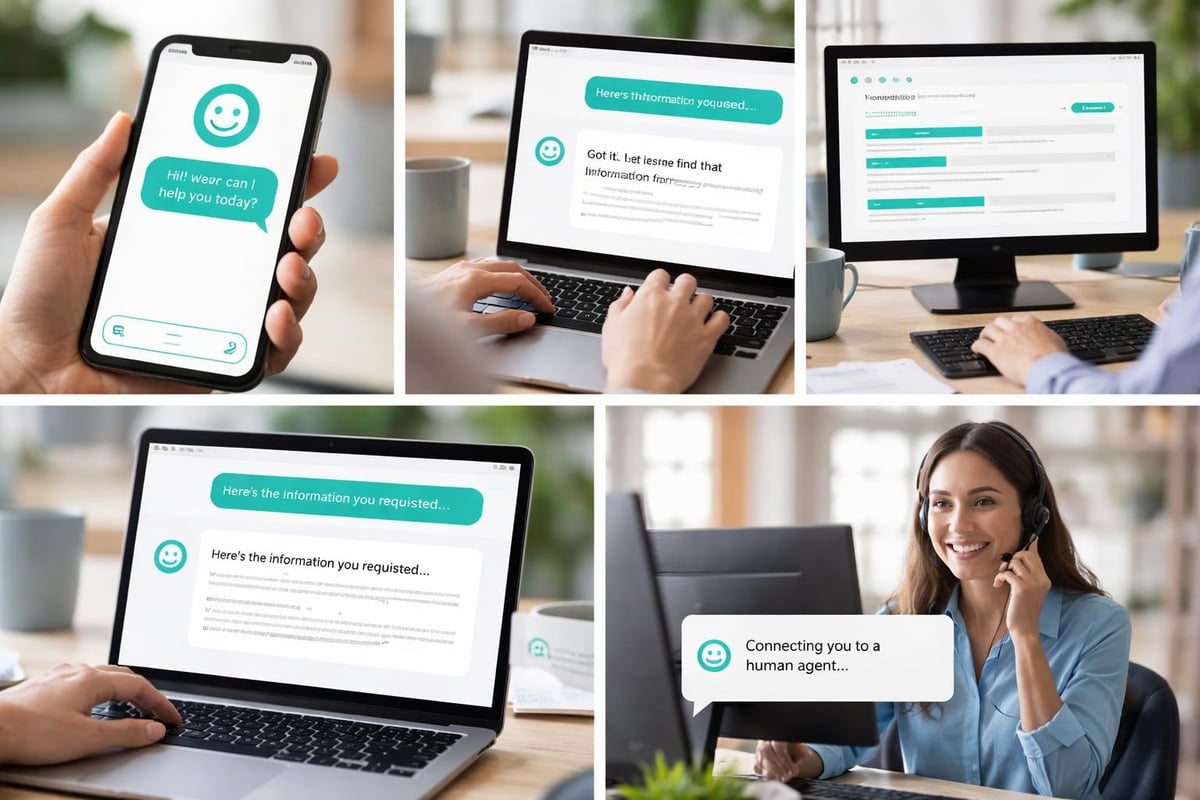
The affordable AI tools available in 2026 make this accessible even if you've never written a line of code. Many platforms offer simple setup wizards that connect to your existing website within hours.
Marketing and Content Creation Use Cases
Creating consistent marketing content exhausts small business owners. Between serving customers, managing staff, and handling paperwork, who has time to write weekly blog posts or craft social media updates?
This is where use cases AI shines brilliantly. AI writing assistants can help you draft email newsletters, create social media posts, and even generate product descriptions. You provide the key details and your brand voice, and the AI does the heavy lifting.
| Marketing Task | Time Without AI | Time With AI | Quality Improvement |
|---|---|---|---|
| Social media posts (weekly) | 3-4 hours | 45 minutes | More consistency |
| Email newsletter | 2-3 hours | 30 minutes | Better personalisation |
| Product descriptions | 15 min each | 3 min each | SEO optimised |
Practical marketing applications include:
- Generating variations of ad copy to test different messages
- Creating personalised email campaigns based on customer behaviour
- Suggesting optimal posting times for social media
- Writing first drafts of blog articles that you then refine
The key is viewing AI as your assistant, not your replacement. You still bring the creativity, business knowledge, and final approval. Understanding how to use AI for business means knowing when to delegate and when to do it yourself.
Inventory and Operations Management
Perhaps the least glamorous but most valuable use cases AI offers involve the nuts and bolts of running your business. Inventory management, demand forecasting, and operational efficiency might not sound exciting, but they directly impact your bottom line.
Small retailers can use AI to predict which products will sell in coming weeks based on historical data, weather patterns, and local events. A garden centre might stock more of certain plants ahead of predicted sunny weekends. A clothing boutique could avoid overstocking winter coats when AI forecasts a mild season.
Financial Forecasting and Expense Tracking
Managing cash flow keeps many small business owners awake at night. AI tools can analyse your expenses, flag unusual spending patterns, and predict future cash requirements based on seasonal trends.
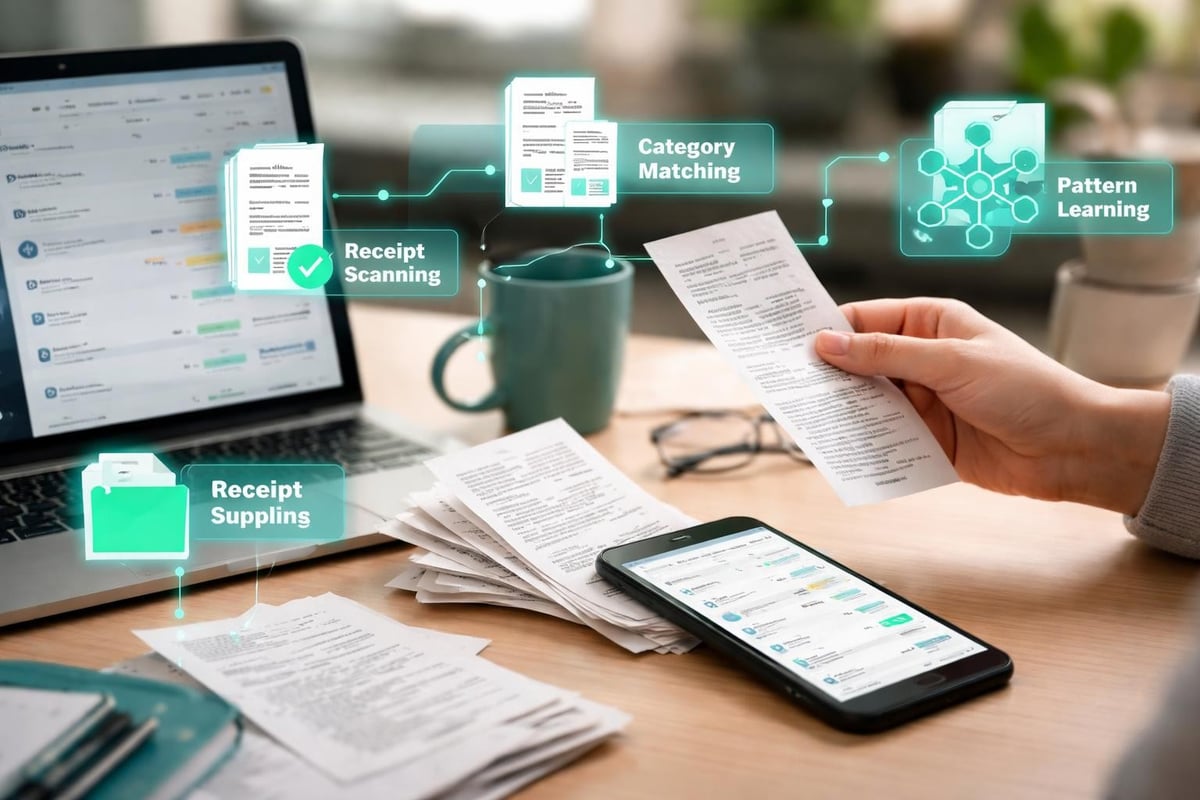
Think about the hours you spend manually categorising expenses for your accountant. AI can scan receipts, extract relevant information, and categorise spending automatically. Some tools even alert you when you're approaching budget limits in specific categories.
For businesses exploring AI implementation strategies, financial tools often provide quick wins because they save time on tedious administrative tasks whilst improving accuracy.
Personalisation and Customer Insights
Understanding your customers better leads to smarter business decisions. Use cases AI enables here include analysing purchase patterns, predicting what customers might want next, and identifying your most valuable customer segments.
A local coffee shop might discover that customers who buy oat milk lattes on weekday mornings also frequently purchase pastries. Armed with this insight, they could create a breakfast combo deal. An online boutique could send personalised product recommendations based on browsing history and past purchases.
Customer insight applications:
- Identifying which products are frequently bought together
- Predicting customer churn before it happens
- Segmenting customers for targeted marketing
- Understanding peak business hours and staffing accordingly
- Spotting emerging trends in customer preferences
The benefits of AI for business become clear when you start making data-driven decisions instead of guessing. You're not replacing human intuition; you're enhancing it with solid evidence.
Appointment Scheduling and Workflow Automation
How many times have you played phone tag trying to schedule a meeting? Or forgotten to follow up with a potential customer because you were swamped?
AI-powered scheduling tools can handle the back-and-forth of finding convenient meeting times, send automatic reminders, and even reschedule when conflicts arise. They connect to your calendar and work 24/7, so potential clients can book slots even when your office is closed.
Workflow automation takes this further by connecting different tools you already use. When someone fills out a contact form, AI can automatically add them to your CRM, send a welcome email, and schedule a follow-up task for you three days later.
These use cases AI enables might seem small individually, but they add up to hours saved every week. Time you can spend growing your business instead of managing administrative tasks.

Learning about AI process automation helps you identify which repetitive tasks in your business could run automatically, freeing you to focus on activities that actually require your expertise.
Getting Started With the Right Use Case
The most common mistake small business owners make is trying to implement too many use cases AI offers all at once. This leads to overwhelm, wasted money, and abandoned projects.
Instead, map out your typical week and identify the single most time-consuming or frustrating task. That's your starting point. Maybe it's answering the same customer questions repeatedly, or perhaps it's creating weekly social media content.
Choose one problem, find an affordable AI solution that addresses it, and implement it properly. Once it's running smoothly and you've seen the benefits, you can add another use case.
Remember that real-world AI use cases across industries show that success comes from focused implementation, not trying to do everything simultaneously. Start small, prove the value, then expand.
The use cases AI offers small businesses in 2026 are more practical and accessible than ever before. From customer service automation to financial forecasting, the right AI tools can save hours every week whilst improving accuracy and customer satisfaction. If you're ready to explore which AI applications make sense for your specific business challenges, AI 4 Small Business specialises in practical, affordable implementations that deliver results quickly without creating dependency on complex systems.