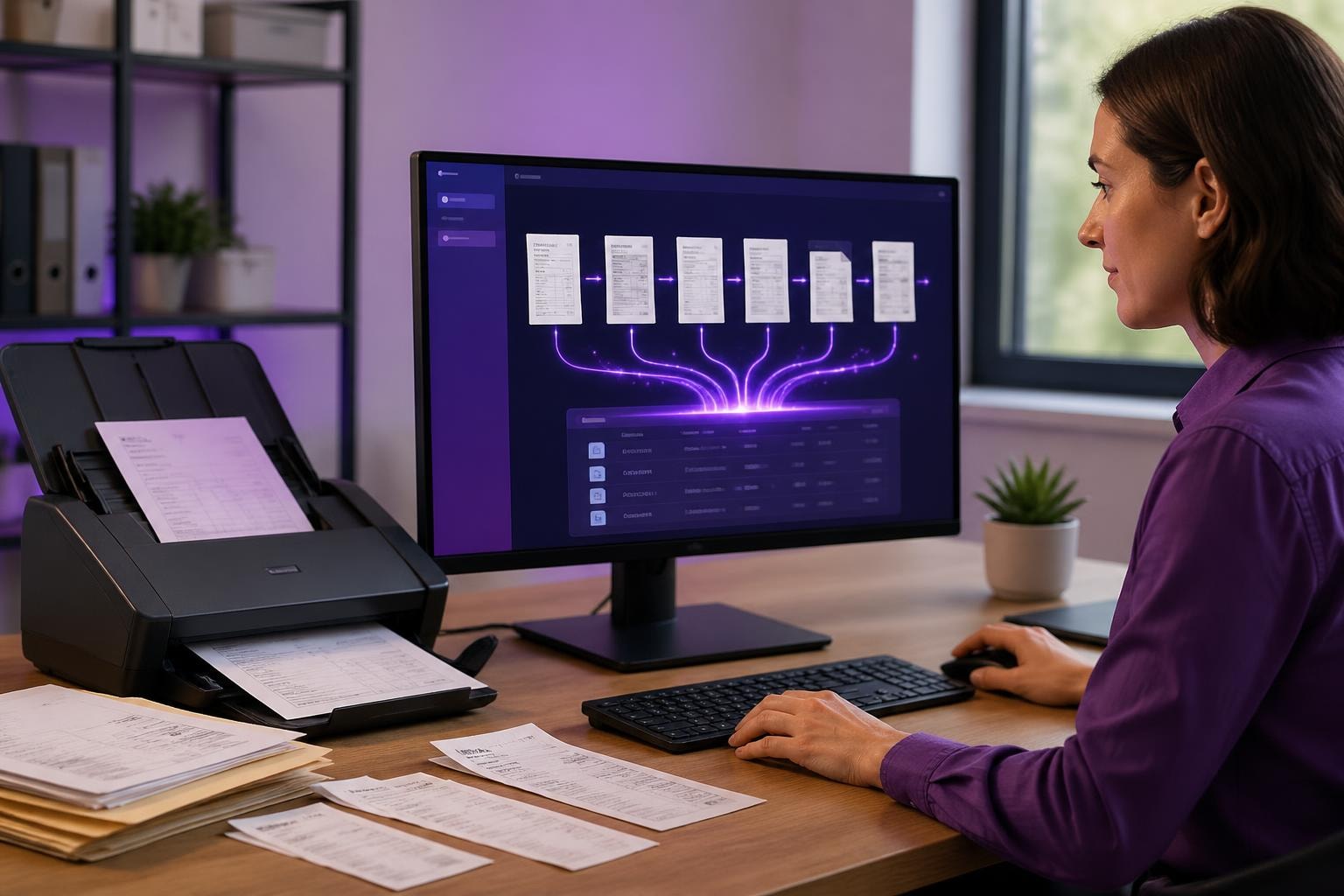
If you're running a small business in 2026, you already know that finding quality leads takes too much time. The traditional approach-manual research, cold outreach, spreadsheets that go stale-just doesn't cut it anymore. That's where ai lead generation comes in, and no, it's not some futuristic concept. It's real, it's accessible, and businesses just like yours are using it right now to fill their pipeline with better prospects in less time. Let's explore what actually works.
What AI Lead Generation Really Means for Small Businesses
Forget the buzzwords. AI lead generation is simply using smart tools to automate the boring, repetitive bits of finding and qualifying potential customers. Instead of manually scouring LinkedIn or guessing which website visitors might convert, AI does the heavy lifting.
Think about your current process. You're probably:
- Spending hours researching prospects manually
- Following up with leads who were never serious buyers
- Losing track of warm prospects because you're overwhelmed
- Missing the patterns that indicate someone's ready to buy
AI flips this around. Modern AI lead generation tools can identify anonymous website visitors, track their behavior, score their intent, and even reach out at exactly the right moment. The best part? You don't need a massive budget or technical team to make it happen.
How Different Sectors Apply AI Lead Generation
A recruitment agency might use AI to identify companies actively hiring based on job postings, funding rounds, or expansion announcements. A plumbing business could deploy AI chatbots that qualify emergency callouts versus routine maintenance enquiries, routing them appropriately.
For eCommerce businesses, AI-powered workflows can track browsing patterns and cart abandonment, automatically sending personalized follow-ups to recover sales. Professional services firms use AI to monitor when prospects visit pricing pages or case studies multiple times-a strong buying signal.

Practical AI Tools You Can Implement Today
Let's get specific. Here are tools small businesses are actually using, not enterprise platforms that cost thousands monthly.
| Tool Type | What It Does | Best For |
|---|---|---|
| Chatbot platforms | Qualify visitors 24/7, book meetings, answer FAQs | Retail, services, trades |
| Visitor identification | Reveal which companies visit your site | B2B, professional services |
| Email enrichment | Find contact details from partial information | Sales teams, recruitment |
| Predictive scoring | Rank leads by conversion likelihood | Any business with multiple leads |
Chatbots are probably the easiest entry point. Tools like Tidio or Drift let you deploy AI assistants that ask qualifying questions, collect contact details, and even book appointments directly into your calendar. A building contractor we worked with now has 40% of their quotes booked automatically through their website chatbot.
Visitor identification tools are brilliant for B2B businesses. Services like Leadfeeder or Albacross tell you which companies visit your website, which pages they viewed, and how long they stayed. This approach to tracking anonymous visitors transforms your website from a passive brochure into an active lead generation engine.
The Lead Scoring Revolution
Here's where ai lead generation gets really clever. Instead of treating every enquiry the same, AI scores them based on dozens of factors you'd never have time to track manually.
A scored lead might consider:
- Company size and industry
- Pages visited and time spent
- Email engagement history
- Similar customer patterns
- Budget indicators from web behavior
One professional services client reduced their sales team's wasted time by 60% simply by focusing only on leads scoring above a certain threshold. The AI learned what good customers looked like and highlighted similar prospects automatically.
Building Your AI Lead Generation System
You don't need to implement everything at once. Start with one process that's currently eating your time.
Step 1: Identify Your Bottleneck
Where are you losing leads right now? Is it website visitors who leave without contacting you? Enquiries that go cold? Difficulty finding the right prospects in the first place? Understanding where AI fits your business processes is the critical first step.
Step 2: Choose One Tool to Test
Pick the solution that addresses your biggest pain point. If you're losing website visitors, start with a chatbot. If you're drowning in unqualified enquiries, try lead scoring. If you need more prospects, test visitor identification.
Step 3: Set Clear Success Metrics
What does success look like? More booked meetings? Higher conversion rates? Time saved? Define this before you start, not after.

Real Results from Small Business AI Implementation
Let's talk actual outcomes, not theory. A retail business we worked with implemented AI chat on their product pages. Within three months, they were capturing 35% more leads and their conversion rate improved because the AI pre-qualified interest and answered common objections immediately.
A construction firm used AI automation to track which prospects downloaded their project portfolios and followed up automatically with relevant case studies. Their quote request rate doubled.
These aren't special cases. Industry data shows businesses using AI lead generation experience higher win rates and shorter deal cycles because they're focusing energy on genuinely interested prospects.
Common Mistakes to Avoid
Over-automating too quickly. Don't remove the human element entirely. AI should qualify and nurture, but personal relationships still close deals, especially in trades and professional services.
Ignoring data quality. AI is only as good as what you feed it. If your CRM is full of outdated contacts and incomplete records, the AI will struggle. Clean your data first.
Choosing tools before defining processes. Understand your current lead journey before selecting technology. The best tool for your competitor might be completely wrong for your business model.
Expecting instant results. AI systems improve over time as they learn your specific patterns. Give them at least 60-90 days to optimize properly.
Making AI Lead Generation Work for Your Business
The businesses seeing real returns from ai lead generation share something in common: they focused on implementation, not just installation. They didn't just buy a tool and hope for the best. They mapped their processes, trained their teams, and continuously refined their approach.
Practical AI implementation means starting small, measuring results, and scaling what works. It means choosing tools that integrate with your existing systems rather than forcing complete overhauls.

Consider working with specialists who understand small business constraints. You need solutions that deliver ROI in weeks, not quarters. You need tools that your team can actually use without extensive training. And you need honest advice about what'll work for your specific situation, not generic enterprise playbooks.
The best practices for AI lead generation emphasize this practical approach: deploy intelligently, measure constantly, and optimize based on real results from your actual customers.
| Implementation Phase | Timeline | Key Actions |
|---|---|---|
| Assessment | Week 1-2 | Map current process, identify bottlenecks |
| Tool selection | Week 3 | Choose platform, set up trial |
| Initial deployment | Week 4-6 | Configure, integrate, train team |
| Optimization | Ongoing | Review metrics, refine scoring, improve conversion |
The technology exists. The tools are affordable. The question is whether you're ready to stop doing manually what AI can handle automatically, freeing you to focus on actually closing the deals that matter.
AI lead generation isn't about replacing your sales process-it's about amplifying what already works and eliminating what wastes time. Whether you're in retail, trades, professional services, or eCommerce, the right AI tools can identify better prospects, qualify them faster, and help you focus on conversations that convert. If you're ready to implement AI that delivers measurable results without the complexity or cost, AI 4 Small Business helps businesses like yours adopt practical AI solutions that work from day one. We'll identify your time-drains, select the right tools, and build automations that actually fit how you operate.