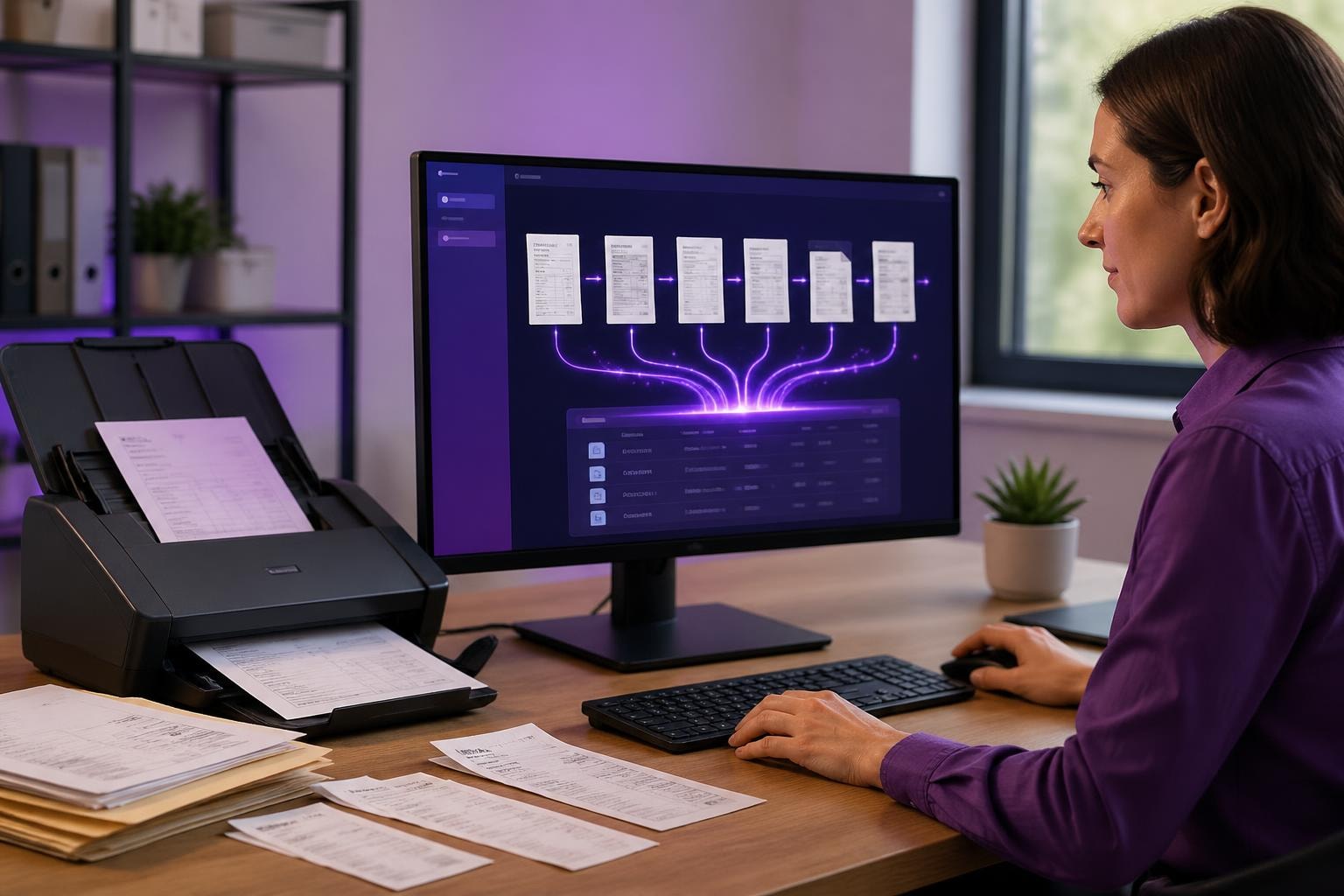
If you're running a small business in 2026, you've probably noticed something: everyone's talking about AI, but not many people are actually showing you what it does. Especially when it comes to sales. The truth is, ai sales isn't about replacing your sales team with robots. It's about giving them superpowers-automating the boring bits, surfacing the hottest leads, and letting them focus on what they do best: building relationships and closing deals. Let's look at how this actually works in practice.
Why AI Sales Matters for Small Businesses Right Now
Here's the thing: your competitors are already using these tools. According to Bain & Company's research on AI in sales, businesses that redesign their sales processes around AI are seeing significant improvements in conversion rates and seller productivity.
The benefits aren't theoretical:
- AI qualifies leads 24/7, even when your team's sleeping
- Automated follow-ups mean no prospect falls through the cracks
- Data-driven insights show which deals are worth pursuing
- Personalisation at scale without hiring an army of copywriters
For a recruitment agency, that might mean AI screening hundreds of applicants and surfacing the top five candidates instantly. For an eCommerce store, it's about sending personalised product recommendations based on browsing behaviour. Understanding AI implementation starts with identifying which parts of your sales process eat up the most time.

Practical AI Sales Tools You Can Start Using Today
Let's cut through the noise. You don't need a massive budget or a data science team. Here's what's actually working for small businesses in 2026:
Lead Generation and Qualification
AI-powered chatbots aren't the clunky things they were five years ago. Tools like Drift and Intercom now use natural language processing to have actual conversations with website visitors, qualify them based on your criteria, and book meetings directly into your calendar.
A plumber in Manchester used AI chat to:
- Answer common questions about emergency callouts
- Collect job details and photos automatically
- Provide instant quotes for standard work
- Route urgent jobs to the on-call team
Result? 40% more qualified leads without hiring extra admin staff. That's the difference between theory and real AI business automation in action.
Email Outreach and Follow-Up
Writing personalised emails takes ages. AI tools like Smartlead and Reply.io analyse your prospect's website, LinkedIn profile, and recent activity to generate relevant, personalised messages at scale. Microsoft's guide to AI for sales highlights how predictive analytics can determine the best time to send messages and which messaging resonates most.
| Task | Traditional Approach | AI-Powered Approach |
|---|---|---|
| Lead research | 20 mins per prospect | 30 seconds automated |
| Email personalisation | Manual for each contact | Automatic based on data |
| Follow-up scheduling | Spreadsheets and reminders | Triggered by behaviour |
| A/B testing | Weeks of manual tracking | Real-time optimisation |
Building Your AI Sales Pipeline Without the Headaches
The biggest mistake small businesses make? Trying to implement everything at once. Start with one painful bottleneck and fix it properly.
Here's a sensible approach:
- Week 1-2: Map your current sales process on paper. Where are leads getting stuck?
- Week 3: Pick ONE tool that addresses your biggest pain point
- Week 4: Set it up and test with a small segment
- Month 2: Refine based on results, then scale
A professional services firm in Leeds followed this approach. They started with AI-powered lead scoring using HubSpot's free tools. Once that was working, they added automated email sequences. Six months later, their conversion rate had increased by 35% with the same team size.

What About the Human Touch?
This is where people get worried. "Won't AI make my sales process feel robotic?" Actually, it's the opposite. As TechRadar's article on vibe selling explains, AI handles the repetitive stuff so your team can focus on relationship-building.
Your salespeople shouldn't be copying and pasting emails at 11pm. They should be having meaningful conversations with qualified prospects who are actually ready to buy.
Real Examples from Different Sectors
Retail: A boutique clothing store uses AI to analyse purchase history and browsing patterns, then sends personalised style recommendations. Open rates jumped from 12% to 34%.
Construction: A building contractor implemented AI scheduling that analyses project timelines, weather forecasts, and team availability to suggest optimal meeting times with clients. Sales calls increased by 20% because they stopped playing email tennis.
eCommerce: Check out our eCommerce AI case study to see how product recommendation engines drive repeat purchases.
The Data Advantage Most Small Businesses Miss
Your business is sitting on a goldmine of sales data. AI can analyse patterns you'd never spot manually:
- Which prospects are most likely to convert based on engagement signals
- The optimal number of touchpoints before closing
- Which objections predict a lost deal vs. a delayed decision
- Time of day and day of week when your emails get the best response
Coursera's overview of AI in sales details how machine learning improves over time, meaning your ai sales tools get smarter the longer you use them.
Common Pitfalls to Avoid
Not everything needs AI. If you're sending five sales emails a week, automation is overkill. Focus on areas where volume or complexity create genuine bottlenecks. Also, rubbish data in equals rubbish results out-clean your CRM before implementing AI tools.
Getting Expert Help vs. Going Solo
You can absolutely start with off-the-shelf tools and YouTube tutorials. Many businesses do. But here's what we see: those who get expert guidance on AI implementation avoid expensive mistakes and see results months faster.
The difference is knowing which tools actually integrate with your existing systems, how to structure your data properly, and which metrics actually matter. It's like the difference between following a recipe and understanding why certain ingredients work together.
Questions to ask before implementing ai sales tools:
- What specific outcome am I trying to achieve?
- Do I have clean, usable data to feed the system?
- Will this integrate with my current tech stack?
- Can my team actually use this, or will it gather dust?
- How will I measure success beyond vanity metrics?

Making AI Work Within Your Budget
Good news: you don't need tens of thousands of pounds to get started. Many powerful AI sales tools have free tiers or cost less than hiring a junior salesperson. Start small, prove the ROI, then expand.
A recruitment agency we work with started with a £50/month AI scheduling tool. It saved their consultants 8 hours a week. They reinvested that time into client calls, which generated an extra £15K in placements within three months. That's a pretty solid return.
The key is thinking about automation using AI as an investment, not an expense. What's the cost of missed follow-ups? Late responses? Leads that go cold because your team's too busy?
AI sales tools aren't about replacing your team-they're about amplifying what they already do well. By automating repetitive tasks and surfacing better insights, you free up time for the high-value work that actually drives revenue. If you're ready to explore how AI can transform your sales process without the hype or complexity, AI 4 Small Business specialises in practical, results-driven implementations that deliver measurable impact fast. We'll help you identify the right tools, build the automations, and get results-not just talk about them.